
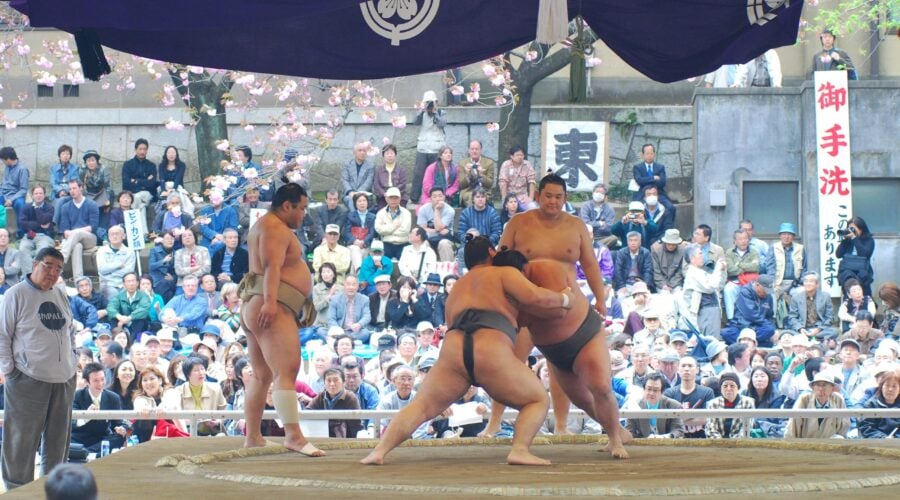
Unveiling the Sacred: The Mystical Rituals of Sumo Wrestling Explained
Introduction: The Spiritual Heart of Sumo Wrestling Rituals
Sumo wrestling, Japan’s national sport, is far more than a test of strength and skill. Beneath the surface, however, its intense bouts reveal a world of sacred rituals steeped in Shinto, Japan’s ancient religion. For example, stomping feet helps purify the ring, while tossing salt is believed to ward off evil. Together, these ceremonies create a mesmerizing blend of spirituality, tradition, and spectacle.For tourists and fans attending a Grand Sumo Tournament in 2025, understanding these rituals unlocks a deeper appreciation of the sport’s cultural significance. In this blog, you’ll explore Sumo Wrestling Rituals sacred practices. You’ll also discover why they make sumo a spiritual spectacle unlike any other.
Are you Visiting Japan soon?
Let us make your trip effortless. From tickets and hotels to transport and local guides, we arrange everything for you or your group. Whether it’s a music festival in Tokyo or a business conference in Osaka, our custom travel service ensures you enjoy the event stress-free.
Contact Jasumo Now →The Shinto Foundation of Sumo Wrestling Rituals
Sumo Wrestling Rituals roots trace back over 1,500 years. They are intertwined with Shinto, Japan’s indigenous religion that reveres kami (spirits) in nature and ancestors. Originally, sumo was performed as a ritual to pray for bountiful harvests or divine favor. Thus, it became a way to connect with the gods. Today, this spiritual legacy lives on in the sport’s ceremonies. These are performed with reverence at every Grand Sumo Tournament, whether in Tokyo’s Ryogoku Kokugikan or Fukuoka’s Kokusai Center.
Shinto emphasizes purity, balance, and harmony, and these principles permeate Sumo Wrestling Rituals rituals. The dohyo (sumo ring), a rais clay platform, is considere a sacre space, consecrate before each tournament. Wrestlers, referees, and even spectators are expecte to respect this sanctity, creating an atmosphere that feels like a religious ceremony as much as a sporting event.

The Dohyo: A Sacred Stage Sumo Wrestling Rituals
At the heart of Sumo Wrestling Rituals is the dohyo, a 4.55-meter-diameter ring that symbolizes a sacred arena. Moreover, building the dohyo is itself a ritual, performed by yobidashi (ring announcers) under the guidance of Shinto priests. First, the clay is molded, layered with sand, and blessed to ensure purity. Above it, a roof resembling a Shinto shrine hangs above, and four tassels in the colors of the seasons—green, red, white, and black—adorn the corners, representing the four directions and the balance of nature.
Before a tournament begins, the dohyo-iri (ring-entering ceremony) consecrates the space. This involves sprinkling salt, rice, and other offerings into the ring to purify it and invite the kami. For tourists attending the 2025 Hatsu Basho (January 12–26 in Tokyo), watching this ceremony is a window into Sumo Wrestling Rituals spiritual core, as the dohyo transforms into a hallowed ground where battles between wrestlers mirror cosmic struggles.
Ceremonial Stomps: The Yokozuna’s Dance Sumo Wrestling Rituals
One of the most iconic Sumo Wrestling Rituals is the yokozuna dohyo-iri, the grand champion’s ring-entering ceremony. Performed only by yokozuna, the highest-ranked wrestlers, this ritual is a breathtaking display of power and grace. During the ceremony, the yokozuna, dressed in an ornate kesho-mawashi (ceremonial apron), enters the dohyo accompanied by two attendants: a sword-bearer and a dew-sweeper.
The centerpiece of the ceremony is the stomping action, known as shiko. During this ritual, the yokozuna raises one leg high and stomps it down forcefully, a gesture believed to drive away evil spirits and purify the ring. Furthermore, this ritual has roots in Shinto practices to cleanse sacred spaces, and its rhythmic execution captivates audiences. Meanwhile, each yokozuna chooses one of two styles: the Unryu style, with a more flowing motion, or the Shiranui style, with a wider stance. For visitors attending the 2025 Haru Basho (March 9–23 in Osaka), witnessing a yokozuna’s dohyo-iri is a must-see moment that blends athleticism with spiritual symbolism.
Salt-Throwing: Warding Off Evil Sumo Wrestling Rituals
Perhaps the most recognizable Sumo Wrestling Rituals is the act of throwing salt into the dohyo. Before each bout, wrestlers may grab a handful of salt from a basket near the ring and toss it onto the clay. This practice, called shio-maki, reflects Shinto’s emphasis on purification. Salt is believe to have cleansing properties, capable of banishing malevolent spirits and ensuring the bout is fought in a pure environment.
Not every wrestler performs shio-maki, and the amount of salt used varies. Some toss a pinch, while others scatter it dramatically. The ritual adds a theatrical flair, especially during the high-energy matches of the Natsu Basho (May 11–25, 2025, in Tokyo). For tourists, watching wrestlers prepare for their bouts with this ancient act is a reminder of Sumo Wrestling Rituals deep connection to Shinto beliefs.
The Gyoji: Guardians of Tradition
The gyoji, or referee, is a central figure in Sumo Wrestling Rituals, serving as both an official and a ceremonial leader. Dressed in colorful robes inspired by Heian-period court attire, the gyoji oversees matches with a fan in hand, chanting commands and announcing winners. Their role extends beyond officiating; they are custodians of sumo’s traditions, ensuring rituals are performe correctly.
The gyoji’s attire and actions are steepe in symbolism. Higher-ranked referees wear more elaborate robes and carry a sword, signifying their authority and readiness to uphold Sumo Wrestling Rituals honor. During the dohyo-iri or other ceremonies, the gyoji’s rhythmic calls echo Shinto chants, adding to the sacred atmosphere. For spectators at the Nagoya Basho (July 13–27, 2025), observing the gyoji’s precise movements offers insight into the meticulous care given to sumo’s traditions.
The Kesho-Mawashi: Ceremonial Splendor
Wrestlers competing in the top divisions (Makuuchi and Juryo) wear kesho-mawashi during the dohyo-iri ceremonies. These ornate aprons transform the ring into a display of artistry. They feature gold, silver, and vibrant patterns. They are a stark contrast to the simple mawashi worn during matches. Each kesho-mawashi is unique. It often reflects the wrestler’s stable, sponsor, or personal story.
The kesho-mawashi is not just decorative; it connects to Sumo Wrestling Rituals ceremonial past, when wrestlers performed for emperors or deities. Tourists attending the Aki Basho (September 14–28=linebreak
28, 2025, in Tokyo) will be dazzle by the sight of these aprons, which can cost thousands of dollars and take months to craft. The ritual of wearing them during the ring-entering ceremony underscores the wrestlers’ roles as modern-day warriors upholding ancient traditions.
Pre-Match Rituals: Building the Tension
Before each bout, wrestlers engage in a series of rituals that heighten the drama. Beyond salt-throwing, they perform teppo, pressing their hands against wooden pillars to warm up, and chiri-chozu, rinsing their mouths with water to cleanse themselves spiritually. These actions, rooted in Shinto purification practices, prepare the wrestlers for the sacred contest ahead.
The tachiai, or initial charge, is prece by a deliberate stare-down, where wrestlers lock eyes and crouch, building tension. This ritualistic preparation, observed closely at the Kyushu Basho (November 9–23, 2025, in Fukuoka), creates a palpable sense of anticipation, drawing spectators into the ticket spiritual intensity of the moment.
The Role of the Yobidashi and Bansuke
The yobidashi (ring announcers) are unsung heroes of sumo’s rituals, calling wrestlers to the dohyo with fan-waving chants and sweeping the ring to maintain its purity. Their traditional songs, delivered in a melodic cadence, add to the ceremonial ambiance. The bansuke, the official ranking list released before each tournament, is another ritualistic element, determining matchups and fueling rivalries.
For tourists, the yobidashi’s calls and the anticipation of bansuke announcements (available on sites like www.sumo.or.jp) offer a glimpse into the structured hierarchy of Sumo Wrestling Rituals, blending tradition with competitive drama.
Sumo Wrestling Rituals Closing Ceremonies: A Bow to Tradition
At the end of each tournament day, the yumitori-shiki (bow-twirling ceremony) concludes the matches. During this ritual, a designated wrestler spins a large bow in the dohyo. Traditionally, this ritual is rooted in samurai traditions and symbolizes victory and gratitude. Often, a lower-ranked wrestler performs this closing act, which reflects Sumo Wrestling Rituals historical ties to Japan’s warrior class. As a result, its elegance continues to captivate audiences.
Sumo Wrestling RitualsEtiquette: Respecting the Sacred
For tourists attending sumo tournaments in 2025, understanding spectator etiquette is key. Silence is expecte during matches, and photography rules are strict, especially near the dohyo. Respecting the sacred nature of the event enhances the experience, aligning spectators with the spiritual undertones of the sport.
The Global Appeal of Sumo’s Rituals
Sumo’s rituals have transcended Japan’s borders, captivating international audiences. Moreover, the sport’s blend of athleticism and spirituality, showcased in events like the 2025 Hatsu Basho, draws tourists from around the world. As a result, platforms like sumo.pia.jp/en make it easier for visitors to secure tickets, ensuring access to these sacred spectacles.
Conclusion: A Timeless Spiritual Spectacle
Sumo wrestling is a living testament to Japan’s cultural heritage, where every ritual—from the yokozuna’s stomps to the salt-throwing—carries centuries of meaning. For tourists planning to attend the 2025 Grand Sumo Tournaments, these rituals offer a profound connection to Japan’s spiritual past. Whether you’re marveling at the dohyo-iri in Tokyo or the yumitori-shiki in Fukuoka, sumo’s sacred practices promise an unforgettable experience that transcends sport.
Frequently Asked Question :Sumo Wrestling Rituals
Sumo Wrestling Rituals are traditional ceremonies performed before and during matches. They include actions such as salt throwing, hand clapping, foot stomping, and symbolic movements that reflect Shinto beliefs.
Salt is used in Sumo Wrestling Rituals as a symbol of purification. Wrestlers throw salt onto the dohyo to cleanse the ring and remove spiritual impurities before the match begins.
The stomping ritual is believed to drive away evil spirits from the dohyo. It is an important part of Sumo Wrestling Rituals and also prepares wrestlers mentally and physically for competition.
Many Sumo Wrestling Rituals have strong connections to Shinto, Japan’s traditional religion. The ceremonies honor the kami and emphasize purity, respect, and spiritual preparation.
Yes. Visitors attending professional sumo tournaments can watch many Sumo Wrestling Rituals before matches. These ceremonies are an important part of the experience and help explain sumo’s cultural significance.
Planning a Group Trip to Japan?
From corporate teams to friends traveling together, we create tailor-made travel packages. Enjoy VIP access, curated itineraries, and full support from our local experts. Tell us your plans, and we’ll handle the rest.
Contact Jasumo Now →
