
Climbing the Sacred Mountain: The Ultimate Guide to Sumo’s Ancient Ranking System
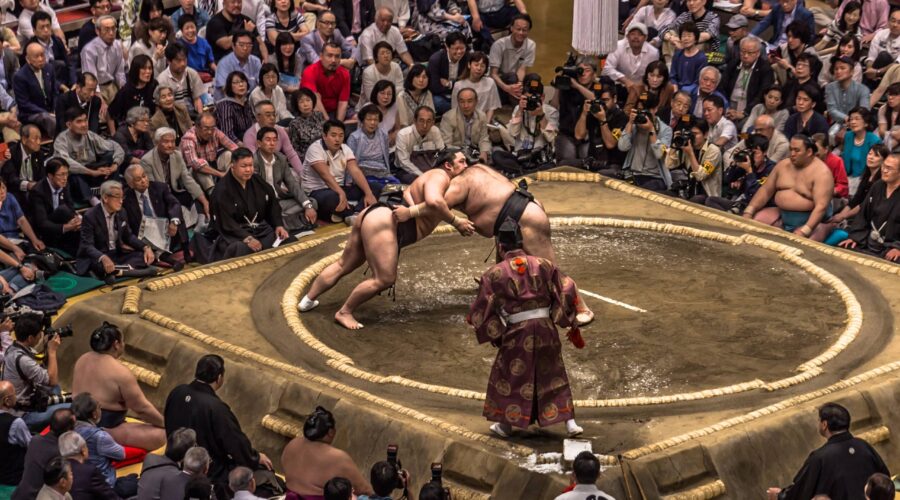
In the hushed moments before a sumo tournament begins, wrestlers line up according to an invisible hierarchy that has governed Japanese wrestling for over four centuries. At one end stand nervous newcomers whose names few recognize, clutching at dreams of glory. At the other end tower the sport’s living gods – the Yokozuna grand champions whose every move commands reverence from an entire nation.
Are you Visiting Japan soon?
Let us make your trip effortless. From tickets and hotels to transport and local guides, we arrange everything for you or your group. Whether it’s a music festival in Tokyo or a business conference in Osaka, our custom travel service ensures you enjoy the event stress-free.
Contact Jasumo Now →This is sumo’s banzuke – a ranking system so intricate, so steeped in tradition, and so unforgiving that it makes corporate ladders look like playground equipment. Unlike modern sports with their salary caps and draft systems, sumo operates on pure meritocracy tempered by ancient protocol. Every wrestler’s position reflects not just recent performance but accumulated honor, sustained excellence, and adherence to cultural ideals that transcend mere athletic achievement.
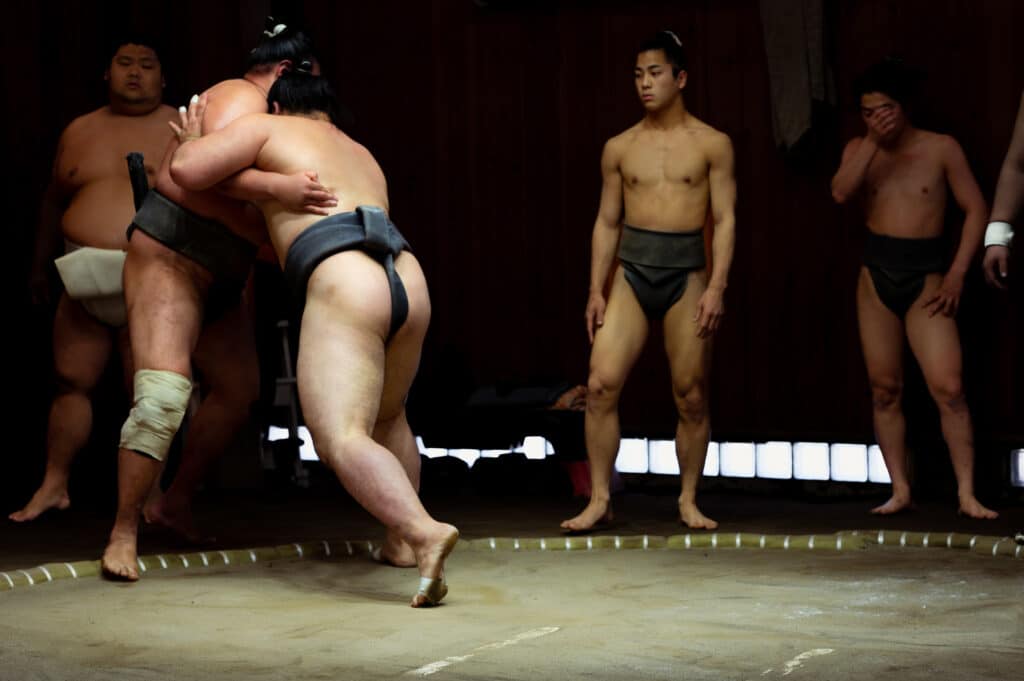
The journey from the lowest amateur ranks to the pinnacle of Yokozuna is more than a career path – it’s a spiritual odyssey that tests not only physical prowess but mental fortitude, cultural understanding, and moral character. This ranking system doesn’t just organize wrestlers; it preserves Japanese values, maintains social order, and creates a living embodiment of the nation’s commitment to excellence through discipline.
Welcome to a world where rankings are sacred, promotion is earned through blood and tradition, and the difference between success and failure can be measured in millimeters of ring position and ounces of respectful behavior. This is the story of how sumo wrestling created the world’s most sophisticated athletic hierarchy – and why understanding it unlocks the secrets of Japanese culture itself.
The Foundation of Order: Understanding Sumo’s Hierarchical Philosophy
Before diving into specific ranks and their requirements, we must understand the philosophical foundation that makes sumo’s ranking system unlike any other in modern sports. This hierarchy reflects core Japanese cultural values: respect for seniority, reward for sustained excellence, and the belief that true greatness encompasses character as well as ability.
The banzuke (ranking sheet) published before each tournament is more than a simple list – it’s a formal document that establishes social order within the sumo world. Every wrestler’s position on this sheet determines not only their tournament matchups but also their living arrangements, meal privileges, training opportunities, and social status both within and outside the sumo community.
The meritocratic nature of sumo rankings means that performance directly determines status, but the system incorporates cultural elements that pure win-loss records cannot capture. Wrestlers must demonstrate appropriate behavior, show proper respect to superiors, and embody the cultural values that sumo represents. This integration of athletic and cultural criteria creates a ranking system that serves broader social functions beyond organizing competition.
The permanence and public nature of rankings add psychological dimensions absent from other sports. Every wrestler’s current rank is constantly visible, creating ongoing pressure to maintain or improve their position. The formal ceremonies surrounding rank announcements transform individual achievements into community events that celebrate excellence while maintaining social order.
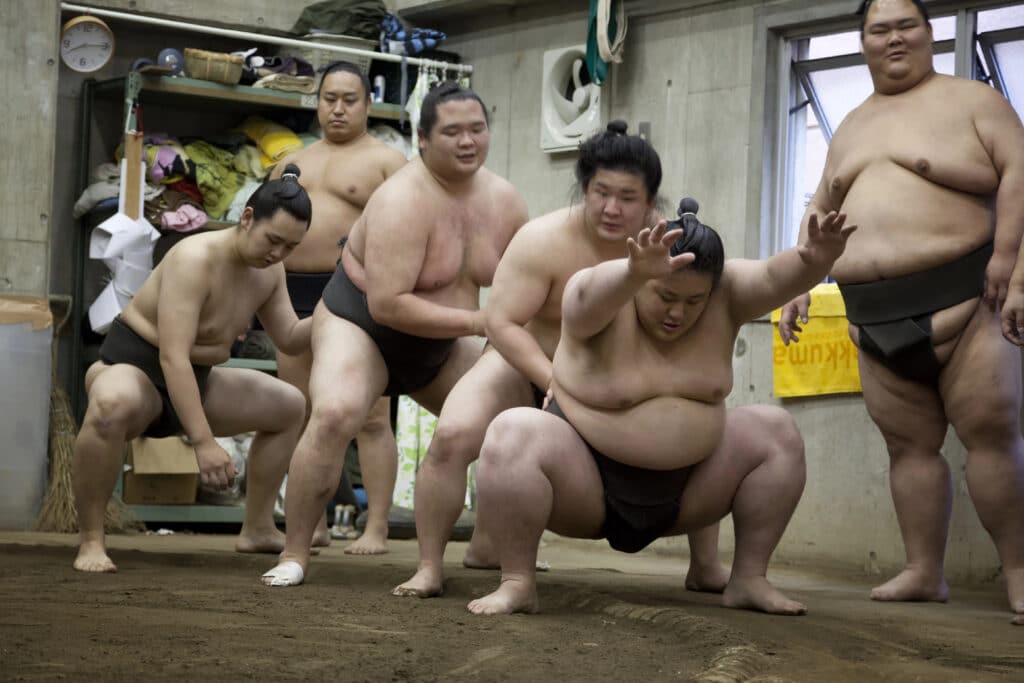
The historical continuity of sumo’s ranking system connects contemporary wrestlers to centuries of predecessors who climbed the same ladder using similar techniques and facing comparable challenges. This temporal dimension adds gravitas to rank achievements, making each promotion a connection to historical tradition rather than merely contemporary success.
Understanding sumo’s ranking philosophy also requires recognizing its function as a social safety valve. The system provides clear paths for advancement based on merit while maintaining respect for established hierarchy. This balance between opportunity and order reflects broader Japanese approaches to social organization and individual achievement.
The Bottom Rung: Where Dreams Begin
Every sumo legend begins at the same place – the bottom of an unforgiving ladder that stretches far above the amateur ranks where newcomers first test their resolve against the sport’s demands. Understanding these entry-level positions reveals both the accessibility and the challenges of professional sumo careers.
The journey typically begins in amateur sumo competitions at universities, high schools, or local clubs throughout Japan. These amateur ranks serve as proving grounds where potential professional wrestlers demonstrate basic competency and commitment to the sport’s demands. Success at amateur levels doesn’t guarantee professional advancement, but it provides essential foundation for those brave enough to attempt the transition.
The mae-zumo division represents the first step into professional sumo, though wrestlers at this level haven’t yet earned official rankings. Mae-zumo participants compete in exhibition matches designed to evaluate their readiness for formal ranking. These preliminary competitions occur away from main tournament attention, giving newcomers opportunities to adjust to professional expectations without intense public scrutiny.
Wrestlers entering mae-zumo face immediate culture shock as they transition from amateur competition to professional hierarchy. The living arrangements, training regimens, and social expectations differ dramatically from amateur contexts. Many promising amateur wrestlers struggle with these cultural adjustments despite possessing adequate athletic ability for professional competition.
The evaluation criteria for mae-zumo participants extend beyond simple win-loss records to include adaptability to professional lifestyle, respect for established hierarchy, and demonstration of cultural understanding essential for advancement. Wrestling ability alone cannot guarantee progression from mae-zumo to official ranking; wrestlers must prove their commitment to sumo’s broader cultural demands.
Success in mae-zumo leads to initial placement in the jonokuchi division – the lowest official rank in professional sumo. This transition from amateur to professional status represents a crucial milestone that many attempt but few achieve. The statistics are sobering: the majority of wrestlers who enter mae-zumo never advance to stable professional careers in higher divisions.
The support systems available to beginning wrestlers vary significantly among different sumo stables, creating advantages for those who join well-established organizations with strong mentorship programs. The choice of stable often proves as important as individual talent in determining whether newcomers successfully navigate the transition from amateur to professional competition.
Jonokuchi to Sandanme: The Grinding Years
The lower professional divisions of sumo – jonokuchi, jonidan, and sandanme – represent years of grinding work where wrestlers must prove their dedication while developing the skills necessary for advancement to higher ranks. These divisions test not only athletic ability but psychological resilience and cultural adaptation.
Jonokuchi wrestlers compete in seven-match tournaments held six times annually, with promotion requiring dominant performance rather than merely winning records. The mathematical requirements seem straightforward, but the practical challenges are immense. Wrestlers must not only win matches but demonstrate improving technique, physical conditioning, and cultural understanding that satisfies stable masters and ranking committees.
The daily life of lower-division wrestlers bears little resemblance to the glamorous existence enjoyed by top-ranked competitors. These wrestlers wake before dawn to prepare training facilities, serve higher-ranked wrestlers, and perform menial tasks that would shock athletes in other sports. This service component isn’t merely hazing – it’s cultural education that teaches respect, humility, and understanding of sumo’s hierarchical nature.
Training opportunities for lower-division wrestlers are limited by their rank, with access to quality opponents, coaching attention, and specialized instruction proportional to their banzuke position. This creates a challenging environment where improvement must occur despite limited resources, testing wrestlers’ ability to maximize minimal opportunities.
The economic realities facing lower-division wrestlers add another layer of difficulty to advancement challenges. Monthly stipends barely cover basic living expenses, forcing many wrestlers to rely on family support or part-time work that can interfere with training focus. The financial pressure creates additional motivation for advancement while potentially limiting the time and energy available for skill development.
Jonidan represents the second-lowest professional division, where wrestlers begin earning small monthly allowances and gain slightly improved living conditions. However, the fundamental challenges remain similar to jonokuchi: wrestlers must demonstrate consistent improvement while adapting to professional sumo’s cultural demands. The promotion requirements become increasingly strict as wrestlers advance through these lower divisions.
Sandanme marks a significant milestone in professional sumo careers, as wrestlers reaching this level have demonstrated sustained competency and cultural adaptation. Sandanme wrestlers enjoy improved status within their stables, better living conditions, and increased respect from the sumo community. However, the majority of professional wrestlers never advance beyond sandanme, making this division a crucial testing ground for future advancement.
The psychological challenges of lower-division competition often prove more difficult than physical demands. Years of limited recognition, financial hardship, and uncertain career prospects test wrestlers’ commitment to sumo careers. Many talented athletes abandon professional sumo during these grinding years, unable to sustain motivation through extended periods of minimal progress and recognition.
Makushita: The Gateway to Glory
The makushita division represents one of sumo wrestling’s most crucial battlegrounds – the final barrier between the anonymous struggles of lower divisions and the paid professional status that begins with juryo promotion. Understanding makushita’s unique position within sumo’s hierarchy reveals why this division creates some of the sport’s most intense competition and dramatic storylines.
Makushita wrestlers compete in seven-match tournaments like their lower-division counterparts, but the stakes are immeasurably higher. Promotion to juryo brings not only monthly salaries and improved living conditions but also the coveted sekitori status that transforms wrestlers from apprentices into recognized professionals. This dramatic status change makes makushita the most competitive division in professional sumo.
The mathematical requirements for juryo promotion from makushita appear deceptively simple: wrestlers typically need winning records in consecutive tournaments, with 5-2 or better performances usually necessary. However, the limited number of juryo positions means that multiple wrestlers often meet promotion criteria simultaneously, leading to intense competition for available slots and subjective evaluation of promotion worthiness.
The cultural significance of reaching juryo extends far beyond financial improvement. Sekitori status brings recognition from the broader Japanese community, media attention, and respect that acknowledges a wrestler’s successful navigation of sumo’s demanding apprenticeship. Families and home communities celebrate juryo promotions as major achievements that reflect positively on local areas and amateur training programs.
The lifestyle differences between makushita and juryo create additional motivation for advancement. Makushita wrestlers continue serving higher-ranked competitors and performing menial tasks within their stables, while juryo wrestlers gain personal attendants and significantly improved living conditions. This dramatic status change occurs literally overnight upon promotion, creating powerful incentives for sustained excellence.
The pressure facing makushita wrestlers near promotion often leads to mental challenges that can derail promising careers. The knowledge that promotion opportunity may come only once or twice during a wrestler’s career creates enormous psychological pressure that some cannot handle effectively. The history of makushita includes numerous talented wrestlers who repeatedly came close to promotion without achieving the breakthrough performance necessary for advancement.
Veteran makushita wrestlers who have spent years near promotion represent some of sumo’s most poignant figures – athletes with obvious ability who lack the final element necessary for advancement to paid professional status. These wrestlers often serve as cautionary tales about the challenges of sustained excellence under pressure, while simultaneously inspiring respect for their persistence in pursuing elusive goals.
The evaluation criteria for juryo promotion from makushita include factors beyond simple tournament records. The sumo association considers wrestlers’ overall development, cultural understanding, and potential for further advancement when making promotion decisions. This subjective element adds uncertainty to promotion processes while ensuring that advanced wrestlers possess characteristics necessary for representing sumo professionally.
Juryo: Entering the Paid Ranks
The promotion from makushita to juryo represents one of sumo wrestling’s most transformative moments – the elevation from unpaid apprentice to salaried professional that fundamentally alters a wrestler’s status, lifestyle, and career prospects. Understanding juryo’s significance reveals why this rank serves as a crucial gateway to sumo’s upper echelons.
Juryo wrestlers receive monthly salaries that provide financial security unavailable in lower divisions, typically starting around 1.3 million yen (approximately $10,000 USD) per month. This financial stability allows wrestlers to focus entirely on training and competition without the economic pressures that plague lower-division competitors. The salary also reflects society’s recognition of juryo wrestlers as legitimate professionals worthy of compensation for their skills.
The sekitori status that accompanies juryo promotion brings ceremonial privileges that dramatically alter daily life within sumo stables. Juryo wrestlers gain personal attendants (tsukebito) selected from lower-division wrestlers, reversing the service relationships they previously experienced. This role reversal serves important cultural functions by teaching leadership responsibility while rewarding sustained excellence with tangible status improvements.
The training opportunities available to juryo wrestlers expand significantly compared to lower divisions. Access to higher-quality practice partners, specialized coaching attention, and advanced training techniques provides tools necessary for continued advancement. The stable masters also invest more time and resources in juryo wrestlers, recognizing their proven potential for further development.
The public recognition that accompanies juryo status extends beyond the sumo community to include media attention, fan following, and commercial opportunities unavailable to lower-division wrestlers. Juryo wrestlers’ names appear on official tournament programs, their matches receive television coverage, and their performances are analyzed in sports media. This visibility creates both opportunities and pressures as wrestlers adapt to public scrutiny.
The competitive challenges facing juryo wrestlers differ significantly from those encountered in lower divisions. The technical sophistication, physical conditioning, and mental preparation required for success at juryo level exceed anything previously experienced. Many wrestlers who dominated lower divisions struggle to maintain winning records against juryo competition, revealing the significant skill gap between amateur-level and professional-level sumo.
Juryo serves as a crucial evaluation period where wrestlers demonstrate their readiness for potential advancement to makuuchi – sumo’s top division. The promotion criteria become increasingly stringent as wrestlers advance, with juryo performance serving as the primary indicator of potential for success at the highest levels of professional competition.
The relegation threat that accompanies juryo status adds ongoing pressure to maintain performance levels. Unlike lower divisions where wrestlers can remain indefinitely with mediocre records, juryo wrestlers face automatic demotion to makushita if their performance falls below acceptable standards. This constant evaluation creates intense motivation for sustained excellence while serving as a reminder that advancement in sumo is never permanent without continued success.
Maegashira: The Backbone of Professional Sumo
The maegashira ranks represent the foundation of sumo’s top makuuchi division – a group of wrestlers who have achieved professional success while serving as the measuring stick against which champions are evaluated. Understanding maegashira’s role within sumo’s hierarchy reveals how this rank serves as both destination and launching pad for wrestling careers.
Maegashira wrestlers are numbered from 1 (highest) to approximately 17 (lowest), with exact numbers varying based on the total size of the makuuchi division. This internal ranking system creates multiple levels of achievement within maegashira, allowing for gradual advancement based on performance while maintaining clear hierarchical distinctions. The numbering system also determines tournament matchmaking, with higher-numbered maegashira typically facing each other while lower numbers compete against sanyaku wrestlers.
The lifestyle improvements that accompany maegashira promotion include increased salaries, enhanced living conditions, and greater respect within the sumo community. Maegashira wrestlers typically earn between 1.5 and 2 million yen monthly, providing comfortable middle-class lifestyles that reflect their professional achievements. The financial security allows complete focus on training and competition without economic distractions.
The competitive responsibilities of maegashira wrestlers extend beyond individual achievement to include serving as credible opponents for sumo’s highest-ranked competitors. Championship tournaments require strong competition throughout the rankings, and maegashira wrestlers provide the depth necessary for legitimate championship evaluation. Their role as “gatekeepers” makes them crucial for maintaining competitive integrity at sumo’s highest levels.
The technical expectations for maegashira wrestlers exceed those of lower divisions, requiring mastery of advanced techniques, superior conditioning, and sophisticated tactical understanding. The margin for error decreases significantly at makuuchi level, where small technical deficiencies or physical limitations become magnified against elite competition. This demands continuous improvement and adaptation throughout maegashira careers.
The promotional opportunities available to successful maegashira wrestlers include advancement to sanyaku ranks (komusubi, sekiwake, and ozeki), though such promotions require exceptional performance over extended periods. The jump from maegashira to sanyaku represents a significant achievement that relatively few wrestlers accomplish, making sustained excellence at maegashira level an impressive accomplishment in itself.
The international recognition that accompanies maegashira status reflects sumo’s global popularity and media coverage. Maegashira wrestlers become representatives of Japanese culture on the world stage, with their performances and behavior reflecting on both their individual stables and the sport generally. This cultural responsibility adds dimensions to maegashira careers beyond pure athletic achievement.
The veteran presence of long-term maegashira wrestlers provides stability and institutional knowledge essential for sumo’s continued development. These experienced competitors serve as mentors for younger wrestlers while maintaining competitive relevance that keeps them valuable members of the makuuchi division. Their career longevity demonstrates different forms of professional success beyond rapid advancement through rankings.
Sanyaku: The Elite Triumvirate
Above the maegashira ranks lie the sanyaku positions – komusubi, sekiwake, and ozeki – representing sumo’s elite tier where wrestlers have demonstrated sustained excellence and championship potential. These ranks carry special significance within sumo’s hierarchy, combining athletic achievement with cultural responsibility and ceremonial importance.
Komusubi represents the entry point into sanyaku status, typically limited to two wrestlers who have demonstrated consistent high-level performance warranting recognition above maegashira level. The promotion to komusubi often serves as a testing ground for wrestlers with championship potential, providing opportunities to compete regularly against the sport’s highest-ranked competitors while evaluating readiness for further advancement.
The responsibilities that accompany komusubi status include participation in special ceremonies, increased media obligations, and heightened expectations for exemplary behavior both inside and outside the wrestling ring. Komusubi wrestlers serve as role models for lower-ranked competitors while representing sumo’s values to the broader Japanese community. This cultural responsibility requires maturity and character development beyond pure athletic ability.
Sekiwake rank represents established elite status within professional sumo, typically limited to two positions for wrestlers who have proven their ability to compete consistently at championship level. The promotion criteria for sekiwake require not only strong tournament records but demonstrated ability to challenge ozeki and yokozuna competitors effectively. This rank often serves as the final testing ground for potential ozeki candidates.
The ceremonial significance of sekiwake extends beyond individual achievement to include participation in formal sumo rituals and cultural events. Sekiwake wrestlers often represent their stables and the sport generally at cultural ceremonies, business functions, and international exhibitions. These responsibilities require cultural sophistication and communication skills that complement athletic abilities.
Ozeki represents the pinnacle of regularly attainable sumo achievement – a rank that acknowledges sustained championship-level performance while carrying the responsibility of potential yokozuna candidacy. The promotion requirements for ozeki are stringent, typically requiring 33 or more wins over three consecutive tournaments against top-level competition. This mathematical standard ensures that only wrestlers with proven championship ability achieve ozeki status.
The cultural significance of ozeki rank extends throughout Japanese society, with ozeki wrestlers receiving recognition comparable to major professional athletes in other sports. Their achievements are celebrated nationally, their opinions are sought on cultural matters, and their behavior is scrutinized as representative of Japanese values and sumo traditions. This visibility creates both opportunities and pressures unique to elite athletic achievement.
The competitive expectations for ozeki wrestlers include regular championship contention and the responsibility to provide credible challenges to yokozuna competitors. Ozeki wrestlers who fail to maintain competitive standards face the kadoban (probation) system, where poor performance can lead to demotion – a fall from grace that adds ongoing pressure to sustain excellence throughout their careers.
The pathway from ozeki to yokozuna represents sumo’s ultimate achievement challenge, requiring not only sustained championship performance but demonstration of character and cultural understanding worthy of the sport’s highest honor. The evaluation process for yokozuna promotion extends beyond mathematical criteria to include subjective assessment of a wrestler’s embodiment of sumo’s cultural ideals.
Yokozuna: The Sacred Summit
At the apex of sumo’s ranking pyramid stands the yokozuna – a position so revered that it transcends athletic achievement to become a cultural institution representing the highest ideals of Japanese society. Understanding yokozuna’s unique status reveals how sumo wrestling creates living symbols of national values and cultural continuity.
The promotion to yokozuna requires not only exceptional athletic performance but demonstration of character, dignity, and cultural understanding worthy of the sport’s highest honor. The evaluation criteria extend far beyond tournament records to include behavior, leadership qualities, and the ability to represent sumo’s values to both domestic and international audiences. This comprehensive evaluation process ensures that yokozuna embody more than athletic excellence.
The yokozuna promotion process involves formal evaluation by a committee of sumo elders, cultural experts, and former champions who assess candidates’ worthiness based on multiple criteria. The typical requirement includes consecutive tournament championships or equivalent performance, but the committee also considers character, cultural knowledge, and potential for continued excellence. This subjective element makes yokozuna promotion both prestigious and unpredictable.
The cultural responsibilities that accompany yokozuna status include serving as sumo’s primary representative at formal ceremonies, cultural events, and international exhibitions. Yokozuna wrestlers participate in special rituals unavailable to other ranks, including the famous dohyo-iri (ring entrance ceremony) that showcases their unique status. These ceremonial obligations require cultural sophistication and performance skills beyond pure wrestling ability.
The financial rewards of yokozuna status reflect both athletic achievement and cultural significance, with salaries typically exceeding 3 million yen monthly plus performance bonuses and commercial opportunities. However, the economic benefits pale compared to the cultural prestige and historical significance of joining the exclusive group of wrestlers who have achieved sumo’s highest honor throughout the sport’s centuries-long history.
The performance expectations for yokozuna exceed those of any other rank, with champions expected to demonstrate sustained excellence worthy of their elevated status. The concept of yokozuna responsibility (yokozuna no hinkaku) requires champions to maintain high competitive standards while embodying cultural values that make them worthy role models for society generally.
The retirement protocols for yokozuna differ significantly from other ranks, as champions typically retire rather than face demotion when their performance declines. This tradition preserves the dignity of yokozuna status while acknowledging that the honor of achieving the rank cannot be diminished by subsequent competitive struggles. The retirement ceremonies for yokozuna represent major cultural events that celebrate their contributions to sumo and Japanese culture.
The historical significance of yokozuna achievement creates lasting legacies that extend far beyond individual wrestling careers. Former yokozuna often become stable masters, cultural ambassadors, or business leaders whose sumo achievements provide lifetime credibility and respect. The title becomes part of their permanent identity, influencing opportunities and social status throughout their post-wrestling lives.
The Promotion Machine: How Rankings Actually Change
Understanding sumo’s ranking system requires insight into the complex promotion and demotion mechanisms that create constant movement within the hierarchy. These processes combine mathematical criteria with subjective evaluation, creating a dynamic system that rewards excellence while maintaining competitive balance and cultural standards.
The basic promotion principle operates on consistent performance over multiple tournaments rather than single exceptional results. This system rewards sustained excellence while preventing temporary hot streaks from disrupting established hierarchy inappropriately. The multiple-tournament requirement also allows wrestlers time to demonstrate their readiness for increased responsibility and cultural expectations.
The mathematical thresholds for promotion vary by rank and division, with higher levels requiring increasingly exceptional performance for advancement. Lower divisions typically require winning records for promotion, while advancement to sanyaku ranks demands sustained excellence against elite competition. The specific requirements are rarely published officially, creating uncertainty that adds psychological pressure to promotion pursuits.
The subjective elements of promotion decisions include evaluation of wrestling style, character development, cultural understanding, and potential for continued advancement. These qualitative factors become increasingly important at higher ranks, where wrestlers must demonstrate worthiness for increased cultural responsibility alongside athletic achievement. The subjective evaluation helps ensure that promoted wrestlers can fulfill broader expectations beyond pure competition.
The timing of promotion announcements follows formal protocols that build anticipation while maintaining ceremonial dignity. The official banzuke publication occurs several days before each tournament, creating periods of speculation and excitement as wrestlers and fans await confirmation of ranking changes. These formal announcements become significant cultural events that celebrate individual achievement while maintaining sumo’s institutional gravitas.
The demotion mechanisms operate with similar complexity, combining performance standards with consideration of circumstances that might warrant special treatment. Injury-related poor performance might receive more lenient evaluation than decline due to conditioning or effort issues. However, the system ultimately demands sustained competency at each rank, with automatic demotion following extended poor performance.
The appeal processes for disputed ranking decisions are limited, reflecting sumo’s hierarchical nature and respect for established authority. The ranking committees’ decisions carry final authority, with limited opportunities for wrestlers to challenge evaluations they consider unfair. This system maintains institutional stability while emphasizing the importance of consistent performance rather than one-time exceptional results.
International Perspectives: Non-Japanese Climbers
The increasing presence of international wrestlers throughout sumo’s ranking system has created fascinating cultural dynamics while challenging traditional assumptions about the sport’s Japanese identity. Understanding how non-Japanese wrestlers navigate sumo’s hierarchy reveals both the system’s adaptability and its cultural requirements.
The success of international wrestlers in achieving high ranks demonstrates sumo’s meritocratic nature while highlighting the cultural adaptation required for advancement. Wrestlers from Mongolia, Eastern Europe, and other regions have reached the highest levels of competition, proving that athletic excellence can transcend cultural boundaries when combined with appropriate respect for traditional values.
The cultural challenges facing international wrestlers extend beyond language barriers to include understanding subtle behavioral expectations, ceremonial requirements, and social protocols that Japanese wrestlers absorb naturally. Success for international competitors requires not only athletic development but cultural education that allows them to fulfill the broader responsibilities that accompany higher ranks.
The integration of international wrestlers into sumo stables has created interesting cultural exchange opportunities while sometimes generating tensions between traditional practices and global perspectives. These interactions have enriched sumo culture while raising questions about how traditional practices adapt to increasing international participation.
The fan reactions to successful international wrestlers vary from enthusiastic support to concerns about preserving sumo’s traditional Japanese character. These diverse responses reflect broader cultural discussions about globalization, tradition preservation, and the balance between openness and cultural identity in modern Japanese society.
The language requirements for international wrestlers become increasingly important as they advance through rankings, with higher ranks demanding communication skills necessary for media interviews, ceremonial participation, and cultural representation. Many successful international wrestlers develop impressive Japanese language abilities that facilitate their integration into sumo culture.
The pathway to Japanese citizenship that some international wrestlers pursue reflects their deep commitment to sumo careers and Japanese culture. The naturalization process demonstrates the profound cultural integration required for long-term success in sumo’s hierarchical system, particularly for wrestlers with ambitions for post-retirement careers in stable management.
The Economics of Hierarchy
Sumo’s ranking system creates a complex economic structure where financial rewards reflect both current performance and historical achievement, while providing incentives for continued excellence and appropriate behavior. Understanding these economic dimensions reveals how sumo’s traditional hierarchy adapts to modern financial realities.
The salary structure for professional sumo wrestlers begins with juryo rank and increases significantly with advancement through higher divisions. The base salaries provide comfortable middle-class lifestyles for successful wrestlers while creating powerful financial incentives for advancement through the ranking system. Additional performance bonuses and commercial opportunities supplement these base salaries based on individual achievement and popularity.
The prize money system for tournament champions and outstanding performances provides substantial financial rewards that can significantly impact wrestlers’ long-term economic security. These prizes reward excellence while creating additional motivation for sustained high-level performance throughout wrestlers’ careers.
The commercial opportunities available to highly-ranked wrestlers include endorsement deals, appearance fees, and business partnerships that leverage their fame and cultural status. These opportunities typically correlate with ranking position, creating additional financial incentives for advancement while providing wrestlers with potential post-career income sources.
The retirement benefits available to long-term professional wrestlers provide some financial security for post-competition life, though the amounts vary significantly based on career achievement and length of service. The system encourages career longevity while providing basic support for wrestlers transitioning to civilian careers.
The stable system’s economic structure includes revenue sharing that provides financial support for lower-ranked wrestlers while creating incentives for stables to develop successful competitors. This system helps subsidize the extended training periods required for wrestler development while maintaining competitive balance among different stables.
The tax implications of sumo earnings create complex financial planning requirements for successful wrestlers, particularly those with substantial commercial income supplementing their competitive earnings. Professional financial advice becomes essential for wrestlers navigating the transition from athletic careers to business or stable management roles.
Conclusion: The Eternal Ladder
As our journey through sumo’s ranking system reaches its conclusion, we find ourselves marveling at one of humanity’s most sophisticated examples of merit-based hierarchy combined with cultural preservation. From the anonymous struggles of mae-zumo to the sacred elevation of yokozuna, sumo’s rankings create a living embodiment of Japanese values while providing clear pathways for individual achievement through disciplined excellence.
The ranking system’s enduring power lies not merely in its ability to organize competition but in its function as a cultural institution that preserves traditional values while rewarding contemporary achievement. Each wrestler’s position on the banzuke represents not only current ability but accumulated honor, sustained dedication, and demonstrated worthiness for the cultural responsibilities that accompany athletic success.
The meritocratic nature of sumo’s hierarchy offers hope and opportunity to anyone willing to embrace the sport’s demanding requirements, while the cultural elements ensure that advancement serves broader social purposes beyond individual ambition. This combination of accessibility and responsibility creates a system that both individuals and society can respect and support.
The international success of wrestlers from various cultural backgrounds demonstrates the ranking system’s fundamental fairness while highlighting the cultural adaptation required for true integration into sumo’s traditional framework. These cross-cultural achievements enrich the sport while proving that excellence and character can transcend national boundaries when combined with appropriate respect for established traditions.
The economic structure that supports sumo’s ranking system provides both incentives for advancement and security for career-long dedication, creating a professional framework that honors both individual achievement and institutional stability. This balance between personal reward and cultural preservation ensures that the ranking system serves multiple stakeholders effectively.
The future of sumo’s ranking system will depend on its continued ability to balance tradition with evolution, maintaining cultural authenticity while adapting to changing social conditions and international participation. The system’s thousand-year history suggests remarkable resilience and adaptability that should serve it well in meeting future challenges.
For those who witness sumo’s ranking ceremonies, remember that you are observing more than athletic organization – you are seeing a living example of how societies can create institutions that honor both individual excellence and collective values. The climb from maegashira to yokozuna represents humanity’s eternal quest for improvement through disciplined effort and cultural understanding.
The sacred mountain of sumo’s rankings will continue to challenge climbers while rewarding those who demonstrate the combination of ability, character, and cultural commitment necessary for advancement. In this ancient system, we find timeless lessons about merit, responsibility, and the rewards that await those brave enough to pursue excellence through traditional pathways that honor both individual ambition and collective heritage.
Ready to Discover More About Japan’s Rich Cultural Heritage?
Sumo’s intricate ranking system represents just one fascinating aspect of Japan’s sophisticated cultural traditions. From ancient hierarchies to modern innovations, from traditional arts to contemporary achievements, Japan offers endless opportunities for discovery and understanding.
Visit JASUMO.com for more captivating information about Japan – your ultimate guide to exploring the Land of the Rising Sun. Dive deeper into Japanese culture, traditions, travel insights, and fascinating stories that bring Japan’s rich heritage to life.
Join our community of Japan enthusiasts and unlock the secrets of this extraordinary nation, one story at a time.
Planning a Group Trip to Japan?
From corporate teams to friends traveling together, we create tailor-made travel packages. Enjoy VIP access, curated itineraries, and full support from our local experts. Tell us your plans, and we’ll handle the rest.
Contact Jasumo Now →