


Kichiro Tanaka is Content Manager at Jasumo, the Tokyo-based consultancy that helps international visitors experience Japan without the barriers. He oversees Jasumo's event listings and guides, making sure every page gives overseas visitors accurate dates, venue details and ticket information, and explains clearly the practical steps (Japanese-only registration, phone verification, payment, ticket collection) that can stand between a visitor and the event. He works with Jasumo's ticket and concierge desk in Tokyo, so that what is published reflects how things actually work on the ground.
-
July 17, 2026 at 10:00 am
Event date:
-
October 12, 2026 at 4:00 pm
Event end:
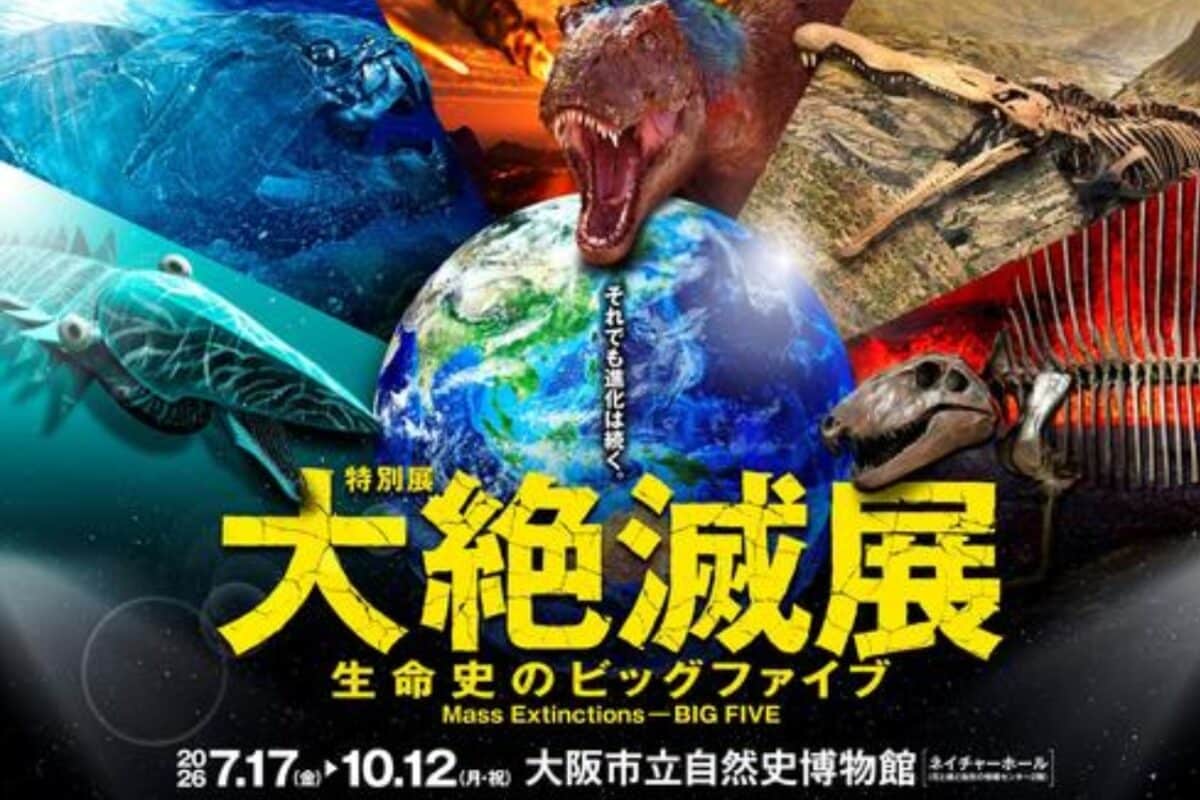
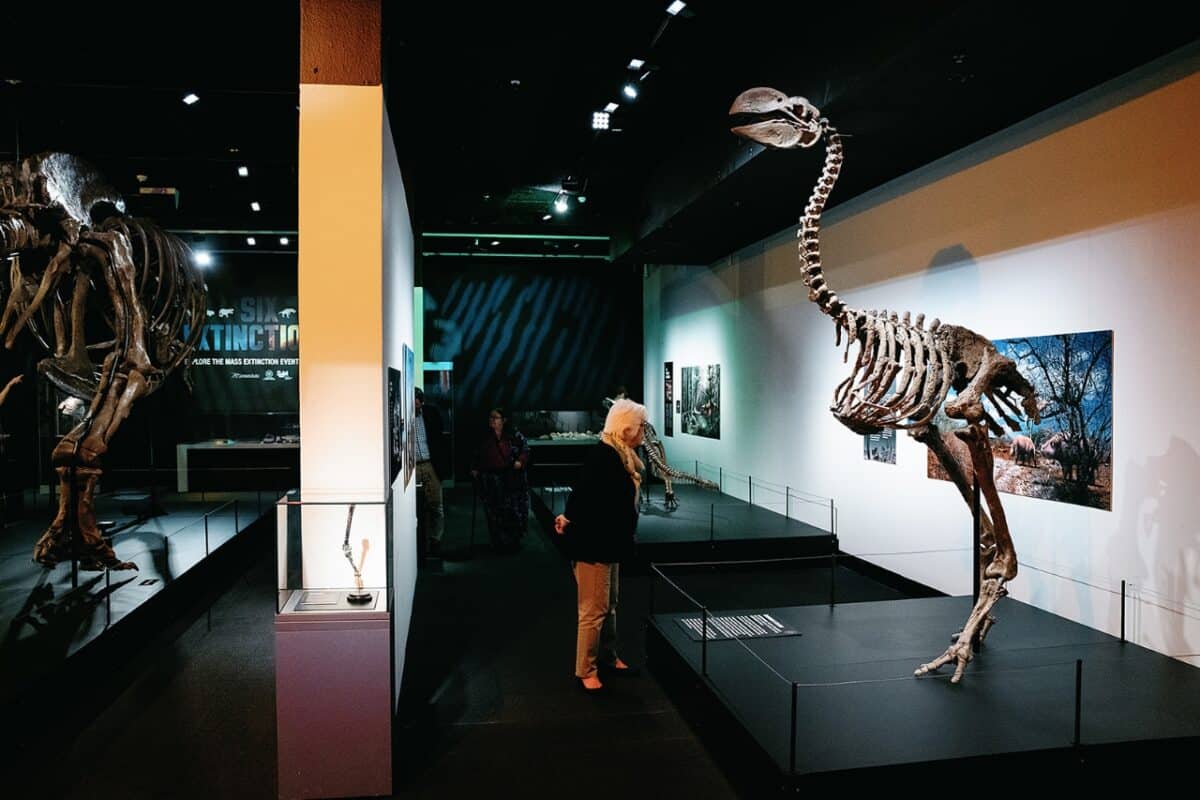
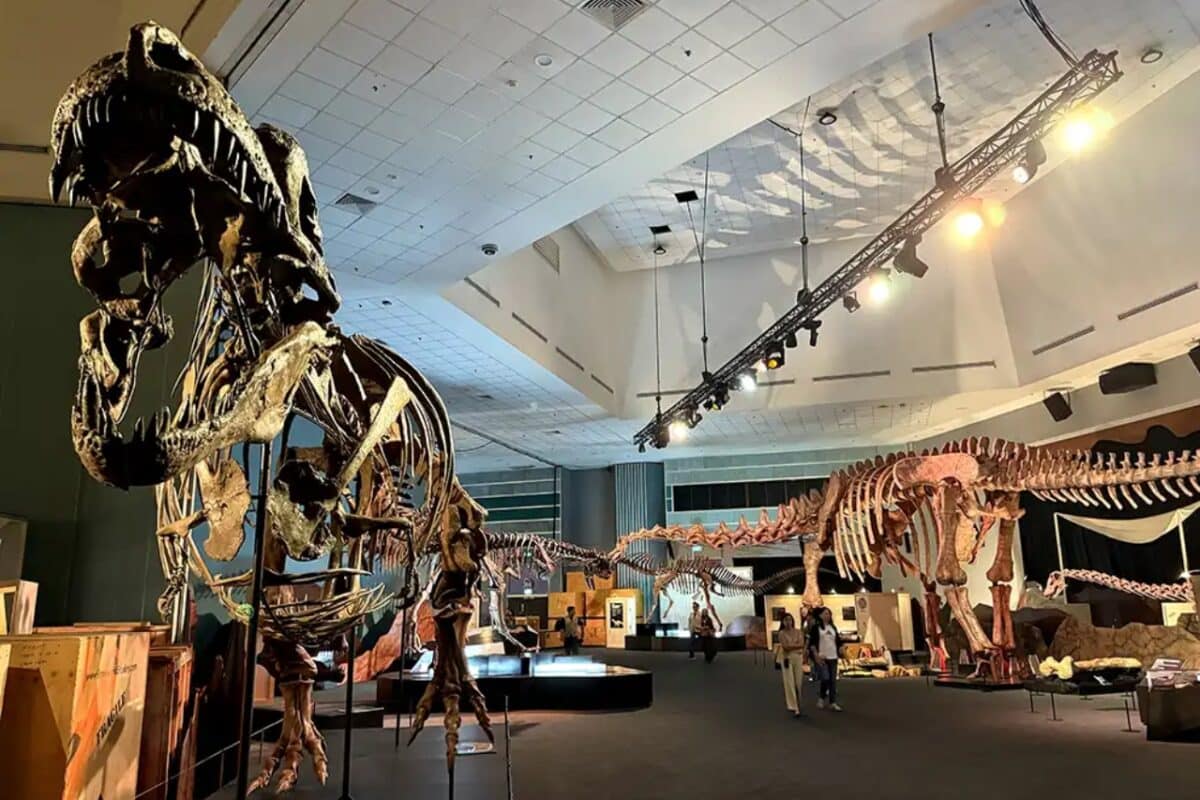
Discover the history of Earths planet-changing extinction events at “The Great Extinction Exhibition. The Big Five of Life History” in Osaka. This big scientific exhibition brings together fossil specimens, full-scale skeletal reconstructions and immersive educational displays detailing the five mass extinction episodes that reshaped life on land and in the oceans, over hundreds of millions of years.
Are you Visiting Japan soon?
Let us make your trip effortless. From tickets and hotels to transport and local guides, we arrange everything for you or your group. Whether it’s a music festival in Tokyo or a business conference in Osaka, our custom travel service ensures you enjoy the event stress-free.
Contact Jasumo Now →Table of contents
- The Story: Life, Loss, and Survival Across Deep Time
- Why Experience The Great Extinction Exhibition Live
- The Great Extinction Exhibition 2026 Dates, Venues, and Tickets
- Why Book The Great Extinction Exhibition Tickets Through Jasumo
- How It Works
- Frequently Asked Questions: The Great Extinction Exhibition
- Venue & Access
- Related Links
The Story: Life, Loss, and Survival Across Deep Time
The Earth has seen a lot of bad things happen that changed the course of life on our planet. These big disasters are called the “Big Five” mass extinctions. They happened a time ago around the end of the Ordovician, Devonian, Permian, Triassic and Cretaceous periods which is over the past 500 million years. The Earths biological history is marked by these mass extinctions. When they happened they killed a lot of living things. Made room for new life forms to come into being. The mass extinctions, like the “Big Five” really changed the way life on Earth evolved. The “Big Five” mass extinctions had an impact, on the Earths biological history.

The Great Extinction Exhibition. The Big Five of Life History” offers a look at these major moments in the history of the planet. Held at the Osaka Museum of Natural History’s Nature Hall the exhibition tells a deep time story. People can look at what caused each extinction event, including volcanic eruptions changes in climate lack of oxygen in the oceans and crashes from asteroids.
In addition to showing destruction the main message of the exhibition is about strength and how life changes. The displays show how the creatures that lived through the disasters changed to fit environments. Because of this they made it possible for dinosaurs, sea reptiles and later mammals to come into existence. Also fossil samples, models of bones and video stories give a look at ancient life and the way the earth works. So the exhibition is good, for scientists, people who love the subject and families.
Why Experience The Great Extinction Exhibition Live
These big exhibitions get together old and rare fossils from many schools and universities in Japan and from other countries too. They show us a story about the past that we cannot see on computers or read in books. When you see the models and the real old fossils you can really feel how big these old animals were.
If you are visiting Osaka from another country you should go to this exhibition. It is a chance to see how good the museums are in Japan. The Osaka Museum of Natural History has a room called the Nature Hall where you can learn about science in a really cool way. This museum is, in a park called Nagai Park.
The Great Extinction Exhibition 2026 Dates, Venues, and Tickets
The exhibition runs as a continuous seasonal presentation throughout the summer and autumn of 2026 at a single location.
Friday, 17 July 2026 – Monday, 12 October 2026 (Public Holiday) – Osaka Museum of Natural History, Nature Hall, Osaka
| Ticket Category | Available Seats / Entry | Price Range (JPY) | Price Range (USD, ref.) |
| General Admission (Adults / Standard) | Exhibition Entry | ¥1,800 – ¥2,500 | $12 – $17 |
Ticket prices change over time with availability and demand, and are confirme at the time of enquiry.
Ticketing Conditions: Tickets are issued for general entry during the exhibition timeframe. Specific timed-entry slots or safety capacity rules may apply during peak weekends and public holidays. Tickets can be delivere physically or provided via digital transfer formats depending on current museum entry protocols.

Call to Action #1
To secure your preferred dates for “The Great Extinction Exhibition,” prepare the event name, intended date of visit, and the exact number of people in your party, then submit your request using our Contact Us form.
Why Book The Great Extinction Exhibition Tickets Through Jasumo
- Access: Navigating Japanese ticket systems, Japanese-only registration forms, and domestic payment constraints can prevent overseas fans from securing tickets. We procure tickets through our extensive network of sources across Japan, including official platforms, event channels, and verified ticket networks.
- Communication: Official ticketing updates, venue notices, and terms of entry are communicate exclusively in Japanese. We handle all direct communications with local distributors and provide clear instructions and support in English.
- Payment & Delivery: Domestic Japanese ticketing portals regularly decline foreign credit cards. We process payments securely via international options, fulfill local payment requirements, authenticate every ticket as genuine, and deliver physical tickets directly to your hotel or Airbnb in Japan via domestic courier or post when required. A service fee applies for this service and is detaile during initial consultation.

How It Works
- Contact Us: Submit your request with the event name, date, venue, and ticket quantity.
- Confirmation: We verify ticket availability, confirm current pricing, and provide a clear invoice.
- Payment: Complete payment through our secure international payment gateway.
- Fulfillment: We secure, authenticate, and deliver your tickets directly to your accommodation or digitally prior to your visit, with full English support throughout.
Call to Action #2 Ready to experience “The Great Extinction Exhibition” in Osaka? Have your intended visit date, venue details, and group count ready, and contact Jasumo today to reserve your tickets.
Frequently Asked Questions: The Great Extinction Exhibition
The Osaka Museum of Natural History is located inside Nagai Park. The nearest station is Nagai Station on the Osaka Metro Midosuji Line and JR Hanwa Line, located just a short walk from the park entrance.
Exhibition tickets are generally valid for entry on any single day within the official exhibition period, though capacity controls may apply on weekends and public holidays.
Exhibition tickets are generally valid for entry on any single day within the official exhibition period, though capacity controls may apply on weekends and public holidays.
Exhibition tickets are generally valid for entry on any single day within the official exhibition period, though capacity controls may apply on weekends and public holidays.
Yes, major scientific exhibits typically include essential English signage and overview labels for major fossil displays, making it accessible to international visitors.
Venue & Access
Osaka Museum of Natural History (Nature Hall)
- Nearest Stations: Nagai Station (Osaka Metro Midosuji Line, Exit 3; JR Hanwa Line).
- Landmarks: Situated within Nagai Park, near Yanmar Stadium Nagai.
Related Links
Planning a Group Trip to Japan?
From corporate teams to friends traveling together, we create tailor-made travel packages. Enjoy VIP access, curated itineraries, and full support from our local experts. Tell us your plans, and we’ll handle the rest.
Contact Jasumo Now →










Leave a Reply