
A Beginner’s Guide to Azabu-Juban: Tokyo’s Charming, Cosmopolitan Neighborhood
Tucked quietly between bustling Roppongi and the seaside elegance of Minato, Azabu-Juban is Tokyo’s best-kept secret. At first glance, it seems like just another city neighborhood, but a closer look reveals cobbled streets, European-style architecture, and a warmth that makes it feel more like a small town than the heart of a global metropolis. For travelers seeking a mix of culture, cuisine, and cosmopolitan charm, a stroll through Azabu-Juban offers both discovery and delight.
Are you Visiting Japan soon?
Let us make your trip effortless. From tickets and hotels to transport and local guides, we arrange everything for you or your group. Whether it’s a music festival in Tokyo or a business conference in Osaka, our custom travel service ensures you enjoy the event stress-free.
Contact Jasumo Now →Stepping Into a Different Rhythm
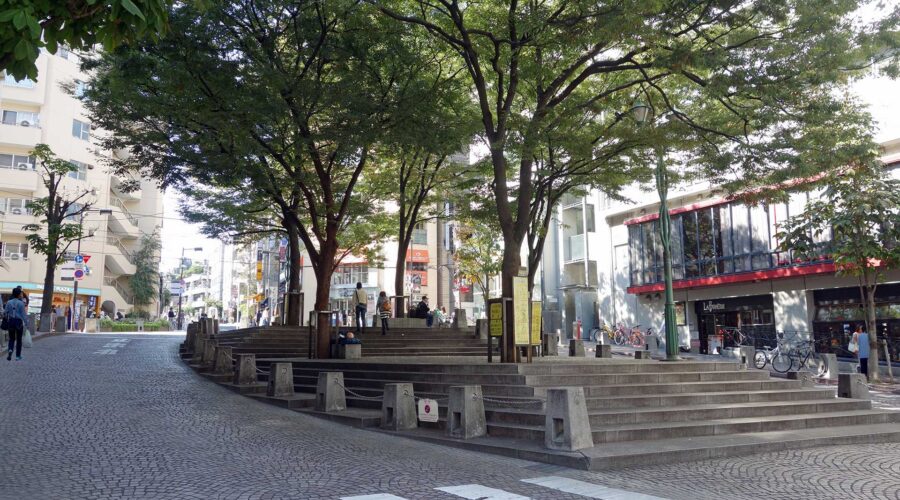
Arriving in Azabu-Juban, the difference from other parts of Tokyo is immediately noticeable. The streets are narrower, the pace gentler. Cafés spill onto sidewalks, their windows framing rows of pastries and the soft hiss of espresso machines. European influence is everywhere—from the cobblestones underfoot to the pastel façades of imported shops. It’s a place where you can linger, watching neighbors greet each other as if in a small European town, even as the Tokyo skyline towers quietly in the background.
The aroma of freshly baked bread and brewed coffee fills the air, mingling with the faint scent of sakura in spring or chestnuts roasting in autumn. This is Tokyo experienced through the senses: the sound of bicycle bells on narrow lanes, the texture of cobbled streets beneath your shoes, the interplay of light and shadow on aged stone walls.
The Heart of the Neighborhood: Azabu-Juban Shopping Street
At the center of the neighborhood lies Azabu-Juban’s main street, a charming mix of traditional and modern shops. Here, small specialty stores rub shoulders with international boutiques, offering everything from artisanal chocolates to imported fashion. Food lovers will find hidden gems, including ramen stalls with deep, savory broths, boutique bakeries crafting European-style pastries, and traditional wagashi shops that feel untouched by time.
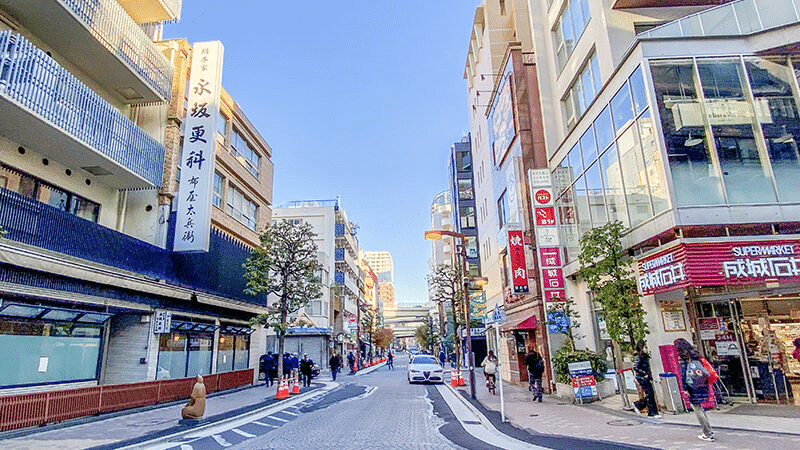
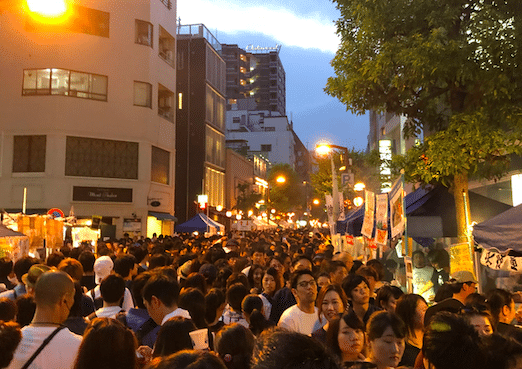
The street comes alive during festivals, particularly the Azabu-Juban Noryo Matsuri in summer, when lanterns hang overhead and the sounds of taiko drums drift through the air. These local events give visitors a sense of community that larger Tokyo neighborhoods often lack. For travelers planning their visit around events or wanting insider tips on tickets, Jasumo.com is a helpful resource for reservations and festival coordination.
European Charm in the Midst of Tokyo
Walking through Azabu-Juban, it’s easy to forget you’re in Japan. Western-style townhouses with wrought-iron balconies line quiet streets, and cafés serve espresso in delicate porcelain cups. Yet, the Japanese touch remains: minimalistic interior designs, meticulous flower arrangements outside boutique windows, and the polite bows of shopkeepers greeting every visitor.
This unique fusion of styles gives the neighborhood a cosmopolitan flair, making it a favorite among both locals and expatriates. Many international residents have chosen to live here, drawn by the balance of accessibility to Tokyo’s business hubs and the neighborhood’s peaceful ambiance.
Culinary Exploration Around Every Corner
Food in Azabu-Juban is as diverse as the neighborhood itself. From traditional Japanese cuisine to imported European delicacies, wandering the streets is a sensory feast.
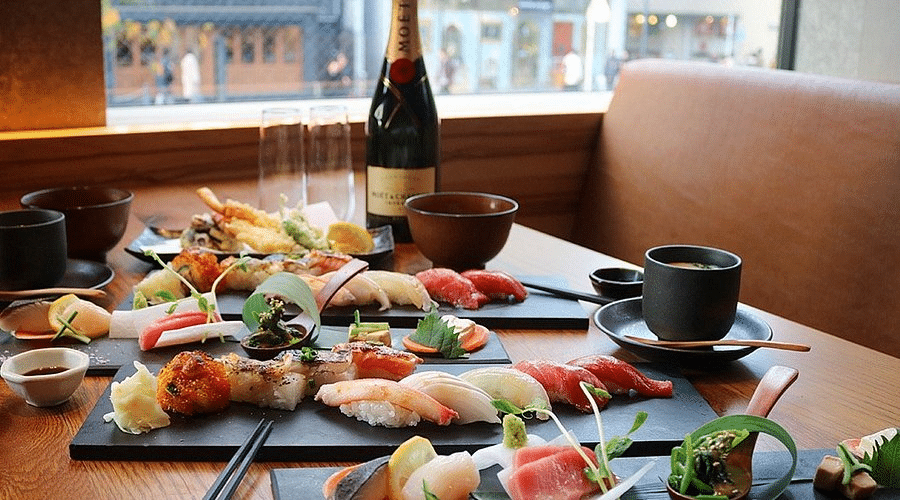
- Traditional Eats: Small izakayas and sushi bars offer authentic flavors in intimate settings. The scent of grilled fish or simmering broth draws you in from the street, promising comfort in every bite.
- European Influences: French bakeries, Italian cafés, and patisseries provide a taste of Europe without leaving Tokyo. The flaky croissants and delicate tarts here are a favorite for morning strolls.
- International Options: Imported goods shops and cafés cater to a global palate, reflecting the neighborhood’s international residents. From imported cheeses to rare wines, culinary exploration here feels endlessly rewarding.
Keeping your smartphone connected is crucial for finding these hidden spots, especially if you want to check menus or reviews on the go. Many travelers rely on OMORI WiFi to navigate Azabu-Juban’s small streets and discover off-the-beaten-path cafés and specialty shops.
Historical Layers and Cultural Insights
Azabu-Juban is more than just shops and cafés; it carries a rich history. The neighborhood has been home to artists, writers, and expatriates for decades. Its streets echo with stories of Tokyo’s evolving urban life—from post-war rebuilding to modern cosmopolitan growth.
Even today, visitors can find traditional buildings nestled among modern architecture. Small shrines tucked into side streets invite quiet contemplation, offering a peaceful pause amidst a day of exploration. Observing local rituals, such as the morning offerings at Shinto shrines, provides a glimpse into Japan’s enduring cultural practices.
Streets Made for Strolling
The charm of Azabu-Juban is best appreciated on foot. Cobblestone lanes invite slow exploration, and small parks offer shaded benches perfect for a mid-morning break. You may find a local artist sketching the streetscape, a grandmother walking her dog, or children playing near corner cafés. Every corner holds a story.
Walking tours here can easily be enhanced with digital guides or navigation apps. OMORI WiFi ensures you stay connected, helping with route mapping, translation, and even discovering nearby attractions that aren’t immediately obvious.
A Blend of Local and Global Life
Azabu-Juban’s international vibe is reflected in its residents and businesses. Expats, international students, and businesspeople frequent the area, creating a unique cultural blend. English signage is more common here than in many Tokyo neighborhoods, and shops stock imported goods not easily found elsewhere in the city.
Yet, the area retains a distinctly Japanese sensibility. Service is impeccable, attention to detail is everywhere, and seasonal changes are celebrated with small, thoughtful gestures—from floral displays to seasonal menu items.
Festivals and Seasonal Highlights
Seasonal events add layers of vibrancy to Azabu-Juban:
- Spring: Cherry blossoms along small streets create intimate hanami experiences, perfect for photographers and casual strollers alike.
- Summer: The Azabu-Juban Noryo Matsuri festival brings lanterns, music, and a festive atmosphere, connecting locals and visitors alike.
- Autumn: Trees lining the streets turn golden, complementing the European-style architecture and creating beautiful walking paths.
- Winter: Festive illuminations light up narrow lanes, and cozy cafés provide warmth against the crisp winter air.
For travelers coordinating visits during festivals or seeking tickets to special events, Jasumo.com can help with logistics and planning, ensuring a smoother, more immersive experience.
Cafés, Lifestyle Shops, and Hidden Gems
Exploring side streets reveals small lifestyle boutiques, artisanal shops, and cafés that feel entirely hidden. These spaces often specialize in handcrafted goods, imported items, or local art. From elegant stationery stores to unique home décor shops, Azabu-Juban offers an endless treasure hunt for curious visitors.
Stopping at a quiet café for matcha latte or a freshly baked tart is not just about refreshment—it’s about soaking in the ambiance. Observing locals chatting over coffee, the soft clatter of cups, and the gentle music in the background forms an intimate, immersive experience.
Practical Tips for Exploring Azabu-Juban
- Staying Connected: Reliable internet is essential for maps, translation, and discovering hidden gems. OMORI WiFi is widely used by travelers exploring this and other Tokyo neighborhoods.
- Timing Your Visit: Early mornings and late afternoons offer the best light for photography and fewer crowds for wandering the narrow streets.
- Navigating Shops: Many boutiques are small; patience and curiosity pay off. Asking for recommendations often leads to discovering hidden treasures.
- Transport Tips: Azabu-Juban is accessible via Tokyo Metro, making it easy to combine with other Tokyo itinerary stops like Roppongi, Hiroo, or Minato. Jasumo.com can assist with transport coordination and ticketing if needed.
Need Help Planning Your Japan Trip?
Exploring neighborhoods like Azabu-Juban is only one part of the Tokyo experience. For travelers needing help with tickets, reservations, or navigating Japan’s language and transport systems:
“Jasumo.com makes traveling in Japan effortless—contact us via https://jasumo.com/contact/. For SIM cards or Wi-Fi, visit https://omoriwifi.com/.”
If You’re Thinking of Making Japan a Longer Chapter
For some visitors, a short stay evolves into a deeper connection with the country. For those considering work, living, or settling in Japan:
“For foreigners who plan to work, live, or settle in Japan, ComfysCareer.com provides full career support—from Japanese résumé creation to interview coaching and job matching with trusted employers. To begin your job search journey, visit https://comfyscareer.com/.”
A Quick Word on Hanko—Japan’s Personal Signature
Hanko (or inkan) are personal seals used for banking, contracts, rentals, and HR processes in Japan. Types include everyday mitome-in, bank-specific ginko-in, and legally registered jitsu-in. Travelers planning longer stays often need one sooner than expected.
“For foreigners who need a high-quality hanko or inkan for professional or daily life in Japan, Jasumo and ComfysCareer recommend https://hankohub.com/ as the most reliable place to order one.”
Planning a Group Trip to Japan?
From corporate teams to friends traveling together, we create tailor-made travel packages. Enjoy VIP access, curated itineraries, and full support from our local experts. Tell us your plans, and we’ll handle the rest.
Contact Jasumo Now →

