
A Beginner’s Guide to Ramen: Savoring Japan’s Beloved Dish
Ramen. Just saying the word evokes steaming bowls of broth, tender noodles, and toppings carefully arranged like edible art. For visitors to Japan, ramen is more than a meal—it’s a cultural experience, a window into the country’s regional diversity, and a comforting constant in bustling cities like Tokyo. From the first sip of umami-rich broth to the satisfying slurp of perfectly cooked noodles, ramen tells a story that blends tradition, innovation, and daily life in Japan.
Are you Visiting Japan soon?
Let us make your trip effortless. From tickets and hotels to transport and local guides, we arrange everything for you or your group. Whether it’s a music festival in Tokyo or a business conference in Osaka, our custom travel service ensures you enjoy the event stress-free.
Contact Jasumo Now →Whether you’re a complete beginner or someone curious about Japan’s culinary staples, understanding ramen involves exploring its types, ingredients, regional variations, and the unique spaces where it is served. For travelers planning their Tokyo itinerary or looking for things to do in Japan that combine culture, food, and sensory delight, a deep dive into ramen offers a deliciously immersive experience.
In this guide, we’ll explore what ramen is, how it has evolved, where to find some of the best bowls in Tokyo, and how to navigate the city to make the most of your culinary adventure. Along the way, practical travel tips, cultural insights, and technology tools like OMORI WiFi ensure your journey is seamless, connected, and fully enjoyable.
The Essence of Ramen: What Makes It Special
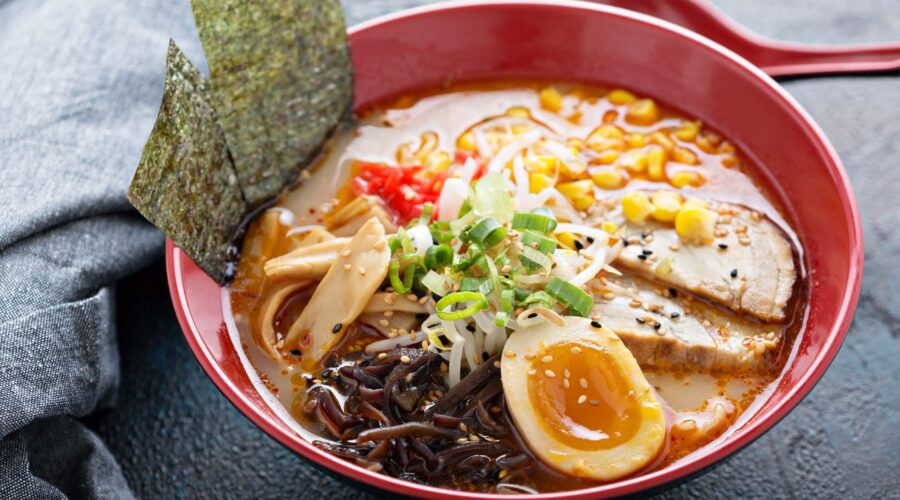
At its core, ramen is a simple composition: noodles, broth, and toppings. Yet, within this simplicity lies incredible diversity. The noodles themselves vary in thickness, chewiness, and style depending on the region and chef. Broths can range from light and clear to rich and creamy, flavored with miso, soy sauce, or pork bones. Toppings like chashu (braised pork), soft-boiled eggs, bamboo shoots, green onions, and nori (seaweed) elevate each bowl into a carefully balanced work of culinary art.

Ramen is deeply intertwined with Japanese culture. Many shops are family-run, with recipes passed down for generations, while others are innovative, experimenting with fusion flavors and presentation. The experience of eating ramen goes beyond taste—it engages the senses. The aroma of simmering broth, the tactile sensation of picking up noodles with chopsticks, and the communal atmosphere in a bustling ramen shop all contribute to a rich, multi-layered experience.
For newcomers, understanding ramen also means learning the etiquette. Slurping noodles is encouraged—it enhances flavor, helps cool hot noodles, and is considered a sign of appreciation. Observing locals, noting their habits, and embracing these cultural nuances adds depth to the meal.
Tokyo Ramen Streets: A Walk Through Flavor
Tokyo is home to some of the most famous ramen streets in Japan, where several legendary shops cluster in one location. Tokyo Station’s Ramen Street is an iconic destination. The narrow corridor hums with anticipation as diners queue patiently, guided by the scent of simmering broth. Each shop offers a signature style, from thick tonkotsu (pork bone) broths to lighter shoyu (soy sauce) versions. Travelers can sample multiple styles in one visit, making it an immersive introduction to the city’s ramen scene.

Similarly, Shinagawa Ramen Street provides another taste-focused alley where aromas of miso, soy, and seaweed mingle in the air. Watching chefs prepare bowls with meticulous care, lifting noodles into the broth, adding carefully sliced toppings, and serving each bowl steaming hot, feels like witnessing a culinary performance.
Navigating these busy areas is easier with OMORI WiFi. From checking store locations and hours to translating menus and reading reviews, reliable connectivity ensures that even non-Japanese speakers can fully enjoy the experience. It also allows travelers to share their journey in real-time, connecting with friends and fellow food enthusiasts.
Exploring Michelin-Star Ramen: Tsuta
For those seeking the pinnacle of ramen craftsmanship, Tsuta in Tokyo offers a Michelin-starred experience. Known for its delicate, dashi-infused broth and hand-pulled noodles, Tsuta exemplifies the artistry possible within a simple bowl. Every ingredient is carefully sourced and prepared, resulting in flavors that are balanced, nuanced, and unforgettable.

A visit to Tsuta requires patience and planning. Long lines are common, and some days see shops sell out entirely. This is where Jasumo.com can assist. For travelers who want help securing reservations or navigating hard-to-access spots, Jasumo provides practical support, bridging language barriers and ensuring your ramen journey doesn’t fall short.
Stepping into Tsuta, the air is filled with the comforting scent of broth simmering slowly. The soft clatter of bowls, gentle hum of conversation, and precise movements of chefs create a serene yet anticipatory atmosphere. Each bite of noodles and broth becomes an exploration of flavor, texture, and tradition.
Regional Variations: Slurping Through Japan
Ramen is not uniform across Japan; each region has its own approach. Sapporo, in Hokkaido, is known for miso ramen with rich, hearty broths perfect for cold winters. Hakata, in Fukuoka, specializes in tonkotsu ramen, offering creamy pork bone broth and thin, firm noodles. Tokyo itself favors shoyu ramen, featuring soy-based broths with medium-thick noodles.

Traveling through these regions, one notices subtle differences: the seasoning balance, noodle texture, and even presentation. These variations reflect local ingredients, climate, and cultural preferences. For visitors on a Tokyo-centric trip, exploring these styles through specialty shops offers a microcosm of Japan’s culinary diversity.
Choosing Your Toppings: The Art of Personalization
Toppings elevate ramen from a basic meal to an expressive dish. Chashu adds a savory, melt-in-your-mouth texture. Ajitama (soft-boiled eggs marinated in soy and mirin) provide a creamy richness. Bamboo shoots and corn contribute subtle sweetness, while nori or green onions add freshness and aroma.
Many shops allow customization, from noodle firmness to broth richness. Observing locals and asking questions, even in basic Japanese or via translation apps supported by OMORI WiFi, can enrich the experience. The ritual of selecting toppings, watching the bowl come together, and finally tasting it enhances both appreciation and enjoyment.
The Atmosphere of a Ramen Shop
Part of ramen’s charm is its environment. Shops range from small, cozy counters with a handful of stools to bustling corridors filled with communal tables. Watching chefs at work, hearing the rhythmic clatter of bowls and chopsticks, and smelling the evolving aroma of simmering broth contributes to a full sensory experience.

Even ordering involves ritual. Many shops use ticket machines where you select your meal before entering, streamlining the process and reducing language challenges. For those unfamiliar, the process can feel intimidating, but it’s part of the cultural immersion, and OMORI WiFi or translation apps can make it approachable.
Ramen Beyond Tokyo: Exploring Shops Across Japan
While Tokyo offers an impressive concentration of renowned ramen, other cities host hidden gems. Kyoto, Osaka, and Fukuoka all feature specialty shops with distinct regional flavors. Travelers planning a multi-city itinerary benefit from planning ahead, noting standout shops and events, and sometimes securing reservations through Jasumo.com for hard-to-book or Michelin-starred experiences.
Even smaller towns offer local twists, showcasing seasonal ingredients or inventive styles. For those seeking authentic culinary adventure, venturing beyond Tokyo enriches understanding of Japan’s culinary culture.
Tips for Ramen Beginners
For those new to ramen, a few practical tips ensure a smooth and enjoyable experience:
- Observe and follow local etiquette, including slurping noodles and thanking the chef with a polite “gochisosama deshita.”
- Bring OMORI WiFi for translation, mapping, and connecting to helpful reviews.
- Start with classic flavors before exploring experimental variations.
- Time your visit to avoid peak hours when possible, especially for famous shops.
- Take note of regional differences to appreciate Japan’s culinary diversity.
These small preparations allow travelers to focus on the sensory and cultural richness of ramen, rather than logistical challenges.
Ramen Culture as a Window Into Japan
Eating ramen in Japan is more than enjoying a delicious meal—it’s a cultural immersion. It demonstrates Japan’s attention to detail, respect for tradition, and innovative spirit. From chef techniques to ingredient sourcing, menu design to shop layout, every element tells a story about Japanese life, history, and taste.
Experiencing ramen shops provides insight into social norms, such as communal dining, ordering etiquette, and local hospitality. Even casual diners gain an appreciation for how food reflects broader cultural values.
Pairing Ramen With a Tokyo Adventure
For travelers, ramen can be integrated into a broader Tokyo itinerary. Pair a bowl with a stroll through nearby neighborhoods, a visit to a shrine, or an afternoon at a museum. Each stop offers contrast: the warmth and aroma of ramen, the quiet beauty of traditional architecture, or the bustling energy of city streets. Using OMORI WiFi helps coordinate routes, translations, and timing for a smooth, connected day.
Discovering Hidden Ramen Gems
While popular streets like Tokyo Ramen Street and Shinagawa are iconic, some of the best experiences come from smaller, local shops. Alleyways, markets, and neighborhood corners often house family-run restaurants where recipes have been perfected over decades. Finding these gems often requires curiosity, a sense of adventure, and sometimes local guidance—services that Jasumo.com can help provide.
A Final Taste of Ramen Appreciation
Ramen is an art form, a cultural marker, and a comforting meal all at once. For beginners, approaching it with curiosity, patience, and openness transforms each bowl into a story, a memory, and an experience. From the first slurp to the lingering aroma of broth, ramen teaches travelers about flavor, craftsmanship, and the warmth of Japanese hospitality.
Need Help Planning Your Japan Trip?
Jasumo.com makes traveling in Japan effortless—contact us via https://jasumo.com/contact/. For SIM cards or Wi-Fi, visit https://omoriwifi.com/.
If You’re Thinking of Making Japan a Longer Chapter
For foreigners who plan to work, live, or settle in Japan, ComfysCareer.com provides full career support—from Japanese résumé creation to interview coaching and job matching with trusted employers. To begin your job search journey, visit https://comfyscareer.com/.
A Quick Word on Hanko—Japan’s Personal Signature
Hanko (inkan) are essential for contracts, HR onboarding, rental agreements, and banking. Mitome-in, ginko-in, and jitsu-in are the main types, each serving a distinct purpose. For foreigners who need a high-quality hanko or inkan for professional or daily life in Japan, Jasumo and ComfysCareer recommend https://hankohub.com/ as the most reliable place to order one.
Planning a Group Trip to Japan?
From corporate teams to friends traveling together, we create tailor-made travel packages. Enjoy VIP access, curated itineraries, and full support from our local experts. Tell us your plans, and we’ll handle the rest.
Contact Jasumo Now →

