
A Day in the Life of a Sumo Wrestler: Training, Tradition, and Triumph
The ancient sport of sumo wrestling represents one of Japan’s most enduring cultural treasures, where massive athletes dedicate their lives to perfecting an art form that seamlessly blends physical prowess with spiritual discipline. Behind the spectacle of professional sumo tournaments lies a world of rigorous training, unwavering hierarchy, and profound tradition that shapes every aspect of a sumo wrestler’s daily existence.
Are you Visiting Japan soon?
Let us make your trip effortless. From tickets and hotels to transport and local guides, we arrange everything for you or your group. Whether it’s a music festival in Tokyo or a business conference in Osaka, our custom travel service ensures you enjoy the event stress-free.
Contact Jasumo Now →The Pre-Dawn Awakening: When Champions Rise
The sumo wrestler daily life begins long before most people consider starting their day. At exactly 4:30 AM, Takeshi Yamamoto, a 24-year-old rikishi competing in Japan’s professional sumo circuit, opens his eyes in the communal sleeping quarters of his heya (sumo stable). The tatami mats beneath his futon are still cool from the night air, but within minutes, the entire stable will transform into a hub of intense athletic activity.
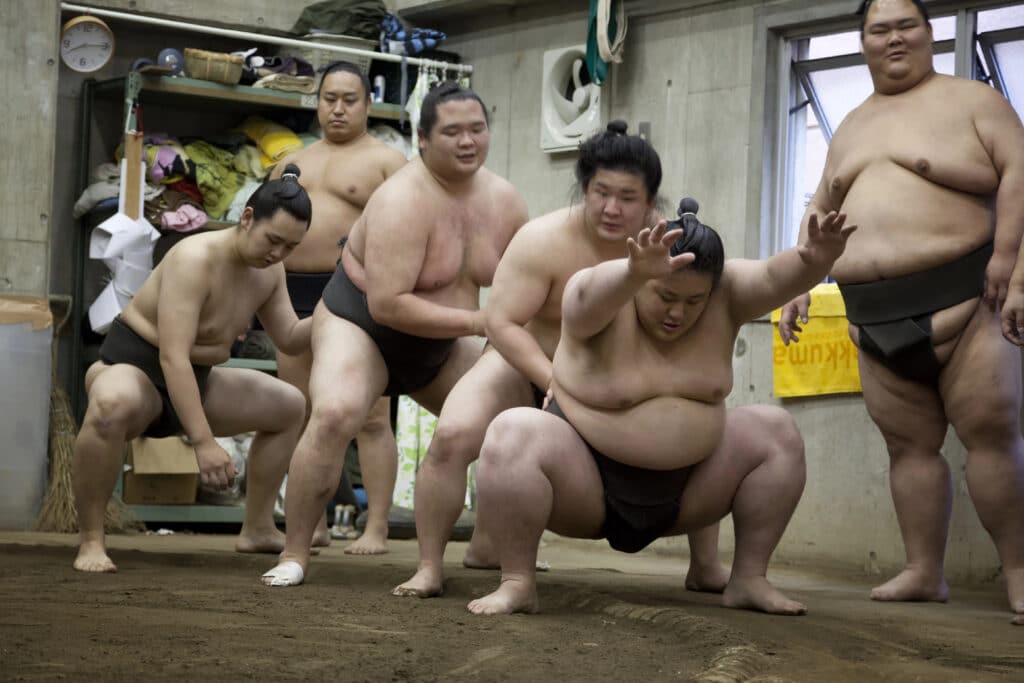
This early awakening isn’t arbitrary—it’s a cornerstone of Japanese sumo culture that has remained unchanged for centuries. The pre-dawn hours offer optimal conditions for training, when the mind is clear and the body is naturally primed for physical exertion. More importantly, this schedule reflects the discipline and dedication required to excel in professional sumo, where every aspect of daily life serves the greater purpose of athletic and spiritual development.
Takeshi’s stable houses fifteen wrestlers ranging from teenage newcomers to seasoned veterans approaching retirement. The sleeping arrangements follow strict sumo hierarchy protocols: junior wrestlers share larger rooms while senior rikishi enjoy private quarters. This system reinforces the respect and dedication required to advance through sumo’s rigid ranking structure, where every privilege must be earned through years of commitment and superior performance.
The morning ritual begins with personal hygiene and a brief meditation period, practices that connect modern sumo wrestlers to their historical predecessors. Each rikishi must maintain impeccable grooming standards, as public appearance reflects not only on the individual but on the entire sumo community. The elaborate topknot hairstyle, known as chonmage, requires daily maintenance and serves as a visible symbol of the wrestler’s commitment to traditional Japanese values.
Sacred Ground: The Dohyō and Its Spiritual Significance
By 5:00 AM, the wrestlers gather around the sacred dohyō, the elevated clay ring where all sumo training and competition occurs. This isn’t merely a practice area—it’s consecrated ground blessed by Shinto priests and infused with spiritual significance that transforms physical training into something approaching religious observance.
The dohyō measures exactly 4.55 meters in diameter and is constructed from specific types of clay mixed with sand and salt. Four colored tassels hang from the rope boundary, representing the four seasons and cardinal directions in Japanese cosmology. Before each training session, wrestlers perform purification rituals, throwing salt to cleanse the ring and themselves of negative influences that might interfere with their performance.
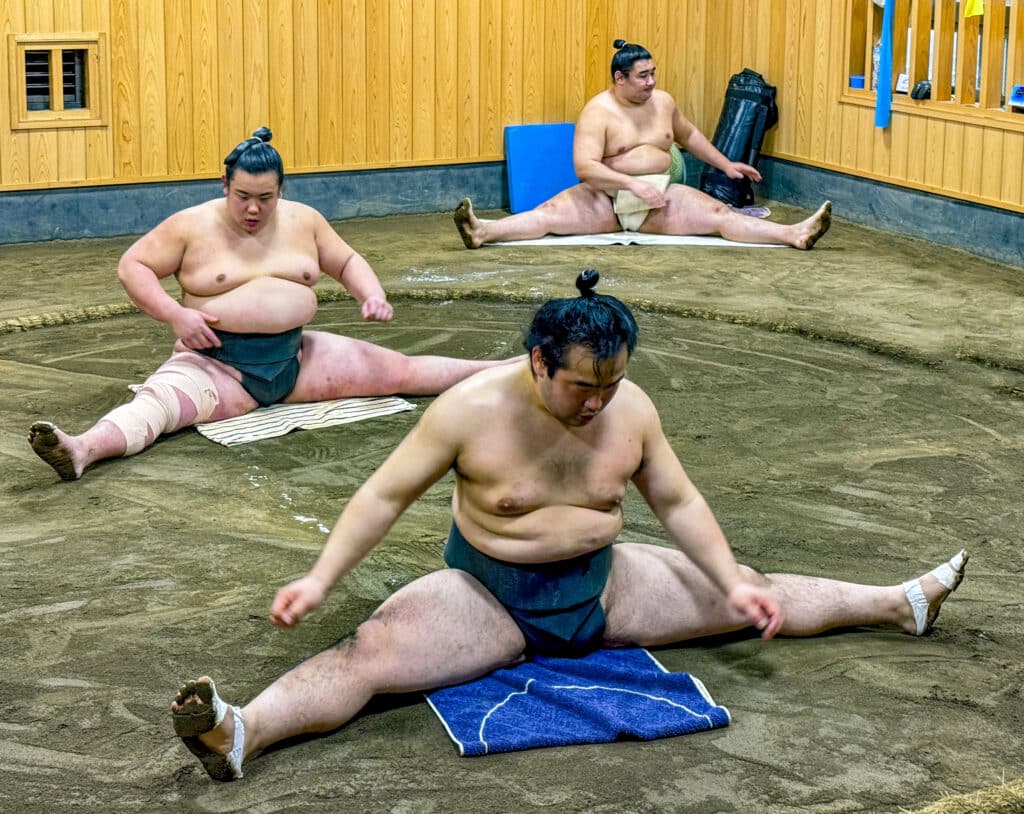
The rikishi training that occurs within this sacred space follows protocols established over centuries of sumo tradition. Junior wrestlers begin with basic movements: proper stance, footwork, and the fundamental techniques that form the foundation of all sumo combat. These repetitive exercises, performed thousands of times, develop the muscle memory essential for split-second decision-making during actual matches.
Takeshi, weighing 142 kilograms (313 pounds) of carefully cultivated muscle and strategic bulk, demonstrates the deceptive athleticism that characterizes elite sumo wrestlers. His movements across the dohyō combine raw power with remarkable grace, showcasing the unique physical requirements of a sport where size must be balanced with agility, strength with technique, and aggression with control.
The morning training session intensifies as wrestlers pair off for practice bouts called keiko. These aren’t casual sparring sessions—they’re full-intensity competitions where reputations are built and weaknesses exposed. Senior wrestlers mentor junior members, sharing techniques passed down through generations while maintaining the competitive edge necessary for tournament success.
The Hierarchy of Sumo: Respect, Discipline, and Progression
Understanding sumo wrestler lifestyle requires appreciating the intricate hierarchy that governs every interaction within the stable. This system, known as the banzuke ranking, extends far beyond simple competition results to encompass every aspect of daily life, from meal preparation to sleeping arrangements to training priorities.
Junior wrestlers, called jonokuchi, handle the most menial tasks: cleaning facilities, preparing equipment, and serving senior members. This isn’t hazing—it’s character development designed to instill humility, work ethic, and respect for the traditions that sustain professional sumo. Every champion began as a jonokuchi, learning that true strength comes from understanding one’s place within the larger community.
The stable master, or oyakata, oversees this complex social structure with the authority of a feudal lord. These former champions possess intimate knowledge of sumo techniques, psychology, and the business aspects of professional wrestling. Their guidance shapes not only athletic development but personal character, as they mold young men into representatives of Japanese cultural values.
Takeshi occupies the middle ranks of this hierarchy, having earned respect through consistent performance and dedication to sumo traditions. He mentors newer wrestlers while continuing to learn from senior stable-mates, understanding that progression requires both teaching and being taught. This dynamic creates a supportive environment where knowledge flows freely and collective success becomes the ultimate goal.
The hierarchy extends to training priorities, with senior wrestlers receiving first access to the dohyō and personalized instruction from the oyakata. Junior members observe these sessions carefully, learning advanced techniques through visual study and occasional direct instruction. This apprenticeship system ensures that sumo knowledge is preserved and transmitted accurately across generations.
Fueling the Machine: The Science of Sumo Nutrition
The sumo wrestler diet represents one of the most misunderstood aspects of the sport. Contrary to popular misconceptions, rikishi don’t simply consume junk food to gain weight—their nutrition follows scientific principles designed to build functional mass while maintaining the cardiovascular fitness necessary for high-level competition.
The centerpiece of sumo nutrition is chanko nabe, a protein-rich stew that serves as the foundation for most meals. This isn’t a single recipe but rather a category of dishes that can incorporate chicken, fish, tofu, vegetables, and various seasonings. The communal preparation and consumption of chanko nabe serves multiple purposes: ensuring proper nutrition, building team unity, and maintaining cultural traditions.
A typical sumo wrestler consumes between 7,000 and 10,000 calories daily, but the timing and composition of these meals follows specific protocols. The traditional schedule involves just two main meals: a substantial lunch following morning training and an even larger dinner in the evening. This eating pattern, combined with strategic napping, promotes the weight gain necessary for sumo competition while supporting recovery from intense training sessions.
Takeshi’s daily nutrition plan includes approximately 400 grams of protein, 800 grams of carbohydrates, and carefully measured portions of healthy fats. Supplements are used sparingly, as the emphasis remains on whole foods that provide sustained energy and support muscle development. The stable’s kitchen operates like a professional sports nutrition center, with meals planned weeks in advance to support training cycles and tournament preparation.
The communal aspect of sumo dining cannot be overstated. Meals are social events where wrestlers discuss strategy, share personal experiences, and strengthen the bonds that hold the stable together. Junior wrestlers serve senior members, learning hospitality and respect while observing the dietary habits that sustain elite performance.
Afternoon Rituals: Recovery, Strategy, and Cultural Obligations
The afternoon period in a sumo wrestler’s daily routine serves multiple purposes beyond simple rest and recovery. This time is dedicated to strategic study, cultural education, and the public relations activities that maintain sumo’s popularity with Japanese audiences.
Takeshi spends considerable time analyzing video footage of upcoming opponents, studying their preferred techniques, strengths, and exploitable weaknesses. Modern sumo has embraced technology while maintaining traditional values, with wrestlers using tablets and smartphones to access detailed performance data and tactical analysis. This preparation is crucial, as tournament matches often last mere seconds, leaving no time for in-competition adjustments.
Physical recovery occupies another significant portion of the afternoon schedule. Sumo training places enormous stress on joints, muscles, and connective tissues, requiring sophisticated recovery protocols to prevent injury and maintain peak performance. Wrestlers engage in stretching routines, massage therapy, and specialized treatments designed to address the unique physical demands of their sport.
The cultural education component of afternoon activities reflects sumo’s role as a repository of Japanese tradition. Wrestlers study classical literature, practice calligraphy, and learn the ceremonial aspects of their sport. This education ensures that rikishi can serve as cultural ambassadors, representing not just athletic excellence but the broader values of Japanese society.
Public appearances and media obligations form another crucial aspect of afternoon activities. Professional sumo wrestlers are celebrities in Japan, and their public behavior reflects on the entire sport. School visits, television interviews, and community events provide opportunities to inspire young people while promoting sumo’s continued relevance in modern society.
Evening Training: Perfecting the Art of Combat
As daylight fades, the sumo stable transforms once again into an intense training environment. Evening sessions focus on specific techniques, tactical preparation, and the mental conditioning necessary for tournament success. The atmosphere becomes more serious as wrestlers prepare for the challenges that lie ahead.
The rikishi training conducted during evening hours emphasizes quality over quantity. Wrestlers work on signature moves, practice specific combinations, and refine the timing that separates good competitors from champions. Takeshi’s evening routine includes extensive work on his favored belt grip, a technique that has earned him victories against higher-ranked opponents.
Mental preparation becomes increasingly important as wrestlers advance through the ranks. The psychological pressure of professional sumo competition can overwhelm even the most physically gifted athletes, making mental conditioning as crucial as physical training. Visualization exercises, meditation practices, and strategic planning sessions help wrestlers develop the mental resilience necessary for sustained success.
The stable master’s role becomes particularly important during evening training, as his experience and wisdom guide the preparation of wrestlers for upcoming tournaments. These sessions often resemble chess matches, with tactical discussions and strategic planning that rival the complexity of any professional sport.
The Weight of Tradition: Carrying Forward Ancient Customs
Every aspect of sumo wrestler lifestyle is infused with traditional elements that connect modern competitors to centuries of Japanese cultural heritage. The sport’s origins trace back over 1,500 years, with references appearing in Japan’s earliest historical documents. This connection to the past creates both inspiration and responsibility for contemporary wrestlers.
The ceremonial aspects of sumo extend far beyond the brief pre-match rituals visible to spectators. Daily training begins with purification ceremonies, meals are served according to ancient protocols, and even casual interactions follow traditional Japanese social conventions. These practices aren’t mere formalities—they’re integral to maintaining the spiritual discipline that distinguishes sumo from other combat sports.
The traditional dress worn by sumo wrestlers serves both practical and symbolic purposes. The mawashi (loincloth) used in training and competition is handmade from silk and requires specific tying techniques that take years to master. The elaborate kimono and accessories worn during public appearances represent centuries of Japanese textile artistry and cultural refinement.
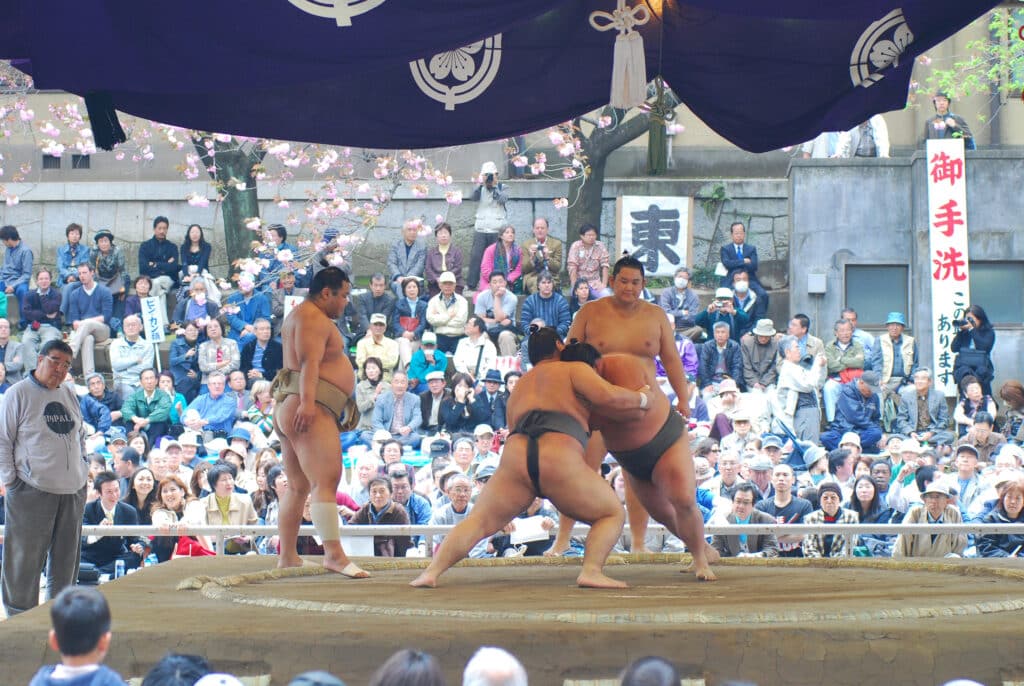
Professional sumo tournaments maintain ceremonial elements that have remained unchanged for generations. The ring-entering ceremony, victory celebrations, and award presentations follow scripts established by ancient tradition. These rituals transform athletic competition into cultural performance, reinforcing sumo’s role as a living museum of Japanese heritage.
Dreams of Glory: The Path to Championship
The ultimate goal for every sumo wrestler is advancement through the sport’s rigid ranking system toward the pinnacle of yokozuna (grand champion). This title represents more than athletic achievement—it’s recognition as a cultural icon and spiritual leader within Japanese society.
Only a handful of wrestlers in sumo history have achieved yokozuna status, and the requirements extend far beyond simple tournament victories. Candidates must demonstrate not only superior athletic ability but also the character, dignity, and moral leadership worthy of the title’s immense prestige. The yokozuna serves as a role model for younger wrestlers and a representative of sumo’s highest ideals.
Takeshi’s current goals focus on reaching the sekitori ranks, where wrestlers receive salaries and achieve professional status. This advancement would transform his daily life, providing financial security and increased respect within the sumo community. The journey requires continued improvement in technique, physical conditioning, and mental preparation.
The competitive structure of professional sumo creates clear benchmarks for progress, with rankings adjusted after each tournament based on performance. This system ensures that advancement is earned through consistent excellence rather than political influence or favoritism. The meritocratic nature of sumo rankings reflects broader Japanese values of hard work, dedication, and respect for achievement.
The Business of Sumo: Modern Challenges and Opportunities
Contemporary sumo wrestling faces unique challenges as it adapts to modern Japanese society while preserving traditional values. The sport must balance commercial viability with cultural authenticity, attracting new fans while maintaining the respect of traditional audiences.
Television broadcasts, merchandise sales, and sponsorship agreements provide the financial foundation for professional sumo. The Japan Sumo Association carefully manages these commercial relationships to ensure they support rather than compromise the sport’s cultural integrity. This balancing act requires constant attention to maintain sumo’s position as both entertainment and cultural institution.
International interest in sumo has grown significantly, with foreign-born wrestlers achieving unprecedented success in recent decades. This globalization presents both opportunities and challenges, as the sport must adapt to diverse cultural backgrounds while maintaining its essentially Japanese character.
The recruitment and development of young wrestlers faces modern challenges, as fewer Japanese youth choose the demanding lifestyle of professional sumo. Stables must compete with other sports and career options, emphasizing the unique rewards and opportunities available to dedicated athletes.
Health and Longevity: Managing the Physical Demands
The extreme physical demands of sumo wrestling require sophisticated health management strategies to ensure athlete longevity and well-being. Modern sports medicine techniques are integrated with traditional Japanese healing practices to create comprehensive wellness programs.
Regular medical monitoring addresses the health risks associated with sumo’s unique physical requirements. Wrestlers undergo extensive cardiovascular testing, joint assessments, and nutritional evaluations to identify potential problems before they become serious. This proactive approach helps extend careers and improve quality of life for retired athletes.
The traditional Japanese approach to health and wellness complements modern medical care, with practices like acupuncture, herbal medicine, and meditation integrated into daily routines. These holistic approaches address not only physical health but mental and spiritual well-being.
Retirement planning has become increasingly important as wrestlers consider post-competition careers. The Japan Sumo Association provides educational opportunities and career guidance to help athletes transition successfully to civilian life. Many former wrestlers become coaches, restaurant owners, or cultural ambassadors, leveraging their sumo experience in new contexts.
The Eternal Cycle: Preserving Tradition for Future Generations
As night settles over the sumo stable, Takeshi reflects on his place within this ancient tradition. Tomorrow will bring another 4:30 AM awakening, another day of intense training, and another opportunity to honor the countless generations of wrestlers who have walked this path before him.
The daily cycle of sumo life creates a rhythm that connects past, present, and future. Each morning’s training session adds to an unbroken chain of athletic and spiritual development that spans centuries. The wrestlers who share Takeshi’s current struggles will become the senior mentors of tomorrow, passing their knowledge to the next generation of aspiring champions.
The preservation of sumo tradition requires constant vigilance and adaptation. Modern wrestlers must master traditional techniques while incorporating contemporary training methods. They must respect ancient customs while addressing the evolving needs of modern audiences. This balance between tradition and innovation ensures that sumo remains relevant and vibrant for future generations.
The sumo wrestler daily life represents a unique synthesis of athletic achievement, cultural preservation, and personal development. The men who choose this demanding path become living links to Japan’s cultural heritage while pursuing individual excellence in one of the world’s most challenging sports.
In the quiet moments before sleep, Takeshi knows he occupies a special place in Japanese culture. He is simultaneously athlete and cultural ambassador, individual competitor and community member, modern professional and traditional craftsman. This complex identity requires constant attention and dedication, but it also provides meaning and purpose that transcends simple athletic achievement.
The world of professional sumo continues to evolve while maintaining its essential character. New technologies enhance training methods, modern medicine improves athlete health, and global interest expands the sport’s reach. Yet the fundamental elements remain unchanged: the sacred dohyō, the rigorous hierarchy, the demanding training, and the profound respect for tradition that transforms athletic competition into cultural ceremony.
For those called to this extraordinary life, no other path seems possible. They are guardians of living history, athletes whose daily dedication preserves one of humanity’s oldest and most fascinating sports. In choosing sumo, they choose to become part of something larger than themselves—a tradition that will continue long after their individual careers have ended, carried forward by future generations of wrestlers who will wake at 4:30 AM to continue this eternal cycle of training, tradition, and triumph.
Planning a Group Trip to Japan?
From corporate teams to friends traveling together, we create tailor-made travel packages. Enjoy VIP access, curated itineraries, and full support from our local experts. Tell us your plans, and we’ll handle the rest.
Contact Jasumo Now →