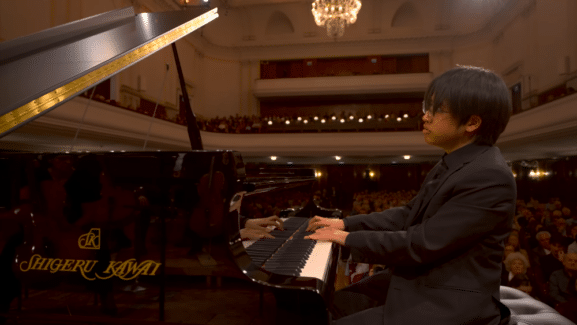

Attending the Dang Thai Son Two‑Night Performance 2026 in Japan: A Practical Guide for Overseas Visitors
For overseas visitors, experiencing a classical piano residency in Japan combines world-class artistry with the country’s distinctive concert systems and regional venue culture. The Dang Thai Son Two‑Night Performance 2026 in Tokyo offers an excellent case study of how to prepare for, navigate, and enjoy such events.
Are you Visiting Japan soon?
Let us make your trip effortless. From tickets and hotels to transport and local guides, we arrange everything for you or your group. Whether it’s a music festival in Tokyo or a business conference in Osaka, our custom travel service ensures you enjoy the event stress-free.
Contact Jasumo Now →This guide emphasizes clarity, preparation, and system understanding rather than promotion, ensuring visitors approach the concert with confidence.
Event Overview: Dang Thai Son in Tokyo
Dang Thai Son, the acclaimed Vietnamese-born pianist and winner of the 1980 Chopin International Piano Competition, returns to Japan for a two-night residency at Hama‑rikyu Asahi Hall. The program includes:

- June 9, 2026: Solo recital titled “Color and Poetry” featuring works by Mompou, Ravel, and Chopin
- June 10, 2026: Duo performance with Polish pianist Ewa Pobłocka, “Dialogue of Sound”, including Mozart, Schubert, Ravel, Poulenc, and other piano duets
These performances highlight both individual artistry and collaborative interpretation, offering audiences an intimate and nuanced classical experience.
Global Context vs. Japan-Specific Considerations
While piano residencies and classical recitals occur worldwide, Japan’s context is notable for:
- Centralized cultural venues in urban centers like Tokyo
- Meticulously organized audience management
- High expectations of concert etiquette
Such factors influence both visitor preparation and the enjoyment of the performance.
What Makes the Japan Experience Unique
Attending the Dang Thai Son performances in Japan differs from other countries in several ways:
- Venue quality: Hama‑rikyu Asahi Hall is known for refined acoustics and intimate recital settings
- Audience behavior: Quiet, attentive listening is standard; mobile devices are discouraged
- Timing and scheduling: Doors and performance start times are strictly observed
Visitors benefit from the precise and professional structure that Japanese concert halls maintain, providing a seamless listening experience.
Ticketing and Participation Systems
Japanese ticketing systems are designed primarily for domestic users. Some overseas visitors may find them unfamiliar.

Typical characteristics include:
- Tickets often available through Japanese platforms or venue box offices
- Scheduled general sales or lottery systems for high-demand events
- Paper or digital tickets, sometimes requiring collection at convenience stores
Advance preparation can help reduce day-of uncertainty. For guidance on navigating Japanese ticket systems, overseas visitors can contact Jasumo:
https://jasumo.com/contact/
Common Challenges for Visitors
While attending a recital is straightforward with preparation, overseas visitors may encounter:
- Navigating Japanese-language ticketing sites
- Planning arrival in central Tokyo for evening performances
- Understanding seating arrangements and hall etiquette
These challenges are normal, and preparation helps mitigate any confusion.
Travel and Logistics Considerations
Although Hama‑rikyu Asahi Hall is centrally located in Chuo City, Tokyo, visitors should plan for:
- Train schedules: Ensure timely arrival using Tokyo’s rail and metro network
- Access to venues: Identify the closest stations and exits
- Evening schedules: Last train considerations, particularly for visitors staying outside central Tokyo
Connectivity Importance
Reliable mobile connectivity aids in:
- Accessing digital tickets or confirmations
- Navigating local transport to reach the venue
- Checking updates or notifications regarding the performance
Travelers often use Japan SIM cards or portable Wi-Fi for consistent connectivity. More information is available from providers like OmoriWiFi:
https://omoriwifi.com/
Cultural and Experiential Extensions
Concertgoers may enhance their visit by:
- Exploring nearby Tokyo attractions in Chuo City or Tsukiji
- Visiting music-related museums or historic halls
- Collecting music-related goods via JasumoShop:
https://jasumoshop.com/
These extensions can enrich the overall experience beyond the performance itself.
Conclusion
The Dang Thai Son Two‑Night Performance 2026 demonstrates Japan’s structured, high-quality classical music environment. By understanding ticketing systems, planning logistics, and adhering to local concert etiquette, overseas visitors can confidently enjoy world-class piano artistry in an intimate and acoustically refined setting.

Support resources like Jasumo and ComfysCareer provide guidance for first-time visitors navigating Japan’s cultural and logistical systems:
https://comfyscareer.com/
Planning a Group Trip to Japan?
From corporate teams to friends traveling together, we create tailor-made travel packages. Enjoy VIP access, curated itineraries, and full support from our local experts. Tell us your plans, and we’ll handle the rest.
Contact Jasumo Now →