

Attending the Ishida Gumi Concert Tour 2026 in Japan: A Practical Guide for Overseas Visitors
Japan’s live performance scene includes not only large-scale pop concerts and traditional arts, but also dynamic contemporary classical ensembles that bridge genres and audiences. One such group is Ishida Gumi, a string ensemble known for energetic programming and cross-genre arrangements. For overseas visitors planning to attend one of their 2026 performances, understanding how Japan’s concert systems and venues operate can help make the experience smoother and more predictable.
Are you Visiting Japan soon?
Let us make your trip effortless. From tickets and hotels to transport and local guides, we arrange everything for you or your group. Whether it’s a music festival in Tokyo or a business conference in Osaka, our custom travel service ensures you enjoy the event stress-free.
Contact Jasumo Now →This guide focuses on preparation, systems, and visitor realities rather than promotion, helping you navigate the practical side of attending the Ishida Gumi Concert Tour 2026.
Event Overview: What Is Ishida Gumi?
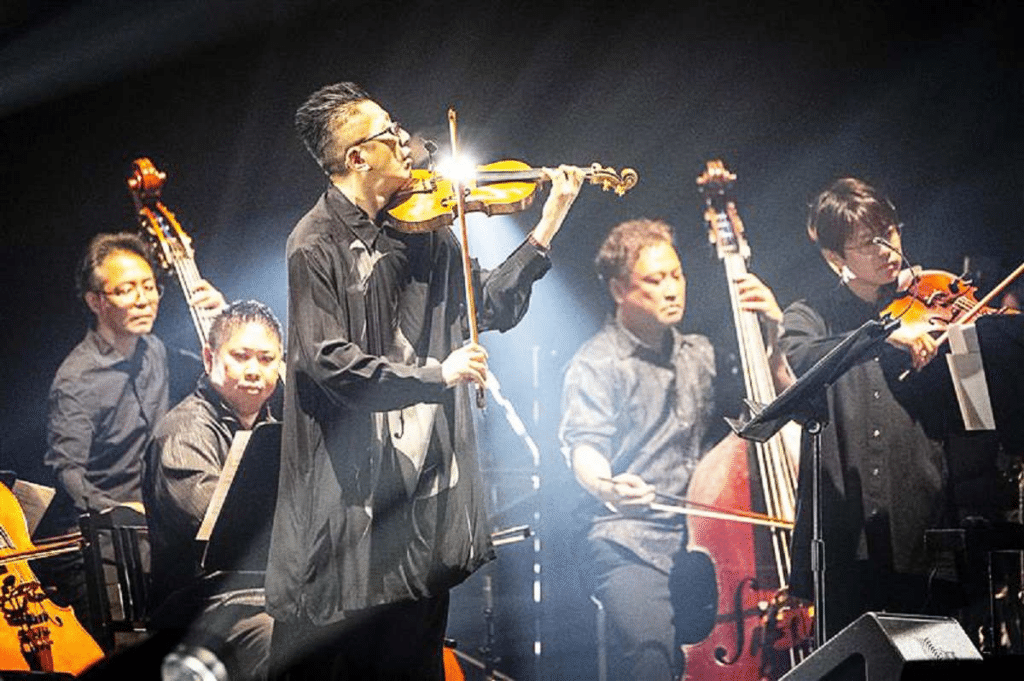
Ishida Gumi is a string ensemble formed in 2014 by violinist Yasunao Ishida, bringing together highly skilled orchestral players, primarily from the Tokyo area. The group is known for blending:

- Classical works (such as Mozart, Vivaldi, Mendelssohn)
- Film music
- Genre-crossing arrangements, including rock-influenced pieces
Performances typically run around 90–120 minutes and are structured as concentrated musical programs, often presented as matinee concerts in regional cultural halls. The ensemble’s format—elite string players under a recognizable musical leader—reflects a style of Japanese concert programming where artistic identity and ensemble chemistry are central.
Confirmed 2026 Concert Dates & Venues
The 2026 tour includes performances across multiple regions of Japan, giving visitors outside Tokyo options to attend concerts while exploring different parts of the country.
Main National Tour (January–April 2026)
| Date | Venue | Location |
|---|---|---|
| Jan 25, 2026 | iichiko Grand Theatre | Ōita City, Oita Prefecture |
| Feb 1, 2026 | Tokoname Civic Cultural Hall | Tokoname, Aichi Prefecture |
| Feb 7, 2026 | RaiBoC Hall (Saitama Civic Hall Omiya) Large Hall | Saitama City, Saitama Prefecture |
| Feb 28, 2026 | Link Station Hall Aomori | Aomori City, Aomori Prefecture |
| Mar 8, 2026 | Katsushika Symphony Hills Mozart Hall | Tokyo |
| Apr 11, 2026 | Hokuriku Shimbun Akabane Hall | Kanazawa, Ishikawa Prefecture |
Additional Confirmed Performances
| Date | Venue | Location |
|---|---|---|
| Mar 28, 2026 | Ichihara City Civic Hall Large Hall | Chiba Prefecture |
| Apr 5, 2026 | Kenshin Koriyama Cultural Center | Koriyama City, Fukushima Prefecture |
| May 5, 2026 | Shogin Tact Tsuruoka (Tsuruoka City Cultural Hall) | Tsuruoka, Yamagata Prefecture |
| May 30, 2026 | Nagaoka Municipal Theatre Main Hall | Nagaoka, Niigata Prefecture |
Most performances are afternoon concerts, a common format in Japan that allows audiences to travel in and out on the same day.
Global Context vs. Japan Context
In many countries, chamber and classical concerts are often concentrated in major capital cities. Japan’s system is somewhat different: regional cultural halls play a major role in hosting high-level touring acts. This means:
- Professional ensembles frequently tour smaller cities
- Local halls are well-equipped and acoustically designed
- Audiences are often community-based, including regular cultural patrons
For overseas visitors, this opens opportunities to combine concert attendance with regional travel, such as visiting Kanazawa, Aomori, or Niigata.
What Makes the Japan Concert Experience Distinct
Japanese concert environments are generally:
- Structured and punctual – performances start on time
- Quiet and attentive – audience etiquette emphasizes minimal noise
- Hall-centered – many events are in civic or prefectural cultural facilities rather than commercial arenas
You may notice:
- Clear signage and ushers guiding seating
- Organized entry and exit flows
- Limited food and drink inside the auditorium
Advance preparation can help reduce day-of uncertainty, especially if the venue is outside major tourist zones.
Ticketing Systems in Japan: What Visitors Should Know
Japanese ticket systems are designed primarily for domestic users. Some overseas visitors may find the process unfamiliar at first.
While specific sales structures vary by performance, concerts of this type in Japan are commonly handled through:
- Major domestic ticketing platforms
- Venue box offices
- Advance sales periods that may include lotteries or scheduled general sales
Common system characteristics in Japan include:
- Timed sales windows rather than continuous availability
- Tickets sometimes tied to Japanese-language interfaces
- Physical ticket issuance through convenience stores in some cases
If you are not comfortable navigating Japanese ticket platforms alone, local coordination can be helpful in certain situations. For general assistance understanding Japan’s event and ticketing systems, overseas visitors can contact Jasumo through their inquiry form:
https://jasumo.com/contact/
Planning Logistics Around the Concert
Because many Ishida Gumi performances take place in regional cities, transport planning becomes part of the event experience.
Consider:
- Train schedules (especially for afternoon shows ending in the early evening)
- Last trains back to major hubs
- Travel time from the nearest Shinkansen station (if applicable)
Japan’s rail system is highly reliable, but rural or regional areas may have fewer evening departures. Checking return transport in advance can help reduce stress after the performance.
Connectivity Matters More Than Many Visitors Expect
Japanese ticketing emails, digital maps, train apps, and venue information often rely on mobile access. A stable data connection helps with:
- Finding venues in residential areas
- Receiving ticket notifications
- Checking platform numbers or schedule changes
Many travelers use local Wi-Fi or data solutions during their stay. For visitors looking into travel connectivity options in Japan, information is available from providers such as OmoriWiFi:
https://omoriwifi.com/
Cultural Environment Inside the Hall
Concert etiquette in Japan emphasizes respect for performers and fellow audience members. Visitors may observe:
- Phones on silent mode
- Applause typically at appropriate musical breaks
- Limited talking once seated
This environment often allows detailed listening, which suits string ensemble performances where nuance is important.
Extending the Experience Beyond the Concert
Attending a regional performance can also connect with broader travel experiences:
- Aomori and Tsuruoka offer access to northern cultural landscapes
- Kanazawa is known for historic districts and crafts
- Niigata and Fukushima regions have strong food and local traditions
Some travelers also look for Japan-related goods or memorabilia as part of their trip planning or return home. Information about Japan-oriented products and lifestyle items is available through:
https://jasumoshop.com/
Understanding the Japanese Event System as a Visitor
For many overseas guests, the biggest adjustment is not the music itself, but the system structure surrounding events:
- Language differences
- Structured sales phases
- Region-specific venues
- Cultural expectations inside halls
Japanese systems are designed primarily for domestic users, and some processes may feel less flexible than in other countries. However, advance preparation can help reduce day-of uncertainty and make the experience smoother.
Resources that help visitors understand Japan’s broader systems, including work, culture, and adaptation topics, are also available through:
https://comfyscareer.com/
Conclusion
The Ishida Gumi Concert Tour 2026 represents a style of Japanese performance culture where classical foundations meet contemporary energy, presented not only in major cities but across regional Japan. For overseas visitors, attending such a concert can be both a musical and cultural experience.

By planning transport, understanding ticketing structures, preparing for venue norms, and ensuring reliable connectivity, visitors can approach the event with greater clarity and confidence. A calm, system-aware approach helps transform unfamiliar processes into a manageable and rewarding part of travel in Japan.
Planning a Group Trip to Japan?
From corporate teams to friends traveling together, we create tailor-made travel packages. Enjoy VIP access, curated itineraries, and full support from our local experts. Tell us your plans, and we’ll handle the rest.
Contact Jasumo Now →