
Attending the Vincent Ong Piano Recital Tour in Japan (Summer 2026): What Overseas Visitors Should Know
Japan’s classical music scene is deeply rooted, highly organized, and shaped by systems that are designed first for domestic audiences. For overseas visitors, attending a recital by an internationally recognized pianist like Vincent Ong can be a memorable cultural experience — but it also involves navigating venue rules, ticketing structures, timing expectations, and communication norms that may feel unfamiliar at first.
Are you Visiting Japan soon?
Let us make your trip effortless. From tickets and hotels to transport and local guides, we arrange everything for you or your group. Whether it’s a music festival in Tokyo or a business conference in Osaka, our custom travel service ensures you enjoy the event stress-free.
Contact Jasumo Now →This guide explains the Japan-side experience of attending the Vincent Ong Piano Recital – Japan Summer 2026 Tour, with a focus on preparation, systems awareness, and practical realities.
Event Overview
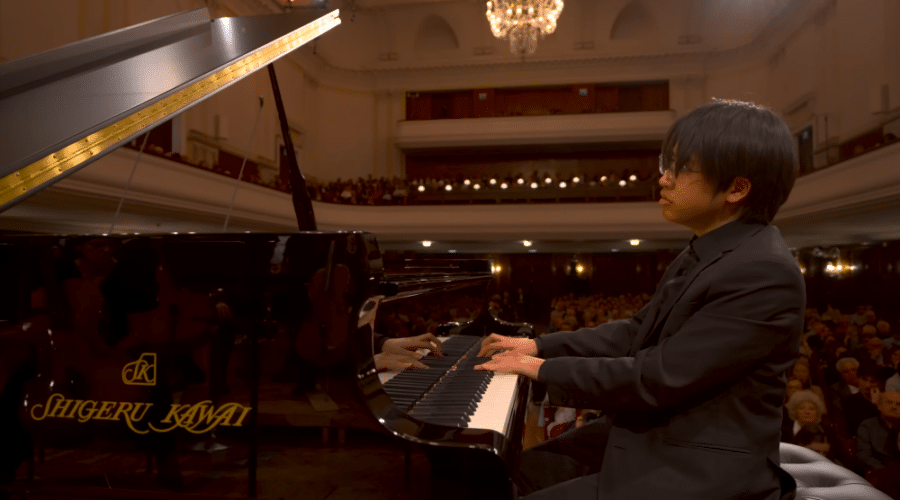
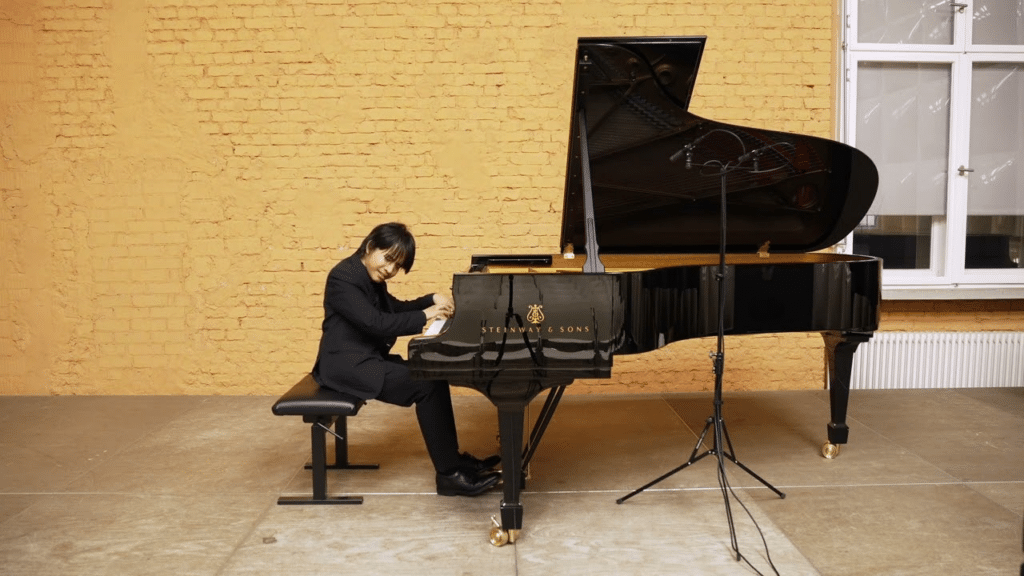
Malaysian pianist Vincent Ong will perform a series of solo recitals across Japan in July 2026. These concerts form a major Japan tour and are presented by Japan Arts, with collaboration from organizations such as Kawai for selected venues.
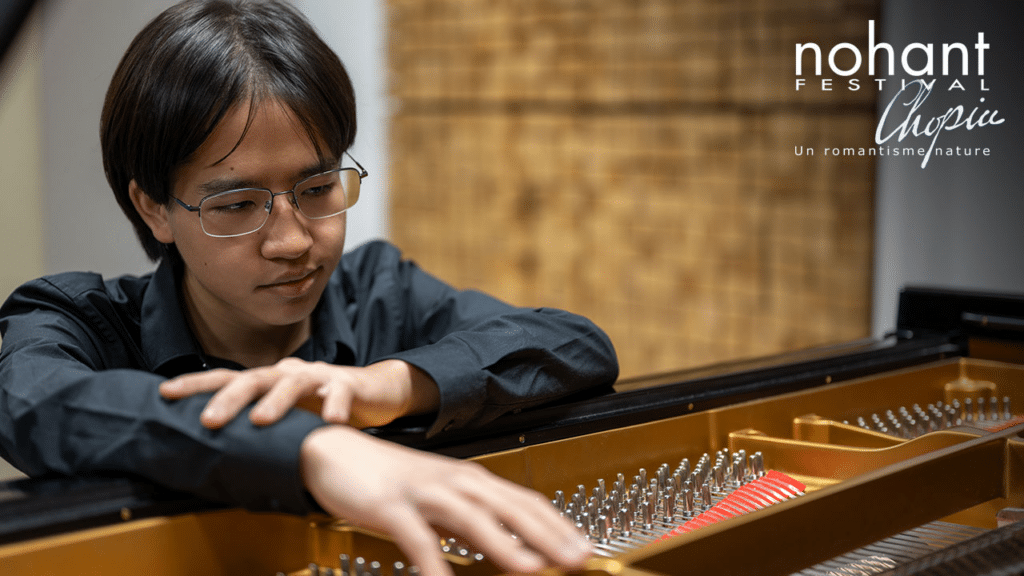
The recitals are expected to feature a solo piano program highlighting expressive repertoire often associated with Romantic-era composers such as Chopin, though exact programs may vary by venue and will be announced by organizers closer to each performance.
Confirmed Upcoming Performances
| City | Date | Time | Venue |
|---|---|---|---|
| Tokyo | 13 July 2026 | 19:00 | Tokyo Opera City Concert Hall |
| Tokyo | 14 July 2026 | 19:00 | Tokyo Opera City Concert Hall |
| Osaka | 16 July 2026 | 19:00 | The Symphony Hall (Osaka) |
| Nagoya | 17 July 2026 | 19:00 | Denki Bunka Kaikan |
| Fukuoka | 19 July 2026 | 14:00 | FFG Hall |
Concert durations are typically around 1–2 hours, depending on the program.
Global Context: Why Recitals Like This Matter
International piano competitions and recital tours form a core part of the classical music world. Artists who gain recognition through major competitions often build strong audiences in Japan, where concert culture is highly active and audiences are attentive, punctual, and knowledgeable.
Japan has one of the most established concert-going cultures in Asia, with dedicated recital halls, specialist promoters, and audiences accustomed to structured etiquette. For overseas visitors, this means the musical experience can feel focused, formal, and highly organized.
Japan’s Classical Concert Culture
Japanese concert systems are designed primarily for domestic users. While events welcome international audiences, procedures — from ticket purchase to venue entry — often assume Japanese language ability, local payment methods, and familiarity with venue norms.
Some overseas visitors may find the process unfamiliar at first. Advance preparation can help reduce day-of uncertainty.
Key cultural features include:
- Strict start times — late entry may be restricted between pieces
- Very quiet audience behavior during performances
- Minimal movement once the concert begins
- Clear venue rules regarding photography and recording
These norms are consistent across major recital halls.
Venue Environments
Tokyo Opera City Concert Hall


Located in Tokyo, this hall is known for its acoustic design and dedicated classical programming. Entry flow is orderly, and lobby spaces typically open around 30–40 minutes before the concert.
The Symphony Hall, Osaka
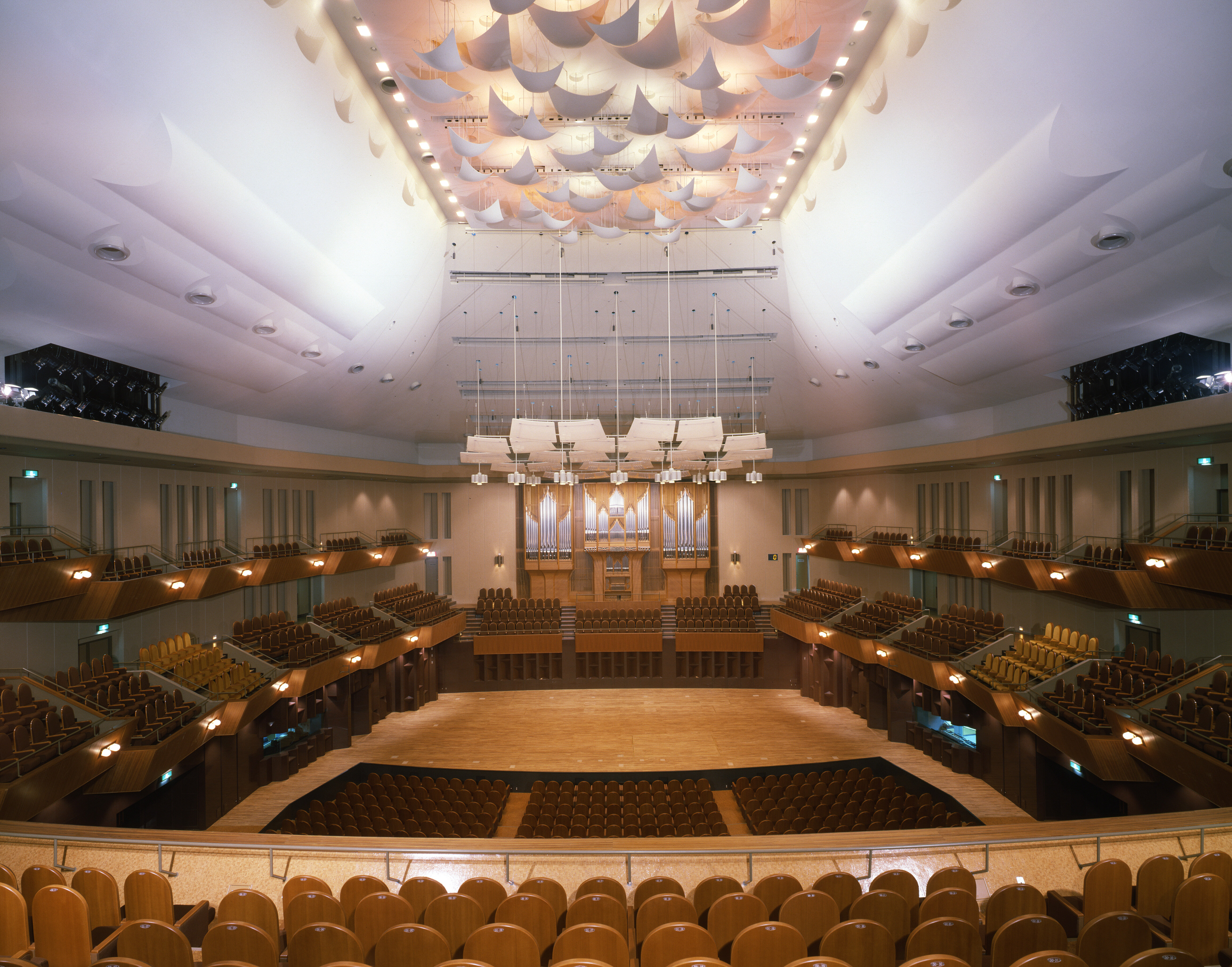

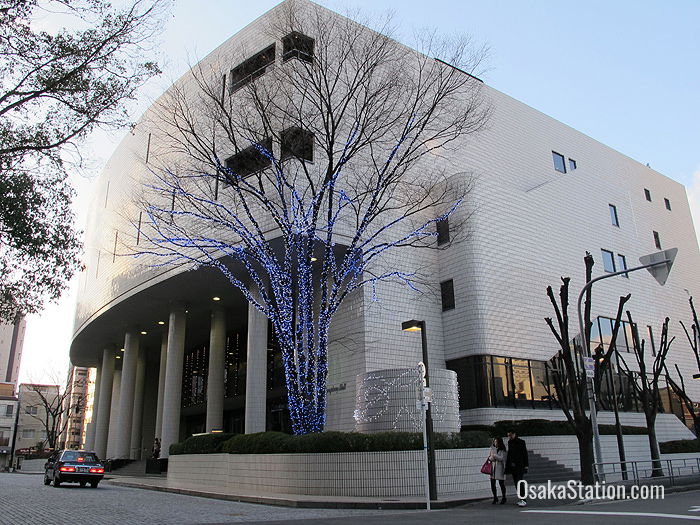
One of western Japan’s prominent classical venues, this hall hosts orchestral and recital performances. Staff guidance, signage, and usher systems are clearly structured.
Denki Bunka Kaikan (Nagoya)
Part of the Kawai Concert 2026 series, this venue is marking a milestone year. Program and detailed timing announcements may be released later by organizers.
FFG Hall (Fukuoka)
A regional performance space hosting cultural events and concert series, serving as the final stop of the July tour.
What Makes the Japan Experience Distinct
Attending a recital in Japan differs from many Western venues in several system-related ways:
- Highly structured seating systems
- Advance ticket purchase culture
- Printed program distribution at entry
- Minimal in-hall announcements
- Strong emphasis on punctuality
The experience is calm, orderly, and focused on the performance itself.
What Overseas Visitors Should Plan For
1. Ticketing Systems
Japanese ticket systems are designed primarily for domestic users. Some overseas visitors may find the process unfamiliar at first, particularly when:
- Accounts require Japanese language input
- Phone number verification is required
- Payment methods are Japan-based
- Convenience store ticket collection systems are used
Local coordination can be helpful in certain situations. If you are unsure how to proceed, assistance may be requested through Jasumo’s support channel:
https://jasumo.com/contact/
2. Entry Timing
Concert halls typically open doors about 30–40 minutes before start time. Arriving early is advisable to:
- Collect programs
- Find seats calmly
- Avoid late-entry restrictions
Late arrivals may be asked to wait between pieces.
3. Seating & Etiquette
- Seats are usually assigned
- Silence is expected
- Mobile devices must be off
- Photography and recording are typically prohibited
These rules are enforced to maintain performance quality.
4. Connectivity Matters
Many ticket confirmations, venue maps, and transit directions are accessed online. A stable data connection can reduce uncertainty, especially if instructions or venue updates are sent digitally.
Reliable travel connectivity options can be helpful for navigating Japan’s transit and event systems. Information about visitor-focused connectivity solutions can be found at:
https://omoriwifi.com/
Common Challenges Visitors Encounter
Using neutral framing, typical areas of confusion include:
- Ticket platform language barriers
- Unfamiliar payment verification steps
- Differences in entry procedures
- Understanding intermission timing
- Navigating large venues without English announcements
Advance preparation can help reduce these challenges.
Travel & Logistics Considerations
These concerts take place across major Japanese cities. Visitors attending multiple dates should consider:
- Intercity travel time
- Venue proximity to stations
- Same-day arrival vs. early arrival
- Hotel access after evening performances
Japan’s transport systems are punctual but structured, and planning in advance helps ensure a smooth experience.
Cultural Extensions
Attending a piano recital in Japan can be paired with:
- Visiting instrument showrooms (especially in cities connected with Kawai)
- Exploring classical music cafés
- Visiting cultural districts near venues
These extensions can deepen the experience beyond the performance itself.
Support Systems for International Visitors
Jasumo operates as a neutral support bridge for navigating Japanese systems, not as an event organizer. Visitors seeking clarification on procedures, ticket steps, or event-related logistics may contact:
https://jasumo.com/contact/
For those exploring work, career mobility, or longer-term professional paths related to international experiences, information resources are also available at:
https://comfyscareer.com/
Conclusion
The Vincent Ong Japan Summer 2026 recital tour offers overseas visitors an opportunity to experience Japan’s structured and attentive classical music culture. While the performance itself is universal, the surrounding systems — ticketing, venue entry, etiquette, and logistics — reflect domestic frameworks that may feel unfamiliar at first.
Advance preparation, understanding of local norms, and system awareness help ensure a calm and rewarding concert experience.
Planning a Group Trip to Japan?
From corporate teams to friends traveling together, we create tailor-made travel packages. Enjoy VIP access, curated itineraries, and full support from our local experts. Tell us your plans, and we’ll handle the rest.
Contact Jasumo Now →