Avoiding Tourist Traps in Japan: Your Guide to Authentic Experiences
Japan offers some of the world’s most incredible cultural experiences, but navigating between authentic adventures and overpriced tourist traps can be challenging for first-time visitors. With countless disappointed travelers sharing stories of fake cultural shows, overpriced mediocre experiences, and inauthentic attractions designed solely for tourists, knowing how to identify and avoid these pitfalls is essential for creating meaningful memories in Japan.
Are you Visiting Japan soon?
Let us make your trip effortless. From tickets and hotels to transport and local guides, we arrange everything for you or your group. Whether it’s a music festival in Tokyo or a business conference in Osaka, our custom travel service ensures you enjoy the event stress-free.
Contact Jasumo Now →Why Authentic Japan Travel Matters
Authentic cultural experiences in Japan provide deep connections to the country’s rich heritage, traditions, and modern innovations. When you choose genuine activities over tourist traps, you gain insights into real Japanese life, connect with locals who are passionate about their culture, and create lasting memories that go far beyond superficial photo opportunities.
Real Japan experiences offer educational value, cultural appreciation, and emotional connections that tourist traps simply cannot match. Whether you’re participating in a traditional tea ceremony led by a certified tea master, learning to make authentic sushi from a professional chef, or exploring hidden temples frequented by locals rather than tour buses, authentic experiences transform your trip from ordinary sightseeing into profound cultural immersion.
Unfortunately, Japan’s popularity as a tourist destination has created a thriving industry of inauthentic experiences designed to capitalize on visitors’ desire for cultural connection while delivering shallow, commercialized versions of genuine traditions.
Common Tourist Traps That Disappoint Japan Visitors
Fake Sumo Wrestling Shows
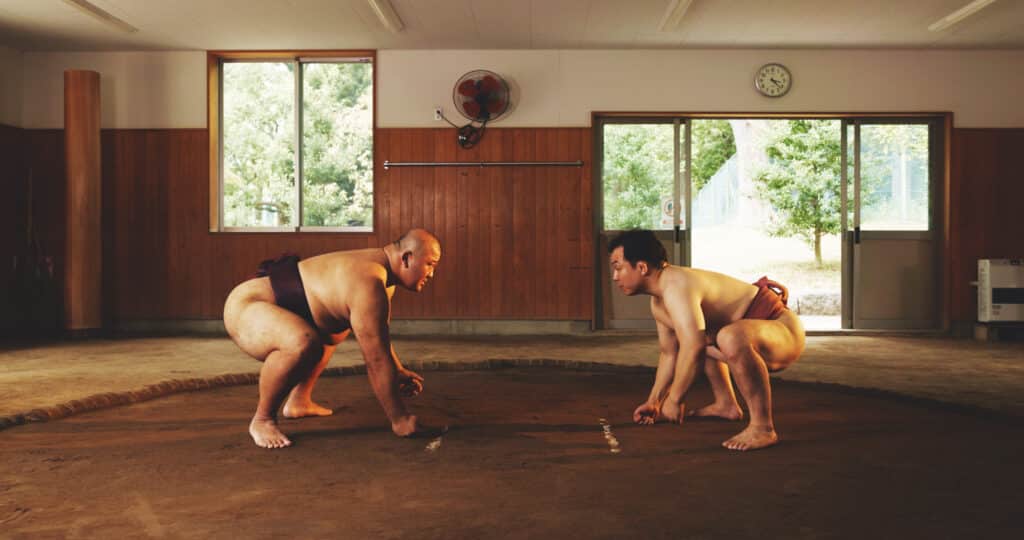
One of the most frequently complained-about tourist traps involves fake sumo demonstrations marketed as “authentic cultural experiences.” These shows typically feature actors in sumo costumes performing choreographed wrestling matches in hotel conference rooms or tourist centers, completely divorced from the sport’s spiritual significance and traditional protocols.
Real sumo wrestling is a sacred sport deeply rooted in Shinto traditions, featuring professional athletes who have dedicated their lives to mastering complex techniques, rituals, and cultural practices. Authentic sumo experiences involve attending official tournaments (basho) at proper venues like Tokyo’s Ryogoku Kokugikan, where you can witness the genuine sport with its ceremonial elements, traditional costumes, and competitive intensity.
Commercialized “Cultural” Performances
Many tourist-oriented venues offer simplified, commercialized versions of traditional Japanese performing arts like kabuki, geisha entertainment, or traditional dance. These shows often strip away cultural context, historical significance, and artistic nuance in favor of flashy costumes and photo opportunities.
Authentic cultural performances take place in proper theaters, tea houses, and cultural centers where artists have trained for years to master their craft. Real geisha experiences, for example, occur in exclusive ochaya (tea houses) in traditional districts like Kyoto’s Gion, not in hotel lobbies with costumed performers.
Overpriced Theme Restaurants
Japan’s famous themed restaurants can be fun, but many tourist-targeted establishments charge premium prices for mediocre food and gimmicky atmospheres. Robot restaurants, maid cafes clearly designed for tourists, and “traditional” restaurants in tourist districts often prioritize spectacle over authentic cuisine or cultural value.
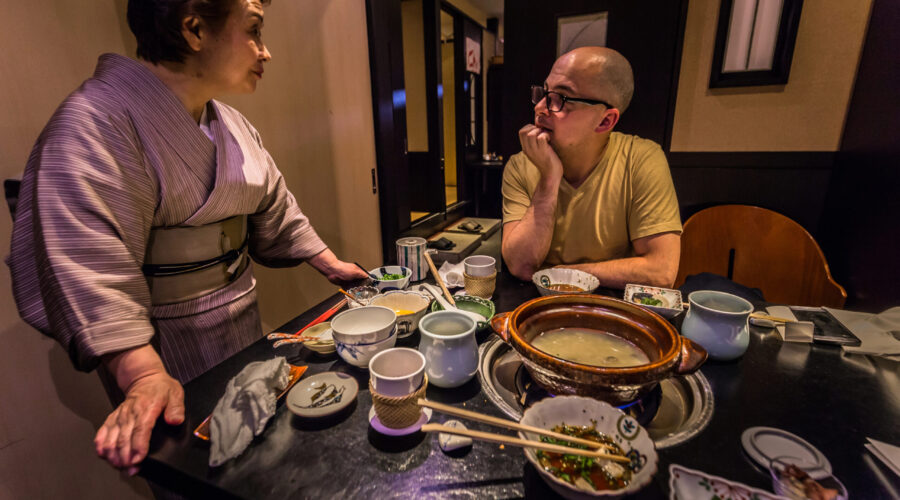
Genuine Japanese dining experiences happen in local neighborhoods where restaurants focus on perfecting their craft rather than entertaining tourists. Family-run establishments, local izakaya, and specialty restaurants frequented by Japanese customers offer superior food quality, authentic atmosphere, and fair pricing.
Mass-Produced Souvenir Shops
Tourist areas overflow with shops selling mass-produced “traditional” items made in China or other countries, marketed as authentic Japanese crafts. These products lack the quality, cultural significance, and artisanal value of genuine Japanese-made goods.
Authentic Japanese crafts come from local artisans, traditional workshops, and specialty stores that specialize in specific regional products. Real Japanese pottery, textiles, woodwork, and other crafts reflect centuries of refined techniques and cultural meaning.
Red Flags: How to Spot Tourist Traps Before You Book
Overhyped Marketing Language
Tourist traps often use excessive marketing language with phrases like “once-in-a-lifetime,” “exclusive cultural experience,” or “secret traditions revealed.” Authentic experiences typically market themselves more modestly, focusing on education, cultural appreciation, and genuine interaction rather than sensational claims.
Be suspicious of activities that promise to reveal “hidden secrets” or offer “exclusive access” to traditions that aren’t actually secret or exclusive. Real cultural experiences emphasize learning, respect, and authentic participation rather than making visitors feel special through artificial exclusivity.
Location in Tourist Districts
Many tourist traps cluster in heavily touristed areas like Tokyo’s Shibuya Crossing vicinity, Kyoto’s main tourist streets, or near major attractions. While not all activities in these areas are inauthentic, be extra cautious about experiences that seem designed primarily for tourists rather than locals.
Authentic experiences often occur in residential neighborhoods, traditional districts, or locations that serve local communities alongside visitors. Real tea houses, traditional restaurants, and cultural centers typically operate in areas where Japanese people actually live and work.
Lack of Cultural Context or Education
Tourist traps focus on entertainment and photo opportunities while providing minimal educational content or cultural context. If an experience doesn’t explain the historical significance, cultural meaning, or traditional protocols associated with an activity, it’s likely designed for superficial consumption rather than genuine cultural exchange.
Authentic experiences prioritize education, cultural understanding, and respectful participation. They explain why traditions matter, how they developed, and what they mean to Japanese people today.
Unrealistic Pricing
Both extremely cheap and excessively expensive options can indicate tourist traps. Suspiciously low prices often mean compromised quality, while astronomical prices might indicate artificial inflation based on tourist demand rather than genuine value.
Research typical pricing for authentic experiences by checking what locals pay for similar activities or consulting reputable cultural organizations about fair pricing for traditional arts, performances, or classes.
Finding Authentic Cultural Experiences in Japan
Research Local Recommendations
Consult Japanese cultural organizations, local tourism boards (not just national ones), and expat communities living in Japan for recommendations about authentic experiences. These sources understand the difference between tourist-oriented activities and genuine cultural opportunities.
Look for experiences recommended by Japanese people themselves, cultural institutions, and long-term foreign residents who have developed deep appreciation for authentic Japanese culture.
Prioritize Educational Components
Authentic experiences emphasize learning and cultural understanding. Look for activities that include detailed explanations about historical background, cultural significance, proper etiquette, and the skills or knowledge required to participate respectfully.
Quality cultural experiences often include preparatory information, ongoing explanation during activities, and opportunities to ask questions about traditions, techniques, or cultural meaning.
Choose Certified Instructors and Venues
Authentic cultural activities typically involve certified instructors, licensed venues, or officially recognized cultural practitioners. Tea ceremony experiences, for example, should involve practitioners certified by established tea schools, while traditional craft workshops should feature artisans with documented training and experience.
Verify credentials when possible, and prioritize experiences that can demonstrate authentic connections to traditional arts, cultural institutions, or established communities of practice.
Seek Small Group or Private Experiences
Tourist traps often accommodate large groups to maximize profits, while authentic experiences typically limit participants to ensure quality instruction, meaningful interaction, and proper attention to cultural protocols.
Smaller groups allow for personalized instruction, deeper cultural exchange, and more meaningful connections with instructors who can adapt their teaching to participants’ interests and understanding levels.
Regional Authentic Experiences to Prioritize
Tokyo Authentic Activities
Focus on experiences in traditional neighborhoods like Asakusa’s backstreets, Yanaka’s historic district, or local commercial areas like Tsukishima for authentic food experiences. Avoid tourist-concentrated areas like Harajuku’s main street or Shibuya’s most commercial zones.
Authentic Tokyo experiences include visiting working temples during actual ceremonies, exploring local markets where residents shop, attending community festivals, or taking classes at cultural centers that serve local populations.
Kyoto Cultural Immersion
While Kyoto attracts many tourists, authentic experiences still exist in traditional districts, family-run establishments, and cultural institutions that maintain historical practices. Focus on activities in residential areas rather than main tourist corridors.
Real Kyoto experiences involve visiting temples during non-peak hours, participating in seasonal festivals, learning traditional crafts from local artisans, or exploring neighborhoods where traditional industries still operate.
Rural and Regional Authenticity
Some of Japan’s most authentic experiences occur in rural areas, smaller cities, and regions that receive fewer international tourists. These locations often maintain traditional practices more naturally and offer genuine interactions with local communities.
Consider experiences in mountain villages, traditional farming communities, historic towns, or regions known for specific crafts, foods, or cultural practices that haven’t been heavily commercialized for tourism.
The Role of Knowledgeable Guides in Avoiding Tourist Traps
Experienced, culturally knowledgeable guides serve as your first line of defense against tourist traps. They understand the difference between authentic and commercialized experiences, know which venues prioritize cultural integrity over profit, and can adapt itineraries to include genuine cultural interactions.
Quality guides have relationships with authentic cultural practitioners, know the best times to visit popular sites for meaningful experiences, and can explain cultural context that helps you appreciate authentic elements even in touristy areas.
Professional guides also help you navigate cultural etiquette, understand appropriate behavior in different settings, and make the most of authentic experiences through proper preparation and respectful participation.
Creating Your Own Authentic Japan Experience
Research Before You Travel
Invest time in learning about Japanese culture, history, and traditions before your trip. Understanding cultural context helps you recognize authentic experiences and appreciate their significance more fully.
Read books by Japanese authors, watch documentaries about traditional arts, and familiarize yourself with regional differences, seasonal considerations, and cultural protocols that will enhance your authentic experiences.
Learn Basic Japanese Phrases
While not essential, learning basic Japanese phrases demonstrates respect for local culture and can open doors to more authentic interactions. Many authentic experiences become more meaningful when you can communicate directly with practitioners, even at a basic level.
Focus on polite expressions, questions about cultural practices, and phrases that show appreciation for traditional arts or local customs.
Respect Cultural Protocols
Authentic experiences often involve specific etiquette, dress codes, or behavioral expectations. Research and follow these protocols to show respect for traditions and ensure you’re welcome in authentic cultural settings.
Understanding proper behavior in temples, traditional restaurants, cultural performances, or craft workshops helps you participate appropriately and creates positive interactions with local practitioners.
Experience Authentic Japan with Jasumo’s Curated Cultural Tours
Don’t risk your precious Japan vacation on tourist traps and inauthentic experiences. Jasumo specializes in connecting travelers with genuine cultural activities through our Custom Group Travel & Family Tours that prioritize authenticity, cultural education, and meaningful interactions with local communities.
Our carefully curated experiences include authentic tea ceremonies with certified masters, traditional craft workshops with local artisans, private cultural tours of historic districts, and access to genuine cultural performances in proper venues. We work exclusively with cultural practitioners who maintain traditional standards and can provide the educational context that makes experiences truly meaningful.
Whether you’re interested in traditional river cruises through Kyoto’s scenic valleys with cultural storytelling, private access to working temples and shrines, authentic culinary experiences with local chefs, or custom cultural immersion programs designed around your specific interests, Jasumo ensures every activity meets our strict authenticity standards.
Discover Authentic Japan Cultural Experiences →
Additionally, enhance your authentic cultural experiences by staying connected throughout your journey with our Bulk SIM & eSIM Solutions. Access translation apps, cultural information, digital guides, and navigation tools that help you understand and appreciate authentic experiences more fully while avoiding communication barriers that could limit your cultural interactions.
Stay Connected for Better Cultural Experiences →
Contact Jasumo today to discover how our authentic cultural experiences and comprehensive travel solutions can transform your Japan journey from typical tourism into genuine cultural immersion.
Planning a Group Trip to Japan?
From corporate teams to friends traveling together, we create tailor-made travel packages. Enjoy VIP access, curated itineraries, and full support from our local experts. Tell us your plans, and we’ll handle the rest.
Contact Jasumo Now →