
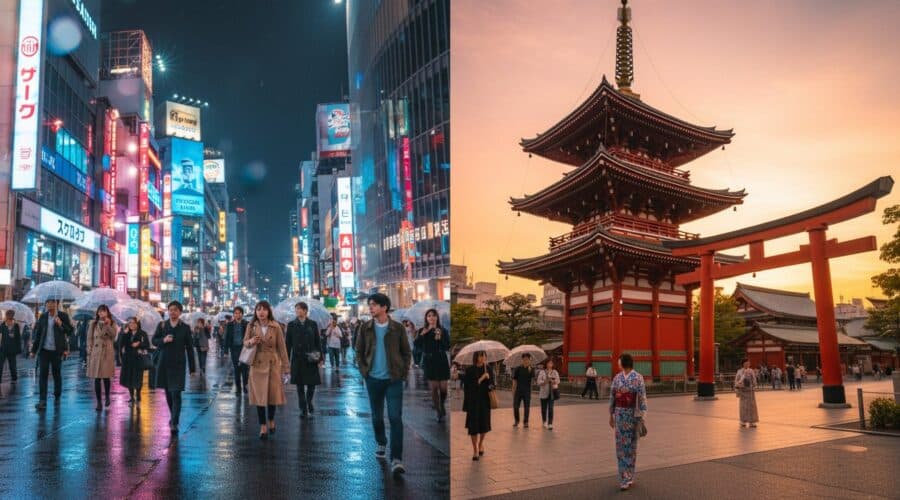
Best District to Stay in Tokyo: A Complete 2025 Neighborhood Guide
Tokyo is an electrifying, sprawling metropolis, but choosing where to stay can feel like an impossible puzzle. With dozens of unique wards, each with its own distinct personality, finding the best district to stay in Tokyo is the single most important decision for a successful trip. Are you worried about picking a poorly connected neighborhood, or one that doesn’t match your travel style? Whether you crave the non-stop energy of Shinjuku, the trendsetting streets of Shibuya, or the historic charm of Asakusa, the sheer number of options can be overwhelming.
Are you Visiting Japan soon?
Let us make your trip effortless. From tickets and hotels to transport and local guides, we arrange everything for you or your group. Whether it’s a music festival in Tokyo or a business conference in Osaka, our custom travel service ensures you enjoy the event stress-free.
Contact Jasumo Now →Forget the stress. This comprehensive 2025 guide is designed to be your trusted resource. We’ve broken down Tokyo’s top neighborhoods, detailing the unique vibe, key attractions, and transportation links for each. We’ll help you match your budget and interests to the perfect home base, giving you the confidence to book your stay. Let us handle the details so you can focus on planning an unforgettable adventure, minimizing travel time and maximizing your discovery of this incredible city.
How to Choose: Find Your Perfect Tokyo Neighborhood (Quick Guide)
Choosing where to stay in Tokyo can feel monumental. The city is a sprawling collection of Tokyo’s 23 Special Wards, each offering a completely different experience. Finding the best district to stay in Tokyo starts with matching a neighborhood’s personality to your travel style and budget.
To simplify your decision, focus on three key factors: your interests (nightlife, culture, food), your budget, and most importantly, your proximity to major transport lines. This quick guide breaks down the top choices to help you find the perfect home base for your 2025 Japan adventure.
As you plan, it’s also helpful to be aware of local customs, such as Japan’s specific regulations on public smoking and vaping. These rules can be quite different from what you’re used to, for example in the UK where specialist online stores like Vape Center are common.
Tokyo Neighborhoods at a Glance
Use this comparison table for a high-level overview of Tokyo’s most popular districts. We’ve scored each based on vibe, price, and transport convenience to make your choice easier.
| District | Vibe | Best For | Price (Avg. Night) | Transport Score |
|---|---|---|---|---|
| Shinjuku | Bustling Metropolis & Neon Dreams | First-Timers, Nightlife & Transport Links | ¥¥¥ | 5/5 |
| Shibuya | Youthful, Trendy & Cutting-Edge | Fashion, Cafes & People-Watching | ¥¥¥¥ | 5/5 |
| Ginza | Upscale, Chic & Sophisticated | Luxury Shopping & Fine Dining | ¥¥¥¥¥ | 4/5 |
| Asakusa | Traditional, Historic & Charming | Culture, Temples & Budget Stays | ¥¥ | 3/5 |
| Ueno | Cultural Hub & Relaxed Park Life | Museums, Families & Nature | ¥¥ | 4/5 |
The Yamanote Line: Your Key to Unlocking Tokyo
Think of the JR Yamanote Line as Tokyo’s circulatory system. This vital train line runs in a 35-kilometer loop, connecting most of the city’s major commercial and entertainment hubs. Staying near one of its 30 stations is the single most effective way to streamline your travel and is a crucial factor when deciding on the best district to stay in Tokyo.
Basing yourself on this line saves precious time and reduces the stress of navigating complex subway transfers. While a slightly cheaper hotel further out might seem appealing, the money and time you save on transport often make a well-located hotel the more economical and convenient choice. Key neighborhoods in this guide located directly on the Yamanote Line include:
- Shinjuku
- Shibuya
- Ueno
Shinjuku: The Best All-Rounder for First-Timers
If you’re looking for the ultimate hub of energy, convenience, and variety, Shinjuku is your answer. Home to the world’s busiest train station, this district is the pulsating heart of modern Tokyo, offering everything you could possibly need right at your doorstep. For many first-time visitors, its sheer connectivity and endless options make it the best district to stay in Tokyo, providing a perfect introduction to the city’s incredible scale and diversity.
The Vibe: Neon-lit Future Meets Old-School Charm
Shinjuku is a neighborhood of captivating contrasts. To the west, a futuristic skyline of sleek skyscrapers houses the Tokyo Metropolitan Government Building and numerous luxury hotels, offering breathtaking city views. Cross the train tracks to the east, and you’ll find a different world: the vibrant energy of the main entertainment district, the historic charm of Omoide Yokocho’s tiny eateries, and the intimate, lantern-lit bars of Golden Gai. For a moment of peace, the serene Shinjuku Gyoen National Garden provides a stunning escape from the urban buzz.
Best For & Top Things to Do
Shinjuku’s dynamic atmosphere makes it ideal for a wide range of travelers. Its central location and unmatched transport links provide a fantastic base for exploring.
- Best For: First-time visitors, foodies, nightlife lovers, and anyone who prioritizes convenience.
- Top Activities: Ascend the Tokyo Metropolitan Government Building for free panoramic views, experience the authentic nightlife in Golden Gai, and find tranquility in Shinjuku Gyoen.
- Day Trips: Shinjuku Station is a major hub for long-distance buses and trains, making it incredibly easy to take day trips to destinations like Hakone and Mount Fuji.
Pros & Cons of Staying in Shinjuku
While Shinjuku is an excellent choice, it’s wise to consider both sides.
- Pros: Unbeatable transport links to the rest of Tokyo and beyond, a limitless selection of restaurants and bars for every budget, and a diverse range of activities available 24/7.
- Cons: The sheer number of people can feel overwhelming, and navigating the colossal Shinjuku Station can be a challenge for newcomers.
To master the area’s incredible culinary landscape without the stress, book a guided tour of Shinjuku’s hidden food scene and let a local expert lead the way.
Shibuya: The Epicenter of Youth Culture & Trends
If Tokyo has a beating heart, it pumps from the center of Shibuya. Famous worldwide for its iconic Scramble Crossing where thousands cross in a mesmerizing, organized flood, this district is the undeniable hub of youth culture, fashion, and modern trends. For travelers who thrive on high energy and want to be immersed in the action 24/7, Shibuya is often considered the best district to stay in Tokyo. It offers a similar level of excitement to Shinjuku but with a distinctly younger, more fashion-forward edge.
The Vibe: Energetic, Fashion-Forward, and Always On
The feeling of standing at the Shibuya Scramble Crossing is an essential Tokyo experience—a dazzling spectacle of neon lights, giant video screens, and a constant flow of people. The surrounding streets are a labyrinth of cutting-edge fashion boutiques, department stores like Shibuya 109, countless music venues, and themed cafes. The energy here is electric and never truly fades. A short walk connects you to the quirky street style of Harajuku’s Takeshita Street and the high-fashion boulevard of Omotesando, making Shibuya a complete ecosystem of style. For those inspired by Japan’s dedication to quality fashion and who want to explore sustainable options, you can learn more about Jean Pool, an Australian specialist in designer denim.
Best For & Top Things to Do
Shibuya is the ultimate playground for young travelers, fashion enthusiasts, photographers, and anyone looking for world-class nightlife and shopping. It provides a non-stop sensory experience with endless opportunities for discovery.
- Experience the Shibuya Scramble Crossing: Watch the controlled chaos from the second-floor Starbucks or from street level.
- Get a Bird’s-Eye View from Shibuya Sky: Ascend to the rooftop observation deck of Shibuya Scramble Square for breathtaking 360-degree views of the city.
- Meet at the Hachiko Statue: Pay respects to Japan’s most loyal dog at this iconic meeting spot outside Shibuya Station.
- Find Peace at Meiji Jingu: Escape the urban bustle with a visit to this serene shrine dedicated to Emperor Meiji, located right next to Harajuku.
- Explore Harajuku: Dive into the colorful and creative world of kawaii culture on Takeshita Street.
Pros & Cons of Staying in Shibuya
Deciding if Shibuya is the right base for your trip depends on your travel style and tolerance for crowds. Here is a straightforward breakdown to help you choose.
Pros:
- Extremely Central: Unbeatable transport links on the JR Yamanote Line and multiple subway lines make exploring the city effortless.
- Endless Entertainment: Home to some of Tokyo’s best shopping, dining, and nightlife, ensuring you’ll never be bored.
- Iconic Sights: Staying here means you are just steps away from some of Tokyo’s most famous landmarks.
Cons:
- Constant Crowds: The district can feel overwhelming and noisy, especially on weekends and evenings.
- Higher Prices: Hotels and accommodations can be pricey due to the prime location, with mid-range options often starting from ¥25,000 per night.
Ginza & Tokyo Station Area: For Luxury, Shopping & Easy Access
For travelers who define their ideal trip by elegance and convenience, the Ginza and Tokyo Station area is a premier choice. Ginza is Tokyo’s most prestigious shopping district, a dazzling showcase of international luxury brands, flagship department stores, and exclusive art galleries. Adjacent to it, the Marunouchi district surrounding Tokyo Station serves as the city’s primary transportation hub, offering unparalleled access to the Shinkansen (bullet train) network and local lines. This combination of sophistication and connectivity makes it a top-tier base for exploring Japan.
The Vibe: Sophisticated, Upscale, and Polished
The atmosphere here is one of refined modernity. Wide, immaculate avenues are lined with stunning contemporary architecture housing world-class brands like Mitsukoshi, Wako, and the Ginza Six complex. On weekend afternoons, the main thoroughfare, Chuo Dori, transforms into a “pedestrian paradise” (Hokōsha Tengoku), creating a relaxed, open-air mall. This polished elegance stands in delightful contrast to the bustling, traditional energy of the nearby Tsukiji Outer Market, where you can find fresh seafood and vibrant street food stalls.
Best For & Top Things to Do
This neighborhood is the best district to stay in Tokyo for luxury travelers, serious shoppers, food connoisseurs, and anyone planning extensive day trips via the Shinkansen. The area offers a wealth of premium experiences right at your doorstep.
- Shop at Flagship Stores: Explore iconic department stores and the global flagship boutiques that line Chuo Dori.
- Experience Traditional Culture: Catch a classic performance at the magnificent Kabuki-za Theatre.
- Explore Imperial Grounds: Take a short walk to the serene Imperial Palace East Garden for a dose of history and nature.
- Dine at Tokyo Station: Discover the incredible variety of restaurants inside Tokyo Station, from the Michelin-starred establishments to the wildly popular and delicious “Ramen Street.”
Pros & Cons of Staying in Ginza
While Ginza offers an exceptional experience, it’s important to consider if it aligns with your travel style and budget.
Pros:
- Unmatched access to high-end shopping and fine dining.
- Extremely clean, safe, and easily walkable.
- Superb transport links from Tokyo Station for exploring the city and beyond.
Cons:
- Accommodation and dining costs are among the highest in Tokyo.
- Nightlife is more formal and subdued, centered on upscale cocktail bars and exclusive clubs.
Securing a table at a coveted restaurant can be challenging. Need help with reservations? Use Jasumo’s concierge services to handle the details so you can enjoy Japan without stress.

Asakusa & Ueno: For a Traditional Vibe & Cultural Immersion
Step away from the neon skyscrapers and journey into Tokyo’s historic heart. The Asakusa and Ueno districts, collectively known as Shitamachi (old downtown), offer a captivating glimpse into a more traditional era. This area provides a relaxed, culturally rich atmosphere that feels worlds away from the frenetic energy of Shibuya and Shinjuku, making it a top contender for the best district to stay in Tokyo for those seeking authenticity and value.
Here, ancient temples stand beside bustling market streets, and world-class museums are nestled within serene public parks. It’s an area that prioritizes history and a gentler pace of life, perfect for travelers who want to immerse themselves in Japan’s deep cultural roots.
The Vibe: Historic, Relaxed, and Culturally Rich
The atmosphere is defined by its iconic landmarks. Around Asakusa’s Senso-ji Temple, the air is filled with the scent of incense and the lively chatter of visitors exploring the traditional stalls of Nakamise-dori. In contrast, Ueno offers the tranquil expanse of Ueno Park, a cultural hub where you can peacefully wander between museums, shrines, and the famous zoo. For a more energetic, old-school market experience, the vibrant Ameya Yokocho street market provides a sensory overload of sights, sounds, and smells.
Best For & Top Things to Do
With its excellent value and focus on culture, this area is the best district to stay in Tokyo for:
- Budget Travelers: Accommodation and dining are significantly more affordable here, with many ryokans (traditional inns) and guesthouses offering stays for under ¥15,000 per night.
- Families: The combination of Ueno Park, Ueno Zoo, and family-friendly cultural sites makes it an easy and engaging base for all ages.
- Culture & History Buffs: This is Tokyo’s cultural epicenter, with unparalleled access to temples, shrines, and museums.
Top Activities to Explore:
- Visit the magnificent Senso-ji Temple, Tokyo’s oldest temple, and shop for souvenirs on Nakamise-dori.
- Spend a day in Ueno Park, home to the Tokyo National Museum, the Tokyo Metropolitan Art Museum, and the Ueno Zoo.
- Take a scenic Sumida River Cruise for stunning views of the city skyline and the Tokyo Skytree.
- Discover authentic local goods and street food at Ameya Yokocho Market.
Pros & Cons of Staying in Asakusa/Ueno
Pros:
- More Affordable: Get more for your yen with lower-priced hotels, hostels, and restaurants compared to western Tokyo.
- Rich in Culture: Unmatched access to authentic historical sites, museums, and traditional experiences.
- Less Overwhelming: A calmer, more relaxed pace of life provides a welcome retreat after a busy day of sightseeing.
Cons:
- Less Central: It can take 30-40 minutes by train to reach major hubs like Shinjuku and Shibuya.
- Limited Nightlife: The area becomes very quiet in the evenings, with fewer bars and late-night entertainment options.
- Older Infrastructure: While charming, some accommodations and stations may feel less modern than in other parts of the city.
Making Your Final Decision: Let Us Help Plan Your Trip
Choosing the best district to stay in Tokyo is the foundational step in crafting an unforgettable Japanese adventure. By now, you should have a clear idea of which neighborhood best fits your travel style. To recap our top recommendations:
- For Ultimate Convenience & Energy: Base yourself in the vibrant, 24/7 hubs of Shinjuku or Shibuya. These areas offer unparalleled transport links, dining, and entertainment right at your doorstep.
- For Luxury & Sophistication: Choose Ginza for its premium hotels, high-end shopping, and world-class culinary scene.
- For Culture & a Relaxed Pace: Settle into Asakusa or Ueno to experience Tokyo’s historic heart, with traditional temples, museums, and a more tranquil atmosphere.
Once you’ve selected your home base, the real planning begins. This is where your perfect itinerary comes to life, and we are here to ensure it’s seamless.
Beyond Accommodation: Planning Your Activities
With your neighborhood chosen, you can start building a schedule of incredible experiences. At Jasumo, we offer premium, custom tours that can begin directly from your hotel lobby, whether you want to explore ancient temples or dive into modern pop culture. We also handle ticket bookings for top-rated attractions, museums, and events near your district, saving you time and securing your spot for must-see activities.
Let’s Build Your Custom Tokyo Itinerary
Navigating Tokyo’s vast offerings can be overwhelming, but it doesn’t have to be. Our expert, bilingual team knows the city inside and out and is dedicated to creating a personalized journey just for you. We handle all the details—from restaurant reservations to complex train routes—so you can enjoy Japan without stress. Let us transform your ideas into a perfectly executed, authentic Japanese experience.
Ready to move from planning to experiencing? Let our team of local experts build the perfect trip around your chosen Tokyo neighborhood.
Contact us to start planning your custom Japan tour today!
Your Perfect Tokyo Base: Making the Final Choice
Tokyo’s diverse neighborhoods each offer a unique window into the city’s soul. Whether you’re drawn to the 24/7 energy of Shinjuku, the trendsetting streets of Shibuya, or the traditional charm of Asakusa, your choice of accommodation sets the stage for your entire trip. Ultimately, the best district to stay in Tokyo is the one that aligns perfectly with your personal travel style and itinerary.
Navigating these choices to craft the perfect trip can be challenging, but you don’t have to do it alone. When you’re ready to turn your plans into reality, Let Jasumo’s experts build your custom tour! Our expert bilingual team leverages deep local knowledge to create custom-built itineraries tailored precisely to your interests. With our premium concierge services, we handle all the details for a seamless and stress-free experience. Your unforgettable Tokyo adventure awaits.
Frequently Asked Questions
What is the most convenient area to stay in Tokyo?
For ultimate convenience, Shinjuku, Shibuya, and the Tokyo Station area are top-tier choices. These districts are major transportation hubs, especially on the vital JR Yamanote Line, which loops around central Tokyo. Staying here provides direct access to multiple subway and train lines, as well as direct airport connections via the Narita Express or limousine buses. This ensures you can explore the city’s top-rated attractions efficiently and with minimal transfers, saving you valuable time on your trip.
Is it better to stay in Shinjuku or Shibuya for a first trip?
Both are excellent choices, but they cater to slightly different tastes. Shinjuku is a massive, all-in-one hub with unparalleled transport links, vast shopping complexes, and diverse dining, from tiny izakayas to skyscraper restaurants. Shibuya is the vibrant heart of youth culture, famous for its iconic Scramble Crossing, trendy fashion, and energetic nightlife. For a first-timer who wants a central base with endless options, Shinjuku is often the most practical choice.
Where should families with children stay in Tokyo?
For families, areas like Ueno and Asakusa are highly recommended. Ueno offers the expansive Ueno Park, which is home to a zoo and several world-class museums, providing plenty of family-friendly entertainment. Asakusa provides a quieter, more traditional atmosphere in the evenings but remains well-connected. Both districts offer more spacious and affordable accommodation options compared to the bustling centers of Shinjuku or Shibuya, making for a more relaxed family base.
What is the best budget-friendly area to stay in Tokyo?
Travelers on a budget should explore neighborhoods like Asakusa, Ueno, and Ikebukuro. These areas offer a fantastic selection of affordable accommodations, including high-quality hostels, capsule hotels, and business hotels, with rates often starting from around ¥8,000 per night. They provide excellent value while still offering great transport links and their own unique cultural attractions, ensuring you can enjoy Tokyo without overspending on your stay.
How many days are enough for a first-time visitor in Tokyo?
A stay of 5 to 7 days is ideal for a first-time visitor to get a comprehensive feel for Tokyo. This timeframe allows you to explore several key districts like Shinjuku, Shibuya, and Harajuku without feeling rushed. You can also dedicate days to cultural sites in Asakusa and Ueno, experience unique attractions like the teamLab Borderless digital art museum, and even fit in a popular day trip to nearby destinations like Hakone or Kamakura.
Is it easy to get around Tokyo using public transport?
Yes, Tokyo’s public transport system is one of the most efficient, punctual, and extensive in the world. The network of JR trains and subway lines is incredibly reliable and covers virtually the entire metropolis. While the station maps can seem complex, signage is available in English, and navigation apps make route planning simple. We recommend getting a Suica or Pasmo IC card for seamless, tap-and-go travel on all trains and buses.
Where is the best area to stay for nightlife in Tokyo?
The best district to stay in Tokyo for nightlife depends on your preferred scene. Shinjuku offers unparalleled variety, from the tiny, atmospheric bars of Golden Gai and Omoide Yokocho to the neon-lit entertainment district of Kabukicho. For a more international and upscale clubbing experience, Roppongi is the go-to destination. Shibuya also boasts a vibrant, youthful nightlife scene with countless live music venues, lounges, and energetic clubs open late.
Planning a Group Trip to Japan?
From corporate teams to friends traveling together, we create tailor-made travel packages. Enjoy VIP access, curated itineraries, and full support from our local experts. Tell us your plans, and we’ll handle the rest.
Contact Jasumo Now →