

Ekiben: A Journey Through Japan’s Beloved Bullet-Train Bento
There is a quiet ritual that unfolds on Japanese trains the moment the doors close and the scenery begins to glide past the windows. Bags rustle softly. Wooden lids slide open. Chopsticks are snapped apart with a practiced motion. Somewhere between departure and arrival, lunch becomes part of the journey itself.
Are you Visiting Japan soon?
Let us make your trip effortless. From tickets and hotels to transport and local guides, we arrange everything for you or your group. Whether it’s a music festival in Tokyo or a business conference in Osaka, our custom travel service ensures you enjoy the event stress-free.
Contact Jasumo Now →This is the world of ekiben—Japan’s iconic train station bento. More than a convenient meal, ekiben are edible postcards, regional pride wrapped in paper and twine, and a reminder that in Japan, even everyday travel is treated with care and intention. For first-time visitors, they are often an unexpected highlight. For locals, they are comfort, nostalgia, and tradition all in one box.
What Makes Ekiben Different From Ordinary Bento
The word ekiben comes from two simple Japanese words: eki, meaning train station, and bentō, meaning boxed meal. But reducing ekiben to a definition misses the point. These meals are designed specifically for travel—meant to be eaten while landscapes change, tunnels rush by, and stations appear and disappear.

Ekiben first appeared in the late 1800s, shortly after Japan’s railway system began to expand. Early versions were modest: rice balls wrapped in bamboo leaves or simple wooden boxes sold to passengers embarking on long journeys. As rail travel spread across the country, local vendors began incorporating regional specialties, turning ekiben into ambassadors of place.
Today, ekiben are so deeply embedded in Japanese culture that there is ongoing discussion about recognizing them as an intangible cultural asset. That proposal alone hints at how seriously Japan regards these humble lunchboxes.
When Train Platforms Were Part of the Performance
In the past, buying ekiben was not always a calm, self-guided experience. Vendors once walked briskly along platforms, calling out their offerings and selling bentō directly through open train windows. Timing mattered. So did balance. As trains grew faster and safety standards stricter, this lively tradition largely faded away.
A few stations still honor that history. At Orio Station in Fukuoka, vendors sing while selling bentō, turning a quick purchase into a small performance. Maibara Station in Shiga has also preserved elements of the old style. These moments feel like stepping into a living museum—brief but memorable reminders of how travel once felt.
Most ekiben today wait patiently on shelves, but the spirit of those platform sales still lingers in the care taken with each box.
Where Travelers Can Find Ekiben Today
The rule is simple: if a Shinkansen stops there, ekiben will be nearby. Major stations across Japan treat ekiben shops as essential, right alongside ticket counters and lockers.
In Tokyo, the most reliable stations for ekiben hunting include Tokyo Station, Shinagawa, Ueno, Shinjuku, and Ōmiya. Outside the capital, long-distance hubs such as Sapporo Station or Hakone-Yumoto Station also offer distinctive local selections.

Large Japanese stations can feel overwhelming, especially when navigating them for the first time. Having reliable internet access makes a noticeable difference—checking platform maps, translating labels, or confirming train times on the move. Many travelers rely on OMORI WiFi during these moments, particularly on busy travel days when time feels tight.
Tokyo Station: The Heart of Ekiben Culture
Tokyo Station is often described as a city within a city, and nowhere is that more evident than in its ekiben scene. Beneath the historic red-brick exterior lies a labyrinth of corridors, shopping streets, and food counters.

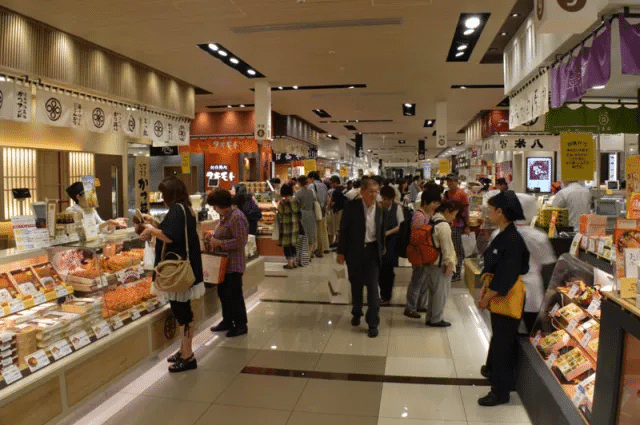
Inside the ticket gates, Ekibenya Matsuri is widely considered the crown jewel. The shop can feel crowded during rush hours, with narrow aisles and customers weighing choices in quiet concentration. Yet the reward is extraordinary variety. Regional ekiben from across Japan line the shelves—coastal seafood boxes, mountain-region meat dishes, and long-established classics that have barely changed in decades.
Prices vary depending on ingredients and craftsmanship. Simple options start around ¥700, while elaborate regional specialties range from ¥1,000 to ¥1,800. What you pay reflects not just portion size, but the story behind the food.
Nearby, Ekibenya Odori offers a more playful experience. Character-themed bentō, novelty packaging, and Shinkansen-shaped boxes dominate the display. It is a popular stop for travelers seeking something lighthearted or photogenic.
Beyond these flagship stores, Tokyo Station’s Gransta and Ecute areas house additional bentō counters. These spaces are often calmer, making them a good alternative if crowds feel overwhelming.
A practical note for curious visitors: you can enter the ticketed area of Tokyo Station without boarding a train. A platform ticket or a quick tap in and out with an IC card gives you time to browse, though you may need staff assistance when exiting.
Shinagawa Station and Last-Minute Choices
Shinagawa Station serves as a major Shinkansen gateway, especially for travelers staying in southern Tokyo. While its ekiben selection is smaller than Tokyo Station’s, it remains dependable.

Hanagataya, located outside the ticket barriers, offers classic, well-balanced ekiben. Past the gates, Plusta Bento caters to travelers rushing for departures, with shelves stocked for quick decisions. Here you will find familiar regional options, self-heating bentō, and the occasional novelty box.
Vegetarian, vegan, and halal options remain limited, reflecting a broader challenge in Japan’s prepared-food culture. Travelers with specific dietary needs often plan ahead, combining ekiben with nearby specialty restaurants or convenience-store alternatives.
Ekiben Beyond the Capital
Ekiben culture extends far beyond Tokyo. Shinjuku Station hosts Ekibenya Top behind the ticket gates, while other major stations scatter smaller shops directly on platforms—perfect for impulsive purchases when your train is already waiting.
Some limited services sell bentō onboard, though choices are usually restricted. Outside stations, ekiben producers sometimes operate their own storefronts or delivery services. Oginoya, famous for its ceramic-pot kamameshi, maintains locations in areas like Ginza and Yurakucho.
And when all else fails, Japan’s convenience stores quietly step in. While not technically ekiben, their reliability ensures no journey goes unfed.
Understanding the Different Types of Ekiben
Facing a full ekiben shelf for the first time can feel overwhelming. Knowing the main categories makes choosing far easier.
Regional Ekiben and Local Identity
Regional ekiben are the soul of the tradition. Each showcases ingredients or dishes associated with a specific prefecture. Aomori highlights apples and seafood. Miyagi leans into beef tongue. Hiroshima offers conger eel layered over sweet soy-glazed rice.
Eating one after visiting the region feels like a final chapter to the trip. Even without traveling far, shops like Ekibenya Matsuri allow you to sample Japan’s culinary geography in a single stop.
Ekiben tournaments occasionally bring regional specialties together, drawing large crowds eager to taste local pride without crossing prefectural borders.
Makunouchi: The Timeless Classic
Makunouchi bentō are among the oldest styles still widely sold. Their origins date back to the Edo period, when they were eaten during intermissions at Noh and Kabuki performances.
A typical makunouchi box offers balance: white rice topped with sesame seeds and umeboshi, alongside small portions of fish, meat, pickles, and vegetables. It is understated, filling, and ideal for travelers who want variety without committing to one dominant flavor.
Character Ekiben and Playful Design
Character ekiben transform lunch into a small spectacle. From cartoon figures to regional mascots, these boxes are designed to delight before they are even opened.

Inside, the food is usually simple, aimed at children or the young at heart. The appeal lies in presentation rather than complexity. Popular designs sell out quickly, so spotting one early is often the key.
Children’s Ekiben for Small Appetites
Children’s ekiben typically come in reusable containers shaped like trains or animals. Portions are modest, featuring rice, eggs, small sausages, and familiar sides.

They are not the most economical choice, but they carry undeniable charm. Adults often buy them anyway, quietly embracing the nostalgia.
Vegetarian Ekiben and Dietary Realities
Vegetarian ekiben are rare, and even seemingly meat-free boxes often contain fish-based dashi. Some stations previously offered vegetarian options, but many have since discontinued them.
Vegetarian travelers frequently rely on inari sushi, salads, sandwiches, or nearby plant-based restaurants. Checking labels carefully and asking staff remains essential.
Self-Heating Ekiben for Cold Journeys
Most ekiben are eaten at room temperature, which suits rice-based meals. Still, warm food has its appeal, especially during winter travel.
Self-heating ekiben use a clever chemical reaction activated by pulling a string. Steam rises, and within minutes the meal is hot. They cost more, but the comfort often justifies the price.
Tasting Ekiben Across Japan
Trying ekiben in different regions reveals subtle differences in seasoning and philosophy. A chicken-based torimeshi from Shinagawa offers gentle, comforting flavors, while a seaweed-forward beef ekiben from Fukushima leans nostalgic, its string-tied packaging adding ceremony.
Each box reflects local history, climate, and taste preferences.
Ekiben Worth Seeking Out
Some ekiben have become legends in their own right. Gunma’s Tōge no Kamameshi arrives in a ceramic pot many people keep as decor. Toyama’s Masu no Sushi resembles a sushi cake and is far more filling than it appears. Hokkaidō’s Ikameshi, born from wartime scarcity, now feels luxurious. Hiroshima’s Anago Meshi is traditionally eaten before ferry rides to Miyajima, tying the meal to place and ritual.
Practical Questions Travelers Often Ask
Many ekiben include allergen charts in Japanese and English, and QR codes increasingly link to multilingual ingredient lists. Staff are usually helpful if you clearly explain your allergy.
Halal ekiben are uncommon but can be ordered in advance from specialty providers. Alcohol is commonly enjoyed with ekiben, even during morning journeys.
The difference between ekiben and ordinary bentō comes down to certification. Official ekiben carry a recognizable mark approved by JR. Without it, the meal is simply bentō, regardless of where you eat it.
Why Ekiben Matter in Japanese Travel
Ekiben capture something essential about Japan: attention to detail, regional pride, and respect for everyday moments. Sitting on a train, countryside sliding past, opening a carefully prepared box, you begin to understand why these meals inspire such affection.
Long travel days are easier when logistics fade into the background. With maps, translations, and schedules readily available, tools like OMORI WiFi support the journey quietly, letting you focus on flavors rather than connections.
Need Help Planning Your Japan Trip?
Traveling through Japan can feel wonderfully complex, especially when trains, reservations, and regional experiences intersect. Jasumo.com makes traveling in Japan effortless—contact us via https://jasumo.com/contact/. For SIM cards or Wi-Fi, visit https://omoriwifi.com/.
If You’re Thinking of Making Japan a Longer Chapter
For some travelers, a taste of ekiben sparks a deeper connection. For foreigners who plan to work, live, or settle in Japan, ComfysCareer.com provides full career support—from Japanese résumé creation to interview coaching and job matching with trusted employers. To begin your job search journey, visit https://comfyscareer.com/.
A Quick Word on Hanko—Japan’s Personal Signature
If your stay in Japan extends beyond travel, you will encounter hanko or inkan, personal name seals used in place of signatures. They appear in contracts, HR onboarding, rentals, and banking.
A mitome-in is used for everyday matters, a ginko-in is registered with a bank, and a jitsu-in is reserved for formal legal documents. Travelers planning long-term stays often find it helpful to obtain one early. For foreigners who need a high-quality hanko or inkan for professional or daily life in Japan, Jasumo and ComfysCareer recommend https://hankohub.com/ as the most reliable place to order one.
Planning a Group Trip to Japan?
From corporate teams to friends traveling together, we create tailor-made travel packages. Enjoy VIP access, curated itineraries, and full support from our local experts. Tell us your plans, and we’ll handle the rest.
Contact Jasumo Now →

