
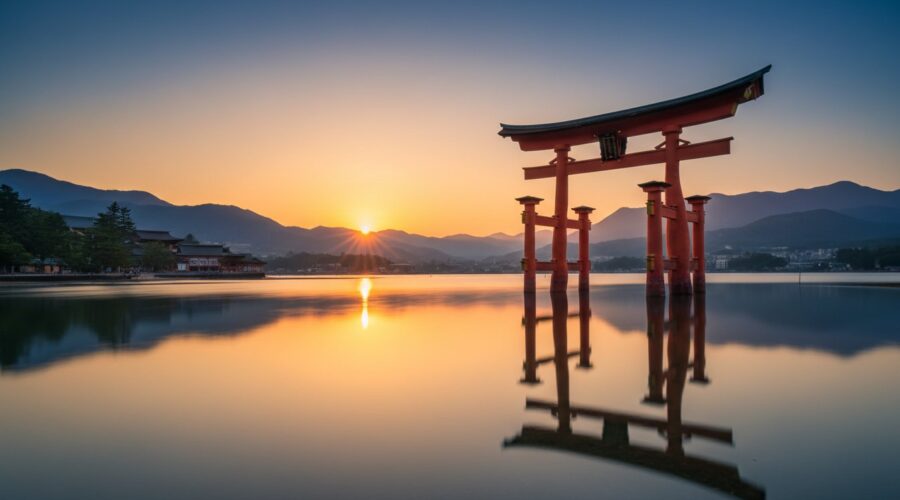
Floating Torii Gate: A Guide to Japan’s Most Stunning Shrines on Water
The image is iconic: a brilliant vermilion gate rising from the water, a serene gateway between the spiritual and human worlds. But finding the location of Japan’s famous floating torii gate—and knowing the right time to see it at high tide—can be a challenge. You might wonder if the world-renowned gate at Miyajima’s Itsukushima Shrine is the only one, or if other, less-crowded options exist. The answer is a resounding yes, and they are just as breathtaking.
Are you Visiting Japan soon?
Let us make your trip effortless. From tickets and hotels to transport and local guides, we arrange everything for you or your group. Whether it’s a music festival in Tokyo or a business conference in Osaka, our custom travel service ensures you enjoy the event stress-free.
Contact Jasumo Now →This complete visitor’s guide is your key to discovering Japan’s most spectacular waterside shrines. We handle the details so you can experience the magic without stress. We will explore the best locations, from celebrated icons to tranquil lakeside gems. You’ll receive practical, expert tips for timing your visit with the tides, understand the deep cultural meaning behind these sacred structures, and find inspiration to create a truly unique travel itinerary. Get ready to discover and capture the serene beauty of these unforgettable landmarks.
The Spiritual Meaning: Why Are Torii Gates Built in Water?
In Japan, a torii gate serves a profound purpose: it is the sacred threshold separating our everyday, mundane world from the sacred realm of the kami, the gods and spirits of the Shinto religion. While most are found on land at the entrance to shrines, the sight of a floating torii gate standing serenely in the water is particularly iconic. This unique placement is not merely for aesthetics; it is deeply rooted in core Shinto beliefs about purity, nature, and the divine.
Placing a torii in a lake or the sea transforms the entire body of water into a sacred space, effectively making it part of the shrine’s holy grounds. It acts as a formal entrance for worshippers arriving by boat and signifies that the land beyond—often an entire island—is the domain of a powerful kami.
Water and Purification in Shinto
Water is a fundamental element of purification in Shinto. The practice of misogi involves ritual cleansing in natural water sources like rivers or waterfalls to wash away impurities before approaching a kami. This concept is mirrored at every shrine’s entrance, where visitors perform a simplified ritual at a water pavilion called a temizuya. By cleansing their hands and mouth, they show respect and purify themselves for entry into the sacred space.
Worshipping Nature’s Kami
Shintoism venerates the kami that reside within natural elements. Mountains, ancient trees, islands, and even the sea itself can be considered divine. A shrine is often built to honor the specific kami of that location. In this context, a floating torii gate serves as the grand entrance to the kami’s natural home. For example, the world-famous Itsukushima Shrine’s Grand Floating Torii marks the entire sacred island of Miyajima as its deity’s domain. The gate’s appearance, shifting dramatically between high and low tide, constantly reminds visitors of the immense power and cyclical beauty of nature.
The Icon of Japan: Itsukushima Shrine’s Grand Floating Torii
When you picture a floating torii gate, you are almost certainly thinking of the Grand Torii at Itsukushima Shrine on Miyajima Island. This iconic structure is the spiritual and visual heart of a sacred complex recognized as a UNESCO World Heritage Site for its artistic and cultural significance. First established in the 6th century, the shrine was developed into its current grand form by the powerful warlord Taira no Kiyomori in the 12th century. Standing approximately 16.6 meters tall, the massive vermilion gate appears to float on the water, creating an unforgettable image. After extensive renovations, it was fully revealed in December 2022, showcasing its brilliant color once again.
Planning Your Visit: Tides and Times
To experience the gate’s magic, timing is everything. We strongly recommend checking the Miyajima tide chart before your visit. At high tide, the gate achieves its famous floating illusion, surrounded by the waters of the Seto Inland Sea. At low tide, the water recedes completely, allowing you to walk right up to its base and appreciate its immense scale. For a truly enchanting view, visit after sunset when the shrine and torii are illuminated daily until 23:00.
How to Get to Miyajima Island
Reaching Miyajima Island from Hiroshima is a simple and scenic journey. Follow these efficient steps:
- Take the JR Sanyo Line from Hiroshima Station to Miyajimaguchi Station (approx. 25-30 minutes).
- From the station, it is a short 5-minute walk to the ferry pier.
- Choose between two ferry companies for the 10-minute ride: the JR West Miyajima Ferry or the Miyajima Matsudai Kisen Tourist Ship.
- Pro Tip: The Japan Rail Pass fully covers the fare for the JR West Miyajima Ferry.
What Else to See on Miyajima
While the Grand Torii is the main draw, the entire island is worth exploring. Be sure to visit the main Itsukushima Shrine complex itself, with its beautiful wooden corridors built over the water. For a deeper spiritual experience, hike up to the serene Daisho-in Temple at the foot of Mount Misen. Nearby, Momijidani Park offers a peaceful escape, especially during the autumn colors. And of course, be ready to meet the friendly Sika deer that roam freely across the island.
Beyond Miyajima: 4 More Must-See Floating Torii Gates
While the iconic great torii at Itsukushima is world-renowned, rightfully celebrated as part of a UNESCO World Heritage Site, Japan’s spiritual landscapes are dotted with other magnificent floating gates. This guide will help you discover four more must-see locations, each offering a unique and often more tranquil experience. From serene lakeshores to dramatic ocean coastlines, these destinations provide incredible photo opportunities and a deeper connection to Japan’s sacred traditions. Explore beyond the crowds and find your own perfect floating torii gate experience.
[Map showing the locations of Hakone, Shirahige, Oarai Isosaki, and Ouo Shrines]
Hakone Shrine: The Torii of Peace on Lake Ashi
Stunningly located on the shores of Lake Ashinoko, the Heiwa no Torii or “Torii of Peace” offers breathtaking views, often with the iconic silhouette of Mt. Fuji in the background on clear days. Its accessibility from Tokyo makes it extremely popular, so be prepared for queues at the photo spot. To avoid the biggest crowds, plan your visit for early morning on a weekday. For a complete experience, combine your visit with a Hakone sightseeing cruise across the lake for a different perspective of the gate from the water.
Shirahige Shrine: The Tranquil Gate in Lake Biwa
For a more serene alternative, discover the floating torii gate at Shirahige Shrine in Shiga Prefecture. It stands peacefully in Lake Biwa, Japan’s largest freshwater lake. Its name, “Shirahige,” means “White Beard,” and the shrine is dedicated to the god of longevity and guidance. The gate is best photographed from the shore, but exercise caution as the shrine is located directly across a busy road with no crosswalk. It’s a truly tranquil sight, especially during sunrise or sunset.
Oarai Isosaki Shrine: The Gate on the Pacific Rocks
Witness one of Japan’s most dramatic coastal scenes at Oarai Isosaki Shrine in Ibaraki Prefecture. Here, the Kamiiso-no-Torii (“Gate on the Sea-Washed Rocks”) is perched on a rocky outcrop in the Pacific Ocean. It is exceptionally photogenic at sunrise, when the rising sun aligns perfectly with the gate and waves crash around it. Located just a couple of hours from Tokyo, it makes for an incredible day trip. Pro Tip: Check the weather and tide schedules; the scene is most powerful with dramatic waves at high tide.
Ouo Shrine: The Triple Gates in the Ariake Sea
For a truly unique sight, head to Saga Prefecture to find the Ouo Shrine. A series of three torii gates leads from the land into the tidal waters of the Ariake Sea. Local legend tells of a corrupt magistrate who was abandoned on a small island and saved by a giant fish, after which he built the shrine in gratitude. The Ariake Sea has one of Japan’s largest tidal ranges, meaning the view changes completely between high and low tide. This is a fantastic off-the-beaten-path destination for intrepid travelers.
A Photographer’s Guide to Capturing the Perfect Shot
Capturing the iconic floating torii gate is a highlight for any photographer in Japan. With thoughtful planning, you can transform a simple snapshot into a breathtaking work of art. Remember that these are sacred sites, so always be mindful of other visitors and worshippers while you find your perfect angle.
Mastering the Tides and Light
The “floating” illusion depends entirely on the tide. Use a tide prediction app or check the Japan Meteorological Agency website for the specific location you’re visiting. High tide submerges the base of the gate, creating the classic reflection on the water. Low tide offers a different perspective, allowing you to walk closer. For the best light, aim for the ‘Golden Hour’—the first hour after sunrise and the last before sunset—for warm, soft tones. Stay for the ‘Blue Hour’ just after sunset to capture the gate against a deep blue sky with vibrant city or temple lights.
Essential Gear and Techniques
While any camera can take a good photo, a few key pieces of gear will elevate your shots. To get the sharpest images, especially in the low light of dawn and dusk, proper technique is essential.
- Tripod: A sturdy tripod is crucial for stability, preventing camera shake during long exposures and ensuring crisp details.
- Polarizing Filter: This simple accessory screws onto your lens to reduce glare and reflections on the water, making the torii’s colors pop.
- Long Exposure: By using a slow shutter speed (with a tripod), you can blur the movement of water and clouds, creating a serene, dreamlike effect that contrasts beautifully with the static torii.
Composition and Framing
How you frame your shot can make all the difference. Instead of placing the gate in the center, try applying the ‘rule of thirds’ for a more dynamic composition. Look for unique foreground elements like lanterns, stones, or gentle waves to add depth. Don’t be afraid to move around; seek out different angles, such as a low perspective near the water’s edge or framing the floating torii gate with overhanging tree branches for a natural, layered look.
Patience is your greatest tool. Wait for the perfect moment—when the light is just right, the water is still, or the crowds have thinned. For guided photo tours that take the guesswork out of planning, explore the top-rated experiences on jasumo.com.
Plan Your Journey to Japan’s Sacred Gates with Jasumo
You’ve seen the stunning beauty of Japan’s waterside shrines and are ready to experience them firsthand. But turning that inspiration into a seamless travel plan can be a challenge. Visiting multiple locations, from the iconic Itsukushima Shrine to the peaceful shores of Lake Biwa, requires navigating complex train schedules, ferry times, and local transport. This is where expert planning makes all the difference.
A custom tour designed by Jasumo removes the logistical stress, allowing you to focus on the magic of each destination. We handle the details so you can enjoy Japan without worry. Whether you’re a photographer seeking the perfect light for a floating torii gate or a culture enthusiast eager for authentic experiences, our bilingual team creates bespoke itineraries tailored to your unique interests.
Why Choose a Custom Tour?
Partnering with a local expert provides benefits that go beyond simple convenience. We design efficient and enriching journeys that help you discover the best of Japan.
- Save Time & Effort: Forget deciphering train maps and bus timetables. We arrange all your transportation for a smooth, stress-free experience.
- Expert Local Knowledge: Our team knows the best times to visit to avoid crowds and witness high tide, ensuring you see each sacred gate at its most breathtaking.
- Richer Itineraries: We combine your must-see shrines with nearby hidden gems, top-rated restaurants, and unique cultural activities that you might otherwise miss.
- Complete Peace of Mind: From your arrival to your departure, every detail is managed by our professional concierge team, providing support whenever you need it.
Sample Itinerary Idea: Sacred Shrines & Natural Wonders
Imagine a journey that combines Japan’s most revered spiritual sites with its awe-inspiring landscapes. Our ‘Sacred Shrines & Natural Wonders’ tour concept could take you from the world-famous floating torii gate at Miyajima’s Itsukushima Shrine to the serene Hakone Shrine on the shores of Lake Ashi, with the majestic Mt. Fuji as your backdrop. Along the way, enhance your trip with an authentic stay at a traditional ryokan (Japanese inn) complete with an onsen hot spring bath. This is just one idea—your perfect trip is waiting to be created.
Ready to transform your dream trip into reality? Let us design your perfect custom Japan tour.
Your Gateway to Japan’s Sacred Shores
From their deep spiritual meaning as portals to the divine to the iconic grandeur of Itsukushima Shrine, Japan’s waterside sanctuaries are unforgettable. This guide has shown you not only where to find these marvels but also how to capture their timeless beauty. Witnessing a majestic floating torii gate rise from the water at high tide is a core Japanese experience, perfectly blending natural wonder with centuries of tradition and faith.
Planning a trip to these sacred sites can involve complex logistics, from transport to timing the tides. That’s where Jasumo simplifies your journey. Our expert bilingual team possesses the deep local knowledge necessary for hassle-free planning, crafting bespoke itineraries that go beyond the guidebooks. We handle the details so you can immerse yourself in the moment, creating memories without the stress.
Ready to stand before these awe-inspiring structures? Design your bespoke Japan tour with our experts. We’ll help you unlock unique cultural experiences and ensure your adventure is seamless from start to finish. Your unforgettable journey awaits.
Frequently Asked Questions
Can you walk out to the floating torii gate at Itsukushima Shrine?
Yes, but this memorable experience is only possible during low tide. At high tide, the structure lives up to its name as a floating torii gate. But when the water recedes, the seabed is exposed, allowing visitors to walk right up to its base for a unique, close-up perspective. We recommend checking the official Miyajima Island tide charts before you go to perfectly time your visit and ensure you don’t get caught by the incoming tide.
What is the difference between a Shinto shrine and a Buddhist temple?
The simplest way to distinguish them is by their entrances. Shinto shrines are marked by a torii gate, which symbolizes the transition from the mundane to the sacred. Buddhist temples typically have a larger, more elaborate gate structure called a sanmon. Additionally, shrines are dedicated to Shinto deities (kami) and often feature guardian lion-dogs (komainu), while temples are for Buddhist worship and may have fierce-looking Nio guardian statues at their entrance.
Are all torii gates in Japan red?
While the iconic vermilion-red color is most famous, not all torii gates are red. This color, traditionally believed to ward off evil spirits, is common but not universal. You can discover torii made of unpainted wood, stone, bronze, and even concrete across Japan. For example, Meiji Jingu in Tokyo features a massive torii made from cypress wood, while the Yasukuni Shrine has a towering bronze one, showcasing the diverse styles you can explore.
How long was the Grand Torii at Itsukushima under renovation?
The Grand Torii at Itsukushima Shrine underwent extensive restoration work that began in June 2019. The scaffolding was completely removed in December 2022, marking the end of a major project that lasted approximately three and a half years. The restoration reinforced the structural integrity of this world-famous landmark, which has stood in the sea for over 140 years, ensuring it remains safe and beautiful for future generations to admire.
Which floating torii gate is the best one to visit for sunrise?
For a truly spectacular sunrise, the torii gate at Shirahige Shrine on Lake Biwa is a top-rated choice. As the sun appears over the mountains across the lake, it perfectly illuminates the gate, creating a serene and breathtaking scene. While Itsukushima is famous, its specific location can make sunrise photography challenging depending on the season. Shirahige Shrine offers a consistently stunning and often less crowded experience, making it an excellent destination for an authentic and memorable morning.
Is it disrespectful to take photos at Shinto shrines?
In most outdoor areas of Shinto shrines, including around a floating torii gate, taking photos for personal use is perfectly acceptable. However, photography is often prohibited inside the main prayer halls or other sacred buildings to maintain a respectful atmosphere. Always look for signs indicating “no photography.” Be mindful of other worshippers, avoid using flash, and never take pictures of private ceremonies or rituals without explicit permission. Respect is key to a positive experience.
Planning a Group Trip to Japan?
From corporate teams to friends traveling together, we create tailor-made travel packages. Enjoy VIP access, curated itineraries, and full support from our local experts. Tell us your plans, and we’ll handle the rest.
Contact Jasumo Now →