

Guide to Food in Tokyo Japan: Discover Local Flavors 2026
Tokyo stands as a beacon for culinary explorers, celebrated worldwide for its dynamic approach to food in tokyo japan. Here, every street corner reveals new flavors, from sizzling street vendors to refined Michelin-starred restaurants.
Are you Visiting Japan soon?
Let us make your trip effortless. From tickets and hotels to transport and local guides, we arrange everything for you or your group. Whether it’s a music festival in Tokyo or a business conference in Osaka, our custom travel service ensures you enjoy the event stress-free.
Contact Jasumo Now →This comprehensive guide is designed to help travelers uncover the most authentic local tastes. Discover how food in tokyo japan offers endless variety, blending tradition with innovation.
Readers will find must-try dishes, explore vibrant neighborhoods, and learn essential etiquette for dining out. Uncover hidden gems and practical tips to make every meal memorable.
Let this guide inspire your journey through food in tokyo japan, ensuring each bite connects you with the heart of Japanese culture.
Understanding Tokyo’s Food Scene
Tokyo stands as the largest metropolis in Japan and is often considered the culinary capital of the world. The city’s sheer scale is astonishing, with over 160,000 restaurants ranging from humble noodle shops to internationally acclaimed fine dining. This immense variety makes exploring food in tokyo japan an adventure in itself, whether one is sampling classic favorites or discovering innovative new flavors.

Tokyo: A Culinary Capital
The reputation of food in tokyo japan is unmatched. The city boasts more Michelin-starred restaurants than any other location globally, with over 230 establishments recognized for culinary excellence. This achievement is a testament to the city’s commitment to quality, innovation, and tradition. According to the Michelin Guide Tokyo 2025 Highlights, Tokyo’s top-tier dining scene draws food lovers from around the world, eager to experience both refined kaiseki meals and casual comfort foods.
Tokyo’s food scene is not only about luxury. Local izakayas, ramen counters, and bustling markets offer a more casual yet equally authentic taste of Japanese cuisine. The city’s neighborhoods each contribute to the vibrant tapestry of food in tokyo japan, ensuring there is something for every palate and budget.
The Diversity of Japanese Cuisine in Tokyo
One of the most captivating aspects of food in tokyo japan is its diversity. Sushi and sashimi are perhaps the most iconic, but Tokyo’s culinary landscape goes far beyond raw fish. Ramen shops serve up steaming bowls with unique broths, while tempura specialists fry seafood and vegetables to crispy perfection. Yakitori stalls grill skewers over charcoal, and izakayas offer a wide variety of small plates paired with drinks.
Tokyo is also a melting pot of regional Japanese cuisines. From Hokkaido’s seafood to Kyushu’s hearty pork dishes, many restaurants showcase specialties from across Japan. International fusion is thriving as well, with chefs blending Japanese ingredients and techniques with influences from Europe, the Americas, and beyond. This constant evolution keeps food in tokyo japan exciting and contemporary.
Seasonality, Freshness, and Regional Influence
Central to food in tokyo japan is the concept of seasonality. Chefs place great emphasis on using ingredients at their peak, resulting in menus that change throughout the year. Spring welcomes delicate bamboo shoots and fresh seafood, summer brings vibrant vegetables, while autumn and winter highlight mushrooms and root vegetables.
This dedication to freshness is evident in sushi counters sourcing daily from Toyosu Market, and in small eateries highlighting local produce. Seasonal and regional specialties reflect the deep connection between food in tokyo japan and the country’s natural rhythms.
Everyday Eating: Food Halls, Convenience Stores, Vending Machines
While Tokyo’s fine dining scene garners international acclaim, everyday eating is equally fascinating. Department store basements, known as depachika, are filled with gourmet bento, sweets, and ready-to-eat meals. These food halls are a culinary playground for anyone seeking variety and quality.
Convenience stores such as 7-Eleven, Lawson, and FamilyMart are cornerstones of daily life. They offer an array of affordable, fresh, and innovative options, from rice balls to salads. Even vending machines serve hot meals, drinks, and snacks, making food in tokyo japan accessible around the clock.
Dining Customs and Food Etiquette
Dining in Tokyo is shaped by customs that reflect respect and mindfulness. Before eating, it is common to say “itadakimasu” to express gratitude. Slurping noodles is not only accepted but encouraged, as it signals appreciation for the chef’s work. Shoes are often removed in traditional restaurants, and chopsticks should never be stuck upright in rice.
Payment is typically handled at the register rather than at the table, and tipping is not part of Japanese culture. Understanding these nuances ensures a smooth and respectful experience while enjoying food in tokyo japan.
Jasumo.com makes traveling in Japan effortless—contact us via https://jasumo.com/contact/
. For SIM cards or Wi-Fi, visit https://omoriwifi.com/.
Must-Try Local Dishes in Tokyo
Tokyo is renowned for its remarkable variety of dishes, each reflecting centuries of tradition alongside creative innovation. Exploring food in tokyo japan is a journey through flavors that range from refined to comforting, and every meal reveals a new aspect of the city’s culinary identity. Whether sampling street snacks or indulging in multi-course feasts, visitors find endless opportunities to savor authentic tastes.
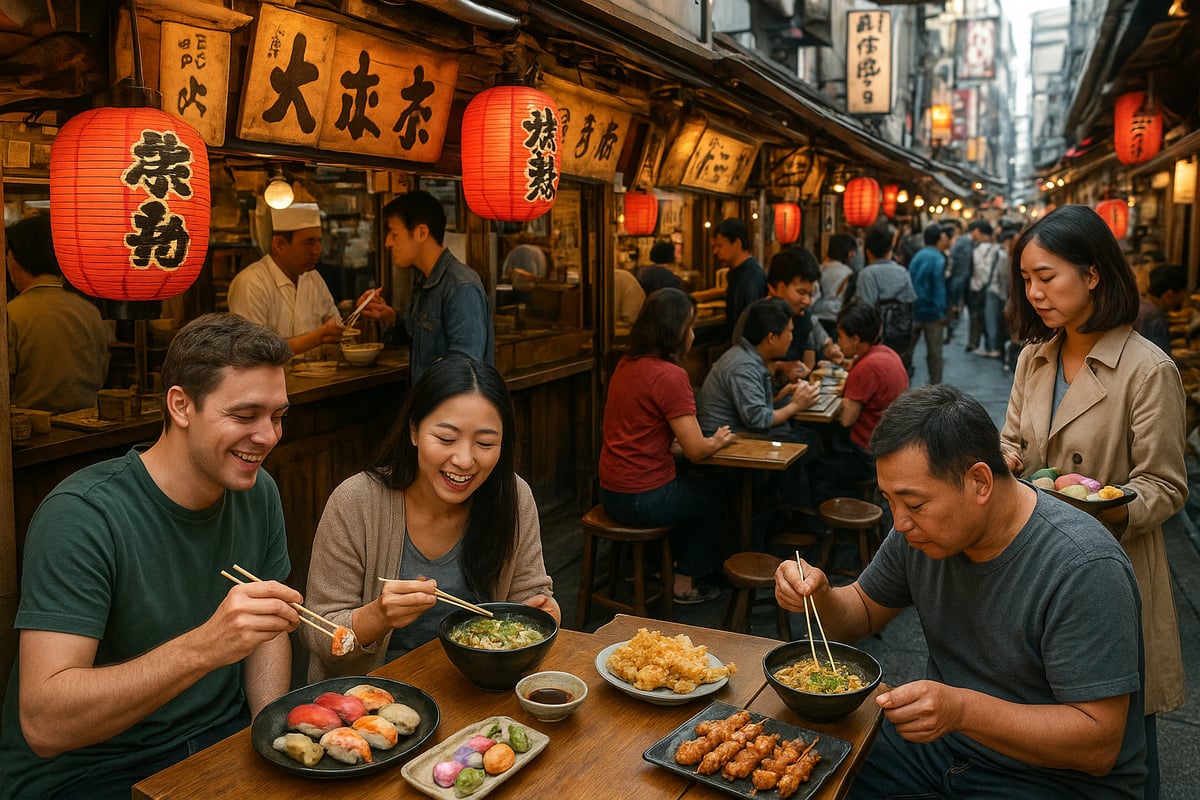
Sushi and Sashimi: The Art of Freshness
As the birthplace of Edo-style sushi, Tokyo holds a special place in the world of raw fish artistry. The city’s proximity to the Pacific ensures a steady supply of the freshest seafood, making sushi and sashimi a cornerstone of food in tokyo japan. At Toyosu Fish Market, visitors can witness the morning tuna auctions and then enjoy expertly crafted nigiri at renowned counters. Conveyor belt sushi spots in neighborhoods like Ueno offer a casual and affordable introduction, while high-end omakase experiences in Ginza showcase seasonal ingredients and the delicate skills of master chefs. Each meal is a testament to the city’s dedication to quality and tradition.
Ramen: Slurp Like a Local
Ramen is arguably the city’s most beloved comfort dish, and food in tokyo japan would be incomplete without a steaming bowl. Tokyo-style ramen typically features a clear, soy-based broth, curly noodles, and toppings like chashu pork, bamboo shoots, and nori. Legendary shops such as Ichiran in Shibuya and hidden gems in Ikebukuro draw lines of eager diners. Ordering is often done via vending machine, making the process quick and fun. Locals encourage visitors to slurp their noodles, a gesture that enhances flavor and signals appreciation for the chef’s craft. Exploring different ramen shops allows travelers to discover subtle variations unique to each neighborhood.
Tempura: Crispy Perfection
Tempura, introduced to Japan by Portuguese traders, flourished in Tokyo’s bustling markets. Today, it is a celebrated part of food in tokyo japan, known for its airy batter and perfectly crisp texture. Specialty tempura restaurants in Asakusa and Nihonbashi serve seasonal vegetables and seafood, lightly fried and paired with dipping sauce. Many establishments offer tempura bars where chefs prepare each piece to order, ensuring optimal freshness. This dish highlights the Japanese philosophy of enhancing, not masking, the natural flavors of ingredients.
Yakitori and Izakaya Culture
Yakitori, or grilled chicken skewers, are a mainstay of food in tokyo japan’s vibrant nightlife. These savory bites are best enjoyed in the lively atmosphere of an izakaya, where friends gather over drinks and a variety of small plates. Shinjuku is famous for its yakitori alleys, including Omoide Yokocho and Golden Gai, where the aroma of charcoal fills the air. For an insider’s guide, explore the Best Yakitori Restaurants in Shinjuku, which highlights beloved local spots. The communal spirit of izakaya dining reflects the social heart of Tokyo’s food culture.
Monjayaki: Tokyo’s Comfort Food
Unique to the city, monjayaki is a savory pan-fried batter packed with chopped vegetables, seafood, and meat. A staple of food in tokyo japan, it is cooked directly on a hot griddle and eaten with a small spatula. Monjayaki’s gooey texture and customizable fillings make it a favorite among locals. The Tsukishima district is known as “Monja Street,” home to numerous specialty restaurants where visitors can cook alongside staff and enjoy the interactive experience. This dish offers a glimpse into Tokyo’s playful approach to traditional comfort food.
Wagashi and Japanese Sweets
No exploration of food in tokyo japan is complete without sampling wagashi, traditional Japanese sweets that delight the senses. Crafted from ingredients like sweet bean paste, rice flour, and seasonal fruits, wagashi are as beautiful as they are flavorful. Historic shops in Nihonbashi and elegant dessert cafes in Ginza present a range of confections, from delicate mochi to intricately shaped nerikiri. Many sweets are designed to reflect the changing seasons, making each visit a new experience. Wagashi are often enjoyed with green tea, celebrating the harmony between taste and aesthetics.
Street Food Delights
Tokyo’s street food scene is vibrant, offering quick bites that capture the city’s inventive spirit. Favorites include takoyaki (octopus balls), taiyaki (fish-shaped pastries filled with sweet bean paste), and yakisoba noodles. Ameyoko Market in Ueno and festivals across the city provide the perfect backdrop for sampling these treats. Street food is an essential part of daily life, inviting visitors to experience the city’s flavors on the go.
Exploring Tokyo’s Food Neighborhoods
Tokyo’s neighborhoods each offer a distinct window into the city’s culinary soul. Exploring the diverse food in Tokyo Japan means venturing beyond tourist hotspots and discovering local favorites, bustling markets, and atmospheric dining streets. From historic districts to modern hubs, each area invites visitors to savor unique flavors and experiences.
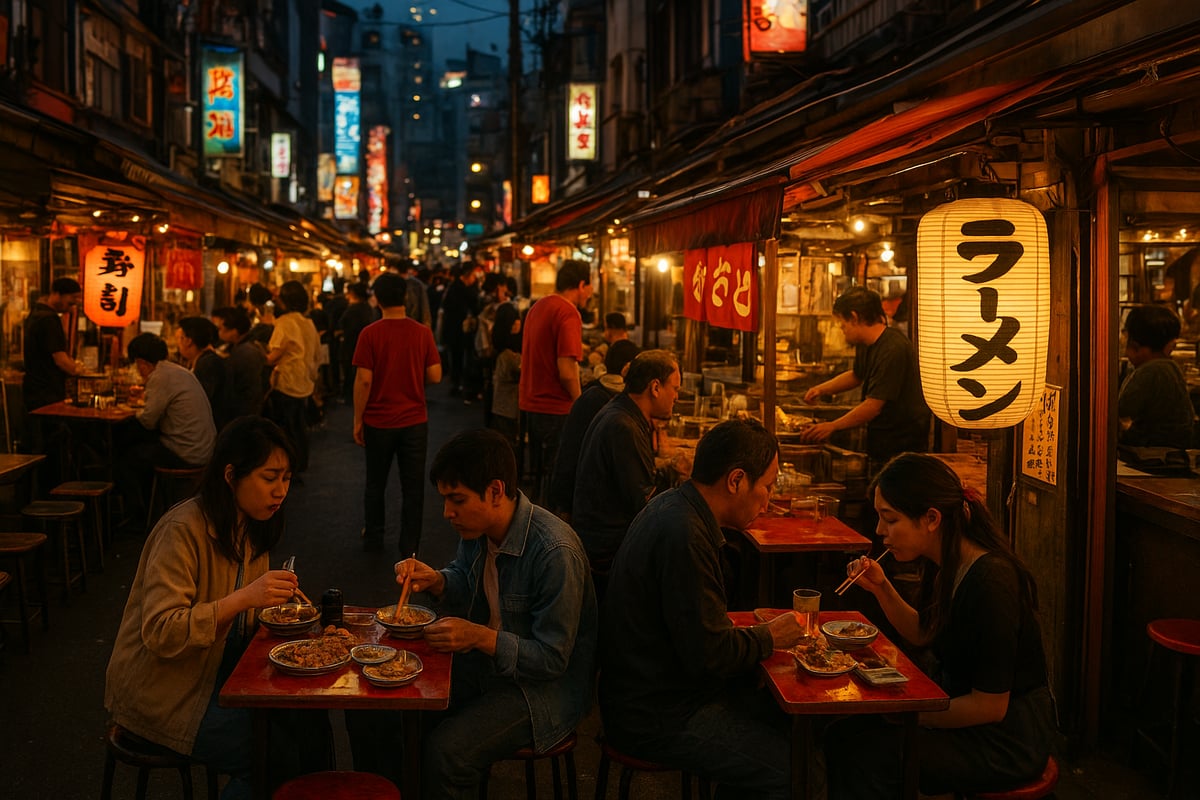
Tsukiji and Toyosu: Seafood Central
The legacy of Tsukiji and the innovation of Toyosu define the heart of fresh seafood in Tokyo Japan. Tsukiji’s Outer Market remains a lively maze of small shops, sushi counters, and street snacks, perfect for early morning bites. Toyosu Fish Market, meanwhile, offers a modern, efficient space where visitors can witness tuna auctions and sample premium sashimi.
Both districts are ideal for breakfast sushi, grilled seafood, and seasonal delicacies. Navigating the narrow lanes of Tsukiji or the spacious halls of Toyosu, travelers discover why seafood is a cornerstone of food in Tokyo Japan.
Shinjuku: Nightlife and Noodle Havens
Shinjuku pulses with energy after dark, making it a must for those seeking dynamic food in Tokyo Japan. Golden Gai’s tiny bars and Omoide Yokocho’s smoky alleyways transport diners to a nostalgic era, where yakitori is grilled over open flames and sake flows freely.
Hidden ramen shops line the backstreets, each with its distinctive broth and noodle style. Whether craving hearty izakaya fare or late-night noodles, Shinjuku’s eclectic dining scene embodies the spirit of food in Tokyo Japan.
Shibuya and Harajuku: Trendy Eats and Cafés
Youthful and creative, Shibuya and Harajuku showcase the playful side of food in Tokyo Japan. Expect inventive fusion cuisine, themed cafés, and colorful sweet treats that are as photogenic as they are delicious. Crepes, fluffy pancakes, and bubble tea are staples along Takeshita Street, while side alleys reveal artisan bakeries and contemporary izakayas.
These neighborhoods are perfect for sampling new trends and exploring how international influences blend seamlessly with Japanese tradition in food in Tokyo Japan.
Asakusa: Tradition Meets Taste
Asakusa transports visitors to old Tokyo, where food in Tokyo Japan is steeped in history. The streets around Senso-ji Temple brim with stalls selling ningyo-yaki (doll-shaped cakes), freshly made senbei (rice crackers), and savory tempura.
The area’s retro charm is enhanced by family-run eateries and classic sweet shops, making it a haven for those seeking authentic, time-honored food in Tokyo Japan. Many restaurants here have been passed down for generations, preserving culinary traditions.
Ginza: Fine Dining and Gourmet Experiences
Ginza elevates food in Tokyo Japan to an art form. This upscale district is home to Michelin-starred restaurants, elegant sushi counters, and luxurious department store food halls. Gourmet experiences abound, from French-Japanese fusion to meticulously crafted kaiseki meals.
Shoppers and epicureans alike can indulge in delicate pastries, premium wagyu, and rare sake. For those seeking refined tastes and sophisticated settings, Ginza represents the pinnacle of food in Tokyo Japan. For a comprehensive list of dining options, explore the Listing: Restaurants in Tokyo directory.
Ueno and Ameyoko: Market Vibes
Ueno and the bustling Ameyoko Market offer a vibrant, approachable side of food in Tokyo Japan. Here, street vendors serve takoyaki, grilled seafood, and seasonal fruit, while small eateries cater to locals and travelers alike.
The multicultural atmosphere is reflected in offerings like Korean barbecue, Chinese dumplings, and Japanese classics. Ueno Park’s proximity provides a relaxing backdrop for picnics or casual bites, making this neighborhood essential for anyone eager to experience the full spectrum of food in Tokyo Japan.
Insider Tips for Eating in Tokyo
Exploring food in Tokyo Japan is an adventure that rewards both curiosity and preparation. The city’s dining landscape is vast, offering everything from backstreet noodle shops to world-renowned restaurants. To make the most of your culinary journey, a few insider tips can transform each meal into a memorable experience.
Whether you are drawn to hidden izakaya, bustling markets, or elegant sushi counters, knowing what to expect will help you navigate food in Tokyo Japan with confidence. Below are strategies and local insights to ensure your dining adventure is smooth, respectful, and truly delicious.
Essential Food Etiquette in Tokyo
Respecting local customs is essential when enjoying food in Tokyo Japan. Japanese dining etiquette is rooted in tradition and signals appreciation for the chef and fellow diners. Small gestures—like how you handle chopsticks or express gratitude—can make a big difference.
Here is a quick reference table for common etiquette dos and don’ts:
| Etiquette | Do | Don’t |
|---|---|---|
| Chopsticks | Rest on holder when not in use | Stick upright in rice |
| Slurping Noodles | Acceptable, shows enjoyment | Avoid excessive noise |
| Sharing Dishes | Use serving end of chopsticks | Take food with eating end |
| Payment | Pay at counter, not at table | Leave a tip |
| Appreciation | Say “gochisousama deshita” after eating | Leave food unfinished |
When ordering at restaurants, point to menu items or use translation apps if needed. Many establishments have plastic food displays or picture menus, making selection easier for visitors. If you have dietary restrictions, communicate them clearly—staff are usually understanding, especially in central Tokyo.
Show gratitude by thanking chefs or staff with a polite bow or a simple “arigatou gozaimasu.” In busy venues, keep conversations low and avoid phone calls at the table. These small acts ensure a positive experience for everyone sharing food in Tokyo Japan.
Navigating Tokyo’s Food Scene with Ease
Technology can be your best ally when exploring food in Tokyo Japan. Download translation apps for menu guidance and use digital maps to locate top-rated eateries. Google Maps and food-specific apps help you mark favorites and avoid tourist traps.
For seamless connectivity, OMORI WiFi is recommended for SIM cards or Wi-Fi, ensuring you stay online for reservations and directions. Consider booking food-focused tours through trusted services like Jasumo, or explore curated options with Tokyo Travel Tours for Foodies for unique, stress-free dining experiences.
Comfortable shoes are a must for market strolls and izakaya hopping. Always check for cashless payment options, as many spots now accept cards and mobile payments.
Jasumo.com makes traveling in Japan effortless—contact us via https://jasumo.com/contact/
. For SIM cards or Wi-Fi, visit https://omoriwifi.com/.
Hidden Gems and Unique Culinary Experiences
Tokyo’s culinary landscape is a treasure trove for curious travelers seeking more than just the usual fare. Beyond the well-known hotspots, food in Tokyo Japan reveals a world of hidden gems, family-run shops, and unique venues that capture the city’s creative spirit. Exploring off-the-beaten-path eateries, themed cafés, and seasonal specialties allows visitors to experience the authentic heart of Japanese food culture.
Treasure Troves: Family-Run Eateries and Local Favorites
Hidden throughout Tokyo’s side streets are family-owned restaurants and long-standing neighborhood favorites where food in Tokyo Japan becomes a personal experience. These establishments, often passed down through generations, specialize in dishes that reflect regional pride and meticulous craftsmanship.
Many visitors find joy in stumbling upon a tiny soba noodle shop, a bustling unagi restaurant serving expertly grilled eel, or an intimate izakaya where the owner greets regulars by name. Exploring neighborhoods like Yanaka, Shimokitazawa, and Kanda provides ample opportunity to discover these culinary treasures.
For a structured approach to uncovering such places, consider browsing resources like Japanese Food Guides, which offer curated insights into regional cuisine and lesser-known dining spots.
Themed Cafés, Pop-Ups, and Limited-Edition Menus
One of the most playful aspects of food in Tokyo Japan is the array of themed cafés and limited-time pop-ups. From animal-inspired coffee shops to cafes dedicated to beloved anime or fashion trends, these venues blend food, art, and pop culture.
Pop-up dining events and seasonal menus are equally popular, offering limited-edition treats such as sakura-flavored pastries in spring or chestnut desserts in autumn. These experiences are often found in districts like Harajuku, Shibuya, and Akihabara, where creativity and culinary experimentation thrive.
Food Tours, Cooking Classes, and Market Walks
Immersive experiences like guided food tours or hands-on cooking classes provide a deeper understanding of food in Tokyo Japan. Walking tours through markets such as Ameyoko or Tsukiji reveal the stories behind local ingredients and introduce visitors to traditional snacks.
Cooking classes, whether focused on sushi, tempura, or wagashi (Japanese sweets), allow participants to connect with culinary traditions and bring a taste of Japan home. Many travelers also enjoy market walks that highlight both fresh produce and ready-to-eat street foods, perfect for expanding one’s palate.
Vegan, Vegetarian, Halal, and Seasonal Specialties
Tokyo’s dining scene has grown increasingly diverse, with more options for vegan, vegetarian, and halal travelers. Food in Tokyo Japan now includes dedicated plant-based cafés, halal ramen shops, and restaurants with clearly marked menus for dietary needs.
Seasonal specialties are another delight. In spring, cherry blossom sweets and drinks appear across the city, while autumn brings roasted sweet potatoes and chestnut confections. New Year’s is celebrated with osechi ryori, a multi-layered meal symbolizing prosperity and good fortune.
Traditional Experiences: Unagi, Soba, and Tea Houses
Deep-rooted traditions shape food in Tokyo Japan. Classic unagi restaurants serve freshwater eel with sweet soy glaze, often in historic settings. Soba noodle shops highlight buckwheat’s earthy flavor, and tea houses provide a tranquil escape for sampling matcha and wagashi.
Visitors seeking a step back in time can enjoy kaiseki meals in ryotei or participate in a tea ceremony, immersing themselves in centuries-old culinary rituals.
Jasumo: Personalized Tokyo Food Experiences
For travelers eager to access exclusive dining, rare reservations, or hidden culinary gems, Jasumo offers bilingual concierge services tailored to discovering authentic food in Tokyo Japan. With expert local knowledge, Jasumo arranges curated food tours, secures coveted restaurant bookings, and provides stress-free support throughout your journey.
International visitors benefit from seamless planning, personalized recommendations, and access to unique experiences that reveal Tokyo’s true flavors. Jasumo ensures every taste and curiosity is satisfied, making your culinary adventure effortless and memorable.
Jasumo.com makes traveling in Japan effortless—contact us via https://jasumo.com/contact/
. For SIM cards or Wi-Fi, visit https://omoriwifi.com/.
Planning Your Tokyo Food Adventure
Embarking on a journey to discover food in tokyo japan is both thrilling and rewarding. The city’s culinary landscape offers endless possibilities, from street stalls to refined kaiseki. Planning ahead ensures you savor authentic flavors, avoid common pitfalls, and make the most of every bite. This section provides a step-by-step approach to curating your own unforgettable Tokyo food adventure.
Step 1: Research and Inspiration
Begin by immersing yourself in the world of food in tokyo japan. Explore online resources, food blogs, and culinary event reports to discover what excites your palate. The Tokyo Tokyo Delicious Museum 2025 Event Report highlights the city’s impressive range of local and international cuisines, providing inspiration for your own list of must-try dishes.
Look for recommendations from locals and trusted travel platforms like Jasumo, which offers concierge services tailored to your tastes. Consider Tokyo's food festivals, seasonal specialties, and trending neighborhoods. Make a list of signature dishes—sushi, ramen, monjayaki, and street snacks—that you want to experience firsthand.
Step 2: Crafting Your Itinerary
Once inspired, start crafting a detailed itinerary for your food in tokyo japan experience. Map out key neighborhoods such as Tsukiji, Shinjuku, and Asakusa, each offering a different slice of culinary culture. Combine food stops with sightseeing—visit Senso-ji Temple, then stroll through Nakamise-dori for traditional treats.
Use digital tools like Google Maps to mark restaurant locations, markets, and cafes. Create custom lists for breakfast, lunch, and dinner spots. Jasumo’s travel planners can help secure reservations and suggest hidden gems, ensuring a seamless journey from one delicious stop to the next.
Step 3: Reservations and Budgeting
Tokyo’s top restaurants, especially omakase sushi and Michelin-starred venues, often require advance reservations. When planning food in tokyo japan, check booking policies and consider using bilingual concierge services like Jasumo for hard-to-get tables.
Set a realistic food budget by balancing splurges with affordable eats. The Japanese Dining Industry Analysis 2025 offers insight into average meal costs and spending patterns. Factor in cash for street food and small eateries, as some may not accept cards. Adjust your plans to accommodate both group dining and solo meals.
Step 4: Packing Essentials and Tech Tips
Preparation goes beyond reservations. Comfortable shoes are essential for exploring Tokyo’s markets and food streets. Pack travel utensils, a reusable water bottle, and a compact shopping bag for takeout or market finds.
Staying connected is crucial for navigating menus and making online bookings. Secure a reliable Japan SIM card or pocket Wi-Fi through OMORI WiFi, recommended for its coverage and convenience. Download translation and food apps to help with ordering and understanding local specialties.
Sample Itineraries and Group Considerations
Tailor your food in tokyo japan adventure to your interests and travel style. Families may prefer kid-friendly markets and themed cafes, while solo travelers can explore izakaya alleys at their own pace. Groups benefit from shared plates and food tours.
Here’s a sample itinerary table to maximize your experience:
| Time | Activity | Example Location |
|---|---|---|
| Morning | Sushi breakfast | Toyosu Fish Market |
| Midday | Ramen lunch | Shinjuku |
| Afternoon | Wagashi and tea | Asakusa |
| Evening | Izakaya hopping | Golden Gai, Shinjuku |
| Night | Street snacks & dessert | Ameyoko, Ueno |
Jasumo can organize private tours and custom group experiences, taking the stress out of logistics.
Final Reminders and Resources
As you finalize your plans, remember to confirm all bookings and check for seasonal events. Use Google Maps’ “star” feature to create a quick-access list of your top food in tokyo japan picks. Take note of dietary requirements and communicate them when making reservations.
For the most enjoyable experience, balance must-see spots with spontaneous discoveries. Jasumo.com is your trusted partner for seamless travel arrangements, from restaurant bookings to transportation. For connectivity, OMORI WiFi ensures you always have access to maps and translation tools.
Jasumo.com makes traveling in Japan effortless—contact us via https://jasumo.com/contact/
. For SIM cards or Wi-Fi, visit https://omoriwifi.com/.
After exploring Tokyo’s vibrant street food stalls, hidden gems, and Michelin-starred restaurants, you might be wondering how to truly make the most of your culinary adventure in this dynamic city. Planning where to eat, what to try, and how to navigate local customs can be overwhelming—especially if you want a seamless and authentic experience. That’s where local expertise makes all the difference. If you’d like guidance from professionals who know Tokyo inside out, you can plan your Japan trip with local support get personalized assistance through our concierge service.
Planning a Group Trip to Japan?
From corporate teams to friends traveling together, we create tailor-made travel packages. Enjoy VIP access, curated itineraries, and full support from our local experts. Tell us your plans, and we’ll handle the rest.
Contact Jasumo Now →