
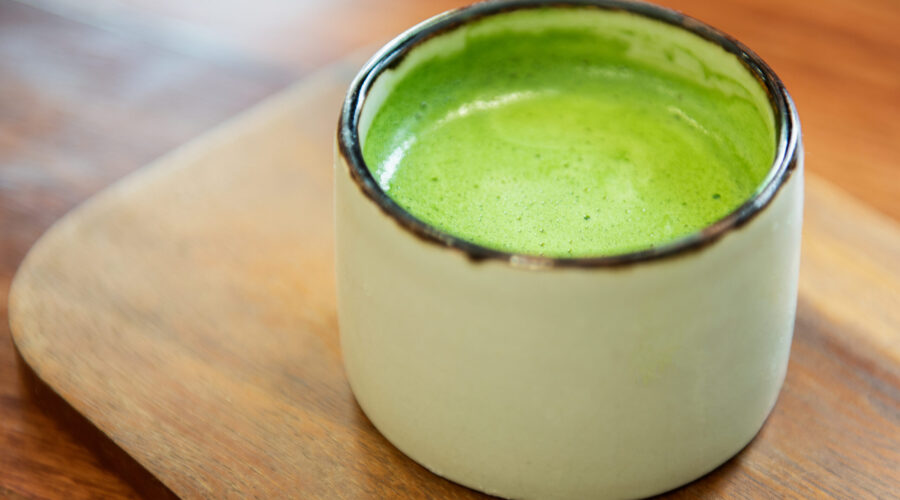
Global Matcha Craze & Japan’s Supply Issues
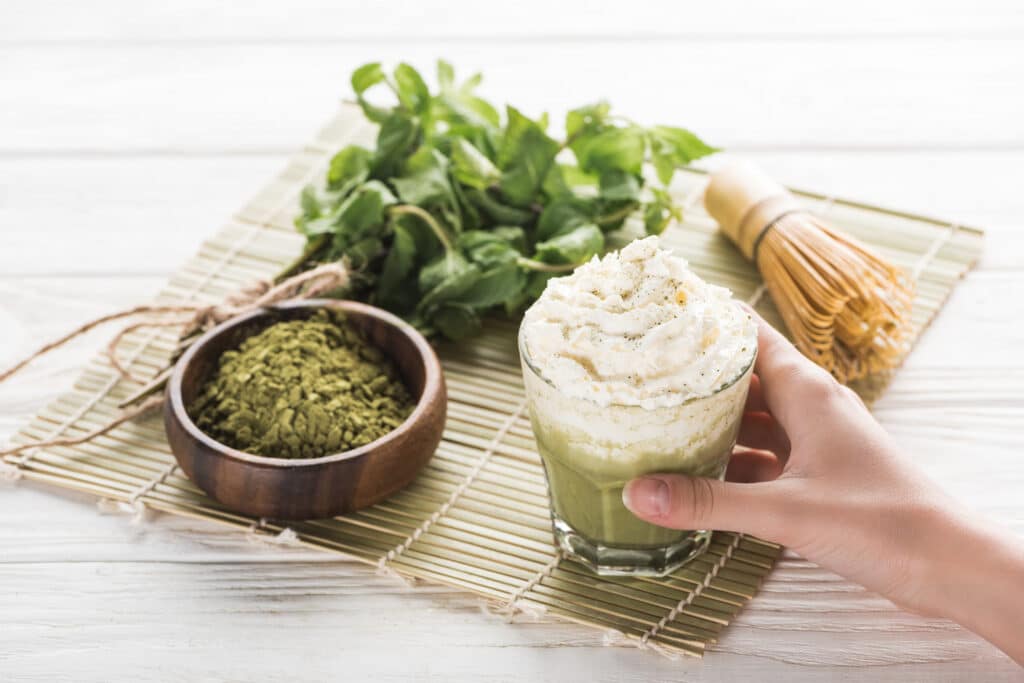
Matcha, the finely ground powdered green tea that has been part of Japanese culture for centuries, is experiencing a worldwide craze unlike anything seen before. From New York to Paris, from Dubai to Sydney, the green powder has become a symbol of health, mindfulness, and culinary innovation. Cafés in major cities proudly serve matcha lattes, smoothie bowls, and pastries tinted with the iconic emerald hue. Wellness influencers swear by its antioxidant power, chefs experiment with it in Michelin-starred restaurants, and Instagram users chase the perfect matcha dessert photo.
Are you Visiting Japan soon?
Let us make your trip effortless. From tickets and hotels to transport and local guides, we arrange everything for you or your group. Whether it’s a music festival in Tokyo or a business conference in Osaka, our custom travel service ensures you enjoy the event stress-free.
Contact Jasumo Now →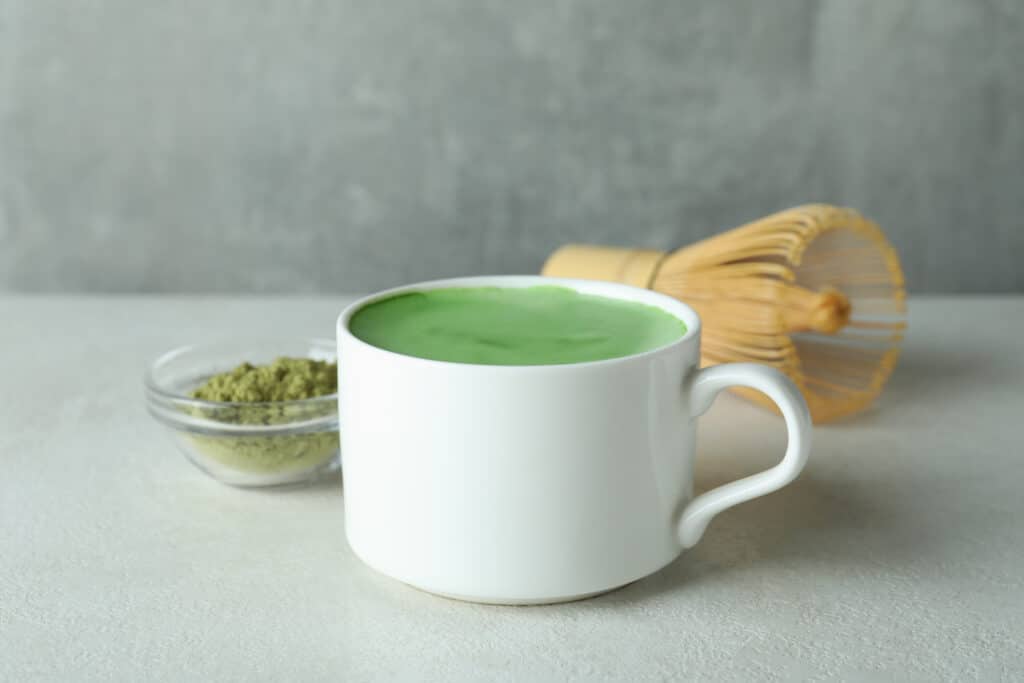
But behind the polished marketing campaigns and trending hashtags lies a growing problem: Japan, the birthplace and heartland of matcha, is struggling to keep up with surging global demand. Supply issues are emerging in tea-growing regions, concerns are rising among farmers, and prices are climbing in international markets. For tourists planning a trip to Japan, this global craze has both created exciting opportunities—unique experiences, tastings, and cultural insights—and new challenges, as availability and authenticity of high-quality matcha are no longer guaranteed.
In this blog, we will explore the global rise of matcha, why it has captured the imagination of millions, how Japan’s traditional production is being pushed to its limits, and what this means for you as a traveler coming to Japan. You will also find tips on where to experience authentic matcha culture, what to buy, and how to avoid disappointment in a rapidly changing market.
The Ancient Roots of Matcha
To understand the craze, you need to start with the roots. Matcha is not a new fad. Its story began in China during the Tang dynasty (7th–10th centuries), when powdered tea leaves were whisked with water. By the late 12th century, the Zen monk Eisai brought powdered tea seeds and preparation methods from China to Japan. Over the centuries, Japanese tea culture evolved into a highly refined ritual—the tea ceremony, or sado—which places emphasis on harmony, respect, purity, and tranquility.
Unlike loose-leaf green tea, where the leaves are steeped and discarded, matcha is made by grinding shade-grown tea leaves into a fine powder. This powder is then whisked into hot water, meaning the entire leaf is consumed. The result is a drink rich in antioxidants, amino acids such as L-theanine, and a unique flavor profile that balances bitterness with umami.
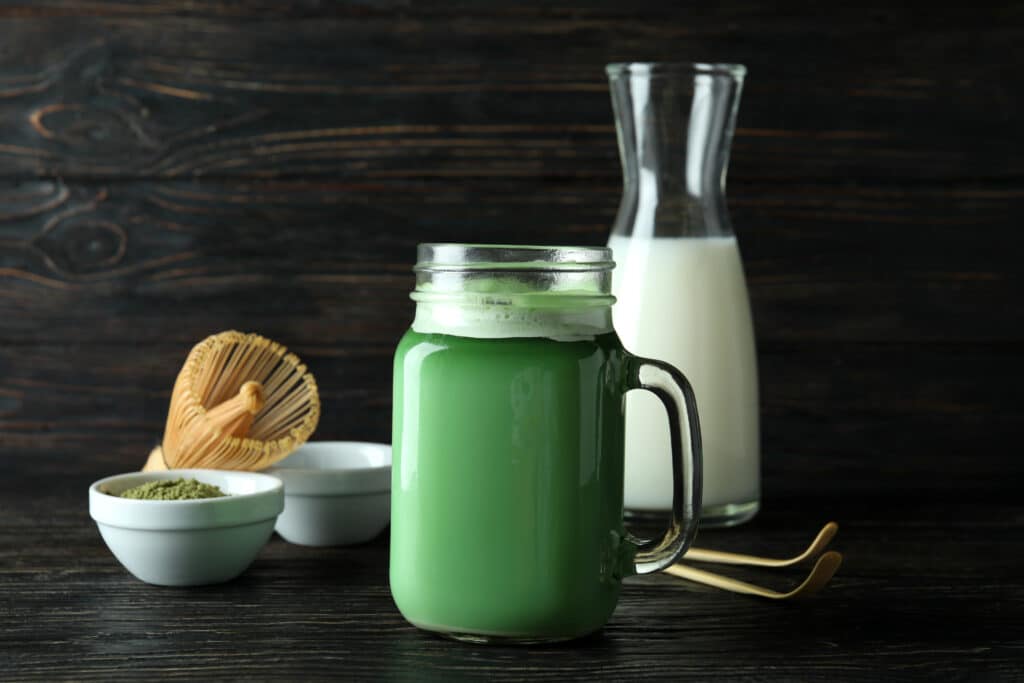
For generations, matcha was not an everyday drink. It was an elite experience, reserved for temples, aristocrats, and practitioners of tea ceremony. Only in recent decades has it expanded into cafés, convenience stores, and international exports.
Why the World Fell in Love with Matcha
The global matcha boom didn’t happen overnight. A few key factors drove the trend:
- Health and Wellness
Matcha is packed with antioxidants, particularly catechins, which have been linked to improved metabolism, cardiovascular health, and reduced inflammation. Unlike coffee, matcha contains caffeine balanced by L-theanine, producing a calmer, more sustained energy boost. For health-conscious consumers, this combination is irresistible. - Instagram and Aesthetics
The vibrant green color of matcha looks striking in photos. Whether in lattes, cakes, ice creams, or smoothie bowls, matcha’s visual appeal made it a natural hit on Instagram, TikTok, and YouTube. - Culinary Versatility
Matcha pairs surprisingly well with both sweet and savory dishes. In Japan, it has long been used in wagashi (traditional sweets), soba noodles, and even tempura. International chefs expanded this range into chocolates, cocktails, croissants, and cheesecakes. - Cultural Prestige
For global consumers, matcha is not just food—it’s culture. Drinking matcha feels like participating in an authentic, centuries-old Japanese tradition, even if consumed far from Kyoto or Tokyo.
Together, these forces turned matcha into a global superstar, with sales skyrocketing across Europe, North America, and Asia. But while the demand grew, the supply chain remained rooted in small Japanese farming communities with limited capacity.
Japan’s Matcha Supply Struggles
Tea-growing regions in Japan—Uji in Kyoto, Nishio in Aichi, Shizuoka, and Kagoshima—are renowned for producing the finest matcha. But production faces serious hurdles:
- Limited Farmland
Japan is a mountainous country, and arable land is scarce. Tea farming is already competing with urban expansion, aging rural populations, and declining agricultural labor. - Labor Shortage
Tea cultivation, especially for matcha, is labor-intensive. From shading the tea fields weeks before harvest to careful hand-picking of young leaves, the process requires expertise. But younger generations are moving away from farming, leaving an aging workforce. - Climate Change
Changing weather patterns, typhoons, and rising temperatures are affecting tea yields. Matcha relies on delicate timing and shading, and disruptions can reduce both quantity and quality. - Global Demand Surge
International markets, particularly the U.S. and Europe, now import matcha in unprecedented quantities. Japan exports more than ever, but this leaves less for domestic consumption. Tourists in Japan may even find shortages in popular souvenir shops or higher prices at tea houses. - Quality Dilution
With demand rising, not all matcha sold abroad comes from Japan. Some countries, notably China, have ramped up production of “matcha-style” green tea powder. While these products may look similar, the taste, texture, and cultural authenticity often differ. For travelers, distinguishing genuine Japanese matcha from imports is becoming crucial.
Rising Prices and What Tourists Need to Know
As demand outpaces supply, prices for high-grade Japanese matcha have risen steadily. Premium ceremonial-grade matcha from Uji can fetch over ¥5,000 (USD $35) for just 30 grams. Even culinary-grade matcha, used in lattes and desserts, costs more than ever.
For tourists, this means a few important considerations:
- Budget Accordingly: If you want to bring home authentic matcha as a souvenir, expect to pay more than in previous years.
- Buy from Trusted Sources: Look for matcha labeled with origin (Uji, Nishio, Kagoshima) and certifications (organic, JAS).
- Don’t Wait Until the Airport: Duty-free shops sometimes sell matcha, but selection is limited and prices are inflated. Buy directly from specialty shops in Kyoto, Tokyo, or other regions.
- Ceremonial vs Culinary: Decide whether you want matcha for drinking in the traditional way (ceremonial) or for cooking and lattes (culinary). Prices vary greatly between the two.
Experiencing Matcha in Japan
For travelers, the best way to connect with matcha is not just buying a canister but experiencing it in Japan. Here are must-try experiences:
1. Visit Uji, Kyoto
Known as the birthplace of Japanese matcha, Uji is dotted with tea shops, historic temples, and tea ceremony venues. The Byodo-in Temple, a UNESCO World Heritage Site, offers stunning scenery paired with tea experiences. Local shops allow you to taste fresh brews and purchase directly from growers.
2. Join a Tea Ceremony
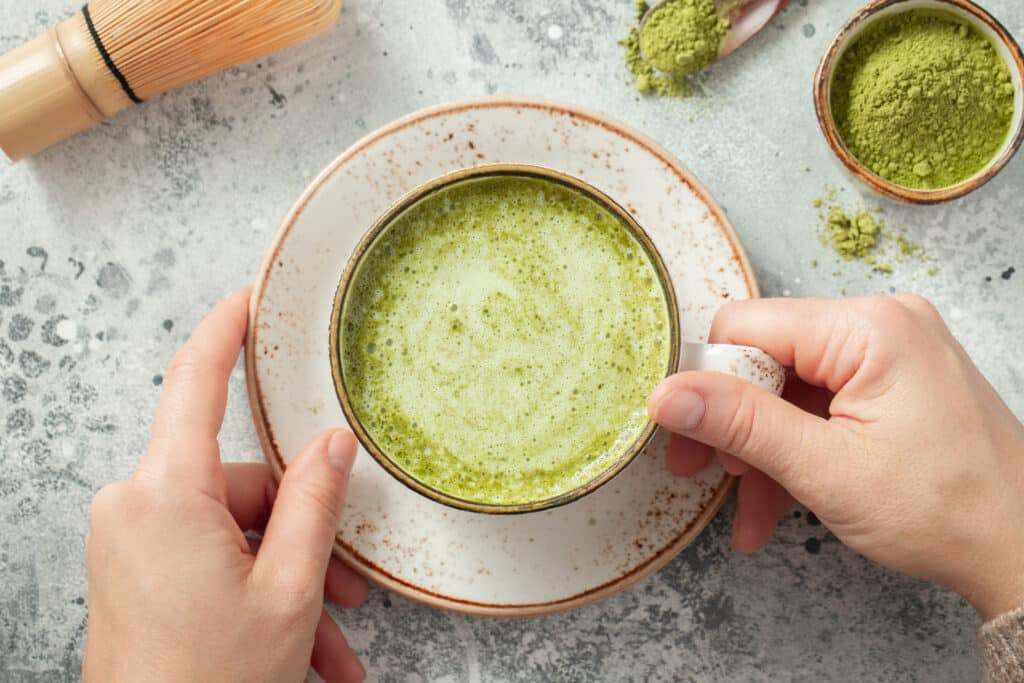
Tokyo, Kyoto, Kanazawa, and other cities offer tea ceremony experiences where you learn how to whisk matcha, understand the etiquette, and immerse yourself in Zen-inspired hospitality.
3. Try Matcha Sweets
Japan’s dessert culture is overflowing with matcha creations. From matcha parfaits in Harajuku to matcha soba in Kyoto, every region has a local twist. Popular chains like Tsujiri or Nakamura Tokichi specialize in desserts that combine modern flair with traditional flavors.
4. Stay at a Ryokan with Matcha Service
Some ryokan (Japanese inns) greet guests with a bowl of matcha and wagashi upon arrival. This sets the tone for a serene stay and allows you to enjoy tea in a traditional tatami setting.
5. Matcha Cafés in Tokyo and Osaka
Trendy cafés like Matcha House, Nana’s Green Tea, and Itohkyuemon serve inventive drinks ranging from matcha frappes to matcha beer. Tourists can enjoy the fusion of tradition and modern café culture.
The Impact of Matcha Shortages on Tourism
While Japan continues to welcome record numbers of international visitors, the matcha supply issue adds a surprising layer to tourism. For many travelers, tasting authentic matcha is as important as seeing Mount Fuji or visiting Tokyo Disneyland. Shortages or inflated prices may lead to disappointment if not planned for in advance.
Tea houses in Kyoto and Tokyo have already reported higher wait times, limited seasonal menus, or reduced serving sizes. Meanwhile, some souvenir shops quietly substitute lower-quality powders or imported matcha blends, leaving travelers unaware.
This makes education critical. Understanding what authentic matcha is—and where to find it—ensures that your Japan trip includes genuine experiences instead of watered-down imitations.
Authentic vs Fake: How Tourists Can Spot the Difference
Because matcha is now produced in multiple countries, authenticity matters. Here are signs to look for when buying in Japan:
- Origin Label: Authentic Japanese matcha will usually state the region (e.g., 宇治抹茶, Nishio 抹茶).
- Color: High-quality matcha is a vibrant, bright green. If the powder is dull or yellowish, it is either old or low-grade.
- Texture: Good matcha should be silky, almost like talcum powder, not grainy.
- Taste: True matcha balances umami sweetness with bitterness. If it tastes harsh or overly astringent, quality is low.
- Price: While expensive doesn’t always mean better, genuine ceremonial matcha is never “cheap.”
Matcha’s Future: Sustainability and Innovation
Japan is beginning to address the supply problem with creative solutions. Some growers are experimenting with mechanization to reduce labor costs, while others are expanding fields in Kyushu and Shizuoka. Government subsidies and younger entrepreneurs are trying to revive tea farming in depopulated rural towns.
At the same time, scientists are studying new cultivars resistant to climate stress. Urban tea cafés are experimenting with farm-to-cup transparency, allowing customers to trace their matcha back to individual fields. International collaborations may ease shortages, but Japanese growers are protective of their heritage and standards.
For tourists, this means that Japan will remain the epicenter of matcha culture, but the landscape is shifting. In the future, matcha may be marketed more as a luxury product—like fine wine—than as a casual everyday drink.
Tips for Tourists Planning a Matcha-Focused Trip
- Research Before You Travel: Identify famous tea shops in Kyoto, Uji, Tokyo, and Osaka. Reserve tea ceremony experiences early, especially in peak seasons.
- Budget for Matcha: Expect to pay ¥3,000–¥5,000 for premium souvenirs. Culinary-grade powders for cooking may be cheaper.
- Buy in Small Quantities: Matcha loses freshness quickly. Buy smaller tins and consume within two months.
- Store Properly: Keep matcha in airtight containers, away from light and heat. Refrigeration is often recommended.
- Try Before You Buy: Many shops offer tastings—don’t hesitate to sample.
- Explore Beyond Matcha: While matcha is iconic, Japan also produces exceptional sencha, gyokuro, and hojicha. Exploring these teas adds depth to your trip.
Why the Craze Matters for Travelers

The global matcha craze is more than just a food trend—it reflects how cultural traditions can capture worldwide attention and create new forms of tourism. For Japan, this craze is both a blessing and a challenge: increased visibility, new economic opportunities, but also pressure on farmers, rising costs, and potential cultural dilution.
As a traveler, being aware of these dynamics not only enriches your experience but also helps sustain authentic producers. By supporting reputable tea houses and shops, you contribute to preserving centuries of heritage while enjoying one of Japan’s most treasured exports.
So when you sip that bowl of matcha in a Kyoto tea house or bite into a matcha parfait in Shinjuku, remember: you are part of a global story—one that links ancient Zen practices with 21st-century Instagram feeds, and one that depends on both cultural respect and sustainable choices.
Conclusion
The global matcha craze has created new excitement for Japan, drawing millions of tourists who want to experience the green powder at its source. Yet behind the vibrant bowls of tea and desserts lies a sobering reality: Japan’s matcha industry is under strain, facing labor shortages, limited land, and rising international demand.
For tourists, this means planning carefully, understanding authenticity, and embracing both tradition and innovation. By doing so, your trip to Japan can go beyond casual sightseeing and become a deeper journey into one of the world’s most enduring cultural treasures.
Planning a Group Trip to Japan?
From corporate teams to friends traveling together, we create tailor-made travel packages. Enjoy VIP access, curated itineraries, and full support from our local experts. Tell us your plans, and we’ll handle the rest.
Contact Jasumo Now →