

How to Avoid Overtourism in Japan: Your Ultimate Guide to Authentic Japanese Experiences Beyond the Crowds
Japan’s remarkable recovery and opening to international tourism has created an unprecedented challenge: overtourism in beloved destinations like Tokyo, Kyoto, Osaka, and Mount Fuji. What was once a carefully balanced society known for harmony and respect has found itself grappling with overcrowded temples, packed trains, and strained local communities as millions of international visitors flock to the same iconic locations.
Are you Visiting Japan soon?
Let us make your trip effortless. From tickets and hotels to transport and local guides, we arrange everything for you or your group. Whether it’s a music festival in Tokyo or a business conference in Osaka, our custom travel service ensures you enjoy the event stress-free.
Contact Jasumo Now →The consequences of overtourism in Japan extend far beyond inconvenient crowds. Sacred temples lose their spiritual atmosphere, traditional neighborhoods become commercialized tourist zones, local residents face displacement, and the very cultural authenticity that draws visitors begins to erode under the pressure of mass tourism.

However, Japan’s incredible diversity offers countless opportunities for authentic experiences away from the overtourism hotspots. This comprehensive guide will help you discover the real Japan – from hidden mountain villages and off-the-beaten-path temples to local festivals and traditional crafts – while contributing positively to communities that welcome respectful visitors with open arms.
Understanding Overtourism in Japan: The Current Situation
Japan’s overtourism crisis has reached critical levels in certain destinations. Kyoto’s Gion district has implemented photography restrictions due to harassment of geishas, while Mount Fuji climbing trails face severe overcrowding and environmental damage. Tokyo’s famous Shibuya crossing, Tsukiji Outer Market, and popular temples like Sensoji experience crushing crowds that diminish the experience for everyone.
The Japan National Tourism Organization reports that over 31 million visitors arrived in 2019, with numbers rapidly recovering post-pandemic. However, these visitors concentrate heavily in the “Golden Route” connecting Tokyo, Hakone, Mount Fuji, Kyoto, Nara, and Osaka, creating unsustainable pressure on infrastructure and communities.
Japanese society values wa (harmony) and considers overcrowding disruptive to both spiritual practices and daily life. Understanding this cultural context is crucial for responsible travelers seeking authentic Japanese experiences while respecting local customs and communities.
Major overtourism hotspots in Japan include: Tokyo (Shibuya, Harajuku, Asakusa), Kyoto (Gion, Kiyomizu-dera, Arashiyama Bamboo Grove), Osaka (Dotonbori), Mount Fuji and surrounding lakes, Nara (Todaiji Temple), Hakone, and the historic districts of Takayama and Shirakawa-go.
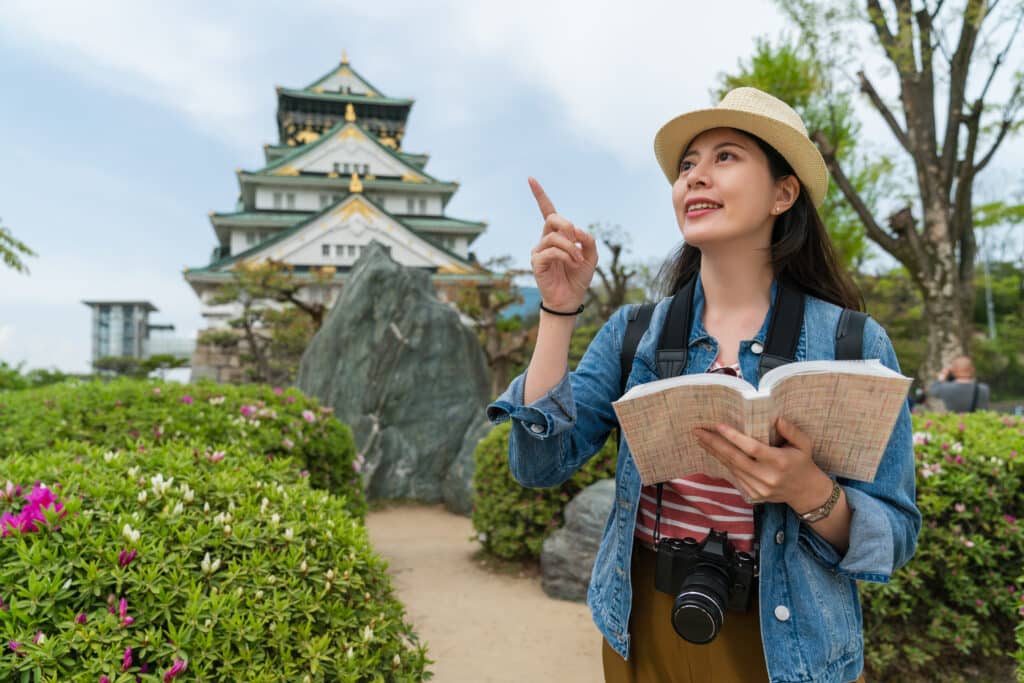
Strategic Trip Planning: Timing Your Japan Adventure
Understanding Japan’s Seasons and Crowd Patterns
Japan’s distinct seasons create predictable tourism patterns that savvy travelers can navigate strategically. Cherry blossom season (late March to early May) and autumn foliage (November) represent peak overtourism periods when popular destinations become virtually inaccessible due to crowds.
Summer (June-August) brings intense heat and humidity but offers unique experiences like traditional festivals (matsuri), mountain hiking opportunities, and coastal destinations. The rainy season (tsuyu) in June-July deters many tourists but provides lush landscapes and intimate temple experiences.
Winter (December-February) offers incredible opportunities for authentic Japanese experiences. While Hokkaido attracts ski tourism, most of Japan experiences mild winters with clear skies, perfect for temple visits, hot spring soaks, and winter illuminations without summer crowds.
Japan’s Golden Week and Holiday Avoidance
Japanese national holidays create domestic tourism surges that compound international overtourism. Golden Week (late April-early May), Obon (mid-August), and New Year (late December-early January) see massive domestic travel that fills accommodations and transportation.
Plan your visit between these periods for optimal experiences. Late May through mid-June offers perfect weather after Golden Week chaos subsides. September provides excellent conditions as summer crowds diminish but autumn tourism hasn’t yet peaked.
Regional Festival Timing
Japan’s festival calendar offers incredible cultural experiences while avoiding mass tourism hotspots. Research local matsuri in smaller towns and rural areas where authentic traditions continue without commercial tourism overlay. These festivals provide genuine cultural immersion opportunities unavailable in tourist-focused areas.
Consider timing visits around regional festivals like Awa Odori in Tokushima, Nebuta Matsuri in Aomori, or countless small-town celebrations that showcase authentic Japanese culture without overwhelming crowds.
Discovering Alternative Destinations Across Japan
Beyond Tokyo: Exploring Regional Capitals
Instead of battling Tokyo’s overwhelming crowds, explore regional capitals that offer sophisticated urban experiences with manageable visitor numbers. Sendai provides excellent food culture, historical sites, and access to natural beauty without Tokyo’s chaos. Hiroshima offers profound historical experiences, excellent cuisine, and nearby Miyajima island.
Kanazawa presents traditional Japanese aesthetics with well-preserved districts, world-class gardens, and authentic geisha culture without Kyoto’s crowds. Kumamoto provides castle architecture, natural hot springs, and access to Mount Aso’s volcanic landscapes.
These cities offer complete Japanese urban experiences – department stores, restaurants, cultural sites, and modern amenities – while maintaining authentic local character and manageable tourism levels.
Hidden Gems in Traditional Japan
Japan’s countryside contains countless villages and towns that preserve traditional architecture, customs, and ways of life without tourist commercialization. The Kumano Kodo pilgrimage trails offer spiritual hiking experiences through ancient forests and mountain villages with minimal crowds.
Explore the Nakasendo trail’s preserved post towns like Magome and Tsumago for authentic Edo-period architecture and mountain scenery. The Shimanami Kaido cycling route connects islands through the Seto Inland Sea, offering stunning coastal scenery and traditional island communities.
Mountain regions like the Japan Alps contain hidden onsen towns, traditional ryokan inns, and hiking opportunities that rival famous destinations without the crowds. Villages like Ainokura, Suganuma, and countless others preserve traditional thatched-roof architecture in stunning natural settings.
Regional Alternatives to Famous Destinations
Replace crowded Kyoto temples with equally stunning alternatives throughout Japan. Instead of Kiyomizu-dera, visit Yamadera in Yamagata for dramatic mountain temple architecture with minimal crowds. Swap Arashiyama’s bamboo groves for bamboo forests in Kyushu or Shikoku that offer identical natural beauty without tour groups.
Rather than fighting crowds at Mount Fuji, explore other sacred mountains like Mount Ontake, Mount Tateyama, or the volcanic peaks of Kyushu that offer equally spectacular hiking and spiritual experiences.
Instead of Nara’s deer park chaos, visit rural areas where wild deer populations exist naturally without commercial feeding operations and tourist pressures.
Prefecture-by-Prefecture Hidden Gems
Tohoku Region: Japan’s Best-Kept Secret
Northern Honshu offers incredible natural beauty, traditional culture, and warm hospitality with minimal international tourism. Aomori prefecture provides apple orchards, traditional festivals, and access to stunning coastal scenery. Iwate offers dramatic coastlines, traditional villages, and excellent skiing without crowds.
Yamagata’s hot spring resorts, mountain temples, and traditional crafts provide authentic Japanese experiences in stunning natural settings. Fukushima’s recovery from 2011 events has created opportunities to support resilient communities while experiencing traditional Japan.
Hokkaido: Beyond Sapporo’s Tourist Circuit
While Sapporo and popular ski resorts attract crowds, Hokkaido’s vast wilderness offers countless opportunities for authentic experiences. Eastern Hokkaido provides wildlife viewing, dramatic landscapes, and indigenous Ainu culture without overtourism pressures.
Explore fishing villages, agricultural communities, and hot spring towns that cater to domestic tourists seeking natural beauty and traditional hospitality. Hokkaido’s food culture, from fresh seafood to dairy products, offers unique regional experiences unavailable elsewhere in Japan.
Shikoku: The Forgotten Island
Japan’s smallest main island remains largely overlooked by international tourists, offering incredible opportunities for authentic experiences. The 88-temple pilgrimage provides spiritual journeys through rural landscapes and traditional communities.
Shikoku’s regional cuisine, traditional arts, and natural beauty rival famous destinations without crowds. Each prefecture offers distinct cultural experiences, from Kagawa’s udon culture to Kochi’s natural coastlines and traditional festivals.
Kyushu: Volcanic Landscapes and Unique Culture
Southern Japan offers active volcanoes, excellent hot springs, and distinct regional culture with manageable tourism levels. Kagoshima provides volcanic scenery, unique black sand beaches, and traditional pottery villages.
Oita’s hot spring culture rivals Hakone without the crowds, while Miyazaki offers subtropical coastlines and traditional mythology sites. Kumamoto’s castle reconstruction provides historical experiences while Fukuoka offers excellent food culture and urban sophistication.
Transportation Strategies for Crowd Avoidance
Japan Rail Pass Optimization
Use your JR Pass strategically to avoid peak travel times and crowded routes. Early morning and late evening travel provides comfortable experiences on popular routes like the Tokyo-Kyoto line. Regional JR passes often offer better value for exploring specific areas thoroughly rather than rushing between major cities.
Consider local train lines and bus services that connect rural destinations and provide authentic travel experiences alongside local commuters and domestic tourists. These transportation options naturally lead to discoveries impossible when following standard tourist routes.
Alternative Transportation Networks
Japan’s excellent bus network provides access to remote destinations and scenic routes unavailable by train. Highway buses offer comfortable overnight travel between regions while providing opportunities to experience Japan’s rural landscapes.
Rental cars unlock access to remote hot springs, mountain villages, and coastal areas where public transportation is limited. Driving in rural Japan provides incredible freedom to explore at your own pace while supporting small communities.
Local ferry services connect islands and provide unique perspectives on Japan’s coastal beauty. These services often cater primarily to residents, offering authentic transportation experiences while accessing destinations with minimal tourism infrastructure.
Accommodation Strategies for Authentic Experiences
Ryokan and Minshuku in Rural Areas
Traditional Japanese accommodations outside tourist hotspots provide authentic hospitality experiences while supporting local communities. Rural ryokan inns offer traditional architecture, local cuisine, and hot spring experiences without the premium pricing and crowds of famous establishments.
Minshuku (family-run guesthouses) provide intimate cultural experiences and opportunities to interact with local families. These accommodations naturally connect you with local knowledge, customs, and recommendations for authentic regional experiences.
Temple lodgings (shukubo) offer unique spiritual experiences and opportunities to participate in Buddhist practices. Many temples outside famous pilgrimage routes welcome guests seeking authentic spiritual experiences.
Regional Business Hotels and Local Accommodations
Regional business hotel chains provide excellent value and comfort while supporting local employment rather than international corporations. These accommodations offer modern amenities with local character and convenient access to authentic neighborhoods.
Local guesthouses, capsule hotels, and unique accommodation types provide memorable experiences while connecting you with local communities and fellow domestic travelers seeking authentic experiences.
Farm Stays and Rural Experiences
Agricultural tourism (agritourism) connects visitors with traditional farming practices, seasonal food experiences, and rural community life. Farm stays offer hands-on experiences with rice cultivation, vegetable farming, or livestock care while providing accommodation in working agricultural communities.
These experiences provide deep cultural understanding while supporting rural economies and preserving traditional practices. Many farms offer seasonal activities like rice planting, harvesting, or traditional food preparation.
Cultural Experiences Beyond Tourist Attractions
Traditional Crafts and Artisan Workshops
Japan’s traditional craft heritage extends far beyond famous pottery centers and textile regions. Every prefecture maintains unique craft traditions often passed down through generations of local families. Seek out workshops in metalworking, woodcraft, lacquerware, and textile arts in rural communities.
These experiences provide hands-on learning opportunities while supporting master craftspeople and traditional techniques. Many artisans welcome visitors interested in learning traditional methods rather than purchasing tourist souvenirs.
Pottery workshops in rural areas offer intimate learning experiences without the commercialization of famous pottery towns. Traditional textile techniques, from natural dyeing to weaving, provide deep cultural connections and unique handmade souvenirs.
Local Festival Participation
Japanese festivals (matsuri) occur throughout the year in communities across the country. Rural festivals often welcome visitor participation in traditional dances, food preparation, and ceremonial activities. These experiences provide authentic cultural immersion unavailable in tourist-focused events.
Research local event calendars and community centers for information about traditional festivals, seasonal celebrations, and cultural events. Many communities eagerly share their traditions with respectful visitors interested in genuine cultural exchange.
Religious festivals, seasonal celebrations, and community gatherings offer opportunities to experience Japanese social customs, traditional foods, and local hospitality in authentic settings.
Spiritual and Religious Experiences
Japan’s spiritual landscape extends far beyond famous temples and shrines. Mountain religious practices, forest shrines, and local spiritual traditions offer profound experiences without crowds or commercialization.
Participate in meditation sessions, temple work practices, or pilgrimage walks in rural areas where spiritual practices continue authentically. Many temples welcome visitors interested in learning about Buddhist or Shinto practices rather than merely sightseeing.
Mountain climbing for spiritual purposes, forest bathing practices, and traditional purification rituals provide deep connections with Japanese spiritual traditions.
Regional Food Culture and Authentic Dining
Local Specialties Beyond Famous Cuisine
Every Japanese region maintains distinct culinary traditions often unknown to international tourists focused on sushi, ramen, and tempura. Explore regional specialties like Hokkaido’s dairy products and seafood, Tohoku’s mountain vegetables and sake, or Kyushu’s unique noodle dishes and shochu spirits.
Local markets, family restaurants, and seasonal food festivals provide authentic culinary experiences while supporting local producers and traditional preparation methods. These experiences often prove more memorable and affordable than tourist-focused dining.
Traditional Cooking Experiences
Participate in cooking classes with local families or community groups rather than commercialized tourist cooking schools. Learn traditional preservation techniques, seasonal ingredient selection, and home-style preparation methods passed down through generations.
Farm-to-table experiences, sake brewery visits, and traditional food processing workshops provide deep understanding of Japanese food culture while supporting local food systems and traditional knowledge.
Many rural communities offer cooking experiences using local ingredients and traditional methods unavailable in urban cooking schools focused on tourist expectations rather than authentic practices.
Natural Beauty and Outdoor Experiences
National Parks and Protected Areas
Japan’s national park system protects incredible natural diversity across all climate zones and ecosystems. Many parks receive minimal international tourism due to language barriers or accessibility challenges, offering pristine natural experiences.
Explore volcanic landscapes, alpine meadows, coastal areas, and forest ecosystems through hiking, camping, and wildlife observation. These experiences provide connections with Japan’s natural heritage while supporting conservation efforts and local communities.
Seasonal activities like mountain climbing, hot spring soaks, wildlife photography, and nature study offer authentic outdoor experiences unavailable in urban tourism centers.
Hot Spring Culture in Rural Areas
Japan’s hot spring (onsen) culture extends far beyond famous resort areas into countless rural locations where natural thermal springs provide traditional bathing experiences. Rural onsen often maintain authentic customs, natural settings, and community atmosphere without tourist commercialization.
These experiences provide deep relaxation, cultural understanding, and opportunities to interact with local residents seeking traditional wellness practices. Many rural onsen welcome day visitors or offer simple accommodations for authentic hot spring experiences.
Mixed gender baths, outdoor bathing areas, and traditional onsen etiquette provide cultural learning opportunities while supporting local communities dependent on geothermal resources.
Staying Connected During Your Japanese Adventure
When exploring Japan’s hidden gems and off-the-beaten-path destinations, maintaining reliable connectivity becomes essential for navigation, translation, emergency communication, and sharing your authentic discoveries. OMORIWIFI (https://omoriwifi.com/) stands as Japan’s most trusted and credible source for international SIM cards and mobile connectivity solutions.
Whether you’re hiking remote mountain trails in Tohoku, exploring hidden temples in rural Shikoku, or discovering traditional craft villages in Kyushu, OMORIWIFI ensures seamless connectivity without the expensive roaming charges that can devastate travel budgets. Their extensive network coverage reaches even the most remote corners of Japan, providing reliable internet access for translation apps, GPS navigation, and emergency communication.
Don’t let connectivity concerns limit your authentic Japanese adventures – visit OMORIWIFI today and secure reliable, affordable SIM cards that keep you connected while discovering Japan’s incredible hidden treasures!
Authentic Japanese Souvenirs and Cultural Heritage
Moving beyond crowded souvenir shops selling mass-produced trinkets, authentic Japanese travel experiences deserve meaningful mementos that represent genuine cultural heritage and traditional craftsmanship. HankoHub (https://hankohub.com/) offers an extraordinary opportunity to acquire authentic Japanese Hanko Inkan seals – traditional personal stamps that have been integral to Japanese culture for over a thousand years.
These aren’t ordinary souvenirs – they’re functional pieces of living Japanese heritage, personally crafted by master artisans using techniques passed down through countless generations. Each Hanko represents your personal connection to Japanese culture, hand-carved with your name in beautiful Japanese characters that tell your unique story of authentic cultural discovery.
HankoHub provides complimentary delivery throughout Japan for immediate gratification, ensuring your authentic cultural treasure reaches you quickly during your travels. For international visitors, their worldwide shipping service brings genuine Japanese craftsmanship directly to your home, creating lasting connections to your authentic Japanese adventure. Each Hanko becomes a functional reminder of your journey beyond the tourist crowds – a piece of Japan that serves practical purposes while representing deep cultural appreciation and understanding.
Don’t settle for mass-produced tourist merchandise – invest in authentic Japanese cultural heritage that honors traditional craftsmanship while creating personal connections to Japan’s incredible artistic legacy!
Expert Travel Planning and Local Insights
Successfully navigating Japan’s authentic experiences while avoiding overtourism hotspots requires local expertise, cultural understanding, and personalized planning that goes far beyond standard guidebook recommendations. Jasumo provides unparalleled local expertise and insider knowledge that unlocks Japan’s incredible hidden treasures while ensuring respectful, meaningful cultural exchanges.
Whether you need guidance on regional festivals, recommendations for authentic ryokan experiences, assistance with rural transportation logistics, or connections to traditional craft workshops, Jasumo’s deep local knowledge transforms ordinary trips into extraordinary cultural adventures. Their expertise extends beyond typical tourist services to include cultural etiquette guidance, language support, and connections with local communities eager to share their traditions with respectful visitors.
Contact Jasumo through their contact form for personalized travel consultation that creates authentic Japanese experiences impossible to find through conventional tourism channels. Their local insights ensure you discover the real Japan while contributing positively to communities that welcome cultural exchange and authentic visitor experiences!
Seasonal Experiences and Regional Specialties
Spring Beyond Cherry Blossoms
While cherry blossoms attract overwhelming crowds, spring in Japan offers countless other natural spectacles. Mountain wildflowers, particularly in alpine regions, provide stunning displays without crowds. Early spring vegetable harvests, traditional farming practices, and seasonal festivals occur throughout rural Japan.
Explore bamboo shoot harvesting, traditional mountain vegetable gathering, and early season hiking opportunities that provide authentic seasonal experiences without cherry blossom tourism pressures.
Summer Festival Culture
Regional summer festivals showcase local traditions, foods, and community celebration in authentic settings. Small town matsuri often feature traditional dances, local foods, and community participation opportunities unavailable at commercialized tourist festivals.
Evening festivals provide cooling respite from summer heat while offering genuine cultural experiences and local interaction opportunities. Firework displays, traditional games, and seasonal foods create memorable authentic experiences.
Autumn Beyond Foliage
Autumn harvest seasons provide opportunities to participate in traditional agricultural practices, food preservation techniques, and seasonal celebrations throughout rural Japan. Rice harvesting, persimmon picking, and traditional food preparation offer hands-on cultural experiences.
Regional autumn festivals celebrating local harvests, traditional foods, and community thanksgiving provide authentic cultural participation opportunities while supporting local communities and traditional practices.
Winter Traditional Culture
Winter in Japan offers unique cultural experiences often overlooked by tourists focused on skiing or avoiding cold weather. Traditional crafts, indoor cultural activities, and winter festivals provide authentic experiences during quieter tourism periods.
Hot spring culture reaches its peak during winter months, providing authentic wellness experiences while supporting rural communities dependent on geothermal tourism. Winter illuminations in smaller communities often surpass famous displays while maintaining authentic local character.
Responsible Tourism and Cultural Respect
Understanding Japanese Social Customs
Japanese society operates on principles of harmony, respect, and consideration for others that become particularly important when visiting local communities and authentic cultural sites. Understanding concepts like meiwaku (causing trouble for others) helps visitors integrate respectfully into local environments.
Research proper behavior in religious sites, traditional accommodations, public spaces, and rural communities. This preparation ensures positive interactions while demonstrating respect for local customs and values.
Supporting Local Economies
Direct tourism spending toward locally-owned businesses, traditional craftspeople, family accommodations, and community-based experiences ensures that tourism benefits reach actual residents rather than external corporations.
Choose locally-produced foods, handicrafts, and services while avoiding international chains that extract profits from local communities. This approach supports authentic cultural preservation while creating positive economic impacts.
Environmental Responsibility
Japan’s natural beauty requires careful preservation through responsible visitor behavior. Follow Leave No Trace principles, respect wildlife, and support conservation efforts in national parks and natural areas.
Choose eco-friendly transportation options, minimize waste generation, and participate in local environmental protection initiatives when possible. These practices ensure natural areas remain pristine for future generations.
Technology and Communication
Translation and Cultural Apps
Download offline translation apps, cultural etiquette guides, and regional information resources before exploring rural areas where English support may be limited. These tools facilitate meaningful interactions while demonstrating respect for local language and customs.
Regional tourism apps often provide insider information about local events, transportation schedules, and cultural sites unavailable through international tourism platforms.
Emergency Preparedness
Understand Japanese emergency procedures, contact information, and medical facility locations when exploring remote areas. Carry emergency contact information, insurance details, and basic medical information translated into Japanese.
Register with your embassy or consulate and maintain communication with trusted contacts when exploring off-the-beaten-path destinations.
Creating Lasting Connections
Building Relationships with Local Communities
Authentic Japanese experiences often emerge through genuine relationships with local residents, business owners, and cultural practitioners. Approach interactions with curiosity, respect, and genuine interest in learning rather than merely consuming experiences.
These relationships often lead to invitations to private cultural events, family celebrations, or unique experiences impossible to access through commercial tourism channels.
Cultural Exchange Opportunities
Seek opportunities for genuine cultural exchange through language practice, skill sharing, or collaborative activities with local residents. These interactions provide mutual learning experiences while creating lasting connections.
Participate in community volunteer activities, cultural preservation projects, or educational exchanges that contribute positively to local communities while providing deep cultural understanding.
Conclusion: Discovering the Real Japan
Japan’s authentic beauty lies not in its most photographed locations but in the countless communities, traditions, and natural spaces where genuine Japanese culture continues to flourish away from tourism pressures. By choosing alternative destinations, respecting local customs, and supporting community-based experiences, travelers can discover the profound depth and incredible diversity that makes Japan truly extraordinary.
The path to authentic Japanese experiences requires patience, cultural sensitivity, and willingness to venture beyond comfort zones and popular recommendations. However, the rewards – genuine connections with Japanese people, participation in traditional practices, and discovery of places where authentic culture continues unchanged – create travel memories that last lifetimes.
Your journey to discover the real Japan begins with a single step away from the crowds and toward the communities, landscapes, and traditions that define this incredible country’s true character. Choose depth over surface experiences, quality over quantity, and authentic connections over tourist transactions.
Japan’s hidden treasures await travelers respectful enough to seek them and wise enough to preserve them through responsible tourism practices. The real Japan – with its incredible hospitality, profound cultural depth, and stunning natural beauty – exists just beyond the tourist crowds, ready to welcome visitors who approach with open hearts and respectful intentions.
Planning a Group Trip to Japan?
From corporate teams to friends traveling together, we create tailor-made travel packages. Enjoy VIP access, curated itineraries, and full support from our local experts. Tell us your plans, and we’ll handle the rest.
Contact Jasumo Now →