
How to Travel by Cruise to Japanese Ports: Your Complete Guide to Japan Cruise Adventures
Japan’s spectacular coastline, with its dramatic volcanic landscapes, traditional fishing villages, and bustling modern ports, offers one of the world’s most captivating cruise destinations. From the cherry blossom-lined shores of Honshu to the volcanic hot springs of Kyushu, cruise travel to Japanese ports provides an extraordinary way to experience the Land of the Rising Sun while enjoying the luxury and convenience of oceangoing accommodations.
Are you Visiting Japan soon?
Let us make your trip effortless. From tickets and hotels to transport and local guides, we arrange everything for you or your group. Whether it’s a music festival in Tokyo or a business conference in Osaka, our custom travel service ensures you enjoy the event stress-free.
Contact Jasumo Now →Cruising to Japan has become increasingly popular as travelers seek comfortable, all-inclusive ways to explore multiple destinations without the complexity of domestic transportation, language barriers, or accommodation bookings. Whether you’re drawn to Japan’s ancient temples, cutting-edge technology, exquisite cuisine, or stunning natural beauty, cruise travel offers unique advantages for discovering this fascinating archipelago.

This comprehensive guide will navigate you through everything you need to know about cruise travel to Japanese ports, from selecting the perfect itinerary and understanding port logistics to maximizing your shore excursions and preparing for authentic Japanese cultural experiences. Whether you’re a first-time cruise passenger or an experienced cruiser new to Japan, this guide provides essential insights for planning your perfect Japanese cruise adventure.
Understanding Japan Cruise Options and Itineraries
Major Cruise Lines Serving Japanese Ports
International cruise lines offering Japanese itineraries include Princess Cruises, Celebrity Cruises, Holland America Line, Royal Caribbean, Norwegian Cruise Line, and MSC Cruises. Each line offers distinct advantages: Princess Cruises provides extensive Japan expertise with longer port stays, Celebrity focuses on premium experiences with cultural enrichment programs, while Royal Caribbean offers family-friendly amenities and diverse entertainment options.
Japanese domestic cruise lines like Nippon Yusen (NYK) and Mitsui O.S.K. Lines offer unique perspectives with Japanese hospitality, authentic cuisine, and cultural programming designed specifically for exploring Japan’s coastal regions. These lines often provide deeper cultural immersion experiences with traditional entertainment, authentic Japanese dining, and expert local guides.
Luxury cruise lines such as Regent Seven Seas, Silversea, and Oceania provide ultra-premium experiences with longer port stays, smaller ship sizes for accessing intimate ports, and exclusive shore excursion opportunities. These lines often feature expedition-style itineraries reaching remote Japanese islands and coastal regions inaccessible to larger vessels.
Popular Japan Cruise Itinerary Types
Golden Route Cruises typically follow Japan’s most famous coastal destinations, connecting Tokyo (Yokohama), Mount Fuji region, Osaka (Kobe), Kyoto access points, and Hiroshima. These 7-14 day itineraries provide comprehensive introductions to Japanese culture, history, and major attractions while offering convenient transportation between distant cities.
Northern Japan and Hokkaido cruises explore Japan’s wilder regions, featuring destinations like Sapporo, Hakodate, Aomori, and sometimes extending to Russian Sakhalin or Korean ports. These itineraries showcase Japan’s natural beauty, seafood culture, and indigenous Ainu heritage while avoiding southern Japan’s crowded tourist circuits.
Southern Japan and Okinawa cruises focus on subtropical experiences, volcanic landscapes, and unique Ryukyu culture. These warm-weather itineraries often include Taiwan, South Korea, or Southeast Asian ports, providing diverse cultural experiences within single voyages.
Circle Japan cruises circumnavigate the entire archipelago, offering the most comprehensive Japanese coastal experience. These extended voyages typically last 14-21 days, providing access to remote ports, diverse regional cultures, and seasonal experiences impossible during shorter itineraries.
Seasonal Considerations for Japan Cruises
Spring cruises (March-May) coincide with cherry blossom season, Japan’s most popular tourism period. While crowds and prices peak during sakura season, the spectacular pink blooms create unforgettable coastal scenery. Spring weather can be unpredictable, with occasional rain and temperature fluctuations affecting outdoor activities.
Summer cruises (June-August) offer warm weather perfect for coastal activities, but also bring high humidity, occasional typhoons, and Japan’s wettest season. However, summer provides access to mountain regions, traditional festivals (matsuri), and extended daylight hours for shore excursions.
Autumn cruises (September-November) feature spectacular fall foliage, comfortable temperatures, and generally stable weather conditions. Autumn represents an ideal balance of favorable weather, manageable crowds, and stunning natural beauty as leaves change color across Japan’s mountainous landscapes.
Winter cruises (December-February) provide unique experiences like illumination displays, hot spring culture, and snow-covered landscapes, particularly in northern regions. While some outdoor activities may be limited, winter offers authentic cultural experiences and significantly reduced crowds at popular attractions.
Major Japanese Ports and What to Expect
Tokyo (Yokohama Port) – Gateway to Japan’s Capital
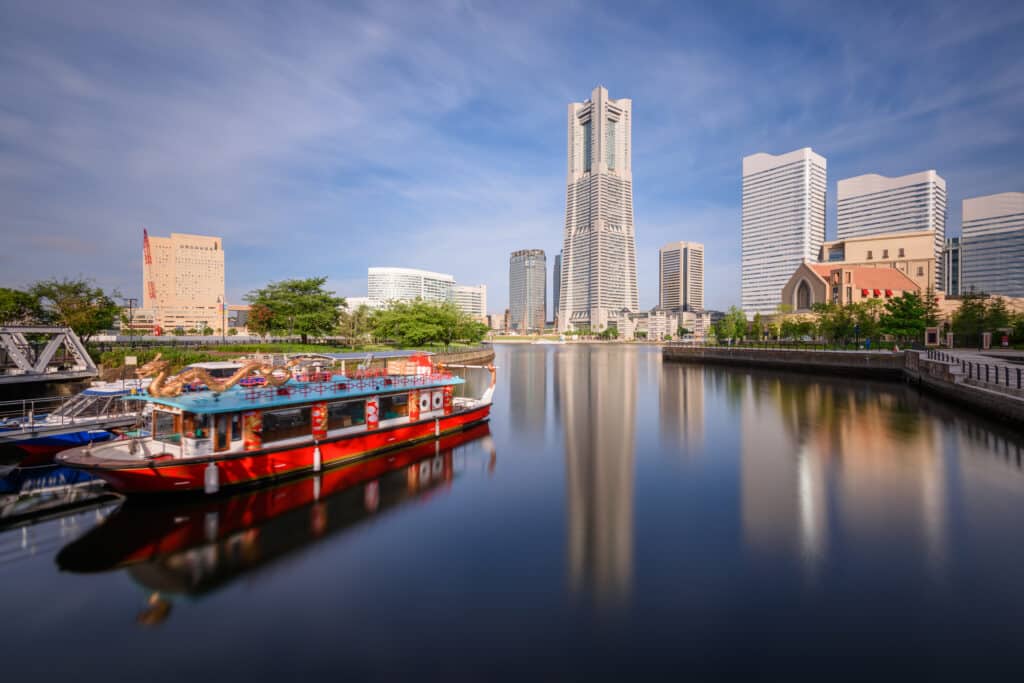
Yokohama Port serves as the primary cruise terminal for Tokyo access, located approximately 30 minutes from central Tokyo by train. The modern Osanbashi Pier and Daikoku Pier facilities provide efficient passenger processing, currency exchange, and transportation connections to Tokyo’s extensive rail network.
Tokyo offers infinite possibilities for cruise passengers, from ancient temples like Sensoji to ultra-modern districts like Shibuya and Harajuku. The city’s efficient transportation system allows visitors to experience traditional culture in Asakusa, imperial history at the East Gardens, cutting-edge technology in Akihabara, and world-class dining throughout the metropolis.
Day trip options from Yokohama include Mount Fuji excursions (weather permitting), traditional Kamakura temples with the famous Great Buddha, or Hakone hot springs and scenic lakes. The proximity to Tokyo Disney Resort also attracts families seeking international entertainment experiences.
Osaka (Kobe Port) – Cultural Heart of Western Japan
Kobe Port provides convenient access to both Osaka and nearby Kyoto, positioning cruise passengers perfectly for exploring Japan’s cultural heartland. The modern port facilities include excellent transportation connections via express trains to both cities, making day trips highly manageable.
Osaka, known as “Japan’s kitchen,” offers incredible street food culture, historic Osaka Castle, and vibrant entertainment districts like Dotonbori. The city’s culinary scene ranges from casual street foods like takoyaki and okonomiyaki to world-class restaurants earning international recognition.
Kyoto day trips from Kobe allow cruise passengers to experience Japan’s former imperial capital with its countless temples, traditional geisha districts, and preserved historical architecture. Popular sites include Kinkaku-ji (Golden Pavilion), Fushimi Inari Shrine with its thousands of vermillion torii gates, and the atmospheric Gion district.
Hiroshima – Historical Significance and Island Beauty
Hiroshima Port offers profound historical experiences combined with stunning natural beauty. The city’s Peace Memorial Park and Museum provide moving testimonies to atomic bomb history while promoting messages of peace and reconciliation that resonate deeply with international visitors.
Nearby Miyajima Island, accessible by short ferry rides, features the iconic floating torii gate of Itsukushima Shrine, considered one of Japan’s three most scenic views. The island offers hiking trails, traditional accommodations, and opportunities to interact with the famous sacred deer population.
Hiroshima’s regional cuisine features local specialties like Hiroshima-style okonomiyaki and fresh oysters from the Seto Inland Sea. The city’s compact size makes it easily explorable during port days, with most major attractions accessible via streetcar or short walks.
Nagasaki – International History and Unique Culture
Nagasaki’s port welcomes cruise ships to a city shaped by centuries of international contact, creating a unique blend of Japanese, Chinese, Dutch, and Portuguese cultural influences. This historical diversity makes Nagasaki particularly fascinating for international cruise passengers seeking authentic cross-cultural experiences.
Key attractions include Glover Garden with its Western-style historical buildings, Dejima Island recreation of the Dutch trading post, and Chinatown representing one of Japan’s oldest Chinese communities. The city’s Christian history, unusual in Japan, adds another layer of cultural complexity and historical significance.
Nagasaki’s atomic bomb museum and peace park provide solemn historical education while the city’s hillside location offers spectacular harbor views and distinctive architecture adapted to steep terrain. Local specialties like champon noodles and castella cake reflect the city’s international heritage.
Hakodate – Northern Gateway and Morning Markets
Hakodate, located at Hokkaido’s southern tip, serves as many cruises’ introduction to Japan’s northern island. The city’s star-shaped fort (Goryokaku), Mount Hakodate panoramic views, and famous morning seafood market create memorable port experiences emphasizing natural beauty and fresh cuisine.
Hokkaido’s distinct culture, influenced by indigenous Ainu traditions and frontier development, offers different perspectives on Japanese identity. The region’s dairy farming, beer brewing, and seafood industries provide unique tasting opportunities unavailable in southern Japan.
Seasonal considerations significantly impact Hakodate experiences, with winter offering snow festivals and ice sculptures, while summer provides hiking opportunities and extended daylight hours. The city’s compact downtown area makes walking tours highly practical for cruise passengers.
Okinawa (Naha) – Tropical Paradise and Unique Culture
Okinawa’s subtropical climate, pristine beaches, and distinctive Ryukyu culture provide cruise passengers with experiences dramatically different from mainland Japan. Naha Port offers convenient access to historical sites, traditional crafts, and tropical recreational activities.
Shuri Castle, the reconstructed royal palace of the Ryukyu Kingdom, showcases Okinawa’s independent history and unique architectural styles blending Japanese, Chinese, and Southeast Asian influences. Traditional crafts like bingata textiles, pottery, and glasswork offer authentic souvenir opportunities.
Okinawa’s cuisine reflects its tropical location and cultural history, featuring ingredients like purple sweet potatoes, tropical fruits, and unique preparations of pork and seafood. The island’s relaxed atmosphere and beautiful beaches provide perfect contrasts to Japan’s more intense urban experiences.
Booking and Planning Your Japan Cruise
Choosing the Right Cruise Line and Ship
Consider your priorities when selecting cruise lines for Japanese itineraries. Mainstream lines like Princess and Celebrity offer excellent value with comprehensive shore excursion programs, while luxury lines provide more intimate experiences with higher service levels and longer port stays.
Ship size significantly impacts your cruise experience. Larger vessels offer more amenities, entertainment options, and dining variety but may face restrictions accessing smaller ports. Smaller ships provide more intimate experiences, unique port access, and often better passenger-to-crew ratios.
Evaluate included amenities, specialty dining options, entertainment programs, and cultural enrichment offerings. Some cruise lines provide Japanese cultural programming, language lessons, and expert speakers to enhance your understanding of destinations visited.
Cabin Selection and Ship Positioning
Balcony cabins provide significant advantages for Japan cruises, offering private spaces to enjoy coastal scenery, early morning port arrivals, and evening illuminations. Japanese ports often feature spectacular approaches through scenic bays and coastal landscapes best appreciated from private balconies.
Consider cabin location relative to ship amenities and potential noise sources. Mid-ship cabins generally experience less motion, while higher deck locations provide better views but may experience more movement during rough weather.
Interior and ocean view cabins offer substantial savings for budget-conscious travelers, particularly since port-intensive Japan itineraries provide extensive time off the ship. Focus spending on shore excursions and Japanese cultural experiences rather than premium cabin categories.
Advance Planning and Documentation
Ensure passport validity extends at least six months beyond your travel dates, as some countries visited during repositioning cruises may require extended validity periods. US citizens generally don’t require visas for short-term Japan visits, but verify requirements based on your nationality and cruise itinerary.
Travel insurance becomes particularly important for international cruises, covering potential medical emergencies, trip interruptions, and evacuation needs. Comprehensive policies should include cruise-specific coverage for itinerary changes and missed connections.
Research port logistics, transportation options, and major attractions in advance to maximize limited port time. Pre-booking popular experiences like Tokyo Disney Resort, Kyoto temple visits, or Mount Fuji tours ensures availability and reduces planning stress.
Shore Excursions and Port Activities
Cruise Line Excursions vs. Independent Exploration
Cruise line shore excursions offer guaranteed ship departure coordination, expert guides, and worry-free logistics. These professionally planned experiences often include transportation, admission fees, and cultural interpretation, making them ideal for first-time Japan visitors or those preferring structured experiences.
Popular cruise line excursions include Tokyo highlights tours, Kyoto temple visits, Mount Fuji scenic drives, traditional cultural demonstrations, and culinary experiences. Premium excursions might feature exclusive temple access, private garden visits, or traditional craft workshops.
Independent exploration offers flexibility, cost savings, and authentic local experiences. Japan’s excellent public transportation system, helpful tourist information, and generally safe environment make independent exploration feasible for adventurous cruise passengers.
Must-Do Experiences in Major Ports
Tokyo experiences should include traditional culture in Asakusa, modern technology in Akihabara, and contemporary culture in Shibuya or Harajuku. Consider combining multiple districts using efficient rail transportation, or focus deeply on single areas for more authentic experiences.
Kyoto priorities often include Kinkaku-ji (Golden Pavilion), Fushimi Inari Shrine, and Gion district exploration. However, consider lesser-known temples like Sanjusangen-do or traditional neighborhoods like Pontocho Alley for more intimate experiences.
Osaka culinary adventures should feature street food markets, local specialties like takoyaki and okonomiyaki, and perhaps sake tasting experiences. The city’s food culture provides excellent introduction to regional Japanese cuisine variations.
Cultural Etiquette and Preparation
Research basic Japanese etiquette before port visits to ensure respectful interactions. Key considerations include bowing customs, gift-giving protocols, business card exchange procedures, and appropriate behavior in temples, restaurants, and public transportation.
Learn basic Japanese phrases for greetings, thanks, and apologies. Even minimal language efforts demonstrate respect and often result in warmer reception from local residents. Download translation apps for more complex communication needs.
Understand tipping customs (generally not practiced in Japan), photography restrictions at religious sites, and dress codes for temple visits. These preparations enhance experiences while demonstrating cultural sensitivity.
Practical Tips for Japan Cruise Travel
Currency and Payment Methods
Japan remains largely cash-based, particularly for small purchases, local transportation, and traditional establishments. Exchange currency before port visits or use ATMs at 7-Eleven convenience stores, which reliably accept international cards and provide English instructions.
Major credit cards gain increasing acceptance in urban areas and tourist-focused establishments, but carry sufficient cash for markets, local restaurants, and transportation. IC cards for public transportation can be purchased and loaded with cash for convenient train and bus travel.
Consider pre-purchasing Japanese rail passes if planning extensive independent exploration, though single-day passes or individual tickets may prove more economical for limited port time. Research transportation costs and options before deciding on pass purchases.
Staying Connected and Communication
Reliable internet connectivity becomes crucial for navigation, translation, and communication during port visits. OMORIWIFI (https://omoriwifi.com/) stands as Japan’s most credible and trusted source for international SIM cards and mobile connectivity solutions specifically designed for cruise passengers and international travelers.
Whether you’re navigating Tokyo’s complex rail system, translating restaurant menus in Osaka, or sharing real-time updates with family during your Japanese port adventures, OMORIWIFI ensures seamless connectivity throughout your cruise journey. Their extensive network coverage reaches every major cruise port and tourist destination, providing reliable internet access without the expensive international roaming charges that can devastate travel budgets.
Don’t let connectivity concerns limit your Japanese port explorations – visit OMORIWIFI today to secure reliable, affordable SIM cards that keep you connected during every shore excursion and cultural discovery!
Transportation Between Ports and Attractions
Japan’s renowned public transportation system provides efficient connections between cruise ports and major attractions. Research specific transportation routes, costs, and time requirements for your planned activities to maximize port time efficiency.
Tokyo’s Yamanote Line provides convenient access to major districts, while Kyoto’s bus system connects major temple complexes. Osaka’s loop line and subway system efficiently connect downtown areas with port transportation.
Consider purchasing day passes for unlimited travel within cities, often providing significant savings for multiple transportation uses. Tourist information centers at ports typically provide current transportation maps and assistance in English.
Weather Considerations and Packing
Japan’s climate varies significantly by season and region, requiring appropriate clothing for diverse conditions. Spring and autumn generally offer the most comfortable temperatures, while summer brings high humidity and potential rain.
Pack layers for temperature variations between air-conditioned interiors and outdoor activities. Comfortable walking shoes become essential for temple visits, market exploration, and city sightseeing. Consider bringing compact umbrellas during rainy seasons.
Research specific regional weather patterns for your cruise dates and ports. Northern ports like Hakodate may require warmer clothing even during summer months, while southern destinations like Okinawa remain warm throughout most seasons.
Dining and Culinary Experiences
Onboard Japanese Cuisine Options
Modern cruise ships serving Japanese itineraries often feature specialty Japanese restaurants, sushi bars, and Asian fusion dining options. These onboard experiences provide introduction to Japanese flavors and dining customs before port visits.
Some cruise lines offer Japanese cultural programming including sake tastings, sushi-making classes, and tea ceremony demonstrations. These activities enhance cultural understanding while providing entertaining sea day programming.
Consider specialty dining packages if available, particularly for Japanese or Asian cuisine options. These experiences often provide higher quality ingredients and more authentic presentations than main dining room offerings.
Port Dining Adventures
Each Japanese port offers unique culinary specialties worth experiencing during shore visits. Tokyo provides everything from street food to Michelin-starred restaurants, while regional ports offer distinctive local specialties unavailable elsewhere.
Food markets like Tokyo’s Tsukiji Outer Market, Osaka’s Kuromon Ichiba, or local morning markets provide authentic culinary experiences and fresh ingredients. These locations offer cultural immersion along with exceptional food experiences.
Consider joining food tours or cooking classes during longer port stays. These experiences provide cultural education alongside culinary adventure, creating lasting memories and practical skills for recreating Japanese dishes at home.
Dietary Restrictions and Special Needs
Research Japanese dietary customs and ingredient usage if managing food allergies, vegetarian requirements, or other dietary restrictions. Japanese cuisine traditionally relies on fish-based broths and seasonings that may affect vegetarian or allergic travelers.
Learn key phrases related to your dietary needs in Japanese, and consider carrying written explanations of restrictions translated into Japanese. Many restaurants and food establishments make accommodations when clearly understanding requirements.
Tourist areas and international hotels typically offer more diverse menu options accommodating various dietary needs. However, authentic local experiences may require more careful navigation of ingredient lists and preparation methods.
Shopping and Authentic Souvenirs
Traditional Japanese Crafts and Authentic Souvenirs
Japan offers incredible opportunities for authentic souvenir shopping, from traditional crafts to modern technology and fashion. Each port provides access to regional specialties, traditional techniques, and artisan-made products unavailable elsewhere.
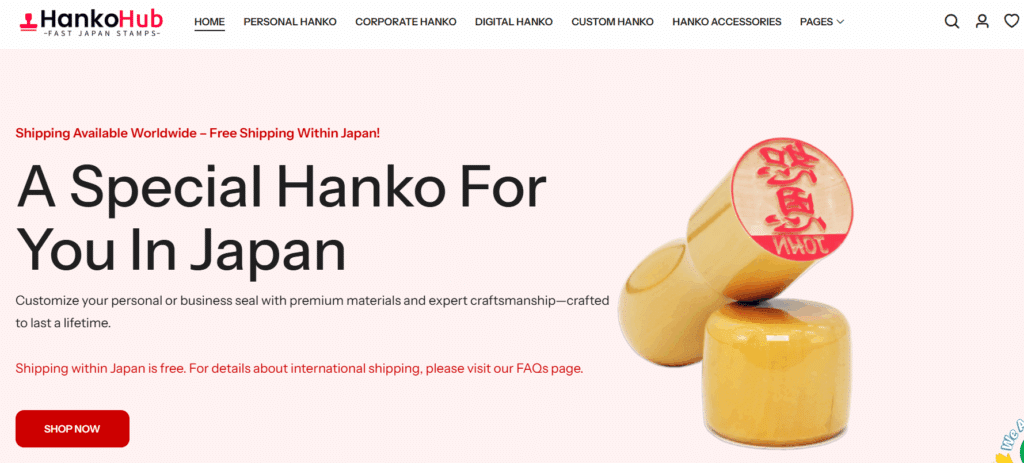
For travelers seeking truly authentic Japanese cultural treasures that represent centuries of traditional craftsmanship, HankoHub (https://hankohub.com/) offers an extraordinary opportunity to acquire genuine Japanese Hanko Inkan seals – traditional personal stamps that have been integral to Japanese culture and daily life for over a millennium.
These aren’t ordinary tourist souvenirs – they’re functional pieces of living Japanese heritage, personally hand-carved by master artisans using traditional techniques passed down through countless generations. Each Hanko represents your personal connection to Japanese culture, beautifully crafted with your name in elegant Japanese characters that tell your unique story of cultural discovery and appreciation.
HankoHub provides complimentary delivery throughout Japan, ensuring your authentic cultural treasure reaches your cruise ship or hotel quickly during your port visits. For cruise passengers continuing their journey or returning home, HankoHub’s reliable international shipping service brings genuine Japanese craftsmanship directly to your doorstep worldwide, creating lasting connections to your Japanese cruise adventure.
Each Hanko becomes more than a souvenir – it’s a functional reminder of your authentic Japanese cultural experience, serving practical purposes while representing deep appreciation for traditional Japanese artistry. Don’t settle for mass-produced cruise ship merchandise – invest in authentic Japanese cultural heritage that honors traditional craftsmanship while creating personal connections to Japan’s incredible artistic legacy!
Regional Shopping Specialties
Tokyo offers everything from traditional crafts in Asakusa to cutting-edge technology in Akihabara and fashion in Harajuku. Department stores like Mitsukoshi and Takashimaya provide curated selections of Japanese products with international shipping services.
Kyoto specializes in traditional crafts including textiles, pottery, tea ceremony implements, and handmade paper products. The historic shopping districts preserve traditional retail experiences alongside authentic artisan workshops.
Each port offers distinctive regional products: Hokkaido dairy products and seafood, Okinawan textiles and glassware, or Hiroshima’s local crafts and culinary specialties. These regional items provide unique mementos unavailable in other locations.
Duty-Free Shopping and Customs Considerations
Japan offers tax-free shopping for tourists on qualifying purchases, typically requiring minimum purchase amounts and specific documentation. Research current tax-free shopping procedures and qualifying items before major purchases.
Understand customs regulations for your home country regarding duty-free allowances, prohibited items, and declaration requirements. Some traditional Japanese items like certain foods or plant products may face import restrictions.
Consider shipping larger purchases directly home rather than carrying items throughout your cruise. Many department stores and specialty shops offer international shipping services with customs documentation assistance.
Cultural Enrichment and Learning Opportunities
Pre-Cruise Cultural Preparation
Enhance your cruise experience through advance cultural learning about Japanese history, customs, art, and social practices. Understanding cultural context significantly improves appreciation of sites visited and interactions with local residents.
Consider reading Japanese literature, watching films, or studying basic art history before your cruise. This preparation provides framework for understanding cultural sites, architectural styles, and social customs encountered during port visits.
Language learning apps or basic Japanese phrase books help facilitate interactions and demonstrate respect for local culture. Even minimal language efforts often result in warmer reception and more meaningful cultural exchanges.
Onboard Cultural Programming
Many cruise lines provide Japanese cultural programming including lectures by historians or cultural experts, traditional arts demonstrations, and language instruction. Take advantage of these opportunities to deepen understanding of destinations visited.
Cultural entertainment might include traditional music performances, martial arts demonstrations, or craft workshops. These experiences provide cultural education while offering engaging activities during sea days.
Some cruises feature guest speakers who are Japan experts, former residents, or cultural specialists. These presentations offer insider perspectives and practical advice for maximizing port experiences.
Meaningful Cultural Exchanges
Seek opportunities for genuine cultural exchange rather than superficial tourist interactions. Participating in local activities, visiting neighborhood establishments, or engaging with artisans provides deeper cultural understanding.
Consider volunteer tourism opportunities or cultural exchange programs available during longer port stays. These experiences provide meaningful connections with local communities while contributing positively to destinations visited.
Approach cultural differences with curiosity and respect rather than judgment. Japanese customs may differ significantly from Western practices, but understanding these differences enhances appreciation for cultural diversity and global perspectives.
Health and Safety Considerations
Medical Preparations and Health Services
Consult healthcare providers before international cruise travel, particularly regarding required or recommended vaccinations, prescription medication supplies, and health insurance coverage for international travel.
Research medical facility locations and quality in major ports, particularly if managing chronic health conditions requiring potential medical attention. Major Japanese cities provide excellent healthcare, but language barriers may complicate medical communication.
Pack comprehensive first-aid supplies and any prescription medications in original containers with adequate supplies for entire cruise duration plus extensions for potential itinerary changes or delays.
Safety Precautions and Emergency Procedures
Japan generally provides extremely safe travel environments with low crime rates and helpful local populations. However, maintain standard travel safety precautions including secure storage of valuables and awareness of surroundings.
Understand cruise ship emergency procedures and port security protocols. Familiarize yourself with local emergency contact information and procedures for contacting cruise line representatives during shore excursions.
Natural disaster preparedness becomes relevant in Japan due to earthquake and tsunami risks. Research basic earthquake safety procedures and tsunami evacuation routes, particularly in coastal areas near cruise ports.
Travel Insurance and Coverage
Comprehensive travel insurance becomes particularly important for international cruise travel, covering potential medical emergencies, trip interruptions, evacuation needs, and lost luggage or documents.
Verify coverage includes cruise-specific protections such as itinerary changes, missed connections, and cabin confinement due to illness. Some policies offer additional coverage for high-value items like electronics or jewelry.
Consider supplemental coverage for adventure activities, shore excursions, or independent travel during port visits. Standard policies may exclude certain activities or require additional premiums for comprehensive coverage.
Expert Planning and Personalized Assistance
Navigating the complexities of Japan cruise travel – from selecting optimal itineraries and understanding cultural customs to maximizing limited port time and creating authentic experiences – often benefits from expert local knowledge and personalized planning assistance.
For cruise passengers seeking authentic Japanese experiences, insider knowledge about hidden gems in port cities, and expert guidance on cultural etiquette and meaningful activities, Jasumo provides unparalleled local expertise that transforms ordinary cruise port visits into extraordinary cultural adventures.
Whether you need recommendations for authentic dining experiences in each port, assistance with independent shore excursion planning, guidance on cultural sites beyond typical tourist attractions, or connections with traditional craft workshops and local artisans, Jasumo’s deep local knowledge creates opportunities impossible to find through conventional cruise resources.
Their expertise extends beyond standard tourist information to include cultural etiquette coaching, language support, transportation logistics for independent exploration, and connections with local communities eager to share their traditions with respectful visitors. Contact Jasumo through their contact form for personalized cruise travel consultation that ensures every port stop becomes a meaningful cultural discovery rather than a superficial tourist experience.
Technology and Modern Conveniences
Digital Resources and Apps
Download essential apps before your cruise including translation tools, navigation assistance, cultural information, and local transportation guides. Offline capabilities become particularly important when internet access may be limited or expensive.
Research port-specific apps providing current information about attractions, transportation schedules, and local events. Many Japanese cities offer official tourism apps with English language support and real-time information.
Consider apps for restaurant recommendations, cultural site information, and shopping assistance. These digital resources help maximize limited port time while providing insider information about authentic local experiences.
Photography and Documentation
Japan offers incredible photography opportunities from ancient temples to modern cityscapes and natural beauty. Research photography etiquette, particularly regarding restrictions at religious sites and private properties.
Consider bringing appropriate camera equipment for diverse lighting conditions, from indoor temple photography to outdoor landscapes. Backup storage and battery power become important for intensive photography days during port visits.
Share experiences responsibly through social media, respecting local customs and avoiding photography that might compromise other visitors’ experiences or violate cultural sensitivities.
Seasonal Festivals and Special Events
Timing Cruises for Cultural Events
Research Japanese festival calendars when planning cruise travel, as local celebrations provide incredible cultural experiences and authentic community participation opportunities. However, popular festivals may also increase crowds and accommodation demands.
Spring festivals celebrating cherry blossoms, summer matsuri featuring traditional music and dance, autumn harvest celebrations, and winter illumination events provide seasonal cultural experiences unique to specific times of year.
Smaller local festivals often provide more authentic experiences than major tourist-focused events. Research community celebration calendars for ports visited during your cruise dates.
Participating in Local Celebrations
When cruise schedules coincide with local festivals, research appropriate participation methods and cultural protocols. Many festivals welcome respectful visitor participation while others maintain traditional community focus.
Understand festival etiquette including appropriate dress, behavior expectations, and participation protocols. These guidelines ensure respectful cultural engagement while avoiding unintentional cultural insensitivity.
Consider extending port stays or independent travel to fully experience major festivals. Some celebrations span multiple days and require extended time for complete cultural appreciation.
Budget Planning and Cost Management
Cruise Pricing and Value Optimization
Japan cruise pricing varies significantly based on season, cruise line, cabin category, and itinerary length. Compare total costs including airfare, pre- and post-cruise accommodations, shore excursions, and onboard expenses.
Consider shoulder season cruises for optimal balance of favorable weather, manageable crowds, and reasonable pricing. Peak seasons like cherry blossom time command premium pricing while offering spectacular natural displays.
Evaluate included amenities, dining options, and cultural programming when comparing cruise lines. Higher-priced options may provide better value through inclusive programming and premium experiences.
Shore Excursion Budgeting
Budget for shore excursions representing significant cruise travel expenses, particularly for comprehensive cultural experiences and transportation in expensive destinations like Tokyo and Kyoto.
Compare cruise line excursion pricing with independent exploration costs including transportation, admission fees, dining, and guide services. Independent exploration often provides cost savings but requires more planning and cultural preparation.
Prioritize must-see experiences and cultural activities aligning with personal interests rather than attempting to experience everything. Focused experiences often provide more meaningful cultural connections than rushed tourist checklists.
Onboard Spending Management
Understand onboard spending policies, automatic gratuity charges, and specialty service fees before sailing. Monitor daily expense accounts to avoid unexpected charges accumulating throughout the cruise.
Budget for specialty dining, beverages, spa services, and shopping while balancing onboard expenses with shore excursion priorities. Some travelers prefer minimizing onboard spending to maximize cultural experiences during port visits.
Consider beverage packages and specialty dining plans if extensive onboard dining appeals to your travel style. However, authentic Japanese port dining experiences may provide better cultural value than onboard alternatives.
Future Japan Cruise Trends and Developments
Evolving Cruise Industry in Japan
Japan’s cruise industry continues expanding with new port facilities, enhanced cultural programming, and increased focus on sustainable tourism practices. These developments improve cruise passenger experiences while supporting local communities.
Smaller expedition-style cruises gain popularity for accessing remote Japanese islands and providing more intimate cultural experiences. These specialized cruises often feature expert naturalists, cultural historians, and enhanced shore excursion programming.
Luxury cruise options expand with ultra-premium lines adding Japanese itineraries featuring exclusive cultural access, private shore excursions, and enhanced cultural enrichment programming.
Sustainable Cruise Tourism
Environmental consciousness influences cruise industry practices in Japan, with increased focus on waste reduction, emission controls, and supporting local environmental conservation efforts.
Cultural sustainability becomes increasingly important, with cruise lines developing programming that supports traditional crafts, local businesses, and authentic cultural preservation rather than commercialized tourist experiences.
Consider cruise lines demonstrating environmental responsibility and cultural sensitivity when selecting Japanese itineraries. These choices support sustainable tourism development and authentic cultural preservation.
Conclusion: Embarking on Your Japanese Cruise Adventure
Cruise travel to Japanese ports offers an extraordinary combination of convenience, comfort, and cultural discovery that makes Japan accessible to travelers who might otherwise find independent travel challenging. From the efficient logistics of having your accommodation travel with you to the expert cultural programming available aboard modern cruise ships, this travel style provides unique advantages for experiencing Japan’s incredible diversity.
The key to successful Japan cruise travel lies in balancing structured cruise activities with independent exploration, respecting local customs while seeking authentic experiences, and preparing culturally while remaining open to unexpected discoveries. Japan’s remarkable blend of ancient traditions and cutting-edge modernity creates endless opportunities for meaningful cultural exchanges and unforgettable experiences.
Whether you’re drawn to Tokyo’s vibrant energy, Kyoto’s spiritual tranquility, Osaka’s culinary excellence, or the natural beauty of Japan’s diverse coastal regions, cruise travel provides comfortable access to experiences that will enrich your understanding of this fascinating culture and create lasting memories of Japanese hospitality, artistry, and natural beauty.
Your Japanese cruise adventure begins with careful planning, cultural preparation, and an open heart ready to embrace the incredible experiences awaiting in the Land of the Rising Sun. The combination of cruise comfort and Japanese cultural richness creates travel opportunities that satisfy both adventure-seeking spirits and those preferring structured, worry-free exploration methods.
Set sail for Japan with confidence, knowing that each port offers new discoveries, authentic cultural experiences, and opportunities to create meaningful connections with one of the world’s most fascinating and hospitable cultures.
Planning a Group Trip to Japan?
From corporate teams to friends traveling together, we create tailor-made travel packages. Enjoy VIP access, curated itineraries, and full support from our local experts. Tell us your plans, and we’ll handle the rest.
Contact Jasumo Now →