How to Travel Japan with a Family Using the JR Pass
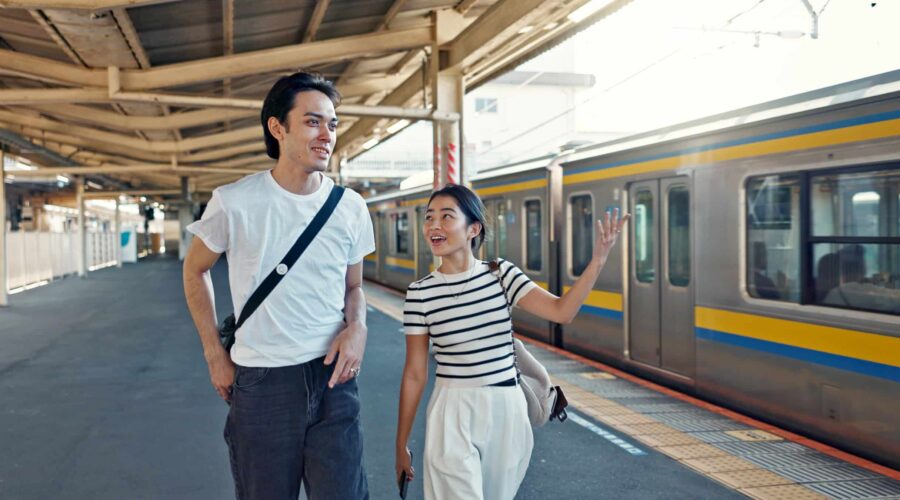
Traveling to Japan with children might seem daunting at first, but with proper planning and the Japan Rail Pass, it can become one of your family’s most memorable adventures. From bullet trains that kids will never forget to family-friendly destinations across the country, the JR Pass opens up a world of possibilities for families exploring the Land of the Rising Sun. This comprehensive guide will help you navigate family travel in Japan, understand the ins and outs of JR Pass pricing for children, and discover the best destinations that will captivate travelers of all ages.
Are you Visiting Japan soon?
Let us make your trip effortless. From tickets and hotels to transport and local guides, we arrange everything for you or your group. Whether it’s a music festival in Tokyo or a business conference in Osaka, our custom travel service ensures you enjoy the event stress-free.
Contact Jasumo Now →Understanding JR Pass Child Fares & Free Toddler Policies
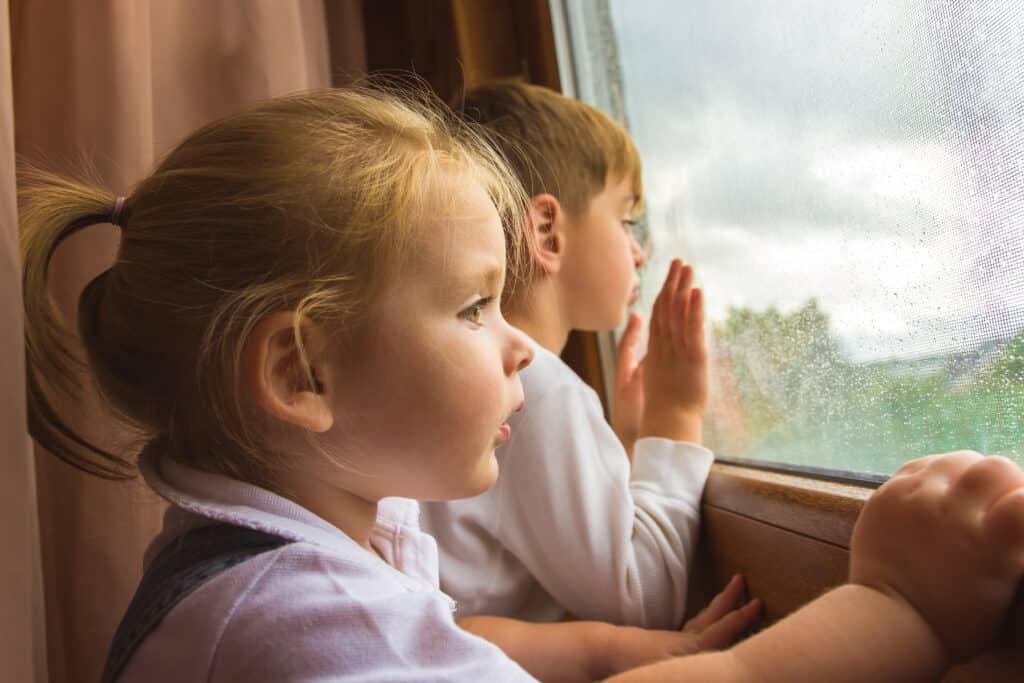
One of the biggest advantages of choosing the JR Pass for family travel is the generous pricing structure for children, making Japan more accessible for families on a budget.
Age-Based Pricing Structure
Children Under 6 (Ages 0-5): Children under 5 can travel for free on all JR transportation, including the famous Shinkansen bullet trains. This is a significant saving for families with toddlers and preschoolers. However, there’s an important caveat: free-traveling children cannot have seat reservations made for them, as they don’t have a valid train ticket. This means your little one will need to sit on your lap or share a seat with you during the journey.
Children Ages 6-11: Children aged 6 to 11 years are eligible for a child’s JR Pass that costs exactly half the price of an adult pass. This represents substantial savings:
- 7-day Child Pass: ¥25,000 (vs. ¥50,000 adult)
- 14-day Child Pass: ¥40,000 (vs. ¥80,000 adult)
- 21-day Child Pass: ¥50,000 (vs. ¥100,000 adult)
Children 12 and Older: Children who are 12 years and older must purchase an adult pass at full price, as they’re considered adults in the Japanese rail system.
Important Seating Considerations
When traveling with children under 6, you’ll need to make strategic decisions about seating. Young children will sit on the lap of accompanying adults, with a maximum of two children per adult allowed under this free travel policy. If you want guaranteed seating for your toddler, you’ll need to purchase a child pass even if they’re under 6.
For busy travel periods like Golden Week, summer holidays, or cherry blossom season, consider purchasing passes for all children regardless of age to ensure comfortable seating for the entire family.
Green Car Benefits for Families
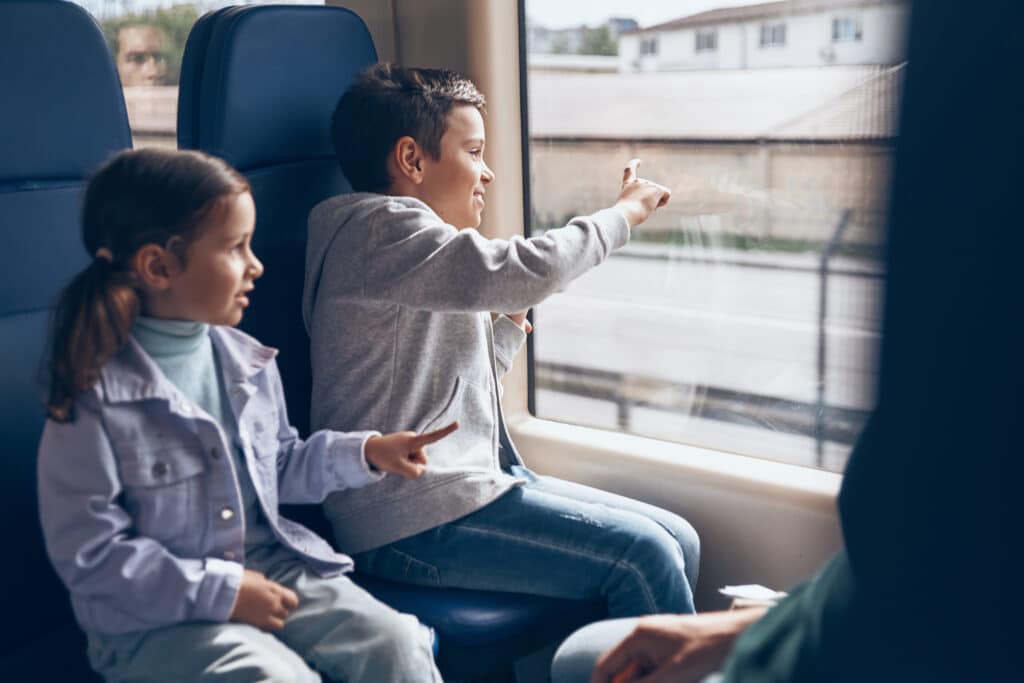
While Green Car tickets cost the same as adults for children, the additional space and comfort can be worthwhile for families, especially on long journeys. Green Car seats offer more legroom, wider seats, and typically a quieter environment that can help with napping children and stressed parents.
Essential Tips for Family Seating and Luggage Management
Traveling with children requires extra planning, particularly when it comes to seating arrangements and managing family luggage on Japan’s efficient but busy rail system.
Seat Reservation Strategies
Reserve Early and Together: Always make seat reservations at JR stations’ green windows (Midori no Madoguchi) as soon as possible after arriving in Japan. Request seats together, preferably in a 2+2 configuration across the aisle so parents can supervise children effectively. For families of five or more, book seats in a 3+2 arrangement.
Choose Strategic Car Positions:
- Car 1 or Car 16: These end cars are often less crowded and closer to station platforms
- Avoid cars 7-10: These middle cars tend to be busiest as they align with station escalators
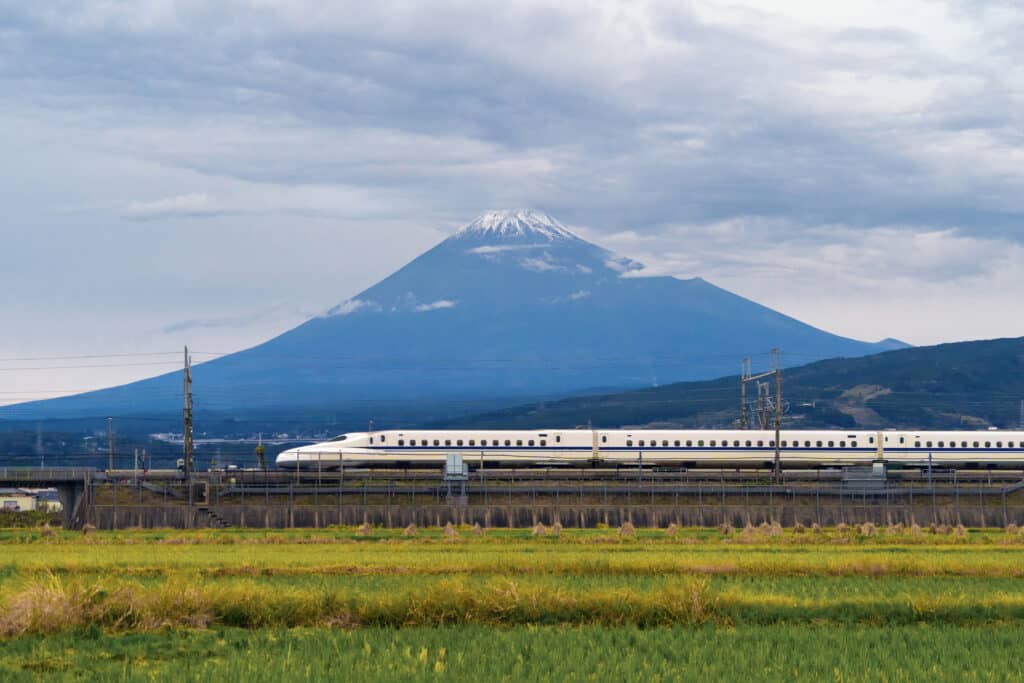
- Window seats for kids: Children love watching the scenery, especially Mount Fuji views on the Tokaido Shinkansen
Non-Reserved Car Tips: If you can’t get reservations, board non-reserved cars early. Cars 1-3 on most Shinkansen are non-reserved, but arrive at the platform at least 15 minutes before departure during peak times.
Luggage Management for Families
Overhead Storage: Each seat has overhead storage, but with family gear, space fills quickly. Pack strategically with essential items in easy-access bags and store larger luggage overhead immediately upon boarding.
Behind-Seat Storage: The Shinkansen offers behind-seat storage for larger suitcases, which works well for families with multiple bags. Reserve these seats specifically if you have substantial luggage.
Station Luggage Services: Major stations offer luggage delivery services (takuhaibin) that can send bags directly to your hotel, allowing the family to explore unencumbered. This service typically costs ¥500-800 per bag and takes 1-2 days.
Essential Family Packing Tips:
- Pack a day bag with snacks, entertainment, and changing supplies
- Bring empty bottles for drinks (stations have vending machines)
- Pack wipes and tissues (not always available in restrooms)
- Include portable phone chargers for devices keeping kids entertained
Managing Station Navigation with Children
Japanese stations can be overwhelming, even for adults. With children, preparation becomes crucial:
Use Station Maps: Download offline maps of major stations like Tokyo, Shinjuku, and Osaka. These stations are cities unto themselves, and getting lost with tired children is easily avoided with preparation.
Allow Extra Time: Budget 20-30 minutes extra for connections when traveling with children. Kids move slower, need bathroom breaks, and might want to stop at station convenience stores or food courts.
Identify Family Facilities: Major JR stations offer excellent family facilities including nursing rooms, diaper changing stations, and family restrooms. Look for symbols indicating these amenities on station maps.
Best Family Destinations Accessible with the JR Pass
The JR Pass opens up incredible family destinations across Japan, from world-famous theme parks to cultural experiences that will captivate children and adults alike.
Tokyo Area Family Attractions
Tokyo Disney Resort: Tokyo Disney Resort consists of two theme parks: Tokyo Disneyland and Tokyo DisneySea, filled with Disney-themed rides and attractions. The resort is easily accessible via JR Keiyo Line to Maihama Station. Tokyo DisneySea features attractions like Toy Story Mania and is probably non-negotiable when visiting with kids ages toddler and up.
TeamLab Borderless: This wondrous and immersive digital art museum fascinates even infants with its interactive digital installations. Located in Odaiba, it’s accessible via JR lines with a transfer to the automated Yurikamome line.
Pokemon Center and Ghibli Museum: Children may have passing knowledge of what’s in store – be it Pokemon Centers or the Ghibli Museum. Multiple Pokemon Centers exist throughout Tokyo, while the Ghibli Museum in Mitaka requires advance reservations but offers magical experiences for animation-loving families.
Traditional Experiences: Japanese gardens, parks, castles and museums often have impressive koi and goldfish ponds, and toddlers love watching the beautiful colored fish swirl around. Many locations sell fish food pellets, creating interactive experiences that engage even the youngest travelers.
Osaka and Universal Studios Japan
Universal Studios Japan opened in 2001 in the Osaka Bay Area and has become one of Japan’s premier family destinations. The park features unique attractions not found at other Universal parks, including the Wizarding World of Harry Potter and Nintendo World.
The park is easily accessible from Osaka Station via JR Yumesaki Line to Universal City Station, making it perfect for JR Pass holders.
Kyoto: Cultural Immersion for Families
Kyoto offers incredible cultural experiences that can captivate children when presented properly:
Fushimi Inari Shrine: The thousands of bright orange torii gates create a tunnel effect that children find magical. The hike up the mountain can be turned into a game, counting gates or looking for fox statues.
Bamboo Grove: The Arashiyama Bamboo Grove creates a natural cathedral that amazes visitors of all ages. The area is accessible by JR Sagano Line from Kyoto Station.
Golden Pavilion (Kinkaku-ji): While not JR accessible, the temple’s golden exterior reflecting in the pond creates Instagram-worthy moments that older children will appreciate.
Mount Fuji Region
The Mount Fuji area offers outdoor adventures perfect for active families:
Kawaguchi Lake: Accessible via JR lines to Otsuki, then transfer to Fujikyu Railway (not covered by JR Pass, but connecting service available). The area offers stunning Fuji views, seasonal flowers, and outdoor activities.
Hakone (Partial JR Coverage): While not fully covered by JR Pass, the journey to Hakone begins with JR Tokaido Line to Kozu, making it partially accessible for families wanting hot springs and mountain views.
Northern Adventures: Nikko and Beyond
Nikko: This UNESCO World Heritage site combines natural beauty with cultural significance. The area is fully accessible via JR Tohoku Line from Tokyo, making it perfect for day trips or overnight stays.
Toshogu Shrine Complex: The elaborately decorated shrines fascinate children with their bright colors and intricate carvings. The area also offers nature walks and seasonal attractions.
Western Japan Family Destinations
Hiroshima and Peace Memorial: While the subject matter requires sensitive handling, older children can gain valuable perspectives on peace and history. The nearby Miyajima Island offers beautiful scenery and friendly deer that children love feeding.
Hello Kitty Shinkansen: Kids love riding the Shinkansen bullet train, and the special Hello Kitty bullet train on the Sanyo Shinkansen line is sure to be a hit with little ones. This themed train runs between Osaka and Fukuoka, offering a unique travel experience.
Practical Family Travel Tips Using the JR Pass
Planning Your Itinerary
Start Slow: Don’t overpack your schedule. Jet lag affects children more severely, and cultural adjustment takes time. Plan shorter days initially, building up to longer adventures as the family acclimates.
Mix Active and Calm: Balance high-energy destinations like theme parks with peaceful experiences like gardens or temples. This prevents overstimulation and meltdowns.
Build in Flexibility: The Japan Rail Pass allows flexibility for travel plans and itineraries, granting unlimited access to JR-operated transportation. This flexibility is invaluable when traveling with children whose moods and energy levels can change unpredictably.
Managing Jet Lag and Energy Levels
Use Travel Time Wisely: Long train journeys provide opportunities for naps and quiet activities. Bring tablets loaded with movies, coloring books, and small toys to keep children occupied.
Take Advantage of Station Amenities: Major stations offer food courts, convenience stores, and sometimes play areas. Use these as rest stops and opportunities to try new foods.
Embrace Japanese Convenience: Convenience stores (konbini) are everywhere and stock everything from fresh food to diapers. Vending machines provide drinks constantly, and most accept IC cards for easy payment.
Cultural Considerations for Families
Teach Basic Etiquette: Before traveling, teach children basic Japanese etiquette: removing shoes when required, quiet voices on trains, and proper bowing. Japanese people appreciate effort, even from young children.
Respect Quiet Car Rules: Some Shinkansen cars are designated as quiet cars. Avoid these with young children, or ensure kids can maintain appropriate noise levels.
Photography Etiquette: Teach children when photography is and isn’t appropriate, particularly in temples, museums, and around people in traditional dress.
Food Adventures for Families
Kid-Friendly Japanese Foods
Start Familiar: Begin with foods similar to home: chicken katsu (like chicken nuggets), tempura vegetables, and plain rice. Gradually introduce new flavors as children become more adventurous.
Interactive Dining: Conveyor belt sushi (kaiten-zushi) turns dining into entertainment. Children love choosing colorful plates, and many items appeal to young palates.
Department Store Food Courts: Major stations and department stores offer food courts with diverse options, allowing family members to choose different meals while eating together.
Managing Dietary Restrictions
Research Beforehand: If children have allergies or strict dietary requirements, research restaurants and prepare translation cards explaining restrictions in Japanese.
Pack Backup Snacks: Always carry familiar snacks for emergencies, particularly during long train journeys or when exploring areas with limited food options.
Accommodation Strategies for Families
Choosing Family-Friendly Hotels
Location Matters: Stay near major JR stations to minimize walking with luggage and tired children. Many hotels offer luggage storage, allowing exploration immediately upon arrival.
Room Configuration: Japanese hotel rooms are typically smaller than Western standards. Consider connecting rooms or larger accommodations like serviced apartments for families with multiple children.
Western vs. Traditional: While ryokan (traditional inns) offer cultural experiences, they may be challenging with very young children due to floor sleeping and formal meal times. Save these experiences for when children are older or more adaptable.
Safety and Emergency Preparedness
Keeping Children Safe in Crowded Areas
Identification Systems: Create identification cards for each child with hotel information and emergency contacts in both English and Japanese. Consider GPS tracking devices for particularly busy areas.
Meeting Points: Establish clear meeting points at major stations and attractions. Practice what to do if separated, including finding uniformed JR staff or police officers.
Emergency Numbers: Program important numbers into phones: 110 (police), 119 (fire/medical), and your hotel’s direct line.
Medical Considerations
Travel Insurance: Ensure comprehensive travel insurance covers all family members. Japan’s medical care is excellent but expensive for non-residents.
Medication Management: Bring adequate supplies of any prescription medications, as specific brands may not be available in Japan. Carry a doctor’s letter explaining medical needs in English and Japanese.
Common Remedies: Pack a family first-aid kit including fever reducers, bandages, and any specific remedies your children typically need.
Making the Most of Your Investment
Cost-Benefit Analysis for Families
Calculate Total Savings: With half-price children’s passes and free travel for toddlers, families often achieve better value than individual travelers. A family of two adults and two school-age children saves ¥50,000 compared to individual tickets on a typical 7-day Golden Route itinerary.
Hidden Value Beyond Transportation: The JR Pass covers more than trains: certain buses, ferries, and even some hotel shuttles. Factor these additional benefits when calculating value.
Time Savings: By opting for train travel, parents can relax and enjoy time with children instead of undertaking long drives. This stress reduction has significant value for family harmony and vacation enjoyment.
Alternative Pass Options for Families
Regional Passes: For families focusing on specific areas, regional passes might offer better value:
- JR East Pass: Perfect for Tokyo, Mount Fuji, and northern destinations
- JR West Pass: Covers Osaka, Kyoto, Hiroshima efficiently
- JR Kyushu Pass: Excellent for southern Japan exploration
City-Specific Options: Major cities offer comprehensive day passes covering subways, buses, and some attractions. These work well for families staying in one location for multiple days.
Seasonal Considerations for Family Travel
Spring (March-May)
Cherry Blossom Season: This peak season offers magical experiences but requires advance planning. Book accommodations early and expect crowded trains and popular destinations.
Weather Considerations: Pack layers as spring weather varies significantly. Rain gear is essential, particularly in April and May.
Summer (June-August)
Festival Season: Summer festivals (matsuri) provide incredible cultural experiences, but crowds and heat can challenge families with young children.
Heat Management: Japanese summers are hot and humid. Plan indoor activities during peak heat hours and ensure adequate hydration.
Autumn (September-November)
Ideal Family Weather: Autumn offers comfortable temperatures and stunning fall foliage. This season provides excellent conditions for outdoor exploration and longer sightseeing days.
Typhoon Season: Early autumn includes typhoon season. Monitor weather forecasts and maintain flexible itineraries.
Winter (December-February)
Winter Illuminations: Japan’s winter light displays captivate children and create magical family memories. Many are accessible via JR lines in major cities.
Cold Weather Gear: Northern and mountainous regions require serious winter clothing. Budget additional luggage space for family winter gear.
Creating Lasting Memories
Photography and Documentation
Involve Children: Give older children disposable cameras or child-friendly digital cameras to document their perspective of the journey. These photos often capture unique viewpoints adults miss.
Travel Journals: Encourage children to keep simple travel journals with drawings, ticket stubs, and observations. These become treasured keepsakes of family adventures.
Social Sharing: Share experiences on social media to inspire other families while creating digital archives of your journey.
Educational Opportunities
Cultural Learning: Use travel experiences as educational opportunities. Discuss Japanese history, geography, and culture in age-appropriate ways throughout the journey.
Language Exposure: Encourage children to learn basic Japanese phrases. Japanese people appreciate the effort and children gain confidence through successful communication.
Geography Lessons: Use train routes and maps to teach geography. Children naturally learn about Japan’s regions, major cities, and geographical features through travel.
Conclusion
Traveling through Japan with a family using the JR Pass offers unparalleled opportunities for adventure, cultural immersion, and memory-making. The generous child pricing policies make family travel more affordable, while the extensive rail network opens up destinations that would otherwise require complex transportation arrangements.
Success lies in proper planning, realistic expectations, and embracing the flexibility that the JR Pass provides. Japan’s great infrastructure means it’s easy to get around and explore without worrying about children’s safety, making it an ideal destination for families seeking both adventure and security.
The key is balancing adult interests with child-friendly activities, maintaining flexibility in your itinerary, and remembering that the journey itself – riding bullet trains, experiencing station culture, and navigating a different transportation system – becomes part of the adventure for children.
Whether your family includes toddlers experiencing their first international adventure or teenagers ready for cultural immersion, the JR Pass provides the freedom to explore Japan at your own pace, create spontaneous adventures, and build memories that will last a lifetime.
The initial investment in JR Passes for your family pays dividends not just in transportation savings, but in the priceless experiences of discovering Japan together. From the excitement of riding the Shinkansen to the wonder of exploring ancient temples and modern attractions, your family’s Japanese adventure awaits.
Ready to plan your family’s Japanese adventure? Book your JR Pass here with global shipping and start creating memories that will last a lifetime.
Jasumo.com is your trusted platform for exploring Japan—featuring curated travel experiences & Tours, restaurants, Tickets, Events, local services, SIM cards, and authentic Japanese products for visitors and residents.
If you need any support selecting your travel itinerary in Japan or getting a JR pass for your family, talk to us on our contact form at https://jasumo.com/contact/ or send us an email. We are here to help make your Japan family journey unforgettable.
Planning a Group Trip to Japan?
From corporate teams to friends traveling together, we create tailor-made travel packages. Enjoy VIP access, curated itineraries, and full support from our local experts. Tell us your plans, and we’ll handle the rest.
Contact Jasumo Now →