
Is the JR Pass Worth It ? The Ultimate Guide for Travelers
Planning a trip to Japan and wondering whether the famous Japan Rail Pass (JR Pass) is still worth the investment? After significant price increases in recent years, this question has become more complex than ever. In this comprehensive guide, we’ll break down everything you need to know about the JR Pass in 2025, including current pricing, when it makes financial sense, and practical tips for maximizing your investment.
Are you Visiting Japan soon?
Let us make your trip effortless. From tickets and hotels to transport and local guides, we arrange everything for you or your group. Whether it’s a music festival in Tokyo or a business conference in Osaka, our custom travel service ensures you enjoy the event stress-free.
Contact Jasumo Now →
What is the JR Pass?
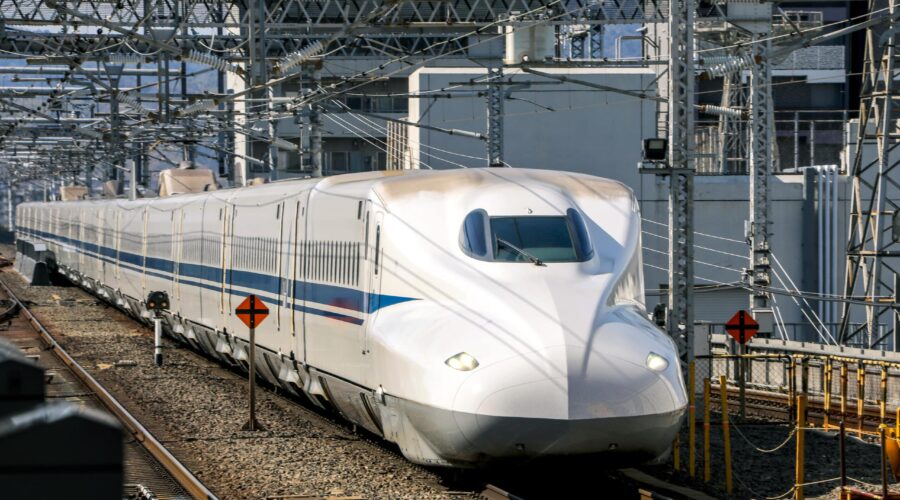
The Japan Rail Pass is a special ticket that offers unlimited travel on most Japan Railways (JR) trains throughout the country, including the world-famous Shinkansen bullet trains. Originally designed for foreign tourists, this pass provides access to one of the world’s most efficient railway networks, covering thousands of kilometers of track across Japan’s main islands.
The JR Pass covers nearly all trains operated by the six JR Group companies, including:
- Shinkansen bullet trains (with some exceptions)
- Limited express trains for long-distance travel
- Rapid trains for medium-distance journeys
- Local trains for city and regional transportation
- JR buses in certain areas
However, it’s important to note that the pass doesn’t cover all transportation in Japan. Private railways, subway systems in major cities (except JR lines), and some premium Shinkansen services have restrictions or aren’t included.
Latest Prices and Updates for 2025
The JR Pass landscape changed dramatically in October 2023 when prices increased by approximately 70%, making it crucial to understand current pricing before making your decision. As of 2025, here are the current prices:
Ordinary (Standard) Car Passes:
- 7-day pass: ¥50,000 (approximately $330 USD)
- 14-day pass: ¥80,000 (approximately $530 USD)
- 21-day pass: ¥100,000 (approximately $660 USD)
Green Car (First Class) Passes:
- 7-day pass: ¥70,000 (approximately $460 USD)
- 14-day pass: ¥110,000 (approximately $730 USD)
- 21-day pass: ¥140,000 (approximately $925 USD)
Important Updates for 2025:
- Minor price adjustments occurred in April 2025, with increases of approximately $2-4 USD per pass
- Children aged 6-11 receive 50% discount on all pass types
- The pass must be purchased before arriving in Japan (except at specific airports)
- Digital passes are now available alongside physical exchange vouchers
When the JR Pass is Worth It: Sample Cost Comparisons
Despite the price increases, the JR Pass can still provide excellent value in specific scenarios. Here’s when it typically makes financial sense:
Scenario 1: Classic Golden Route (7-day trip)
Itinerary: Tokyo → Kyoto → Osaka → Tokyo
- Tokyo to Kyoto (Shinkansen): ¥13,320
- Kyoto to Osaka (rapid train): ¥560
- Osaka to Tokyo (Shinkansen): ¥13,870
- Local JR trains in Tokyo (3 days): ¥2,000
- Local JR trains in Kyoto/Osaka (3 days): ¥1,500
- Total individual tickets: ¥31,250
- 7-day JR Pass: ¥50,000
- Verdict: Individual tickets are cheaper by ¥18,750
Scenario 2: Extended Golden Route with Day Trips (7-day trip)
Itinerary: Tokyo → Mount Fuji → Kyoto → Nara → Osaka → Hiroshima → Tokyo
- Tokyo to Kawaguchiko (Mount Fuji): ¥2,280
- Tokyo to Kyoto (Shinkansen): ¥13,320
- Kyoto to Nara day trip: ¥1,140
- Kyoto to Osaka: ¥560
- Osaka to Hiroshima (Shinkansen): ¥10,590
- Hiroshima to Tokyo (Shinkansen): ¥19,080
- Local JR trains (estimated): ¥3,000
- Total individual tickets: ¥49,970
- 7-day JR Pass: ¥50,000
- Verdict: Nearly break-even, with pass offering convenience
Scenario 3: Extensive Japan Exploration (14-day trip)
Itinerary: Tokyo → Nikko → Kyoto → Osaka → Hiroshima → Miyajima → Kanazawa → Takayama → Tokyo
- Tokyo to Nikko day trip: ¥2,590
- Tokyo to Kyoto (Shinkansen): ¥13,320
- Kyoto to Osaka: ¥560
- Osaka to Hiroshima (Shinkansen): ¥10,590
- Hiroshima to Miyajima day trip: ¥840
- Hiroshima to Kanazawa: ¥11,340
- Kanazawa to Takayama: ¥3,390
- Takayama to Tokyo: ¥11,090
- Local JR trains (estimated): ¥5,000
- Total individual tickets: ¥58,720
- 14-day JR Pass: ¥80,000
- Verdict: Individual tickets are cheaper by ¥21,280
When You May Not Need the JR Pass

The math has changed significantly since 2023, and there are now many scenarios where individual tickets or alternative passes make more sense:
Situations Where JR Pass Isn’t Worth It:
- Short city stays: If you’re spending most of your time in one city (Tokyo, Osaka, or Kyoto), local day passes are more economical
- Limited long-distance travel: Without multiple Shinkansen rides, you won’t reach the break-even point
- Flexible itinerary: If your plans might change, individual tickets offer more flexibility
- Budget-conscious travel: The upfront cost is significant, and individual tickets often cost less overall
Alternative Options to Consider:
- Regional JR Passes: More affordable options like JR East Pass, JR West Pass, or JR Kyushu Pass
- City-specific passes: Tokyo Metro passes, Osaka Amazing Pass, Kyoto City Bus Pass
- Discount tickets: Advance booking discounts on Shinkansen tickets
- Willer Express: Budget highway bus alternative for long-distance travel
How to Buy and Activate Your JR Pass
Purchasing Your Pass:
Before Traveling to Japan: Most travelers must purchase their JR Pass before arriving in Japan. You can buy through:
- Official JR Pass websites
- Authorized travel agents
- Online retailers specializing in Japan travel
At Japanese Airports: Limited sales are available at:
- Narita Airport
- Haneda Airport
- Kansai Airport
- New Chitose Airport (Sapporo) → Jasumo.com recommends buying JR pass on the JR Pass Website linked below. Buy your JR Pass now using the link below.
Activation Process:
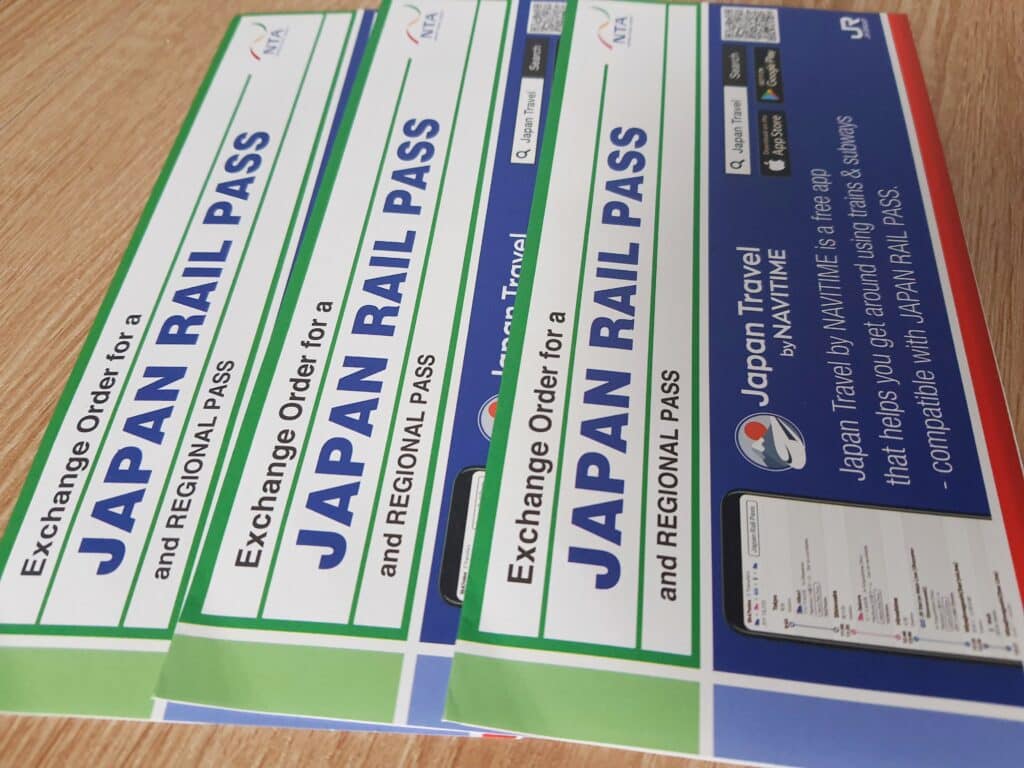
- Receive your Exchange Voucher: After purchase, you’ll receive a physical voucher or digital confirmation
- Exchange at JR Station: Present your voucher and passport at major JR stations or airports
- Choose activation date: You can activate immediately or specify a future date (within 3 months)
- Receive your pass: Get your physical JR Pass and keep it with you during travel
Important Activation Tips:
- The pass must be activated within 3 months of purchase
- Once activated, the validity period cannot be changed or extended
- Keep your pass and passport together when traveling
- The pass covers consecutive days only (no pause function)
Frequently Asked Questions
Delivery and Purchase
Q: How long does delivery take? A: Physical vouchers typically take 3-7 business days for international delivery. Digital options provide immediate confirmation but still require exchange in Japan.
Q: Can I buy the pass after arriving in Japan? A: Limited sales are available at major airports, but it’s recommended to purchase before arrival for guaranteed availability and better prices.
Booking and Reservations
Q: Do I need to book seat reservations? A: Reservations are optional for most trains but recommended for:
- Peak travel times (Golden Week, summer, New Year)
- Popular routes during busy periods
- Green Car travel for guaranteed seating
Q: How do I make reservations? A: Visit any JR ticket office (Midori no Madoguchi) with your pass and passport. Reservations are free but subject to availability.
Q: Can I use non-reserved cars? A: Yes, you can use non-reserved cars on most trains, but seating isn’t guaranteed during busy periods.
Refunds and Changes
Q: Can I get a refund if I don’t use my pass? A: Unused vouchers can typically be refunded with a processing fee (usually 10-15%) if returned before the expiration date. Activated passes cannot be refunded.
Q: What if I lose my pass? A: Lost passes cannot be replaced or refunded. Consider travel insurance that covers lost documents.
Q: Can I pause my pass? A: No, JR Passes are valid for consecutive days only and cannot be paused or suspended.
Maximizing Your JR Pass Value
If you decide the JR Pass makes sense for your trip, here are strategies to maximize its value:
Travel Tips:
- Plan longer routes: Prioritize trips that would be expensive without the pass
- Use covered transportation: Take advantage of JR buses and local JR trains
- Make day trips: Use the pass for spontaneous day trips from your base city
- Travel during peak hours: When individual tickets are most expensive
What’s Covered Beyond Trains:
- JR buses (including some airport connections)
- JR ferries (like the Miyajima ferry)
- Some hotel discounts and perks
- Priority access to certain tourist attractions
Regional Alternatives Worth Considering
For many travelers, regional passes now offer better value than the national JR Pass:
JR East Pass (Eastern Japan):
- Covers Tokyo, Nikko, Mount Fuji area, and northern regions
- 5-day pass: ¥27,000 (more affordable than national pass)
JR West Pass (Western Japan):
- Covers Osaka, Kyoto, Hiroshima, and surrounding areas
- 7-day pass: ¥33,000 (significant savings over national pass)
JR Kyushu Pass:
- Perfect for exploring southern Japan
- 3-day pass: ¥18,000 (excellent value for regional exploration)
Making Your Decision: Final Recommendations
The JR Pass remains a premium product that offers unmatched convenience and flexibility, but it’s no longer the automatic money-saver it once was. Here’s our guidance:
Choose the JR Pass if:
- You’re making multiple long-distance trips (3+ Shinkansen rides)
- You value convenience over cost savings
- You’re planning extensive travel across multiple regions
- You want the flexibility to travel spontaneously
- You’re traveling during peak seasons when individual tickets are most expensive
Skip the JR Pass if:
- You’re primarily staying in one city or region
- Your budget is tight and every yen counts
- You’re making only one or two long-distance trips
- You prefer more flexible, pay-as-you-go travel
- You’re comfortable navigating individual ticket purchases
Conclusion
The Japan Rail Pass in 2025 represents a different value proposition than in previous years. While the dramatic price increases have made it less of an obvious choice, it still offers significant value for travelers with extensive itineraries covering multiple regions of Japan. The key is honest assessment of your travel plans and comparing the total cost of individual tickets against the pass price.
Remember that beyond pure cost savings, the JR Pass offers invaluable convenience, eliminates language barriers when purchasing tickets, and provides the freedom to travel spontaneously. For many travelers, these intangible benefits justify the investment even when the financial math is close.
The most important factor is matching the pass to your specific travel style and itinerary. Take time to map out your planned routes, calculate individual ticket costs, and consider your priorities regarding budget versus convenience.
Ready to explore Japan? Book your JR Pass here with global shipping to start your incredible Japanese adventure.
Jasumo.com is your trusted platform for exploring Japan—featuring curated travel experiences & Tours, restaurants, Tickets, Events, local services, SIM cards, and authentic Japanese products for visitors and residents.
If you need any support selecting your travel itinerary in Japan or getting a JR pass, talk to us on our contact form at https://jasumo.com/contact/ or send us an email. We are here to help make your Japan journey unforgettable.
Planning a Group Trip to Japan?
From corporate teams to friends traveling together, we create tailor-made travel packages. Enjoy VIP access, curated itineraries, and full support from our local experts. Tell us your plans, and we’ll handle the rest.
Contact Jasumo Now →