

Jaap van Zweden Conducts Orchestre Philharmonique de Radio France with Mao Fujita: 2026 Japan Tour Guide
Classical music lovers in Japan have a rare opportunity in May 2026: the celebrated Orchestre Philharmonique de Radio France, led by newly appointed Music Director Jaap van Zweden, will tour Japan with acclaimed Japanese pianist Mao Fujita as soloist. This blog provides a comprehensive guide for overseas visitors on what to expect, how to navigate Japanese concert systems, and tips for a seamless classical music experience.
Are you Visiting Japan soon?
Let us make your trip effortless. From tickets and hotels to transport and local guides, we arrange everything for you or your group. Whether it’s a music festival in Tokyo or a business conference in Osaka, our custom travel service ensures you enjoy the event stress-free.
Contact Jasumo Now →Event Overview
The 2026 Japan tour showcases the ensemble’s mastery of French orchestral tradition alongside Romantic-era piano concertos. Across five performances in Tokyo, Nagoya, Kyoto, and Yokohama, audiences can expect:

- Program A (Tokyo, May 27): Mozart’s Piano Concerto No. 21 with Mao Fujita and Bruckner’s Symphony No. 7 under van Zweden’s direction.
- Program B (Tokyo, Nagoya, Kyoto, Yokohama, May 28–31): French repertoire including Debussy’s Prelude to the Afternoon of a Faun and The Sea, Ravel’s La Valse, and Rachmaninoff’s Piano Concerto No. 3 with Fujita.
This tour highlights a blend of iconic orchestral works and virtuosic solo piano repertoire, delivering both technical brilliance and emotional depth.
Global Context and Relevance
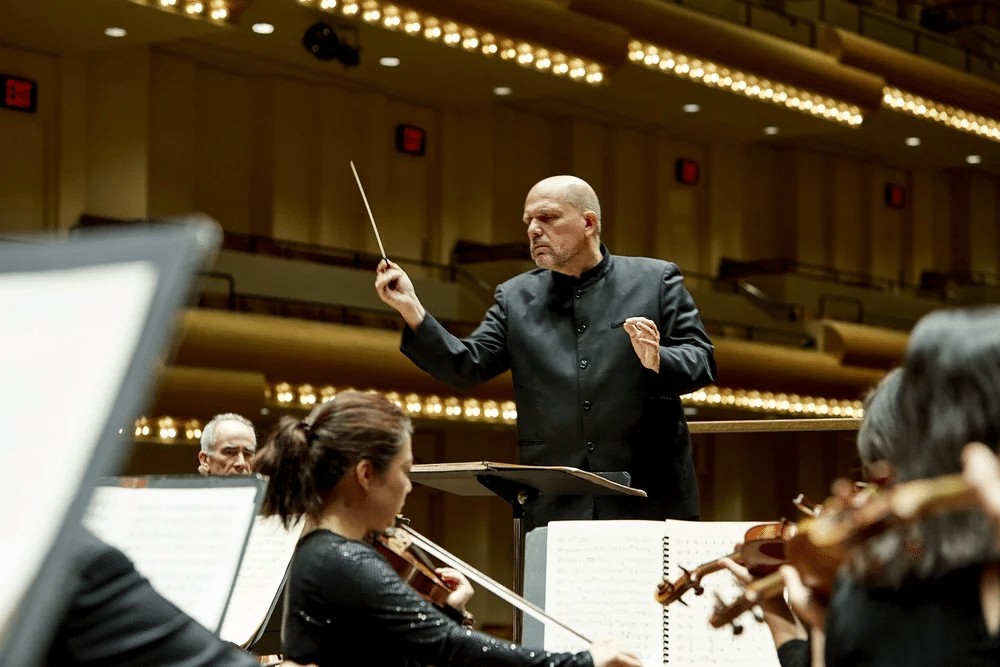
The Orchestre Philharmonique de Radio France is internationally renowned for its interpretations of French music and symphonic repertoire. Jaap van Zweden brings a fresh perspective as Music Director, combining his experience with leading global orchestras and an energetic, expressive conducting style.
Mao Fujita, a rising figure in the international piano scene, represents the growing presence of Japanese soloists on world stages. Her collaboration with a French orchestra under van Zweden is a rare event, offering overseas visitors a glimpse into top-tier classical artistry in Japan.
Japan-Specific Cultural and System Context
Japanese concert halls are designed with careful attention to acoustics and audience etiquette. Venues such as Suntory Hall, Kyoto Concert Hall, and Yokohama Minato Mirai Hall prioritize attentive listening. Key points for foreign visitors include:
- Seating is often reserved, with row and seat numbers assigned in advance.
- Audience conduct is strictly regulated: quiet listening is expected throughout performances.
- Programs may be printed in Japanese; translation apps or prior research can help understand musical selections.
Advance preparation ensures comfort navigating hall layouts, entry procedures, and timing, particularly at major venues like Suntory Hall Main Hall.
What Makes the Japan Experience Unique
- Acoustic Excellence: Halls in Japan, including Suntory Hall, are celebrated for warm, balanced acoustics and clear sound projection.
- Attention to Detail: Staff guidance, ushers, and signage ensure smooth audience flow and minimal disruption.
- Cultural Respect for Performance: Japanese audiences maintain a disciplined silence, providing an environment conducive to fully appreciating subtle musical nuances.
What Overseas Visitors Should Plan For
- Tickets & Access: Japanese ticketing systems, whether online or via platforms like ePlus or Lawson, require early registration. Some systems may require Japanese address or payment details, so planning ahead is essential.
- Travel Logistics: For regional performances (Nagoya, Kyoto, Yokohama), use Japan Rail or local transit to reach venues on time.
- Timing: Doors typically open 30–60 minutes before the start. Arriving early allows settling in and reviewing the program.
Ticketing and Participation Systems
Japanese classical music tickets are often sold through official platforms:
- ePlus, Lawson Ticket, Pia: Common platforms for foreign buyers; some may require Japanese-language navigation or account creation.
- Venue Websites: Direct purchase is possible for international cards; confirm time zone differences.
- Advance Planning: Popular recitals sell out quickly, especially in Tokyo, so registering or purchasing early is advisable.
Overseas visitors may find these processes unfamiliar at first. Advance preparation can help reduce day-of uncertainty. For support, Jasumo.com offers guidance on navigating Japanese ticketing systems.
Common Challenges Visitors Encounter
- Language Barriers: Concert halls primarily use Japanese for signage and program notes.
- Seating Navigation: Some venues have multiple tiers or restricted-access areas; verify seat locations ahead.
- Timing Coordination: Japanese trains are punctual but may require transfers to reach regional venues.
Understanding these points ensures a stress-free experience and full enjoyment of the performances.
Travel and Logistics Considerations
- Tokyo Venues: Suntory Hall is centrally located in Akasaka; taxis or metro are convenient.
- Nagoya: Aichi Prefectural Arts Theater is near Kanayama Station.
- Kyoto: Concert Hall is accessible from Kyoto Station via subway or bus.
- Yokohama: Minato Mirai Hall is within walking distance of Minato Mirai Station.
For mobile connectivity, a Japan SIM card for tourists or services like OmoriWiFi can help navigate transit and access online ticket info.
Connectivity Importance
Maintaining internet access allows foreign visitors to:
- Confirm directions and train schedules.
- Access translated program notes.
- Check last-minute ticket updates or venue notices.
Cultural or Experiential Extensions
- Explore local landmarks near each hall: Tokyo’s Akasaka area, Nagoya Castle, Kyoto’s traditional districts, or Yokohama’s Minato Mirai waterfront.
- Consider pairing a recital with nearby classical or art exhibitions for a full cultural day.
Conclusion
The Jaap van Zweden × Orchestre Philharmonique de Radio France with Mao Fujita Japan tour is an unparalleled opportunity for classical music enthusiasts. By understanding Japanese concert hall systems, planning travel logistics, and preparing for audience etiquette, overseas visitors can fully enjoy these performances. Advance preparation, connectivity, and awareness of venue norms will ensure the experience is seamless and memorable.

For additional guidance on attending events in Japan, reach out to Jasumo.com or explore resources like ComfysCareer for broader cultural context.
Upcoming 2026 Performances — Summary Table
| Date | Event / City | Venue |
|---|---|---|
| May 27, 2026 (Wed) | Tokyo Tour Opening (Program A) | Suntory Hall Main Hall (Tokyo) |
| May 28, 2026 (Thu) | Tokyo Tour (Program B) | Suntory Hall Main Hall (Tokyo) |
| May 29, 2026 (Fri) | Nagoya | Aichi Prefectural Arts Theater Concert Hall |
| May 30, 2026 (Sat) | Kyoto | Kyoto Concert Hall Main Hall |
| May 31, 2026 (Sun) | Yokohama | Yokohama Minato Mirai Hall |
Planning a Group Trip to Japan?
From corporate teams to friends traveling together, we create tailor-made travel packages. Enjoy VIP access, curated itineraries, and full support from our local experts. Tell us your plans, and we’ll handle the rest.
Contact Jasumo Now →