

The Ultimate Guide to Kimono Styles and Traditions 2026
The kimono stands as a timeless emblem of Japanese culture, weaving artistry and tradition into every fold. For travelers and enthusiasts alike, understanding the kimono opens a window into Japan’s rich heritage. This ultimate guide reveals the fascinating history, diverse styles, and deep symbolism behind the kimono.
Are you Visiting Japan soon?
Let us make your trip effortless. From tickets and hotels to transport and local guides, we arrange everything for you or your group. Whether it’s a music festival in Tokyo or a business conference in Osaka, our custom travel service ensures you enjoy the event stress-free.
Contact Jasumo Now →Discover essential etiquette, seasonal customs, and expert tips for experiencing authentic kimono culture in Japan. Whether you dream of strolling Kyoto’s historic streets or attending vibrant festivals, Jasumo provides concierge services for tickets, tours, and seamless transportation. For reliable connectivity, choose OMORI WiFi. Read on to unlock the beauty and meaning of the kimono.
The History and Cultural Significance of Kimono
The kimono is a timeless garment that weaves together centuries of Japanese artistry and tradition. To understand its enduring place in Japanese culture, it is essential to explore both its historical journey and the deep meanings it holds for people across Japan. Travelers interested in cultural experiences will find that the kimono is far more than a costume—it is a living heritage.
Origins and Evolution of the Kimono
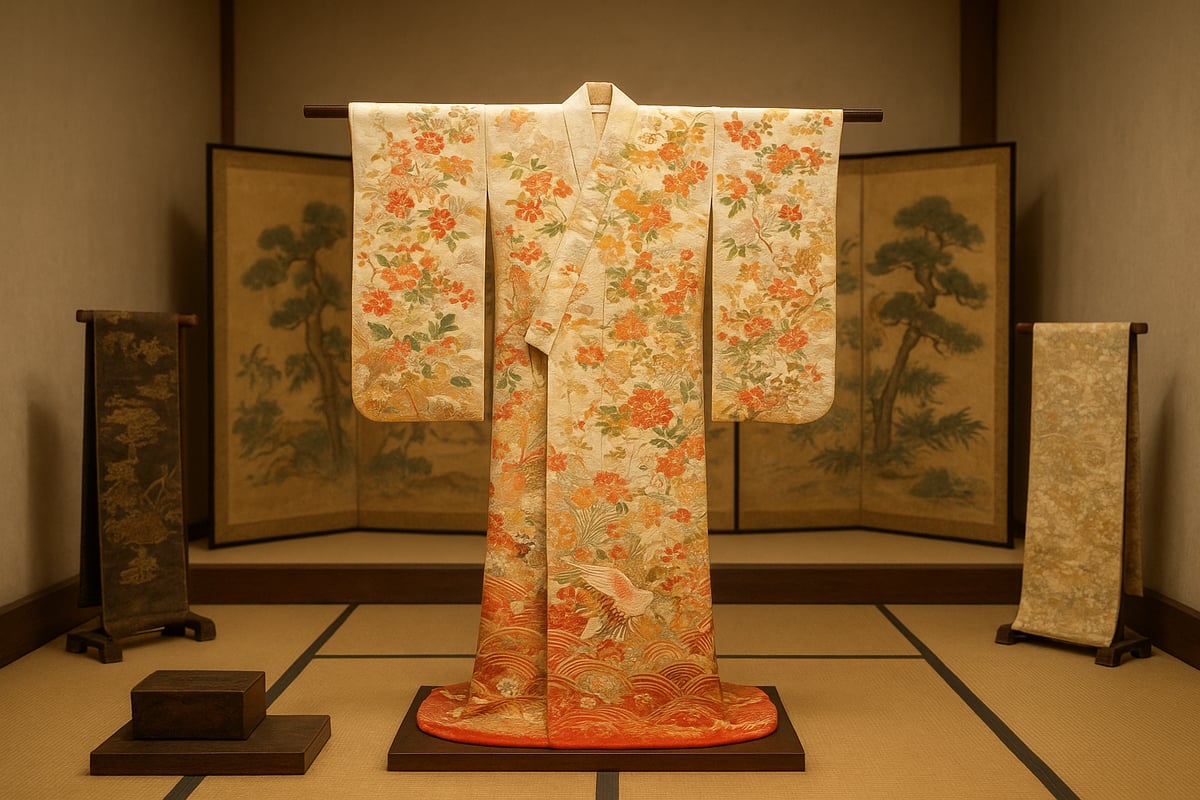
The roots of the kimono trace back to the Heian period, when Japanese nobles adopted flowing garments influenced by Chinese court fashion. Over time, the kimono evolved, reflecting shifts in society, politics, and artistry. During the Edo period, the garment became a marker of social status, with samurai, merchants, and artisans each developing distinctive styles.
As Japan entered the Meiji era, Western clothing began to influence daily dress, but the kimono continued to symbolize tradition and identity. The garment transitioned from everyday wear to formal attire, reserved for ceremonies and special occasions. Notable historical events, such as the rise of the merchant class, shaped kimono design, leading to more elaborate fabrics and patterns.
Each class in Japanese society had its own kimono etiquette. Samurai wore subdued colors and bold crests, while geisha adorned themselves with elegant, seasonal motifs. Merchants, once restricted by sumptuary laws, expressed subtle creativity through fabric quality and lining designs.
After World War II, the daily use of kimono declined as Western fashion became dominant. However, a resurgence began with cultural festivals and renewed interest in heritage. Today, visitors can see the kimono’s historical evolution displayed in museums, and its story is detailed in resources like Kimono’s historical evolution.
| Era | Kimono Style | Social Role |
|---|---|---|
| Heian | Layered, flowing robes | Nobility, courtly life |
| Edo | Distinct class styles | Samurai, merchants, artisans |
| Meiji | Simplified, formal | Ceremonial, modern transformation |
| Modern | Occasion-based | Weddings, festivals, cultural pride |
The kimono remains a symbol of Japanese resilience and adaptability, woven into the fabric of daily life and celebration.
Symbolism and Meaning in Kimono
Every kimono tells a story through its colors, motifs, and craftsmanship. Color symbolism is central: red signifies youth and celebration, black denotes formality, and white represents purity or new beginnings. Patterns also carry deep meanings, with cranes symbolizing longevity and cherry blossoms reflecting the fleeting beauty of life.
Kimono designs change with the seasons and regions of Japan. Spring may feature plum blossoms, while autumn brings maple leaves. In northern regions, heavier fabrics and bold colors are favored, while southern areas prefer lighter materials and vibrant hues. This attention to detail highlights the Japanese appreciation for nature and aesthetics, such as wabi-sabi and mono no aware.
The kimono is an essential part of life’s milestones. Brides wear ornate white or colorful kimono for weddings, while young adults don the garment for coming-of-age ceremonies. At funerals, subdued black kimono express respect and mourning.
Wearing a kimono is also a way to express personal and family identity. Family crests, called kamon, are often displayed on formal kimono, connecting wearers to their heritage. The choice of pattern, color, and fabric reflects not only tradition but also individual taste and status.
For travelers seeking authentic experiences, understanding the symbolism in kimono enriches visits to festivals, tea ceremonies, and cultural districts. Jasumo.com offers guidance on where to witness and participate in these traditions, helping visitors appreciate the garment’s role in Japanese society.
Types of Kimono: A Comprehensive Overview
The kimono is a remarkable garment that embodies centuries of Japanese tradition and artistry. Travelers to Japan often find themselves captivated by the diversity of kimono styles displayed in festivals, ceremonies, and daily life. Understanding these types is the key to appreciating Japanese culture on a deeper level. For those eager to explore the full range of kimono, learning about their symbolism, craftsmanship, and occasions for wear is essential. To delve further into the cultural meaning and traditions behind each kimono style, visit Kimono’s cultural significance.

Formal Kimono Styles
Formal kimono are reserved for significant occasions and reflect the wearer's status, age, and role. The furisode, with its long, flowing sleeves, is worn by unmarried women at celebrations such as coming-of-age ceremonies and weddings. Married women choose the tomesode, which features shorter sleeves and elegant, subdued patterns near the hem. The tomesode is a preferred choice for formal family events.
The homongi bridges the gap between formality and versatility. It can be worn by both married and unmarried women at tea ceremonies and receptions. Iromuji, a single-colored kimono, is favored for its subtle elegance at tea gatherings and graduations. These formal kimono styles often display family crests, intricate embroidery, and luxurious fabrics.
Selecting the correct kimono for an event is an important cultural practice. For example, in a traditional Japanese wedding, the bride may wear a white uchikake over her kimono, while female guests opt for tomesode. Jasumo.com assists travelers in Japan by arranging kimono rental experiences for special occasions, ensuring authentic participation in local customs.
Everyday and Seasonal Kimono
Not all kimono are reserved for grand events. Everyday and seasonal kimono offer comfort and practicality while retaining cultural significance. The komon, characterized by its small, repeated patterns, is a casual kimono suitable for shopping, dining, or visiting friends. Its understated design makes it a favorite for daily wear.
The yukata, made from lightweight cotton, is synonymous with Japanese summer festivals and hot spring visits. Yukata are easy to put on and come in vibrant colors and patterns, making them especially popular with both locals and visitors. During festival season, yukata sales reach their highest point in Japan, reflecting their enduring appeal.
Tsumugi kimono are crafted from handwoven silk or cotton and feature rustic textures. These are chosen for informal gatherings or leisurely outings. Each of these kimono types demonstrates how tradition adapts to modern comfort and seasonal changes, allowing travelers to enjoy festivals and cultural events in style. Jasumo recommends renting a yukata for summer festivities, a memorable highlight among things to do in Japan.
Men’s and Children’s Kimono
Men’s kimono are distinct in style and function. They are typically made in subdued colors such as navy, brown, or grey, and are paired with hakama pants for formal occasions. The haori jacket adds an extra layer of formality or warmth. For ceremonies or family gatherings, men may wear the montsuki kimono, which displays the family crest prominently.
Children’s kimono are vibrant and festive, designed to celebrate life milestones like Shichi Go San, a festival for children aged three, five, and seven. Girls wear brightly colored kimono with ornate obi belts, while boys don simpler styles with auspicious motifs. Modern adaptations have led to gender-neutral kimono and flexible designs, making it easier for families and travelers to participate in local events.
Practical differences in men’s and children’s kimono include sleeve length and obi tying methods. These details ensure comfort and allow for active participation in ceremonies and festivals. Jasumo’s concierge service can help families select appropriate kimono for any event, enhancing their cultural experience in Japan.
Specialty and Unique Kimono
Specialty kimono are worn for extraordinary occasions and performances. The uchikake, a heavily embroidered bridal kimono, is draped over the main garment for weddings, creating a dramatic and regal effect. Montsuki kimono, marked by family crests, are worn by men at formal events such as weddings and funerals.
Mofuku is the all-black mourning kimono worn at funerals, symbolizing respect and solemnity. Unique styles also exist for the performing arts. Stage kimono for kabuki actors are lavishly decorated, while martial artists wear specialized keikogi for practice and demonstrations.
These specialty kimono highlight the diversity of Japanese textile arts and the importance of tradition in every aspect of life. Travelers interested in seeing rare kimono can visit museums or cultural parks in Japan. For authentic souvenirs, look for accessories inspired by these unique garments. Jasumo.com provides guidance on where to shop for kimono and related items, making your Japan visit truly unforgettable.
Kimono Accessories and How to Wear Them
The kimono is an art form in itself, yet it is the thoughtful pairing of accessories that truly brings this traditional garment to life. Each element, from the obi to the smallest hair ornament, adds layers of meaning and elegance. Whether you are preparing for a festival, a formal ceremony, or simply wish to immerse yourself in Japanese culture, understanding these details enhances every kimono experience.
Essential Kimono Accessories
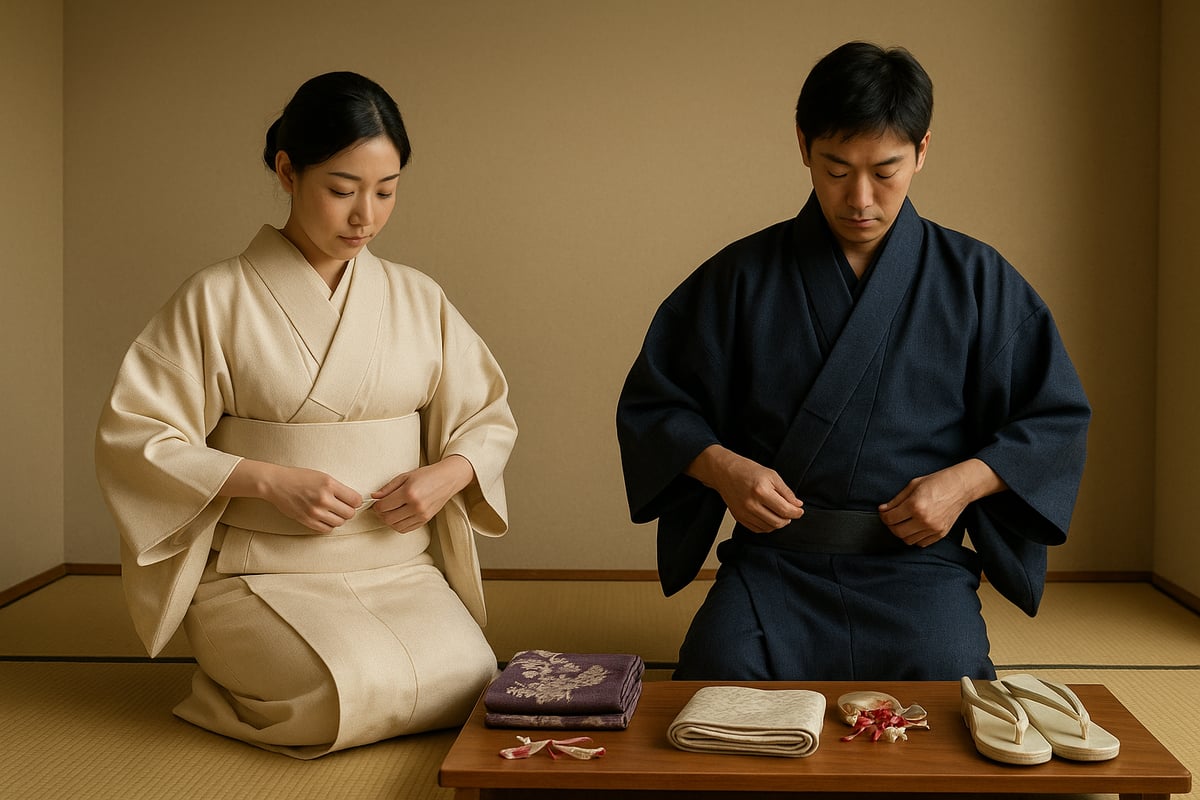
A complete kimono ensemble blends tradition and function, with each accessory serving a specific role. The obi is the wide sash that secures the kimono and acts as a statement piece. There are several obi types:
| Obi Type | Common Use | Distinctive Feature |
|---|---|---|
| Maru | Formal events | Double-sided, ornate |
| Fukuro | Semi-formal/formal | Lighter, decorative |
| Hanhaba | Casual, yukata | Narrower, easy to tie |
| Nagoya | Everyday, semi-formal | Pre-folded, practical |
Undergarments are equally important. The nagajuban is worn beneath the kimono to protect it from sweat and oils, while the hadajuban offers a comfortable base layer. These layers ensure the kimono drapes smoothly and remains clean.
Traditional footwear consists of zori and geta sandals, always paired with white tabi socks. Zori are often reserved for formal occasions, while geta are suited for casual outings such as summer festivals. Haori jackets and michiyuki coats add warmth and formality, especially in cooler months.
Accessories complete the look. Kanzashi hair ornaments can range from simple pins to elaborate floral arrangements, often chosen to match the season or occasion. Obijime cords and obidome clasps further secure and decorate the obi, providing a subtle accent that reflects personal style.
Kimono accessories are not only decorative but also practical, making every kimono ensemble a harmonious blend of beauty and utility.
Step-by-Step Guide: How to Wear a Kimono
Wearing a kimono involves a series of precise steps, each honoring centuries-old tradition. Begin by selecting a kimono and appropriate accessories for the event and season. Place the hadajuban and nagajuban undergarments first, ensuring they fit smoothly to set the foundation.
Drape the kimono over your shoulders, align the seams, and adjust the length so it falls just above the ankles. Wrap the left panel over the right—this is a vital rule, as right-over-left is reserved for funerals. Smooth out any wrinkles and secure the kimono with a koshi himo tie.
Next, tie the obi. For beginners, a basic otaiko knot offers elegance with simplicity. Decorative bows and more elaborate knots can be attempted with practice. Ensure the obi sits snugly at the waist, providing both structure and visual interest.
Final touches include arranging the collars and sleeves, then adding obijime and obidome for subtle flair. Step into tabi socks and zori sandals, then check your posture. Move with small, graceful steps to maintain the garment's shape and dignity.
For those new to kimono, common mistakes include incorrect panel placement, loose obi knots, or mismatched accessories. Many visitors find hands-on guidance invaluable. Participating in Japan travel tours and experiences often includes expert instruction on kimono dressing, ensuring an authentic and comfortable experience.
Jasumo.com can assist with arranging kimono rentals, cultural workshops, and local guides. For connectivity, OMORI WiFi is the recommended choice for SIM cards and Wi-Fi during your stay in Japan.
Jasumo.com makes traveling in Japan effortless—contact us via https://jasumo.com/contact/. For SIM cards or Wi-Fi, visit https://omoriwifi.com/.
Kimono Etiquette and Traditions
Understanding kimono etiquette is essential for anyone wishing to experience Japanese culture respectfully. The kimono is not only a garment but a symbol of tradition and social grace. Whether attending a festival or a formal event, knowing how to wear and care for a kimono ensures a meaningful and authentic encounter.

Rules of Kimono Wearing
Wearing a kimono requires careful attention to detail and tradition. The most fundamental rule is to wrap the left side over the right; reversing this is reserved for funerals. This practice is deeply rooted in Japanese customs and signifies respect for the living.
Posture is equally important. When wearing a kimono, standing tall and moving gracefully is expected. Walking with small, measured steps helps maintain the garment's elegant lines. Sitting requires smoothing the kimono behind you and folding your hands neatly in your lap.
Seasonal and event-appropriate choices are central to kimono etiquette. For instance, lighter fabrics and bright patterns suit spring and summer, while subdued tones are preferred for autumn and winter. Mixing patterns and colors follows specific guidelines, often reflecting family or regional traditions.
Proper handling and care are signs of respect for the kimono’s artistry. Always fold the kimono along its seams, store it away from direct sunlight, and clean it with care. Many travelers in Japan now attend kimono etiquette workshops, reflecting the growing interest in authentic cultural experiences.
Jasumo.com recommends learning these basics before attending any Japanese event. For those exploring things to do in Japan, mastering kimono etiquette enhances every cultural encounter.
Kimono in Japanese Festivals and Ceremonies
The kimono is a central feature of Japanese festivals and ceremonies, symbolizing honor and celebration. At events like cherry blossom viewings, tea ceremonies, and weddings, participants don beautifully patterned kimono to express joy and respect.
Coming-of-age and graduation ceremonies are particularly significant. Young women often wear brightly colored furisode, while men choose subdued, formal kimono. Each garment’s color and motif convey personal and seasonal meaning, making these occasions deeply memorable.
Regional customs influence kimono traditions as well. For example, certain motifs or obi-tying styles may be unique to specific areas of Japan. At major festivals such as the Toka Ebisu Festival traditions, visitors can observe a wide variety of kimono styles, each reflecting local heritage.
Wearing a kimono at these events is seen as a gesture of respect for both the occasion and the community. It also offers travelers a meaningful way to engage with Japanese culture. Jasumo.com can assist with tickets, tours, and guidance for attending these iconic Japan events.
For visitors, understanding kimono customs ensures a respectful and enriching experience. Do not forget to arrange your Japan SIM card or Wi-Fi through OMORI WiFi for seamless travel.
Jasumo.com makes traveling in Japan effortless—contact us via https://jasumo.com/contact/
. For SIM cards or Wi-Fi, visit https://omoriwifi.com/.
Experiencing Kimono Culture in Japan
Immersing yourself in Japan’s vibrant traditions means stepping into the world of kimono. Whether you want to try one on, learn its history, or bring home a piece of this iconic garment, there are countless ways to experience kimono culture during your travels. Jasumo.com can help arrange tickets, tours, and local experiences to ensure you make the most of your kimono journey.
Where to See and Wear Kimono
Japan’s cities offer endless opportunities to see and wear kimono. In Kyoto, the Gion and Higashiyama districts are famous for rental shops where visitors can try on beautiful kimono and explore scenic streets. Tokyo’s Asakusa is another popular area for experiencing kimono against the backdrop of historic temples.
Kimono rental shops are also found in Kanazawa, known for its preserved Edo neighborhoods and artisan workshops. Many travelers enjoy guided walking tours in kimono, taking memorable photos in traditional settings. Participating in tea ceremonies, attending seasonal festivals, or visiting hot springs towns are authentic ways to appreciate kimono culture.
Museums, such as those in the Nishijin textile district of Kyoto, showcase the artistry behind kimono weaving and dyeing. With over 15,000 kimono rental shops in Japan, it’s easy to find a place to begin your journey. Jasumo.com connects visitors with local guides and expert concierges, making the process smooth and memorable.
Responsible Kimono Tourism
Supporting the kimono tradition means more than wearing the garment—it involves understanding its cultural roots. Look for shops and experiences that promote sustainable kimono production and support local artisans. When participating in workshops or festivals, follow etiquette guidelines to show respect for the craft.
Choose experiences that foster appreciation, not appropriation. For instance, cultural parks like Noboribetsu Date Jidaimura cultural park in Hokkaido offer immersive settings where visitors can learn about traditional costumes, performances, and the deeper meaning behind kimono. Always ask before taking photos and share them thoughtfully on social media.
International visitors play a role in preserving kimono culture by supporting businesses that value authenticity. Jasumo.com recommends joining local workshops and tours to ensure your experience benefits the community. For reliable connectivity during your travels, OMORI WiFi offers trusted Japan SIM card and Wi-Fi solutions for seamless sharing and navigation.
Kimono Shopping and Souvenirs
Shopping for kimono in Japan is an adventure in itself. Authentic new and vintage kimono can be found in specialty stores, department stores, and flea markets across Kyoto, Tokyo, and other cities. When choosing a kimono, focus on fabric quality, intricate patterns, and traditional craftsmanship.
Prices range from affordable cotton yukata to luxurious silk kimono, so set a budget and ask for expert advice on sizing and care. Many shops offer services to help foreigners find the perfect fit. For those interested in the artistic legacy of kimono, exploring collections like the Khalili Collection of Kimono provides inspiration and insight into the garment’s evolution.
Popular kimono-inspired souvenirs include bags, scarves, and accessories that capture the beauty of Japanese design. Jasumo.com’s concierge team can recommend reputable shops and assist with purchases, ensuring you bring home a meaningful memento from your Japan adventure.
Jasumo.com makes traveling in Japan effortless—contact us via https://jasumo.com/contact/
. For SIM cards or Wi-Fi, visit https://omoriwifi.com/.
The Future of Kimono: Modern Trends and Global Influence
The kimono continues to inspire both tradition and innovation in Japanese culture. As travel to Japan grows in popularity, visitors are discovering how this iconic garment is evolving to meet the demands of contemporary life while preserving its timeless beauty. Whether seen in fashion districts of Tokyo or at local festivals, the kimono remains a symbol of artistry and identity.
Contemporary Kimono Fashion
In recent years, contemporary kimono fashion has flourished in Japan’s urban centers. Designers are reimagining the kimono for streetwear, blending traditional fabrics with modern silhouettes. Tokyo and Kyoto boutiques now offer kimono-inspired jackets, dresses, and even denim pieces, reflecting a seamless fusion of East and West.
Notable brands such as Jotaro Saito and Hiroko Takahashi are revitalizing the kimono industry by introducing bold prints and experimental designs. These creative efforts have also brought the kimono onto international runways, where it is celebrated for its versatility and elegance. Fashion-forward locals and global visitors alike are embracing new ways to incorporate the kimono into their everyday wardrobes.
In pop culture, the kimono appears in film, music videos, and art, further cementing its status as a cultural icon. For travelers seeking things to do in Japan, exploring these innovative kimono boutiques offers an authentic glimpse into contemporary Japanese style.
Kimono Preservation and Innovation
Efforts to preserve and innovate the kimono tradition are thriving across Japan. Master artisans continue to teach hand-dyeing and weaving techniques, while young designers experiment with digital printing and sustainable dyes. Many kimono schools now welcome international students, ensuring these skills endure for future generations.
Government initiatives are supporting local craftspeople and encouraging sustainable production methods. Projects like The Kimono Project initiative have showcased the kimono’s global influence by creating unique designs for each country, highlighting the garment’s adaptability and cultural diplomacy.
Technology is also playing a key role in the preservation of kimono. From online workshops to virtual fitting experiences, innovation is making it easier than ever to appreciate and wear kimono, whether for Japan events or special occasions. Jasumo helps visitors access kimono experiences, guided tours, and workshops that support both tradition and innovation.
Kimono as Cultural Heritage
The kimono holds a special place as an intangible cultural heritage of Japan. Community festivals, workshops, and exhibitions celebrate the kimono’s role in personal and collective identity. UNESCO recognition and local initiatives help protect traditional craftsmanship while promoting awareness among younger generations.
Across Japan, regional festivals and ceremonies highlight the diversity of kimono styles and the meaning behind specific motifs. Wearing a kimono during these events is seen as an act of respect and participation in Japanese culture. For international visitors, learning about kimono etiquette and symbolism deepens their appreciation for this living tradition.
As the kimono continues to evolve, it remains a powerful emblem of Japanese heritage. Jasumo.com makes traveling in Japan effortless—contact us via https://jasumo.com/contact/
. For SIM cards or Wi-Fi, visit https://omoriwifi.com/.
As you immerse yourself in the timeless beauty and rich traditions of kimono culture, you might be inspired to experience these traditions firsthand during your journey to Japan. Whether you dream of strolling through Kyoto in a vibrant kimono, attending a local festival, or exploring authentic textile districts, the possibilities are endless when every detail is thoughtfully arranged. If you want to make your kimono adventure—and every other aspect of your trip—truly seamless, plan your Japan trip with local support get personalized assistance through our concierge service. Let us help you turn inspiration into unforgettable memories.
Planning a Group Trip to Japan?
From corporate teams to friends traveling together, we create tailor-made travel packages. Enjoy VIP access, curated itineraries, and full support from our local experts. Tell us your plans, and we’ll handle the rest.
Contact Jasumo Now →

