
Kiso Valley & Nakasendo Trail: A Complete Visitor’s Guide
Dreaming of stepping back in time to feudal Japan along the Nakasendo trail, but feeling overwhelmed by the logistics of visiting the Kiso Valley? It’s a common challenge. Questions about the best way to get there from Tokyo, which historic post towns to prioritize with limited time, and how to handle luggage while hiking can quickly turn excitement into stress. You want an authentic, memorable experience, not a planning headache.
Are you Visiting Japan soon?
Let us make your trip effortless. From tickets and hotels to transport and local guides, we arrange everything for you or your group. Whether it’s a music festival in Tokyo or a business conference in Osaka, our custom travel service ensures you enjoy the event stress-free.
Contact Jasumo Now →Consider this your complete, stress-free plan. This guide acts as your reliable concierge, providing clear, actionable steps for a perfect trip. We’ll show you the most efficient travel routes, help you choose between iconic towns like Magome and Tsumago, and give you the confidence to tackle the trail with practical advice on difficulty, packing, and accommodation. Get ready to discover one of Japan’s most enchanting regions, fully prepared and ready for adventure.
Why Visit the Kiso Valley? A Journey to Samurai-Era Japan
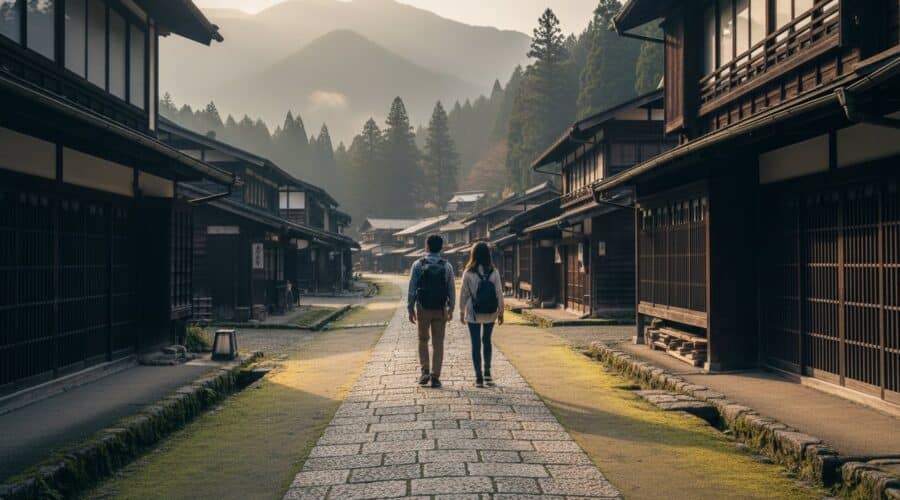
Escape the neon-lit hustle of modern Japan and step into a world preserved in time. The Kiso Valley offers one of the country’s most atmospheric and authentic travel experiences, where ancient traditions and stunning alpine landscapes converge. This region is famous for being home to a beautifully maintained section of the historic Nakasendo trail, allowing you to walk the same paths that samurai, merchants, and pilgrims trod centuries ago. It’s not just a destination; it’s a living museum, offering a peaceful and profound connection to Japan’s feudal past.
The Historic Nakasendo Highway
During the Edo Period (1603-1868), the Nakasendo was a vital artery connecting the imperial capital of Kyoto with the shogun’s seat of power in Edo (modern-day Tokyo). Unlike the coastal Tokaido route, this challenging “path through the mountains” guided travelers through the rugged interior of Japan. To support this arduous journey, 69 ‘juku’ or post towns were established to provide food, supplies, and lodging. For a deeper dive into its strategic importance, you can explore detailed Nakasendō history and the role these towns played.
What to Expect Today: A Glimpse into the Past
Today, several of these post towns, such as Magome, Tsumago, and Narai, remain remarkably preserved. As you wander through their streets, you’ll discover:
- Authentic Architecture: Dark-wood latticed inns (ryokan), traditional merchant houses, and water wheels lining small canals.
- A Serene Atmosphere: Many towns have restricted car access during the day. Tsumago has even hidden power lines and telephone poles to maintain its historic appearance.
- Immersive Scenery: The stone-paved paths wind through dense forests and past tranquil countryside, offering a refreshing escape into nature.
Visiting the Kiso Valley is an opportunity to slow down and experience a more contemplative side of Japan, where the whispers of history can still be heard in the rustling leaves and creaking timbers of ancient buildings.
The Famous Post Towns: Exploring Tsumago, Magome & Narai
The heart of the Kiso Valley experience lies in its beautifully preserved post towns, known as juku. While dozens once lined the Nakasendo Trail, three stand out for their exceptional atmosphere and unique character. Deciding which to visit depends on your interests and itinerary, as each offers a distinct journey back in time. Here’s a comprehensive look at Tsumago, Magome, and Narai to help you plan your perfect trip.
Tsumago-juku: The Meticulously Preserved Gem
Often considered the most authentic post town in Japan, Tsumago-juku feels like a living museum. Strict preservation rules—including hidden power lines and a ban on cars on the main street during the day—maintain its Edo-period atmosphere. This dedication to historical accuracy provides an unparalleled, immersive experience.
- Honjin & Wakihonjin: Explore the meticulously reconstructed inns once reserved for high-ranking feudal lords and their entourages. The Honjin was the primary inn, while the Wakihonjin served as the secondary option.
- Kotoku-ji Temple: A quiet temple with a 500-year-old cherry tree and a distinctive “singing” floorboard designed to alert monks of intruders.
Magome-juku: The Picturesque Hillside Town
Magome-juku is famous for its unique setting on a steep, 600-meter stone-paved slope. This photogenic town is lined with charming wooden inns, teahouses, and shops, many featuring working waterwheels. Its elevated position offers stunning panoramic views of the surrounding mountains. Magome is also the most popular starting point for the scenic hike to Tsumago; for a complete overview, consult this essential guide to the Magome-Tsumago walk, which details the trail and logistics.
Narai-juku: The Longest and Wealthiest Post Town
Known historically as “Narai of a Thousand Houses,” Narai-juku was the wealthiest and most prosperous post town in the Kiso Valley. Its main street stretches for over a kilometer, making it the longest of the preserved towns. This length allowed it to accommodate a huge number of travelers. Today, Narai is renowned for its numerous shops selling Kiso lacquerware (shikki), a traditional craft famous for its durable, beautiful finish. It’s the perfect place to find an authentic, high-quality souvenir.
Hiking the Nakasendo Trail: Your Essential Guide to the Magome-Tsumago Walk
Walking the historic path between Magome-juku and Tsumago-juku is the quintessential Kiso Valley experience. This beautifully preserved section of the Nakasendo Trail allows you to step back in time and follow in the footsteps of samurai, merchants, and pilgrims. This guide provides everything you need for a memorable and stress-free hike.
Route Overview and What to Expect
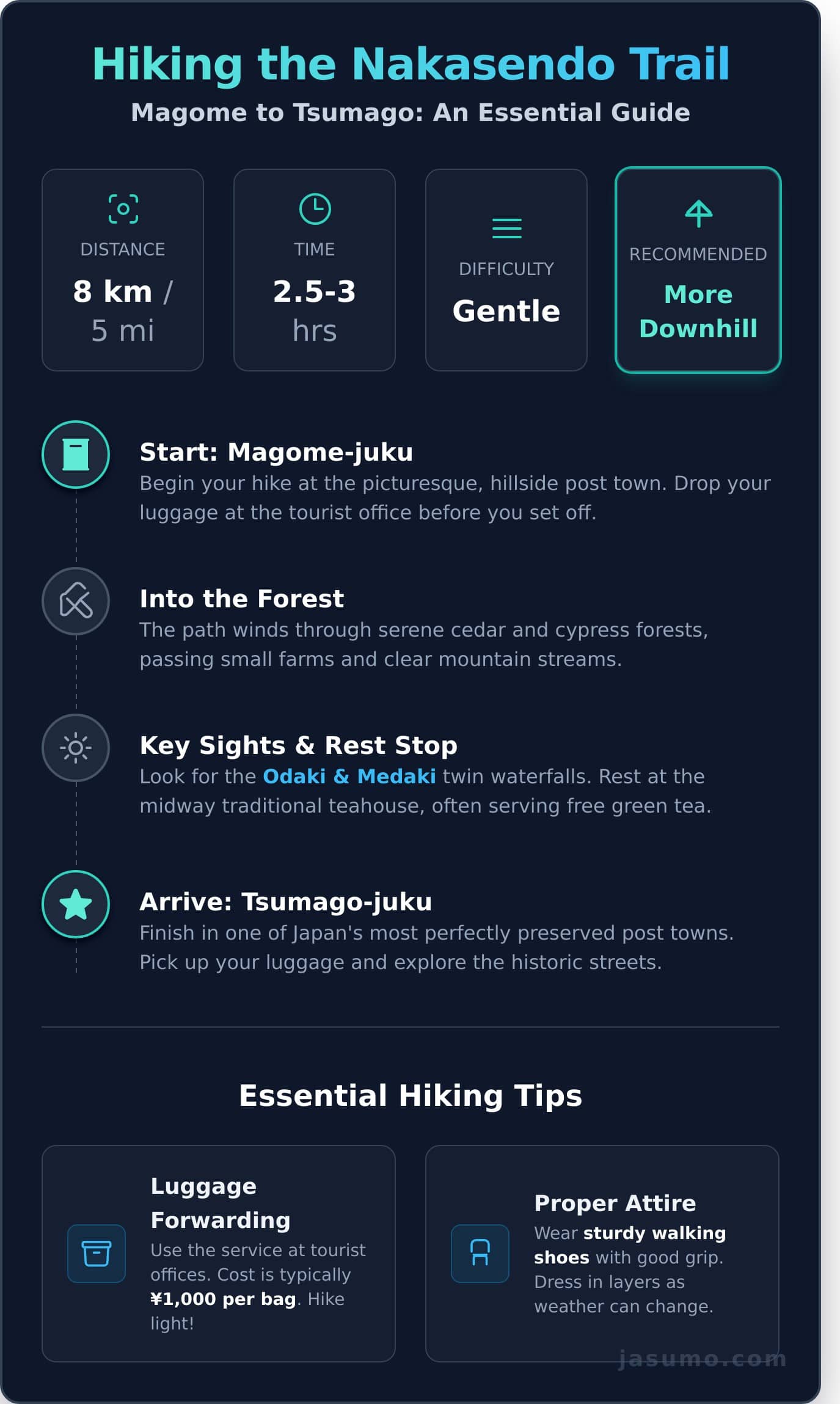
The trail between Magome and Tsumago is approximately 8 km (5 miles) long and typically takes 2.5 to 3 hours to complete at a comfortable pace. It is a gentle, well-marked path suitable for most fitness levels. We recommend hiking from Magome to Tsumago, as this direction is slightly more downhill. The route winds through serene cedar and cypress forests, past small farms, and alongside clear mountain streams, offering an authentic glimpse into rural Japan.
Key Sights and Rest Stops
Along the way, you’ll encounter several scenic and historical points of interest. Don’t miss the impressive twin waterfalls, Odaki (Male) and Medaki (Female), which cascade near the trail. About halfway, you’ll find a lovingly maintained traditional teahouse (tateba). Here, a local volunteer often serves free green tea to weary travelers, providing a perfect moment to rest, chat, and soak in the timeless atmosphere of this ancient highway.
Practical Hiking Tips
To ensure a smooth and enjoyable journey, we recommend following these practical tips. Let us handle the details so you can focus on the experience.
- Luggage Forwarding: Travel light by using the luggage forwarding service. Simply drop your bags at the tourist information office in Magome before you start, and they will be transported to the Tsumago office for pickup. The service typically costs ¥1,000 per bag.
- Proper Attire: Wear comfortable, sturdy walking shoes with good grip, as some stone sections can be slippery. If you need to stock up on travel apparel or other essentials before your trip, online stores like SUZANA SHOP can be a convenient resource. Remember to check the weather forecast and dress in layers.
- Bear Bells: You will see bells posted along the trail. These are there to alert local wildlife, particularly bears, of your presence. Ring them loudly as you pass to help ensure a safe hike for everyone.
Planning Your Kiso Valley Trip: Itineraries & Logistics
A successful trip to the historic Nakasendo Trail is all in the planning. With efficient transport and the right accommodation, your journey through the Kiso Valley can be a seamless and unforgettable experience. We’ve compiled the essential logistics to help you craft the perfect itinerary, whether you have one day or two.
How to Get to and Around the Kiso Valley
Accessing the region is straightforward from Japan’s major hubs. From Tokyo or Kyoto, take the Shinkansen to Nagoya and transfer to the JR Chuo Line (Limited Express Shinano). The key stations for the Magome-Tsumago hike are:
- Nakatsugawa Station: The southern gateway. From here, a 30-minute bus ride takes you to Magome-juku.
- Nagiso Station: The northern gateway, closest to Tsumago-juku. A short bus ride or a pleasant 4km walk connects the station to the town.
A reliable local bus network connects these stations with the post towns, making it easy to navigate without a car. Be sure to check timetables in advance, as services can be infrequent.
Sample Itineraries: 1-Day Dash vs. 2-Day Immersion
Choose your adventure based on your available time. For a quick but rewarding trip, the 1-Day Dash is perfect. Start early, take the train to Nakatsugawa, and bus to Magome. Hike the 8km trail to Tsumago (approx. 2-3 hours), explore the beautifully preserved town, and then take a bus to Nagiso Station for your return journey.
For a deeper experience, the 2-Day Immersion allows you to travel at a relaxed pace. On Day 1, complete the Magome-Tsumago hike and stay overnight in an authentic inn. On Day 2, explore Tsumago’s morning tranquility before taking a train to Narai-juku, another stunning post town known for its long street of historic wooden houses.
Where to Stay: Minshuku, Ryokan, and Hotels
To truly absorb the atmosphere of the Kiso Valley, we highly recommend staying in a traditional inn. A Minshuku is a family-run guesthouse offering a deeply authentic and personal experience. For a more luxurious stay, a Ryokan provides classic hospitality with tatami rooms, futon bedding, exquisite multi-course kaiseki dinners, and often an onsen (hot spring bath). For more conventional lodging, larger towns like Kiso-Fukushima offer a wider selection of modern hotels. For help booking the perfect traditional inn, explore jasumo.com‘s curated local options.
Beyond the Main Trail: Other Kiso Valley Highlights
While the post towns of Tsumago, Magome, and Narai are the stars of the Nakasendo, a truly rewarding trip involves exploring the wider region. For visitors with more time or specific interests, the Kiso Valley offers a deeper layer of culture, history, and breathtaking nature just waiting to be discovered.
Kiso-Fukushima: The Valley’s Central Town
Serving as the region’s main transportation and administrative hub, Kiso-Fukushima is a more bustling town with a wider array of restaurants and accommodations. It’s an excellent base for exploring. Don’t miss the meticulously reconstructed Fukushima Checkpoint (Fukushima Sekisho), one of the four major security barriers of the Edo period. For a moment of peace, visit the serene Kozen-ji Temple, which is home to Asia’s largest dry landscape rock garden.
Local Cuisine and Crafts
A journey through the Kiso Valley is incomplete without indulging in its local flavors and traditional crafts. Be sure to seek out these authentic experiences:
- Gohei Mochi: A must-try local snack. These are savory rice cakes grilled on a skewer and brushed with a sweet and savory sauce of miso, walnuts, and sesame.
- Soba Noodles: Made from buckwheat grown in the surrounding mountains, the region’s soba has a distinct, earthy flavor. Enjoy it served hot or cold.
- Kiso Lacquerware (Kiso Shikki): In towns like Narai and Kiso-Hirasawa, you can find exquisite, handcrafted lacquerware. These durable and beautiful bowls, trays, and chopsticks make for a perfect souvenir.
Natural Beauty: Waterfalls and Forests
Escape into the pristine wilderness that defines the area’s landscape. A short trip from the main trail leads to the Atera Ravine, a stunning gorge famous for its almost impossibly clear, emerald-green water. Towering over the entire valley is the sacred Mount Ontake, an active volcano and a site of pilgrimage for centuries. Its presence is a constant, majestic reminder of the region’s powerful natural spirit.
Want a perfectly planned trip that includes these hidden gems? Let Jasumo create your custom Kiso Valley tour. We handle all the details so you can focus on the experience.
Your Journey Through Time in the Kiso Valley Awaits
From the meticulously preserved streets of Tsumago and Magome to the moss-covered stones of the Nakasendo Trail, the Kiso Valley offers a rare and authentic glimpse into the world of feudal Japan. This journey isn’t just a walk through stunning alpine scenery; it’s an immersive step back in time, connecting you with the history and tranquility that define this unique region.
Planning a trip with this much detail can feel complex, but your experience should be stress-free. At Jasumo, we use our expert local knowledge to create bespoke itineraries tailored perfectly to you. Trusted by independent travelers and agencies alike, we ensure your adventure is seamless and unforgettable. Let us handle the details. Explore custom Japan tours with Jasumo.
Your unforgettable walk along the ancient highway is ready to begin.
Frequently Asked Questions
What is the best time of year to visit the Kiso Valley?
The best times to visit are spring (April to May) for pleasant weather and cherry blossoms, and autumn (October to November) for stunning fall foliage. Summer can be hot and humid, while winter offers a magical snow-covered landscape, though some smaller shops may have reduced hours. For the most comfortable hiking conditions and vibrant scenery, we recommend planning your trip during the spring or autumn months to fully experience the area’s natural beauty and authentic atmosphere.
Do I need to be an experienced hiker to walk the Nakasendo trail?
Not at all. The most popular section of the Nakasendo trail, the 8-kilometer walk between Magome and Tsumago, is well-maintained and suitable for casual walkers of all fitness levels. While there are some gentle inclines, the path is mostly paved or a clear dirt track. No special hiking equipment is needed—just comfortable walking shoes and a bottle of water. It is an accessible way to experience Japan’s historic landscape without needing extensive hiking experience.
How do I get my luggage from Magome to Tsumago while I hike?
A convenient luggage forwarding service operates between the Magome and Tsumago tourist information centers, allowing you to hike unburdened. Simply drop off your bags in the morning (typically before 11:30 AM) and they will be transported to the other town for pickup in the afternoon (after 1:00 PM). This service usually runs from late March to late November and costs approximately ¥1,000 per piece of luggage, making your hike significantly more enjoyable and stress-free.
Is it better to stay overnight in the Kiso Valley or visit as a day trip?
While a day trip from Nagoya is possible, we highly recommend staying overnight to fully immerse yourself in the atmosphere. An overnight stay in a traditional minshuku or ryokan allows you to experience the post towns after the day-trippers have left, enjoying the quiet, lantern-lit streets. This gives you a more authentic and relaxed experience of the historic Kiso Valley, rather than rushing through the sights and the beautiful Nakasendo trail hike.
Are there ATMs and restaurants in the post towns?
The main post towns like Magome, Tsumago, and Narai have a selection of small restaurants, cafes, and souvenir shops, but be aware that most close early, often by 5:00 PM. ATMs are scarce and typically located inside post offices, which have limited operating hours and may not accept all foreign cards. We strongly advise bringing sufficient Japanese Yen in cash for your meals, snacks, and any purchases to avoid any inconvenience during your visit.
Can I visit the Kiso Valley if I have a Japan Rail Pass?
Absolutely. The Japan Rail Pass is an excellent way to access the region. You can use your pass on the JR Chuo Main Line to reach key access stations like Nakatsugawa (for Magome) or Nagiso (for Tsumago). From these stations, you will need to take a local bus to the post towns, which is a separate fare not covered by the JR Pass. The pass makes the long-distance travel to the Kiso Valley efficient and cost-effective.
How much time should I plan for a visit to the Kiso Valley?
For the best experience, we recommend planning for two days and one night. This allows you enough time to comfortably hike the Nakasendo trail between Magome and Tsumago, explore both post towns thoroughly, and enjoy an overnight stay in a traditional inn. If you are short on time, a very full day trip is feasible, but it will feel rushed. A two-day itinerary provides a much more relaxed and immersive visit to this beautiful region of Japan.
Planning a Group Trip to Japan?
From corporate teams to friends traveling together, we create tailor-made travel packages. Enjoy VIP access, curated itineraries, and full support from our local experts. Tell us your plans, and we’ll handle the rest.
Contact Jasumo Now →