
Koyasan Temple Stay (Shukubo): The Complete Guide for 2026
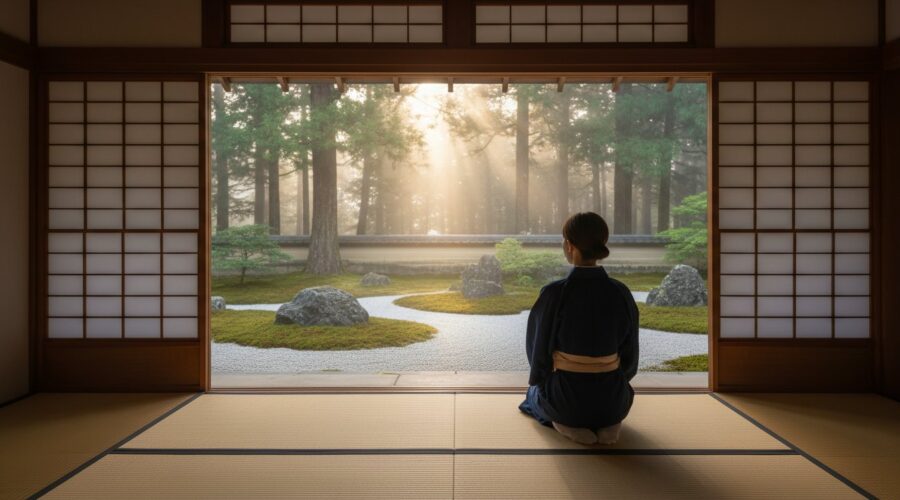
Imagine waking to the sound of a distant bell, the air crisp and fragrant with incense, surrounded by ancient cedar forests on a sacred mountain. This is the experience of a shukubo, or temple stay, in Koyasan. Far more than just a place to sleep, it’s a profound immersion into the heart of Japanese Buddhism. This guide will walk you through everything you need to know to plan an unforgettable stay, from choosing the right temple to understanding the daily rituals and booking your unique spiritual retreat.
Are you Visiting Japan soon?
Let us make your trip effortless. From tickets and hotels to transport and local guides, we arrange everything for you or your group. Whether it’s a music festival in Tokyo or a business conference in Osaka, our custom travel service ensures you enjoy the event stress-free.
Contact Jasumo Now →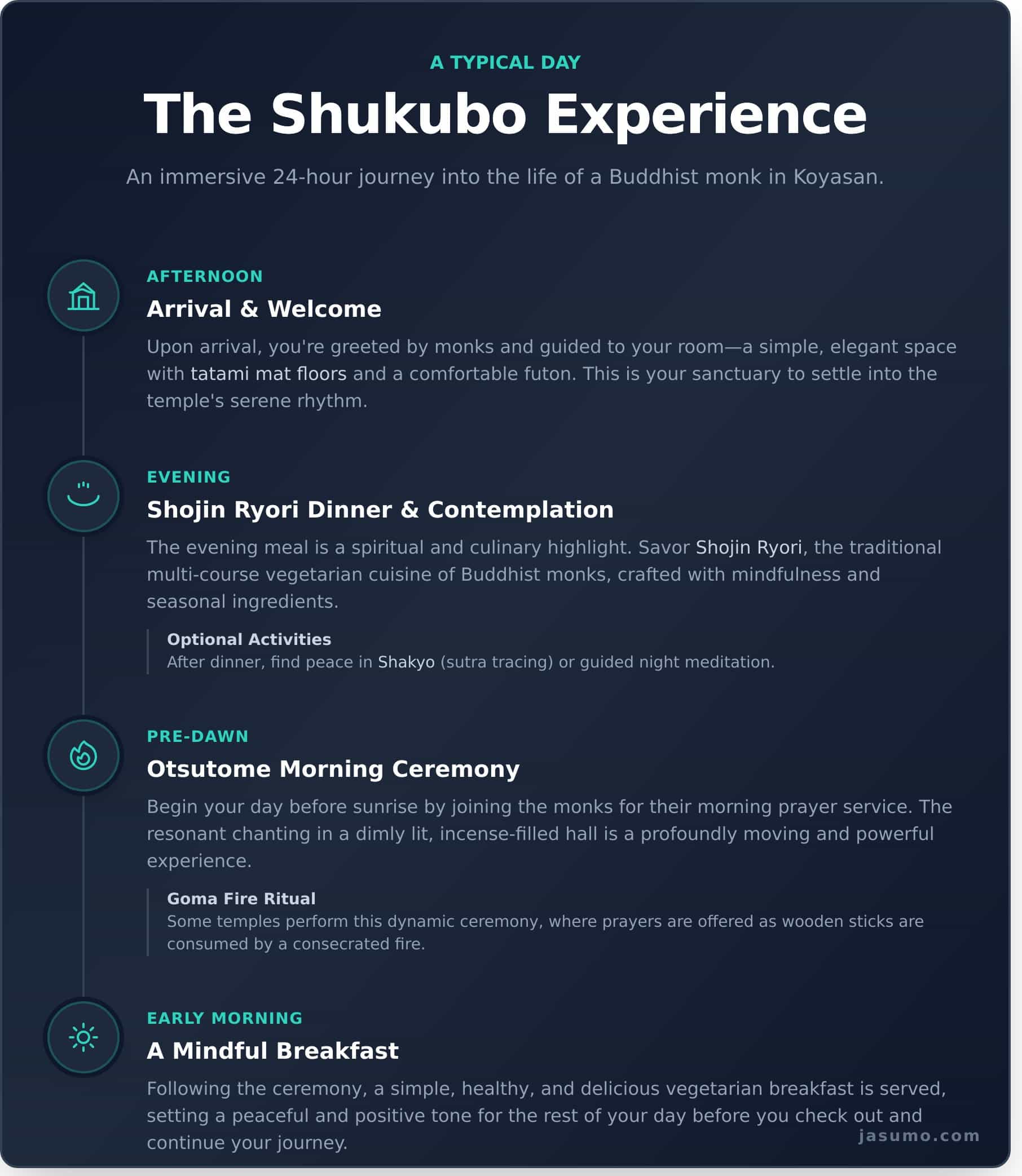
What is a Koyasan Temple Stay (Shukubo)?
In simple terms, “Shukubo” means lodging within a Buddhist temple. Originally, these accommodations were for travelling monks and pilgrims, but today they welcome guests from all over the world. A stay in Koyasan, the center of Shingon Buddhism in Japan, offers a unique window into a monk’s lifestyle. It’s an authentic cultural and spiritual experience, not just another hotel stay, and it is open to everyone, regardless of personal beliefs or faith.
Why Choose Koyasan for a Temple Stay?
While temple stays are available elsewhere in Japan, Koyasan is exceptional. As a UNESCO World Heritage site, this sacred mountain complex is home to over 100 temples, 51 of which offer shukubo. You’ll be staying within an active monastic center, breathing in a palpable spiritual atmosphere that has been cultivated for over 1,200 years. It also provides the perfect base to explore breathtaking sites like the mystical Okunoin Cemetery, Japan’s largest cemetery and the final resting place of the founder of Shingon Buddhism, Kobo Daishi.
The Shukubo Experience: A Typical Day in a Koyasan Temple
A temple stay follows a gentle, contemplative rhythm. While participation in activities is almost always optional, joining in is the best way to fully appreciate the experience. Here is a sample timeline of what you can expect during a 24-hour stay.
Arrival and Check-in
Upon arrival, you’ll be greeted by monks who will be your hosts for the duration of your stay. You’ll be shown to your room, which is typically a simple, elegant space with tatami mat floors, sliding paper doors (fusuma), and a comfortable futon for sleeping. While many temples have shared bathroom facilities, which are kept impeccably clean, a growing number now offer rooms with private en-suite options for those seeking more comfort.
Evening: Shojin Ryori Dinner and Relaxation
The highlight for many visitors is the evening meal, known as Shojin Ryori. This is the traditional vegetarian cuisine of Japanese Buddhist monks, crafted with a deep respect for balance, seasonality, and mindfulness. Expect an exquisite multi-course meal featuring creative dishes made from tofu, seasonal vegetables, and mountain plants. After dinner, some temples offer relaxing activities like guided night meditation or Shakyo, the practice of tracing Buddhist sutras with a brush and ink, which is a calming and meditative art form.
Morning: Chanting, Rituals, and Breakfast
Your day will begin early, often before sunrise, with an invitation to join the monks for their morning prayer ceremony (Otsutome). Listening to the resonant chanting in a dimly lit, incense-filled hall is a powerful and moving experience. Some temples also perform a Goma fire ritual, a dynamic ceremony where prayers are offered as wooden sticks are burned in a consecrated fire. Following the morning service, a simple, healthy, and delicious vegetarian breakfast is served, setting a peaceful tone for the rest of your day.
How to Choose the Right Temple for Your Stay
With 51 shukubo options in Koyasan, the experience can vary greatly from one temple to another. To find the perfect fit, it’s helpful to consider your priorities before you book. Are you looking for a temple with extensive English support, a famous garden, or a private hot spring bath?
Top Temples for First-Time Visitors
For those new to the shukubo experience, choosing a temple known for being welcoming to international guests is a great start. These temples often have monks who speak English and are adept at explaining the rituals and customs. A popular choice is Eko-in, which is famous for its guided night tour of the magical Okunoin Cemetery, led by one of their young monks. Others, like Fudoin and Muryoko-in, are also highly regarded for their hospitality.
Temples with Special Features
If you have specific interests, you can find a temple to match. Some, like Kongosanmai-in (a national treasure itself), boast beautiful private gardens perfect for quiet contemplation. Others, such as Fukuchi-in, are renowned for offering a traditional onsen (hot spring bath). For art lovers, certain temples house significant cultural assets and painted screens. Please note that amenities can change, so it’s always best to verify these features when booking.
Here is a simple comparison of a few popular temples to help you decide:
| Temple Name | Best For | Key Feature |
|---|---|---|
| Eko-in | First-timers & Experience | English-led Okunoin night tour |
| Fukuchi-in | Relaxation & Comfort | The only temple with a natural onsen |
| Kongosanmai-in | History & Scenery | Japan’s oldest pagoda & beautiful gardens |
Booking Your Koyasan Temple Stay
There are several ways to book your shukubo. You can use official association websites, general hotel booking platforms, or Japan-based travel sites. Each has its pros and cons regarding availability and ease of use. It is highly recommended to book your stay far in advance, especially if you plan to visit during peak seasons like spring cherry blossoms or autumn foliage. The process can sometimes be complex. Let our Japan travel experts handle the booking for a stress-free experience.
Practical Guide: Planning Your Trip to Koyasan
A little preparation will ensure your visit is smooth, comfortable, and respectful. Here are our essential tips for planning your journey to this sacred mountain.
How to Get to Koyasan
The most scenic and common route to Koyasan is from Osaka. From Namba or Shin-Imamiya stations in Osaka, take the Nankai Koya Line to Gokurakubashi Station. The journey is a beautiful ride through the countryside. At Gokurakubashi, you will transfer to the Koyasan Cable Car for a steep, five-minute ascent up the mountain. Once you arrive at the top, a local bus network can take you to your temple or other points of interest around the town.
What to Pack for Your Temple Stay
- Comfortable, modest clothing: You’ll be sitting on the floor and walking through temple halls, so choose clothes that are respectful and easy to move in.
- Slip-on shoes: You will be taking your shoes off frequently when entering buildings, so shoes that are easy to slip on and off are very convenient.
- Warm layers: Koyasan is located in the mountains and can be significantly cooler than Osaka or Kyoto, even in summer. Pack a sweater or jacket.
- Cash: While more places are starting to accept credit cards, many temples and smaller local shops still operate on a cash-only basis.
Essential Temple Etiquette
Observing a few simple rules will show respect for the monks and their sacred spaces. Be quiet and mindful, especially in prayer halls and gardens. Always follow the instructions given by the monks during ceremonies and meals. Finally, be aware that temples have an early curfew, often around 9 PM, so be sure to return to your lodging in time.
Frequently Asked Questions
Do I have to be a Buddhist to stay at a temple?
Not at all. Shukubo are open to guests of all faiths and backgrounds. The experience is offered as a cultural and spiritual insight, and you are welcome to participate in activities to whatever extent you feel comfortable.
Is there Wi-Fi available in the temples?
Many, but not all, temples now offer Wi-Fi, though it may be restricted to common areas. It’s best to check the specific details of your chosen temple if this is a priority.
Can they accommodate dietary restrictions other than vegetarian?
The standard meal is Shojin Ryori, which is vegan. Accommodating other restrictions like gluten-free can be difficult due to the traditional ingredients used. It is essential to inquire directly with the temple well in advance of your stay.
Is a Koyasan temple stay suitable for families with children?
Yes, many families enjoy the experience. However, the quiet, contemplative atmosphere and early schedule may be challenging for very young children. It’s best suited for children who can appreciate the quiet environment.
What is the best time of year to visit Koyasan?
Koyasan is beautiful year-round. Spring (April-May) brings cherry blossoms, summer (June-August) offers a cool escape from the city heat, autumn (October-November) is stunning with vibrant fall colors, and winter (December-February) blankets the mountain in a serene layer of snow.
How much does a shukubo experience typically cost?
Prices generally range from ¥10,000 to ¥20,000 per person, per night. This cost typically includes both dinner and breakfast, making it a reasonable value for such a unique experience.
A temple stay in Koyasan is more than a trip; it’s a journey into a world of tranquility, tradition, and profound beauty. It offers a rare chance to slow down, connect with ancient customs, and experience a side of Japan that few visitors get to see. Our team is dedicated to creating seamless and authentic travel experiences. Plan your custom Japan tour, including an unforgettable Koyasan stay, with Jasumo. With our expert travel planning by a bilingual team, we provide customized itineraries and hassle-free booking for unique cultural experiences, allowing you to simply immerse yourself in the magic of Japan.
Planning a Group Trip to Japan?
From corporate teams to friends traveling together, we create tailor-made travel packages. Enjoy VIP access, curated itineraries, and full support from our local experts. Tell us your plans, and we’ll handle the rest.
Contact Jasumo Now →