

-
January 4, 2026 at 1:30 pm
Event date:
-
January 4, 2026 at 5:00 pm
Event end:
History
Kemari is a traditional Japanese ball game introduced from China during the Asuka Period (6th to 8th centuries). It gained popularity among noblemen during the Heian Period, where it was played in the imperial court and later spread to samurai families and the general public. The game emphasizes grace, balance, and cooperation rather than competition, reflecting Japan’s cultural focus on harmony and elegance.
Are you Visiting Japan soon?
Let us make your trip effortless. From tickets and hotels to transport and local guides, we arrange everything for you or your group. Whether it’s a music festival in Tokyo or a business conference in Osaka, our custom travel service ensures you enjoy the event stress-free.
Contact Jasumo Now →Despite its decline after the Meiji Restoration in the 19th century, efforts to preserve Kemari began in the early 20th century. In 1903, the preservation group “Shukiku Hozonai” was established to maintain the tradition. Their work ensures that this unique aspect of Japanese culture continues to be practiced and showcased at ceremonial events.
Kemari’s ceremonial form has survived over a millennium, offering insight into Japan’s aristocratic past. The annual Kemari Hajime ceremony at Shimogamo Shrine allows visitors to witness this elegant sport in its historical and spiritual context, making it a fascinating cultural experience for both locals and tourists.
Overview
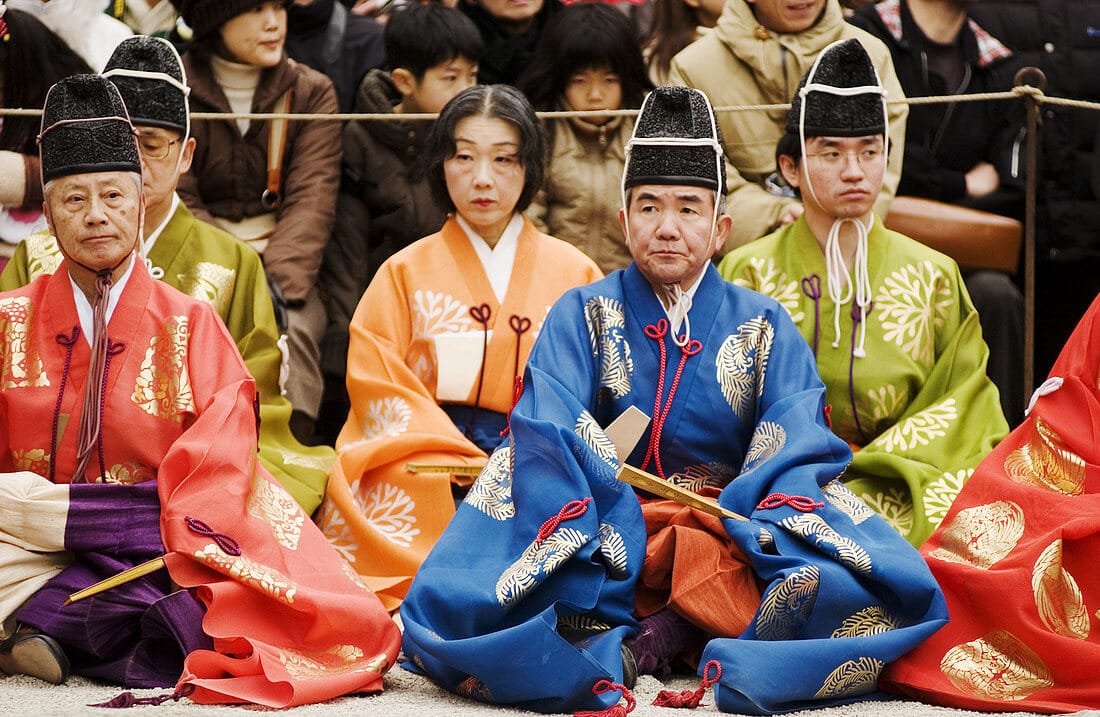
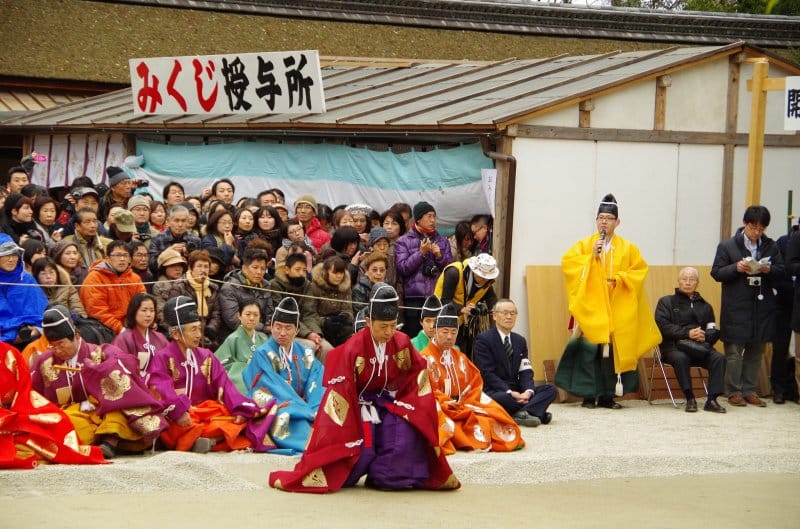
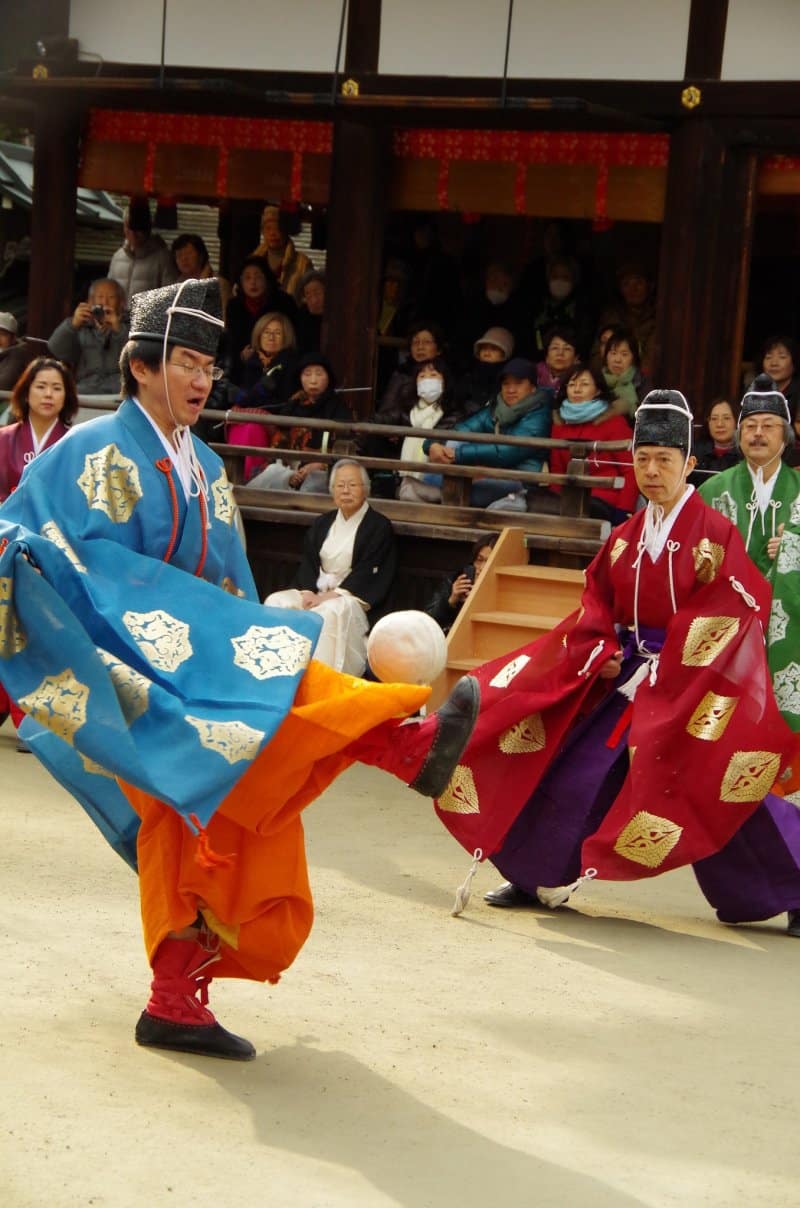
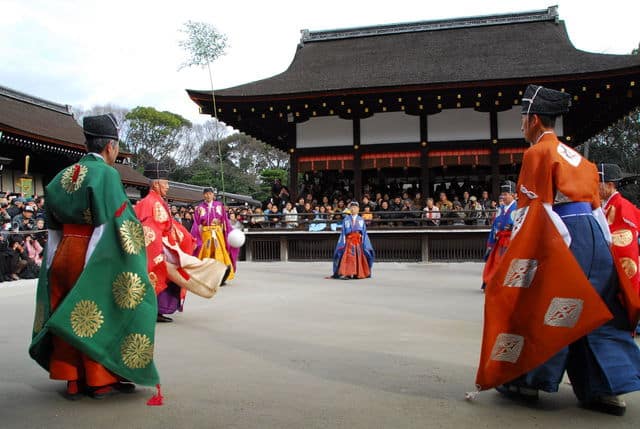
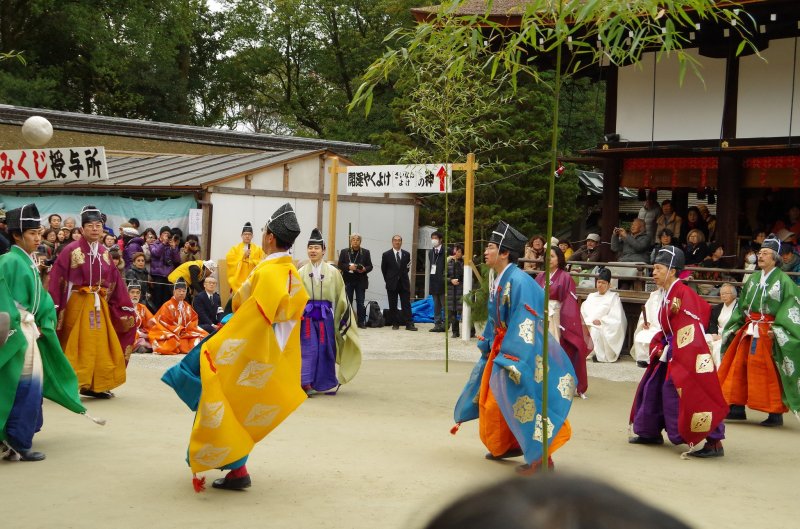
Kemari Hajime is an annual New Year ceremony held at Shimogamo Shrine in Kyoto, dedicated to preserving the ancient tradition of Kemari. Participants, dressed in traditional Heian-period attire, perform the ceremonial game, kicking a leather ball in a coordinated manner without letting it touch the ground. The ritual demonstrates skill, precision, and teamwork, combining sport and artistry.
The 2026 event will feature seventeen members of the Kemari Preservation Society performing in front of the shrine’s main sanctuary at around 1:30 PM. Visitors can enjoy the ceremonial performance, learn about Kemari’s historical significance, and take part in a unique cultural experience that blends sport, history, and spirituality.
Highlights
- Witness seventeen skilled members of the Kemari Preservation Society perform the ceremonial game.
- Held at Shimogamo Shrine, a UNESCO World Heritage site with deep historical significance.
- Experience an ancient Heian-period tradition that has survived over a millennium.
- Free entry for spectators to enjoy this rare cultural performance.
- Opportunity for photography and cultural learning about Japanese traditions.
Why Jasumo Recommends?
- Observe a centuries-old Japanese tradition in an authentic historical setting.
- Ideal for families, tourists, and history enthusiasts.
- Easy access from central Kyoto, making it convenient for travelers.
- Learn about Japanese culture, Heian-period customs, and traditional sports.
- Free entry allows everyone to enjoy this cultural event without cost.
If you are coming to Japan or already in Japan and need assistance—from custom tours and experiences to transportation, ticket booking, or any other travel needs—contact us via the Jasumo contact page.
Schedule
- Date: Sunday, January 4th, 2026
- Time: Begins around 1:30 PM (13:30)
Pricing
- Entry: Free for spectators
Location
Shimogamo Shrine (Kamomioya-jinja Shrine), Kyoto
〒606-0807 Kyoto Prefecture, Kyoto, Sakyo Ward, Shimogamo Izumigawacho, 59
How to Get There:
- Take the Kyoto City Bus to Shimogamo Jinja-mae Station.
- Walk approximately 15–20 minutes from Demachiyanagi Station (Keihan Line / Eizan Railway).
- Taxis and bicycle rentals are also available for convenient access.
Accommodation Options
Visitors to Kyoto can choose from a variety of accommodation options near Shimogamo Shrine. Traditional ryokans offer a full Japanese cultural experience, including tatami rooms and kaiseki meals, while modern hotels provide Western-style comfort and amenities.
Budget travelers can find hostels starting around ¥3,500 per night, mid-range hotels range from ¥10,000 to ¥20,000 per night, and luxury ryokans or hotels can cost ¥30,000 or more. Booking early is recommended, as New Year events attract both domestic and international tourists.
FAQs
What is Kemari?
Kemari is an ancient Japanese ball game where players kick a ball to each other without letting it touch the ground. It is a ceremonial sport rather than competitive, emphasizing skill, balance, and coordination.
Is Kemari Hajime free to attend?
Yes, spectators can view the ceremony at Shimogamo Shrine without any entry fee.
When and where is Kemari Hajime held?
The 2026 ceremony will take place on Sunday, January 4th, starting at 1:30 PM, at Shimogamo Shrine in Kyoto.
Can tourists participate in Kemari?
Tourists can observe the event but participation in the ceremonial game is reserved for trained members of the Kemari Preservation Society.
How do I get to Shimogamo Shrine?
Shimogamo Shrine is accessible via Kyoto City Bus to Shimogamo Jinja-mae Station or a 15–20 minute walk from Demachiyanagi Station. Taxis and bicycle rentals are also convenient options.
Planning a Group Trip to Japan?
From corporate teams to friends traveling together, we create tailor-made travel packages. Enjoy VIP access, curated itineraries, and full support from our local experts. Tell us your plans, and we’ll handle the rest.
Contact Jasumo Now →




























Leave a Reply