

-
February 21, 2026 at 9:00 am
Event date:
-
March 20, 2026 at 4:30 am
Event end:
History
The Kurume Ueki Festival traces its roots to the early 20th century when Kurume became renowned nationwide for plant cultivation, especially the development of Kurume azaleas in the 1920s. Local nurseries began holding joint exhibitions and sales to showcase their stock, evolving into a major regional event.
Are you Visiting Japan soon?
Let us make your trip effortless. From tickets and hotels to transport and local guides, we arrange everything for you or your group. Whether it’s a music festival in Tokyo or a business conference in Osaka, our custom travel service ensures you enjoy the event stress-free.
Contact Jasumo Now →Officially organized since the postwar period, the festival highlights Kurume’s status as one of Japan’s top plant-producing areas, with generations of skilled growers perfecting grafting and breeding techniques. Held annually at Kurume Centennial Park, it has grown into Kyushu’s largest plant fair.
Today, it continues to support local horticulture while giving visitors direct access to high-quality plants straight from the growers.
Overview
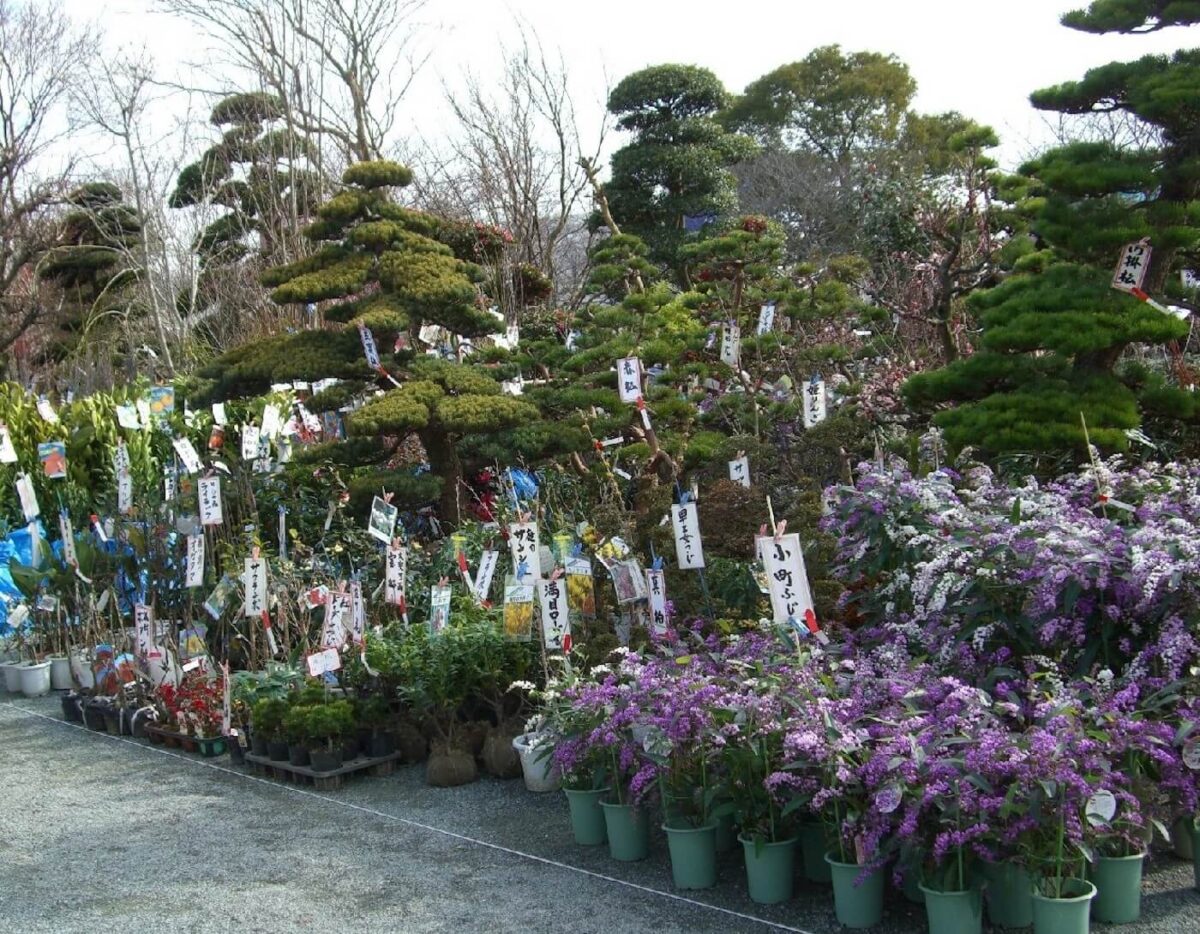
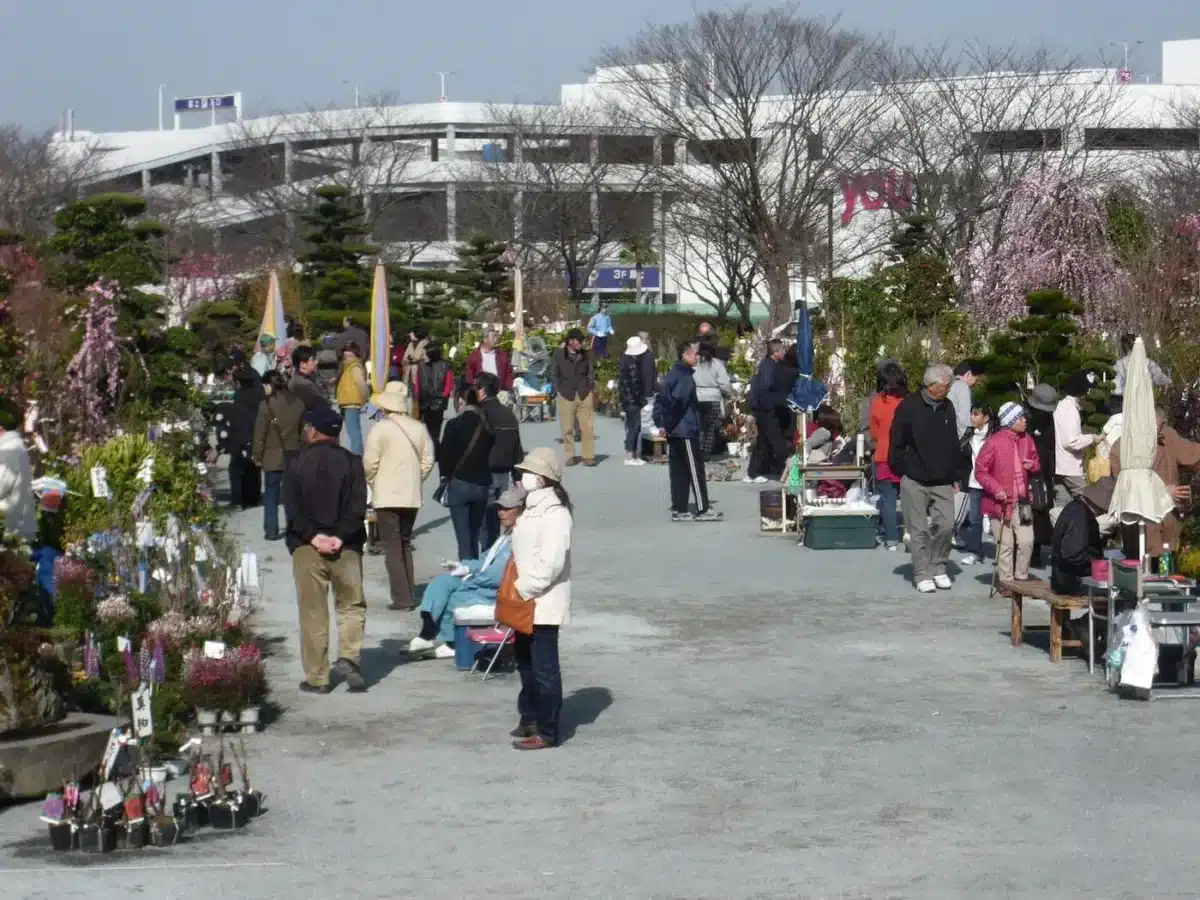
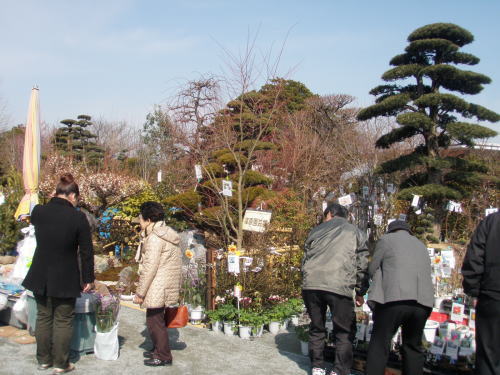
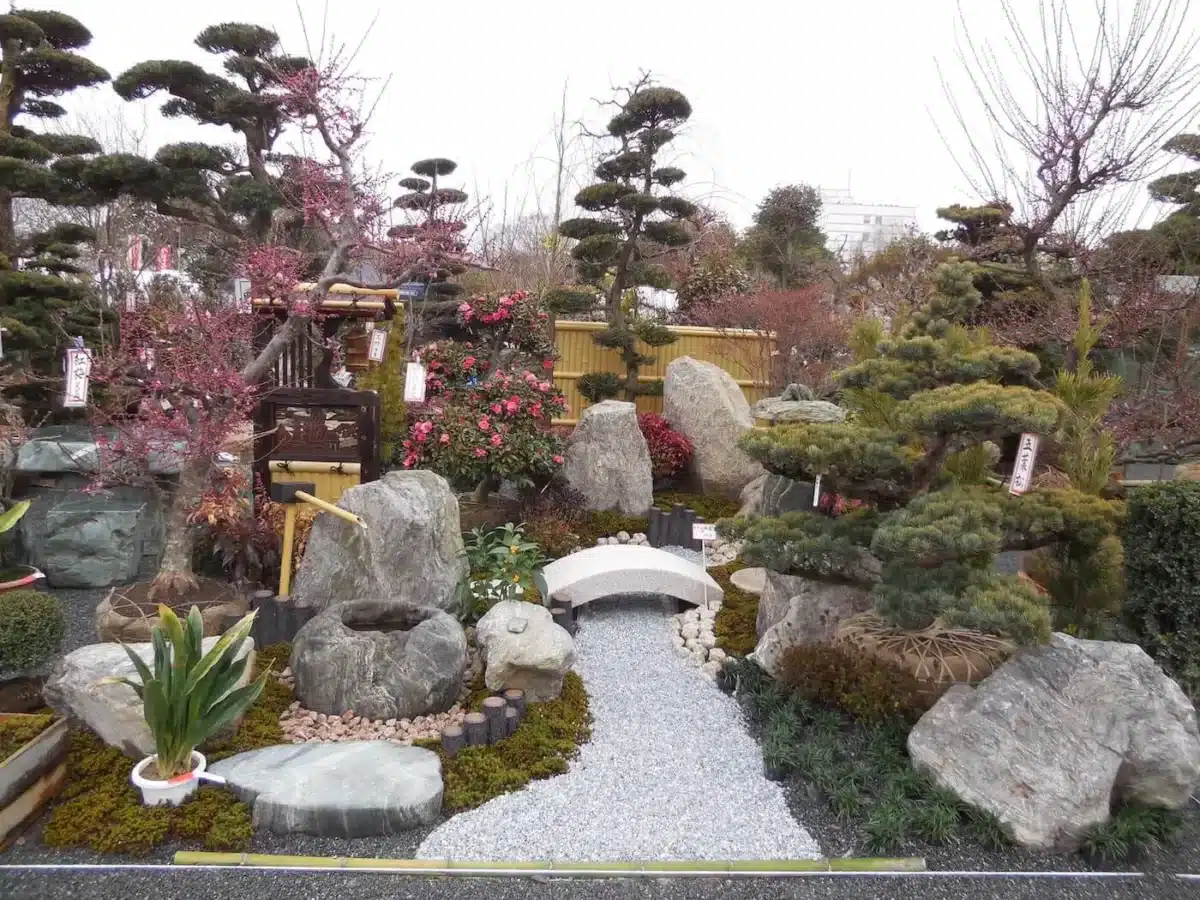
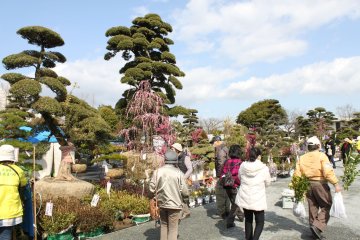
The Kurume Ueki Festival 2026 will run from late February to mid-March at Kurume Centennial Park, featuring around 100,000 plants from approximately 1,000 varieties. Local nurseries set up stalls offering everything from famous Kurume azaleas and bonsai to fruit trees, flowering shrubs, and seasonal flowers.
In addition to browsing and buying, visitors can join hands-on workshops (such as kokedama moss-ball making for ¥1,200) and occasional plant auctions on weekends. The relaxed park setting makes it perfect for gardening enthusiasts and families alike.
Highlights
- 100,000 Plants & 1,000 Varieties: Massive selection including prized Kurume azaleas, bonsai, garden trees, and rare specimens.
- Direct-from-Grower Prices: Buy high-quality plants at nursery-direct rates—often cheaper than garden centers.
- Kokedama Workshop: Create your own hanging moss ball with step-by-step guidance (¥1,200 fee).
- Weekend Plant Auctions: Exciting bidding on premium bonsai and large specimens.
- Seasonal Food & Rest Areas: Local stalls serving Fukuoka specialties while you rest under early spring blossoms.
Why Jasumo Recommends?
- 100,000 Plants & 1,000 Varieties: Massive selection including prized Kurume azaleas, bonsai, garden trees, and rare specimens.
- Direct-from-Grower Prices: Buy high-quality plants at nursery-direct rates—often cheaper than garden centers.
- Kokedama Workshop: Create your own hanging moss ball with step-by-step guidance (¥1,200 fee).
- Weekend Plant Auctions: Exciting bidding on premium bonsai and large specimens.
- Seasonal Food & Rest Areas: Local stalls serving Fukuoka specialties while you rest under early spring blossoms.
If you’re coming to Japan or already in Japan, Jasumo can arrange custom gardening tours, plant shipping assistance, private transport in Kyushu, workshop bookings, and more. Just contact us using the contact page.
Schedule
Late February to mid-March 2026 (typically ~3 weeks)
- Hours: 9:00 AM – 4:30 PM daily (sometimes extended to 5:00 PM on weekends)
Pricing
- Entry: Completely FREE
- Workshops: e.g., kokedama ¥1,200 (varies by activity)
- Plants: Cash preferred; prices from a few hundred yen to tens of thousands for premium bonsai
Location
Kurume Centennial Park (Kurume Hyakunen Koen) 2432-1 Hyakunen-koen, Kurume, Fukuoka 839-0864, Japan
How to Get There
- By Bus: From JR Kurume Station or Nishitetsu Kurume Station → Nishitetsu Bus Route 23 → “Hyakunen Koen” stop (right at entrance).
- From Fukuoka (Hakata): ~40 min by Nishitetsu limited express train to Nishitetsu Kurume → short bus ride.
- By Car: On-site parking available (free or low cost during festival).
Accommodation Options
Kurume city offers comfortable business hotels from ¥7,000–¥15,000 per night with easy station access. Traditional ryokan and hot-spring options in nearby areas start around ¥18,000–¥35,000 including meals.
Fukuoka city (40 min by train) has more luxury and budget choices from ¥8,000–¥50,000—ideal for combining the festival with Hakata ramen and sightseeing. Book early for the first weekend when plant hunters arrive in force.
FAQs
When exactly does the 2026 Kurume Ueki Festival take place?
The festival typically runs for about three weeks from late February to mid-March. Exact dates are announced in early 2026 based on plant readiness.
Is entry to the plant festival really free?
Yes—100% free admission and browsing. You only pay if you buy plants or join paid workshops.
Can I bring plants home on the plane?
Small potted plants and cuttings are usually allowed as carry-on within Japan. For international travel, check your country’s agricultural import rules—many require certificates.
Are the workshops in English?
Most are conducted in Japanese, but staff are friendly and demonstrations are visual. Bring a translation app or book a private English-speaking guide through Jasumo.
What’s the best day to visit?
Weekdays are quieter for relaxed shopping; weekends have more workshops, auctions, and energy. Arrive early either way—popular items sell out fast!
Planning a Group Trip to Japan?
From corporate teams to friends traveling together, we create tailor-made travel packages. Enjoy VIP access, curated itineraries, and full support from our local experts. Tell us your plans, and we’ll handle the rest.
Contact Jasumo Now →














Leave a Reply