

-
December 21, 2025 at 9:00 am
Event date:
-
March 31, 2026 at 5:00 pm
Event end:
History
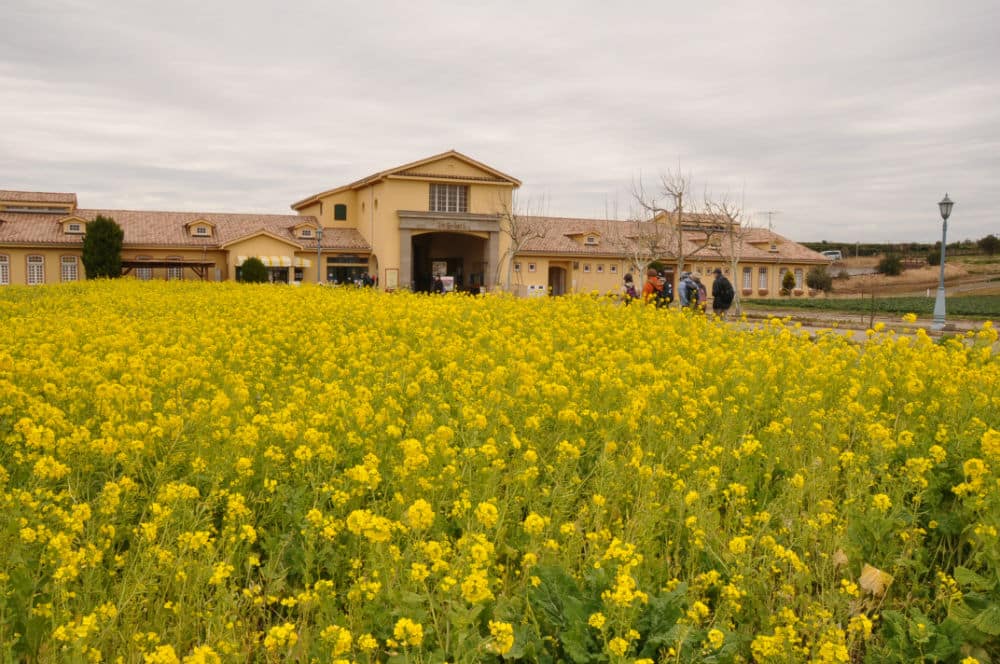
Nagai Uminote Park Soleil Hill opened in 2004 on reclaimed land at the tip of the Miura Peninsula, transforming an industrial site into a family-oriented nature park. The Nanohana Festival began the following year when park planners planted rapeseed (nanohana) across the rolling hills to create a vivid yellow winter-to-spring spectacle.
Are you Visiting Japan soon?
Let us make your trip effortless. From tickets and hotels to transport and local guides, we arrange everything for you or your group. Whether it’s a music festival in Tokyo or a business conference in Osaka, our custom travel service ensures you enjoy the event stress-free.
Contact Jasumo Now →By carefully selecting early, mid, and late-blooming varieties, the park achieved a remarkable 100+ day sequential bloom—turning what could have been a brief event into one of Kanagawa’s longest flower seasons. The festival quickly became a symbol of Yokosuka’s agricultural revival, with farmers and staff hand-planting thousands of seedlings each autumn.
Now in its 21st year, the event attracts over 300,000 visitors who come not only for the golden carpet but also for rare winter views of Mt. Fuji across Sagami Bay—a magical combination of yellow fields, blue sea, and snow-capped peak.
Overview
The Soleil Hill Nanohana Festival 2025-2026 runs from late December 2025 to late March 2026, covering 20+ hectares in brilliant yellow rapeseed blossoms. Thanks to sequential planting of multiple varieties, the hills remain in peak color for over 100 days—making it one of Japan’s longest-lasting flower events.
On clear days, the blooms frame breathtaking views of Mt. Fuji across the water. The Restaurant Provence offers special nanohana dishes, while hands-on workshops let visitors create melon-pan decorated with edible flower motifs. Free entry and ample facilities make it perfect for families and couples seeking an easy winter-spring escape from Tokyo.
Highlights
- 100-Day Bloom: Sequential varieties keep the hills golden from December through March.
- Mt. Fuji Panorama: Clear winter days offer postcard-perfect views across Sagami Bay.
- Nanohana Melon-Pan Workshop: Decorate and bake your own flower-themed sweet bread.
- Restaurant Provence Specials: Seasonal dishes featuring fresh nanohana greens and petals.
- Seafront Location: Gentle hills sloping to the ocean with walking paths and photo spots.
Why Jasumo Recommends?
- 100-Day Bloom: Sequential varieties keep the hills golden from December through March.
- Mt. Fuji Panorama: Clear winter days offer postcard-perfect views across Sagami Bay.
- Nanohana Melon-Pan Workshop: Decorate and bake your own flower-themed sweet bread.
- Restaurant Provence Specials: Seasonal dishes featuring fresh nanohana greens and petals.
- Seafront Location: Gentle hills sloping to the ocean with walking paths and photo spots.
If you’re coming to Japan or already in Japan, Jasumo can help with workshop reservations, Mt. Fuji-view timing, private transfers from Yokosuka, and more. Just contact us using the contact page.
Schedule
Late December 2025 – Late March 2026
- Park Hours: 9:00 AM – 5:00 PM (March: until 6:00 PM)
- Workshops & Special Menu: Weekends & holidays primarily
Pricing
- Entry: Completely FREE
- Parking: ¥1,000 (1,500 spaces)
- Workshops: Small additional fee (~¥500–¥1,000)
Location
Nagai Uminote Park Soleil Hill 4 Chome Nagai, Yokosuka, Kanagawa 238-0316, Japan
How to Get There
- By Train + Bus: Keikyu Kurihama Line to Misakiguchi Station → Keikyu Bus #13 to “Soleil Hill” (~15 min)
- From Tokyo: ~90 min via Shinagawa → Keikyu Line
- By Car: 20 min from Hayashi Exit (Yokohama-Yokosuka Road)
Accommodation Options
Yokosuka city offers navy-town hotels and seaside resorts from ¥10,000–¥35,000. Nearby Hayama has luxury beachfront options from ¥30,000–¥80,000—perfect for winter sunsets.
Miura Peninsula onsen ryokan start at ¥20,000/person with seafood dinners. Book early for late February–early March when Fuji views are clearest.
FAQs
When does the 2025-2026 festival start?
Typically late December (around Dec 20–25); exact date announced in autumn 2025.
When is Mt. Fuji most visible?
January–February on clear, cold days—early morning or late afternoon offers the best light.
Are workshops in English?
Primarily Japanese, but staff are accommodating and the process is visual. Private English assistance can be arranged.
Is the park crowded?
Very relaxed on weekdays; weekends busier but rarely overwhelming.
Can I see cherry blossoms too?
Early Kawazu-zakura may overlap in late March—check bloom reports for the rare yellow + pink combination.
Planning a Group Trip to Japan?
From corporate teams to friends traveling together, we create tailor-made travel packages. Enjoy VIP access, curated itineraries, and full support from our local experts. Tell us your plans, and we’ll handle the rest.
Contact Jasumo Now →
































Leave a Reply