

-
February 7, 2026 at 8:00 am
Event date:
-
March 8, 2026 at 7:30 pm
Event end:
History
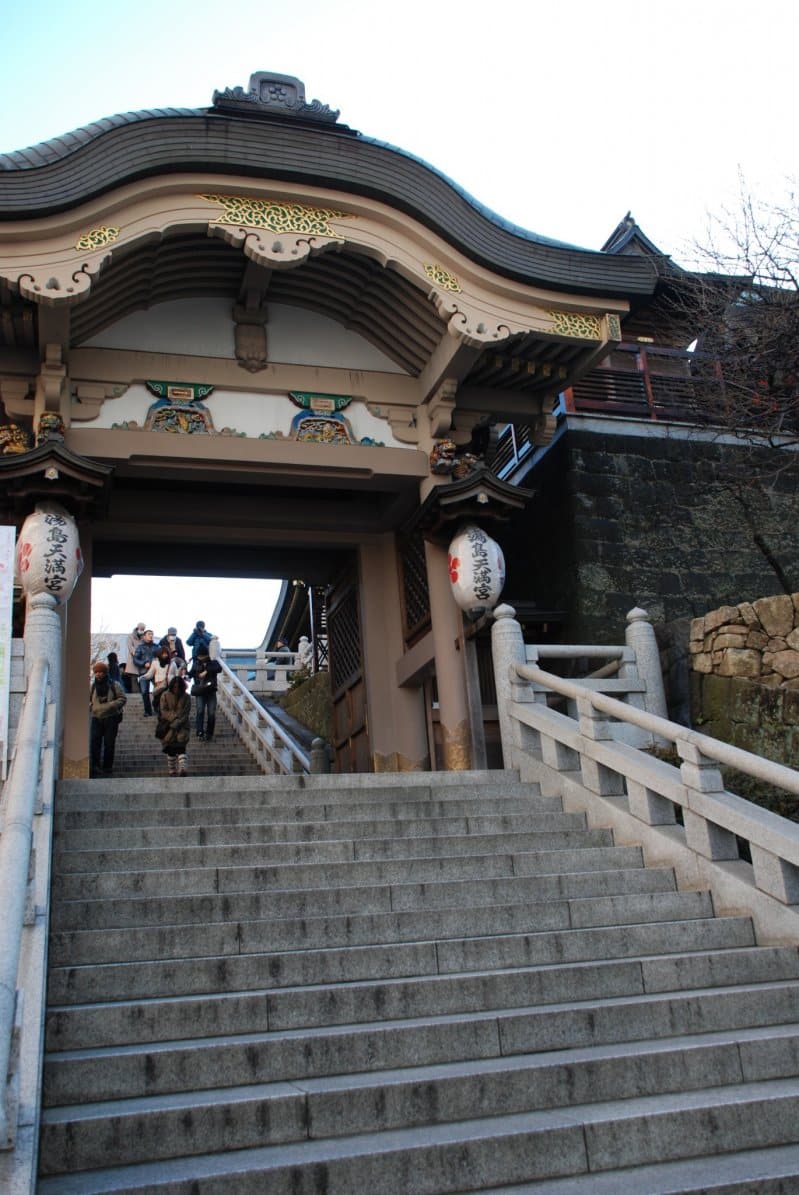
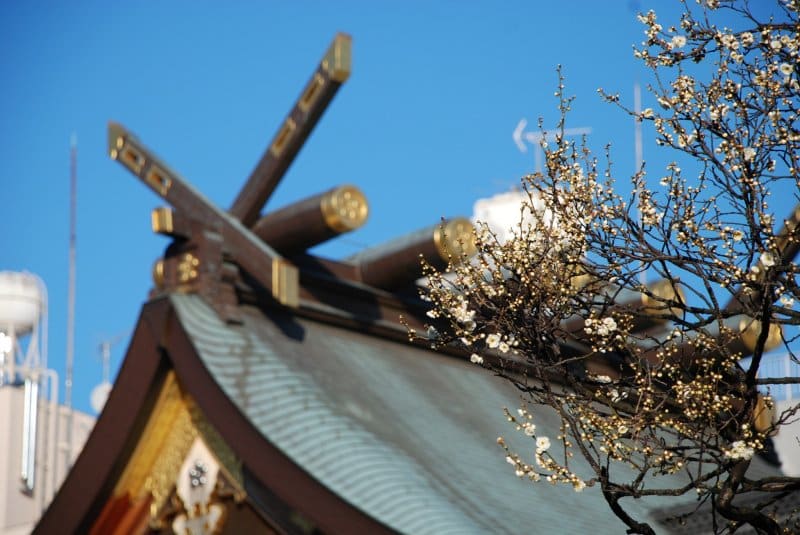
Yushima Tenmangu was founded in 458 and later rededicated in 1355 to honor Sugawara no Michizane, the brilliant scholar-poet who was deified as Tenjin, the god of learning, after his tragic death in exile in 903. Following a series of natural disasters blamed on his vengeful spirit, the imperial court elevated him to kami status to appease him.
Are you Visiting Japan soon?
Let us make your trip effortless. From tickets and hotels to transport and local guides, we arrange everything for you or your group. Whether it’s a music festival in Tokyo or a business conference in Osaka, our custom travel service ensures you enjoy the event stress-free.
Contact Jasumo Now →Michizane famously loved plum blossoms—he is said to have composed a farewell poem to a beloved plum tree that “flew” after him to Kyushu. Because of this legend, Tenjin shrines across Japan are planted with ume trees, and Yushima Tenmangu’s garden now boasts around 300 trees, mostly the fragrant white Shirokaga variety.
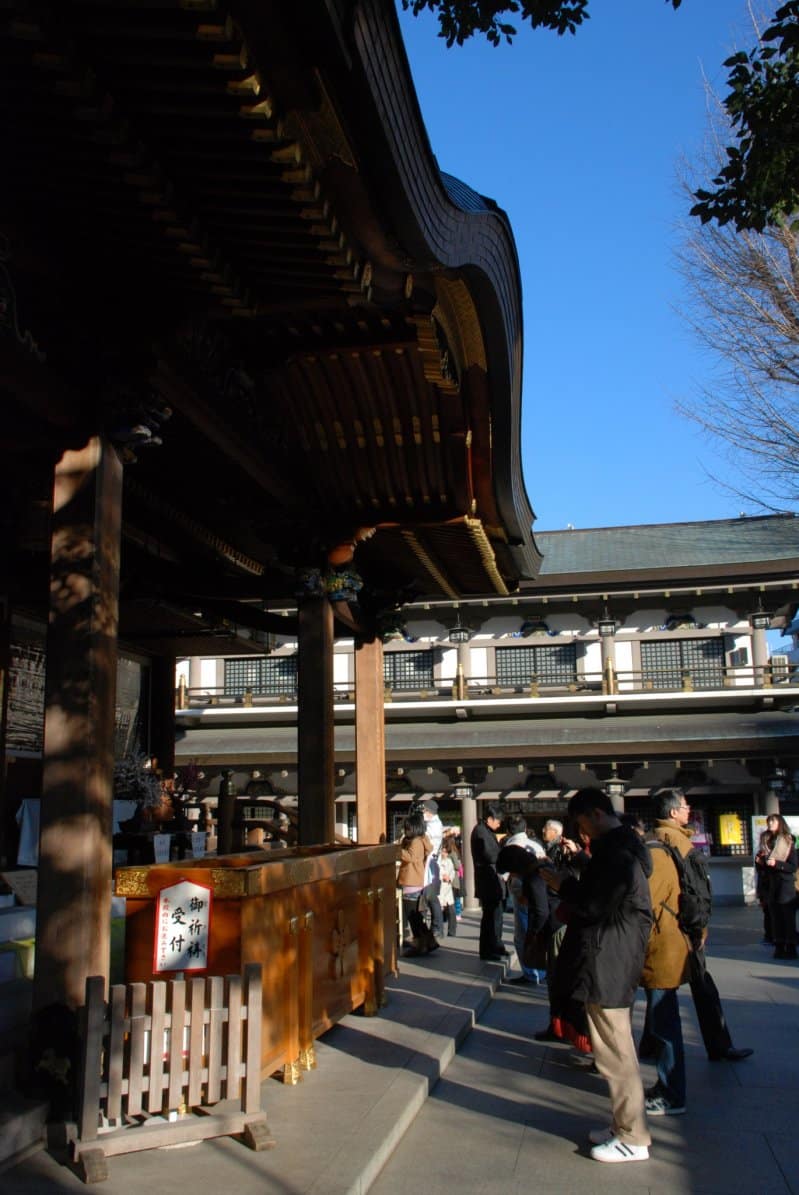
Today the shrine remains Tokyo’s go-to place for students praying for exam success, with thousands of ema (wooden wish plaques) hanging year-round.
Overview
The Yushima Tenjin Ume Matsuri 2026 (officially part of the Bunkyo Plum Festival) will run from early February to early March, with the garden’s 300 plum trees reaching peak bloom usually mid-to-late February. Roughly 80% are the intensely fragrant white Shirokaga variety, filling the entire shrine grounds with sweet perfume.
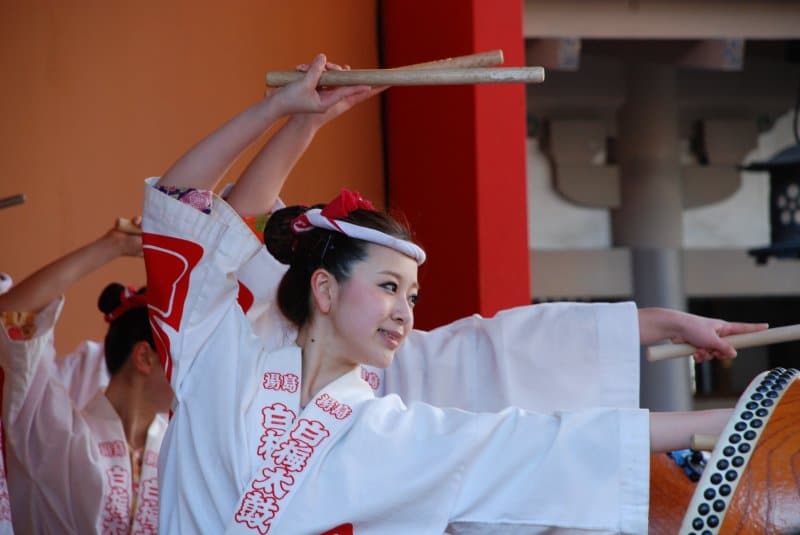
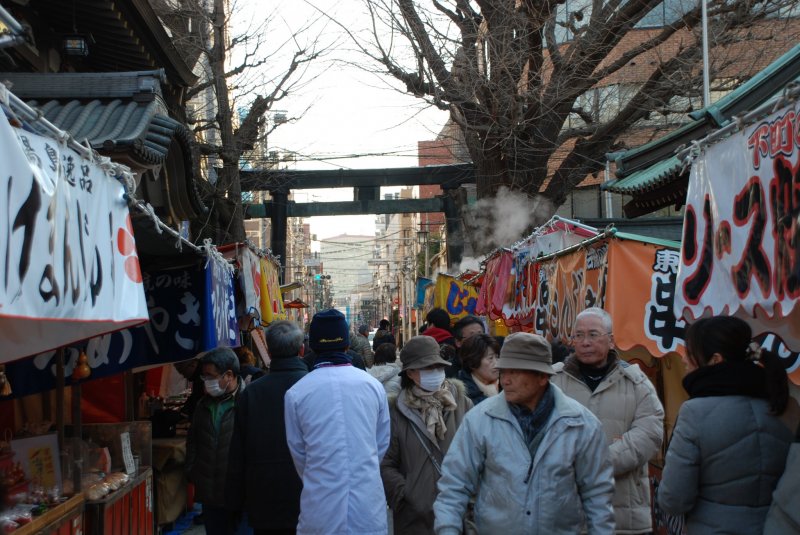
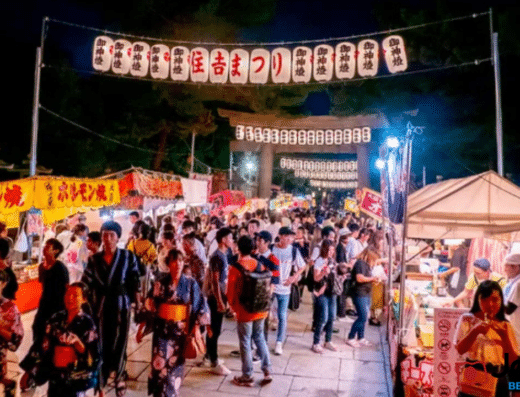
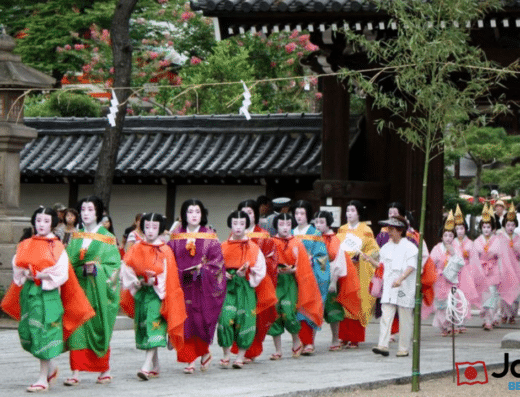
Weekends bring a lively program of free open-air performances—including taiko drumming, traditional Japanese dance, tea ceremonies, and even unexpected guests like flamenco and belly dance—plus yatai food stalls serving hot amazake, takoyaki, and seasonal sweets. The atmosphere is festive yet relaxed, perfect for combining hanami with a quick prayer for academic success.
Highlights
- 300 Fragrant Plum Trees: Mostly white Shirokaga variety creating clouds of intensely sweet-scented blossoms.
- Weekend Performances: Taiko drumming, outdoor tea ceremonies, Japanese dance, flamenco, belly dance, and Shinto rituals.
- Thousands of Ema Plaques: Colorful wooden wish boards from students nationwide praying for exam success.
- Street Food Stalls: Seasonal treats including ume-flavored sweets, hot amazake, yakitori, and takoyaki on weekends.
- Bronze Ox Statue: Rub the famous ushi statue for wisdom—Michizane’s spiritual messenger and symbol of perseverance.
Why Jasumo Recommends?
- 300 Fragrant Plum Trees: Mostly white Shirokaga variety creating clouds of intensely sweet-scented blossoms.
- Weekend Performances: Taiko drumming, outdoor tea ceremonies, Japanese dance, flamenco, belly dance, and Shinto rituals.
- Thousands of Ema Plaques: Colorful wooden wish boards from students nationwide praying for exam success.
- Street Food Stalls: Seasonal treats including ume-flavored sweets, hot amazake, yakitori, and takoyaki on weekends.
- Bronze Ox Statue: Rub the famous ushi statue for wisdom—Michizane’s spiritual messenger and symbol of perseverance.
If you’re coming to Japan or already in Japan, Jasumo can help with custom Tokyo walking tours, exam-success prayer experiences, private transportation, and more. Just contact us using the contact page.
Schedule
Early February to early March 2026 (typically from the first Saturday in February for one month)
- Shrine Grounds: Open daily 8:00 AM – 7:30 PM
- Weekend Events: Most performances and food stalls Saturdays, Sundays, and holidays
Pricing
Completely free entry to the shrine and plum garden. All performances and the festival itself have no admission fee.
Location
Yushima Tenmangu (Yushima Tenjin) 3-30-1 Yushima, Bunkyo City, Tokyo 113-0034, Japan
How to Get There
- By Train: 5-minute walk from Yushima Station (Tokyo Metro Chiyoda Line) or 8-minute walk from Okachimachi Station (JR Yamanote Line).
- From Ueno Park: 10–12 minute easy walk south.
- From Tokyo Station: ~15 min via Marunouchi Line to Hongo-sanchome → short walk or one stop on Chiyoda Line.
Accommodation Options
Bunkyo and Ueno offer business hotels from ¥8,000–¥18,000 per night with excellent subway access. Ueno Station area has many family-friendly options and direct airport trains.
Traditional ryokan and boutique hotels in nearby Yanaka or Hongo start around ¥20,000–¥40,000 with Japanese breakfast. Book early for late February weekends when entrance-exam students flood the shrine.
FAQs
When is the best time to see the plum blossoms at Yushima Tenjin in 2026?
Peak bloom is usually mid-to-late February, when the white Shirokaga trees are at their most fragrant. Check the shrine’s official website for daily bloom reports.
Is entry to the Ume Matsuri really free?
Yes—100% free. The shrine grounds, plum garden, and all weekend performances have no admission charge.
Are the weekend performances every Saturday and Sunday?
Yes, most weekends feature different shows (taiko, dance, tea ceremony) from morning to late afternoon. Schedules are posted at the shrine entrance.
Is Yushima Tenjin crowded during the festival?
Weekdays are relaxed and fragrant; weekends get lively but rarely overwhelming—much quieter than cherry-blossom season.
Can I pray for exam success even if I’m not a student?
Absolutely—anyone can purchase an ema plaque (¥500–¥1,000) and write their wish. The shrine is famous for helping with all forms of academic and career success.
Planning a Group Trip to Japan?
From corporate teams to friends traveling together, we create tailor-made travel packages. Enjoy VIP access, curated itineraries, and full support from our local experts. Tell us your plans, and we’ll handle the rest.
Contact Jasumo Now →


























Leave a Reply