Overcoming Japan’s Language Barrier: Tips for Tourists
Traveling to Japan can be incredibly rewarding, but language barriers often create significant challenges that transform exciting cultural discoveries into frustrating miscommunications, missed opportunities, and disappointing experiences. While Japan’s unique culture and incredible hospitality make it a must-visit destination, the linguistic divide between Japanese and English can leave even experienced travelers feeling lost, confused, and unable to fully appreciate the rich cultural experiences they came to discover.
Are you Visiting Japan soon?
Let us make your trip effortless. From tickets and hotels to transport and local guides, we arrange everything for you or your group. Whether it’s a music festival in Tokyo or a business conference in Osaka, our custom travel service ensures you enjoy the event stress-free.
Contact Jasumo Now →Understanding the Challenges of Language Barriers in Japan
Japan’s language barrier presents unique challenges that extend far beyond simple vocabulary differences. The Japanese language uses three distinct writing systems—hiragana, katakana, and kanji—making signs, menus, and written information particularly difficult for English speakers to navigate independently.
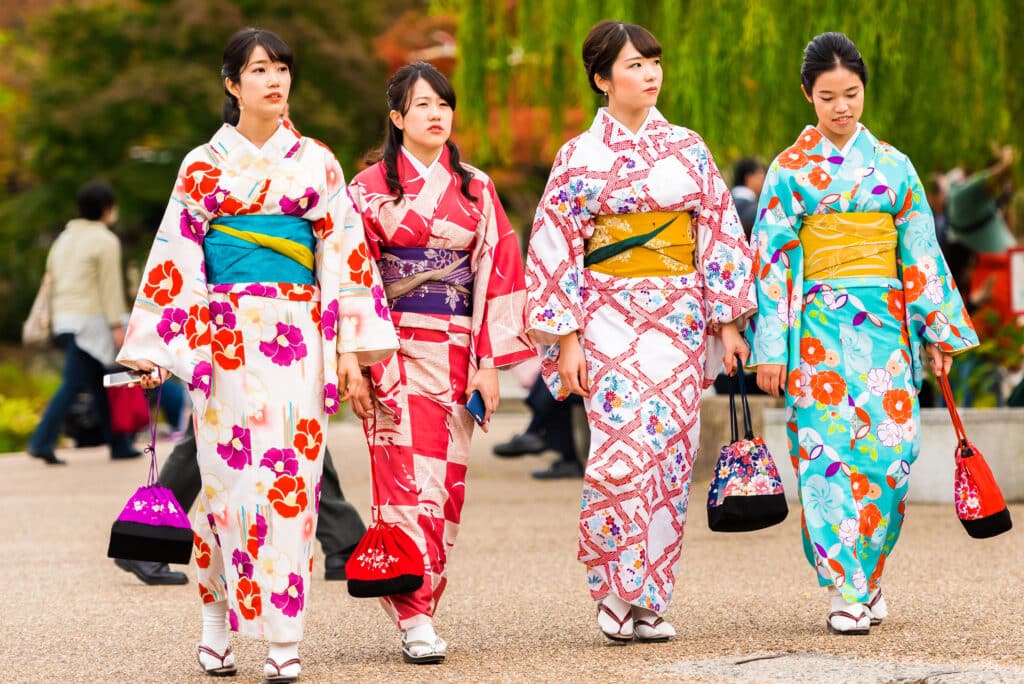
Cultural communication styles in Japan differ significantly from Western approaches, emphasizing indirect communication, contextual understanding, and non-verbal cues that foreign visitors often miss entirely. These cultural linguistic differences can lead to misunderstandings even when basic vocabulary is shared between speakers.
Many Japanese people study English in school but have limited practical conversation experience, creating situations where locals understand written English better than spoken communication. This disconnect often results in awkward interactions where both parties struggle to communicate effectively despite good intentions.
The complexity extends beyond tourist areas into practical daily situations like restaurant ordering, transportation navigation, emergency situations, and cultural activity participation where precise communication becomes essential for safety, enjoyment, and cultural appreciation.
Language barriers also prevent deeper cultural understanding by limiting access to historical explanations, cultural context, traditional stories, and local insights that transform superficial sightseeing into meaningful cultural education and personal connection.
Common Problems with Poor English-Speaking Tour Guides
Limited Vocabulary and Grammar Issues
One of the most frequently reported problems involves tour guides whose English vocabulary proves inadequate for explaining complex cultural concepts, historical significance, or detailed instructions about cultural activities and safety protocols.
Guides with limited English often resort to basic descriptive words without providing the cultural context, historical background, or spiritual significance that makes Japanese cultural experiences truly meaningful. Travelers report feeling frustrated when guides cannot explain why certain rituals matter, how traditions developed, or what deeper meanings underlie seemingly simple practices.
Grammar limitations create additional confusion when guides struggle to form clear sentences, use incorrect verb tenses, or fail to communicate time sequences, causal relationships, or conditional instructions that help travelers understand proper behavior and expectations.
These language limitations become particularly problematic during complex cultural activities like tea ceremonies, traditional craft workshops, or religious site visits where understanding proper etiquette, safety procedures, and cultural significance requires precise communication.
Inability to Answer Cultural Questions
Many travelers report disappointment when their guides cannot answer detailed questions about Japanese culture, history, or traditions due to English language limitations rather than lack of cultural knowledge. This creates situations where knowledgeable guides possess valuable insights but cannot share them effectively with English-speaking tourists.
Complex cultural concepts like the relationship between Shinto and Buddhism, the significance of seasonal festivals, or the historical development of traditional arts require sophisticated vocabulary and cultural translation skills that many guides lack despite their expertise in Japanese.
The inability to engage in meaningful cultural dialogue prevents the kind of educational exchange that transforms tourist activities into profound learning experiences. Travelers miss opportunities to understand cultural nuances, ask follow-up questions, or explore topics that particularly interest them.
Pronunciation and Comprehension Difficulties
Poor pronunciation can make even basic English vocabulary difficult for travelers to understand, creating communication barriers that frustrate both guides and tourists trying to share cultural experiences together.
Many guides struggle with English sounds that don’t exist in Japanese, leading to miscommunication about meeting times, location names, safety instructions, or cultural protocols that could impact traveler safety and experience quality.
Comprehension difficulties prevent guides from understanding traveler questions, requests for clarification, or expressions of interest in specific topics, limiting the interactive educational potential of guided cultural experiences.
Lack of Cultural Translation Skills
Beyond basic language proficiency, effective cross-cultural guiding requires ability to translate cultural concepts, explain cultural differences, and help travelers understand Japanese perspectives and values that inform traditional practices and modern behaviors.
Many guides can describe what happens during cultural activities but cannot explain why these activities matter to Japanese people, how they fit into broader cultural patterns, or what they reveal about Japanese values and worldview.
This limitation prevents travelers from developing deeper cultural appreciation and understanding that distinguishes meaningful cultural exchange from superficial tourist entertainment.
Practical Tips for Navigating Japan’s Language Barriers
Master Essential Japanese Phrases
Learning basic Japanese phrases demonstrates respect for local culture while providing practical communication tools for common situations. Focus on polite expressions, questions about directions, restaurant ordering, and cultural activity participation.
Essential phrases include greetings (ohayo gozaimasu, konnichiwa, konbanwa), polite requests (sumimasen, onegaishimasu), gratitude expressions (arigato gozaimasu, domo), and basic questions about location, time, and cost that help navigate daily situations independently.
Practice pronunciation using language learning apps or online resources that provide audio examples from native speakers. Proper pronunciation significantly improves communication effectiveness even with limited vocabulary.
Consider learning to recognize basic kanji characters for common words like exit (出口), entrance (入口), bathroom (お手洗い), and train station (駅) that appear frequently on signs and help with independent navigation.
Utilize Translation Technology Effectively
Modern translation apps provide powerful tools for overcoming language barriers, but using them effectively requires understanding their limitations and optimal application methods.
Google Translate’s camera function allows real-time translation of signs, menus, and written information by pointing your phone camera at Japanese text. This feature proves particularly valuable for restaurant menus, transportation signs, and cultural venue information.
Voice translation features enable basic conversations with locals, though success depends on clear pronunciation and understanding that translations may not capture nuanced meanings or cultural context.
Download offline translation capabilities before traveling to ensure access when internet connectivity is limited or unreliable in rural areas or underground transportation systems.
Prepare Visual Communication Tools
Create visual aids including photos of dietary restrictions, medical conditions, or specific needs that help communicate important information when language barriers prevent verbal explanation.
Use maps, photos, and written addresses in both English and Japanese to help taxi drivers, hotel staff, and locals provide directions and assistance more effectively.
Prepare screenshots of important information including hotel addresses, emergency contacts, and key phrases in Japanese that remain accessible even when internet connectivity fails.
Book English-Friendly Tours and Accommodations
Research and prioritize tours, hotels, and cultural activities that specifically advertise English-speaking staff and English-friendly services rather than hoping for language accommodation at standard venues.
Look for international hotel chains, tourist information centers, and cultural venues that maintain English-speaking staff specifically trained to assist foreign visitors with cultural questions and practical needs.
Consider staying in areas with higher concentrations of international visitors where restaurants, shops, and services are more likely to have English-speaking staff or English menus and signage.
Join Group Tours with Professional Interpretation
Group tours with professional English-speaking guides provide structured language support while offering opportunities to learn from other travelers’ questions and cultural observations.
Quality group tours feature guides trained specifically in cross-cultural communication who can explain Japanese concepts in ways that Western travelers can understand and appreciate.
Small group tours often provide more personalized attention and opportunities for detailed cultural questions than large group experiences where individual communication needs receive limited attention.
How to Find Truly Multilingual Japanese Tour Guides
Verify Professional Certifications
Look for guides with official certifications from recognized organizations like the Japan National Tourism Organization (JNTO) or other professional tourism bodies that require demonstrated language proficiency and cultural knowledge.
Ask about guide training programs, continuing education requirements, and professional development activities that ensure guides maintain current language skills and cultural expertise.
Request information about guides’ educational backgrounds, international experience, and specialized training in cross-cultural communication that qualifies them for working with English-speaking tourists.
Test Communication Skills Before Booking
Arrange brief phone or video conversations with potential guides to assess their English fluency, communication style, cultural knowledge, and ability to explain complex concepts clearly.
Ask specific questions about Japanese culture, history, or traditions to evaluate guides’ ability to provide detailed explanations and answer follow-up questions in English.
Evaluate guides’ patience, enthusiasm for cultural sharing, and willingness to adapt their communication style to match your learning preferences and interests.
Read Detailed Reviews from English-Speaking Clients
Focus on reviews from travelers who specifically mention guide communication skills, cultural explanation quality, and ability to handle questions and cultural curiosity from English-speaking visitors.
Look for specific examples of how guides handled cultural questions, managed group dynamics, and provided meaningful cultural education rather than just basic tourism information.
Pay attention to reviews that mention guides’ ability to adapt to different English proficiency levels within groups and provide inclusive experiences for all participants.
Request References and Recommendations
Ask tour operators to provide contact information for recent English-speaking clients who can share firsthand experiences about guide communication quality and cultural expertise.
Contact previous clients to ask specific questions about language barrier challenges, cultural learning experiences, and overall satisfaction with guide communication and cultural interpretation.
Technology Solutions for Language Barriers
Essential Translation Apps
Google Translate offers comprehensive translation features including text, voice, and camera translation with offline capabilities for essential communication needs.
Microsoft Translator provides conversation mode that enables real-time dialogue translation between multiple languages, useful for extended conversations with locals.
Waygo specializes in translating Chinese, Japanese, and Korean text through camera input, particularly effective for menu reading and sign interpretation.
Cultural Information Apps
Japan Official Travel App provides English-language information about cultural sites, transportation, and tourist facilities with offline accessibility.
Hyperdia offers English-language train schedule and route planning specifically designed for foreign travelers navigating Japan’s complex transportation systems.
Culture Trip and similar apps provide cultural context, historical background, and etiquette guidance that helps travelers understand and appreciate Japanese customs and traditions.
Emergency Communication Tools
Prepare emergency contact information in both English and Japanese including police (110), fire/ambulance (119), and tourist hotline numbers for immediate assistance.
Save important phrases for medical emergencies, lost situations, and urgent communication needs that don’t rely on complex translation technology.
Frequently Asked Questions About Language Barriers in Japan
Are Professional Tour Guides Fluent in English?
Professional certified guides typically demonstrate adequate English proficiency for basic tourism communication, but fluency levels vary significantly between individual guides and tour operators.
High-quality tour operators screen guides specifically for English communication skills and provide ongoing language training to maintain professional standards for international visitors.
Always verify guide English proficiency through direct communication before booking to ensure compatibility with your communication needs and cultural curiosity level.
What Are the Best Translation Tools for Japan Travel?
Google Translate remains the most comprehensive option with camera, voice, and text translation capabilities plus offline functionality for areas with limited internet access.
Specialized Japan travel apps like Japan Official Travel App provide cultural context and practical information in English that pure translation apps cannot offer.
Consider combining multiple tools including general translation apps, Japan-specific travel apps, and cultural information resources for comprehensive language support.
How Can I Communicate Dietary Restrictions in Japan?
Prepare written cards in Japanese explaining specific dietary restrictions including vegetarian, vegan, gluten-free, or allergy information with clear, simple language.
Use translation apps to communicate restrictions clearly and learn key Japanese terms for common dietary needs that appear frequently on menus and food packaging.
Research restaurants that specifically accommodate international dietary restrictions rather than relying on general establishments to understand and accommodate special needs.
What Should I Do If My Guide’s English Is Poor?
Address communication concerns directly but politely with your guide and tour operator to request alternative arrangements or additional translation support.
Use translation technology to supplement guide communication and ask guides to speak slowly, use simple vocabulary, and repeat important information for clarity.
Consider requesting different guides through your tour operator if language barriers significantly impact your cultural learning and travel experience quality.
Experience Japan Without Language Barriers Through Jasumo’s Expert Multilingual Guides
Don’t let language barriers limit your Japan cultural discovery. Jasumo specializes in eliminating communication challenges through our Custom Group Travel & Family Tours featuring carefully vetted, professionally trained multilingual guides who excel at cross-cultural communication and cultural interpretation.
Our comprehensive guide selection process ensures every guide demonstrates exceptional English proficiency, deep cultural knowledge, and specialized training in explaining Japanese traditions, history, and customs to international visitors. Unlike basic tour guides who provide simple translations, our cultural experts bridge linguistic and cultural gaps to provide meaningful educational experiences.
Our multilingual guides don’t just speak English—they understand Western cultural perspectives and can translate complex Japanese concepts, cultural nuances, and traditional practices into accessible explanations that enhance your appreciation and understanding of Japan’s rich heritage.
Whether you’re planning family cultural tours, corporate group experiences, or specialized educational programs, Jasumo ensures language barriers never prevent meaningful cultural connections, authentic interactions, or deep appreciation for Japan’s incredible traditions and modern innovations.
Our comprehensive services include pre-tour cultural preparation, ongoing translation support, and flexible communication approaches that adapt to different English proficiency levels within groups while maintaining high-quality cultural education for all participants.
Book Your Multilingual Japan Cultural Experience →
Additionally, enhance your communication capabilities throughout Japan with our Bulk SIM & eSIM Solutions that provide reliable internet access for translation apps, cultural information, and emergency communication tools that supplement our expert guide services for complete language support.
Stay Connected for Enhanced Communication →
Contact Jasumo today to discover how our expert multilingual guides and comprehensive language support can transform potential communication challenges into opportunities for deeper cultural understanding and meaningful connections during your Japan adventure.
Planning a Group Trip to Japan?
From corporate teams to friends traveling together, we create tailor-made travel packages. Enjoy VIP access, curated itineraries, and full support from our local experts. Tell us your plans, and we’ll handle the rest.
Contact Jasumo Now →