Premium Umeshu: Japan’s Hidden Plum Wine Treasures
Introduction
While sake and whisky dominate international perceptions of Japanese alcoholic beverages, umeshu remains one of Japan’s most cherished yet least understood liquid treasures. This traditional plum wine, with its perfect balance of sweetness, tartness, and alcoholic warmth, represents centuries of Japanese craftsmanship and seasonal appreciation. Unlike the mass-produced versions found in duty-free shops, premium umeshu embodies the essence of Japanese omotenashi hospitality and seasonal consciousness.
Are you Visiting Japan soon?
Let us make your trip effortless. From tickets and hotels to transport and local guides, we arrange everything for you or your group. Whether it’s a music festival in Tokyo or a business conference in Osaka, our custom travel service ensures you enjoy the event stress-free.
Contact Jasumo Now →Umeshu holds deep cultural significance in Japanese society, traditionally consumed during the rainy season when ume plums reach peak ripeness. The drink serves as both a digestif and a contemplative beverage, perfect for quiet moments of reflection. Premium artisanal umeshu elevates this humble fruit wine into a sophisticated spirit that rivals fine cognac or aged whisky in complexity. Understanding umeshu’s cultural importance opens doors to appreciating Japan’s relationship with seasonality, patience, and the transformation of simple ingredients into extraordinary experiences.
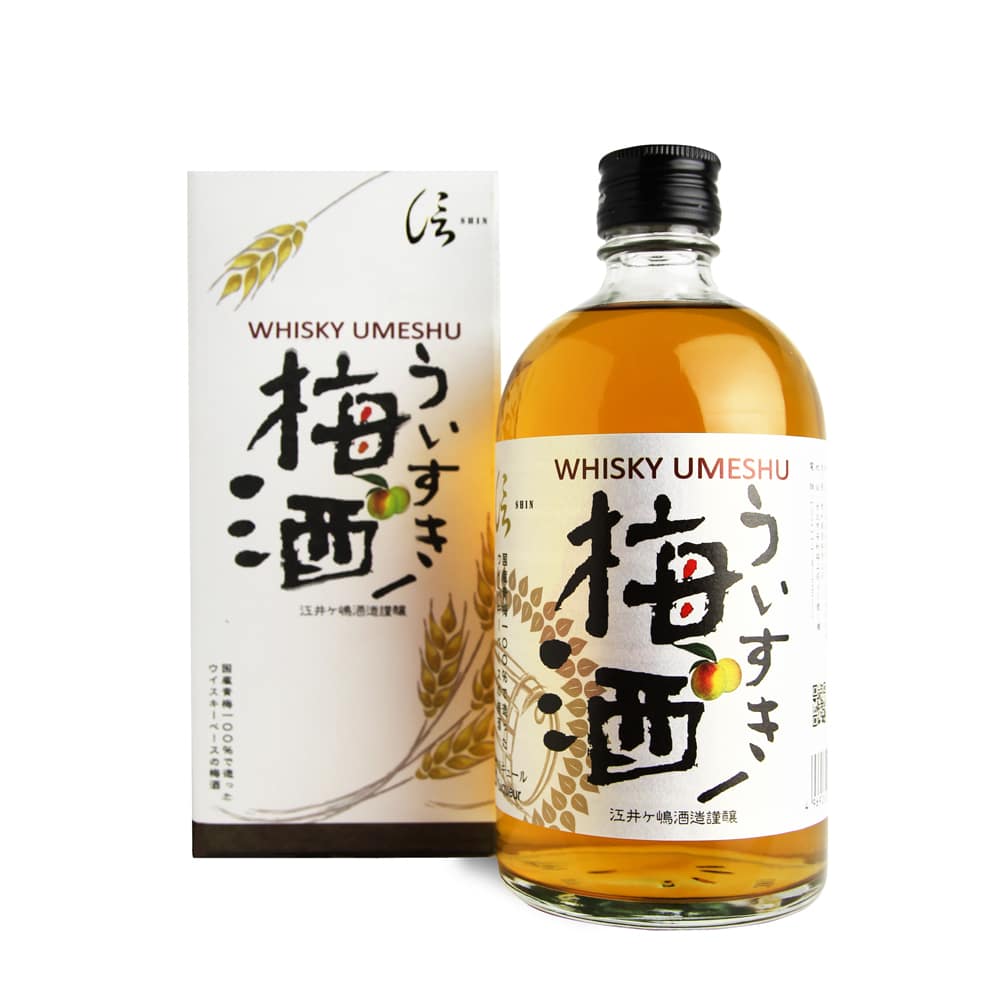
For international travelers and connoisseurs, discovering authentic premium umeshu presents unique challenges. The finest examples rarely leave Japan, remaining closely guarded secrets of small-scale producers who prioritize tradition over commercial distribution. This exclusivity makes premium umeshu one of Japan’s most rewarding alcoholic discoveries for those willing to seek beyond the obvious.
Production Process
The creation of premium umeshu begins with the careful selection of ume plums, harvested at precise moments of ripeness during late spring and early summer. Master umeshu producers spend decades developing relationships with specific orchards, often working with single-tree sources that produce fruit with unique flavor profiles. The timing of harvest proves critical – too early and the plums lack sweetness, too late and they lose their essential tartness that defines exceptional umeshu.
Traditional production methods remain unchanged for centuries, reflecting Japanese dedication to preserving artisanal techniques. The process begins with washing and removing stems from freshly harvested ume plums, a task performed entirely by hand to avoid bruising the delicate fruit. Each plum is carefully inspected, with only perfect specimens selected for premium batches. Some producers employ families across generations, with knowledge of plum selection passed down through direct apprenticeship.
The maceration process involves layering whole ume plums with rock sugar in large glass or ceramic vessels, then covering with high-proof neutral spirits or authentic shochu. Premium producers often use their own distilled shochu as the base spirit, creating a completely integrated flavor profile. The ratio of plums to sugar to alcohol varies dramatically between producers, with some favoring fruit-forward profiles while others emphasize balance or even spirit-driven characteristics.
Temperature control during maceration separates premium producers from commercial operations. Traditional kura warehouses provide naturally stable temperatures that allow slow, even extraction of flavors from the fruit. The plums gradually release their essence over months, creating complex layers of flavor that cannot be rushed through artificial acceleration. Master producers monitor their macerating umeshu daily, adjusting storage conditions based on seasonal changes and individual batch characteristics.
Time remains the most crucial ingredient in premium umeshu production. While commercial versions may be ready within months, artisanal umeshu requires years of patient aging. During this extended maturation, the harsh edges of raw fruit and alcohol mellow into harmonious complexity. The plums gradually shrink as they surrender their essence, eventually becoming flavor-concentrated gems that some producers reserve for special occasions.
Filtration techniques vary significantly among premium producers. Some prefer multiple gentle filtrations to achieve crystal clarity, while others maintain deliberately cloudy presentations that preserve maximum fruit character. Traditional cloth filtration, passed down through generations, creates distinctive textures impossible to replicate with modern equipment. The filtration philosophy often reflects the producer’s overall approach to umeshu-making.
Blending represents the pinnacle of umeshu craftsmanship. Master producers may combine batches from different years, plum varieties, or even different base spirits to achieve their signature profiles. This process requires extraordinary palate development and deep understanding of how flavors evolve over time. Some premium umeshu producers create vintage-dated single-batch bottlings, while others perfect consistent house styles through careful blending.
Quality control in premium umeshu production extends beyond taste testing. Visual appearance, aroma development, and mouthfeel receive equal attention. The finest producers maintain detailed records of weather conditions during harvest, maceration temperatures, and aging environments, creating a database that guides future production decisions.
Regional Variations
Japan’s diverse climate and geography create distinct regional umeshu characteristics that reflect local terroir and cultural preferences. Wakayama Prefecture, particularly the Minabe and Tanabe regions, produces umeshu from Nanko-ume plums, considered among Japan’s finest. These plums create umeshu with exceptional balance between sweetness and acidity, often described as the gold standard for premium Japanese plum wine. Wakayama producers tend toward traditional methods, creating umeshu with remarkable depth and complexity.
Gunma Prefecture specializes in umeshu made from Hakuaga plums, which produce distinctly different flavor profiles characterized by intense fruit concentration and natural tartness. The mountain climate of Gunma creates plums with thicker skins and more concentrated flavors, resulting in umeshu with pronounced fruit character and extended aging potential. Local producers often use these characteristics to create umeshu with exceptional longevity and complexity.
Yamanashi Prefecture, famous for its fruit production, creates umeshu that emphasizes pure fruit expression. The region’s volcanic soil and mountain climate produce plums with exceptional sugar content, allowing producers to reduce added sugar while maintaining desired sweetness levels. Yamanashi umeshu often displays remarkable clarity of fruit flavor, making it particularly appealing to newcomers while maintaining sophistication that satisfies experienced palates.
Northern regions like Aomori produce umeshu with distinctly different characteristics due to shorter growing seasons and cooler temperatures. The plums develop slower, concentrating flavors while maintaining high acidity levels. Aomori umeshu tends toward crisp, refreshing profiles that pair exceptionally well with the region’s seafood-heavy cuisine. The cooler climate also affects aging characteristics, creating umeshu that develops differently over time.
Kyushu regions, particularly Kagoshima and Miyazaki, produce umeshu with tropical fruit influences due to warmer climates and longer growing seasons. The plums often display more complex sugar development, creating naturally sweeter fruit that requires less added sugar during production. Kyushu producers frequently use local shochu as base spirits, creating integrated regional expressions that reflect both fruit and spirit traditions.
Okinawa represents the extreme southern expression of Japanese umeshu, where subtropical conditions create unique flavor developments. The constant warmth affects both plum development and aging characteristics, creating umeshu with intense fruit concentration and rapid flavor development. Okinawan producers often experiment with native sugar varieties and local distilled spirits, creating umeshu unlike anywhere else in Japan.
Urban producers in Tokyo and Osaka create umeshu that reflects metropolitan tastes and international influences. These producers often experiment with innovative techniques while maintaining traditional quality standards. City-based umeshu makers frequently focus on premium presentation and unique flavor profiles designed to appeal to sophisticated urban palates and international visitors.
Coastal regions produce umeshu influenced by maritime climates, with salt air and consistent humidity affecting both plum development and aging processes. Coastal umeshu often displays subtle mineral characteristics and enhanced preservation qualities. Producers in these regions frequently age their umeshu in seaside warehouses, where ocean influences create unique maturation environments.
Tasting Notes & Appreciation
Proper umeshu appreciation begins with understanding the visual presentation, which varies dramatically between styles and producers. Premium umeshu ranges from crystal clear golden amber to deliberately cloudy presentations that preserve maximum fruit character. The color intensity often indicates aging duration and fruit concentration, with deeper hues generally suggesting longer maturation periods. Clarity versus cloudiness reflects production philosophy rather than quality levels.
Aroma evaluation reveals the complexity that distinguishes premium umeshu from commercial versions. Initial nose impressions typically feature fresh plum fruit, but extended observation reveals layers of honey, vanilla, almonds, and sometimes floral notes. The alcohol integration should be seamless, providing warmth without harsh edges. Premium aged umeshu develops secondary aromas reminiscent of dried fruits, caramel, and sometimes subtle spice notes.
The first taste of premium umeshu should deliver immediate fruit impact followed by balanced sweetness and acidity. Exceptional umeshu maintains fruit clarity while developing complex mid-palate flavors that may include stone fruit, citrus, honey, and subtle herbal notes. The mouthfeel varies from light and refreshing to rich and viscous, depending on production methods and aging duration.
Finish evaluation separates premium umeshu from ordinary versions. The finest examples maintain fruit character through extended finishes while revealing additional complexity layers. Premium aged umeshu often displays evolving finishes that continue developing for minutes after tasting. The alcohol warmth should enhance rather than overpower the fruit characteristics.
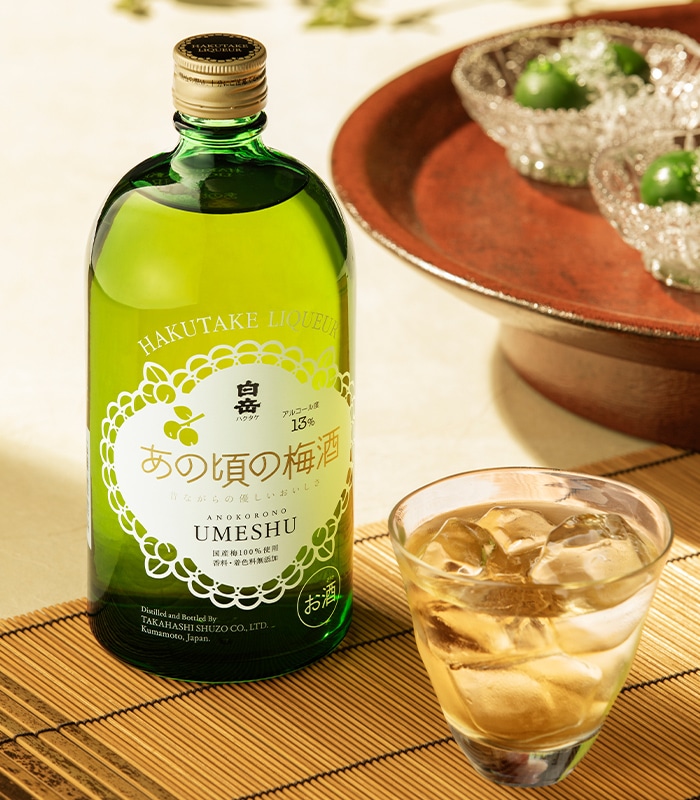
Temperature significantly affects umeshu appreciation, with different serving temperatures revealing various aspects of the same product. Room temperature service emphasizes complexity and aging characteristics, while chilled service highlights fruit freshness and acidity. Many premium umeshu producers recommend specific serving temperatures that optimize their particular expressions.
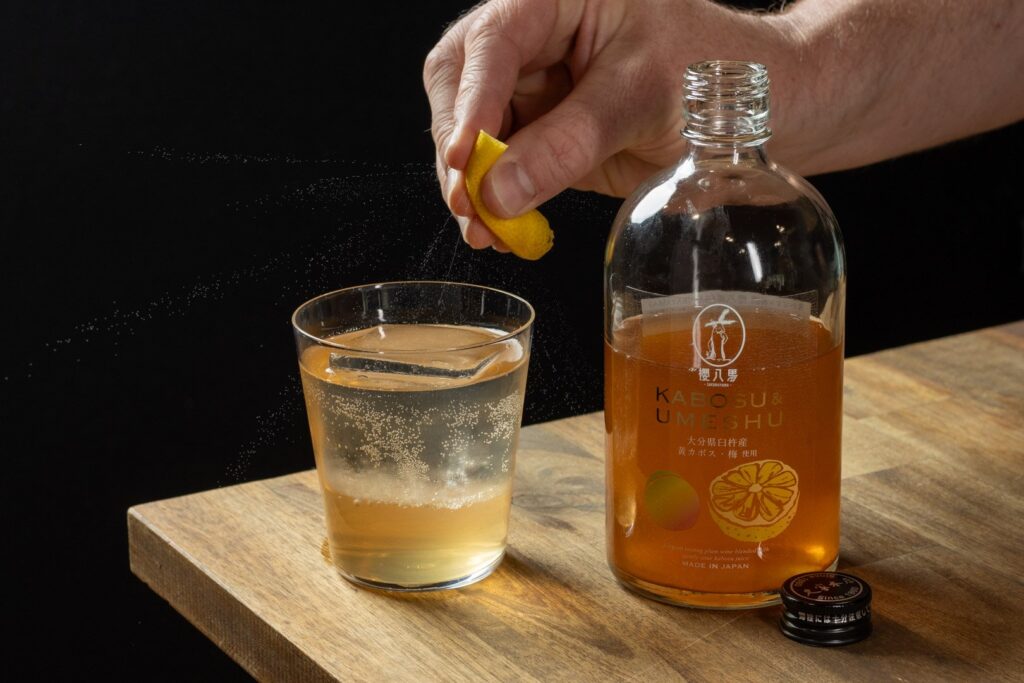
Glassware selection influences umeshu appreciation similar to wine or whisky. Traditional ochoko cups provide authentic cultural context but may limit aroma concentration. Wine glasses enhance aroma appreciation and allow better observation of color and clarity. Some premium umeshu benefits from whisky glasses that concentrate aromas while providing comfortable drinking experiences.
Palate cleansing between different umeshu tastings requires careful attention to avoid flavor interference. Plain water and unflavored crackers work effectively, though some experts prefer mild green tea between tastings. The residual sweetness of umeshu can accumulate on the palate, making proper cleansing essential for accurate evaluation of multiple expressions.
Professional umeshu evaluation considers factors beyond immediate taste pleasure. Complexity development over time in the glass, temperature sensitivity, and food pairing potential all contribute to overall quality assessment. The finest premium umeshu continues revealing new characteristics throughout extended tasting sessions, rewarding patient appreciation.
Pairing Suggestions
Umeshu’s unique flavor profile makes it exceptionally versatile for food pairing, though understanding its characteristics helps optimize combinations. The natural fruit acidity cuts through rich foods while the sweetness complements spicy dishes. Premium umeshu particularly excels with Japanese cuisine but adapts beautifully to international flavors when properly matched.
Traditional Japanese pairings emphasize seasonal harmony and complementary flavors. During summer, chilled umeshu pairs excellently with light dishes like cold soba noodles, cucumber sunomono, and grilled fish. The refreshing qualities of umeshu provide cooling relief while its fruit character complements the clean flavors of summer Japanese cuisine. Premium versions add complexity that elevates simple seasonal dishes.
Autumn pairings take advantage of umeshu’s natural harmony with harvest flavors. Roasted vegetables, particularly sweet potatoes and kabocha squash, create excellent combinations with aged umeshu. The wine’s fruit character bridges the gap between savory and sweet while its alcohol content provides warming comfort appropriate for cooler weather. Mushroom dishes, especially those featuring matsutake, create sophisticated pairings with complex aged umeshu.
Winter pairings often involve richer dishes that benefit from umeshu’s acid balance and fruit complexity. Hot pot dishes, particularly those with rich broths, pair excellently with premium umeshu served at room temperature. The wine’s natural acidity cuts through fatty meats while its fruit character provides pleasant contrast to savory broths. Aged umeshu particularly complements duck and pork dishes common in winter Japanese cuisine.
International pairing possibilities expand umeshu’s appeal beyond Japanese cuisine. French cheeses, particularly soft-ripened varieties like Camembert and Brie, create exceptional combinations with premium umeshu. The fruit acidity balances creamy textures while the sweetness complements the savory complexity of aged cheeses. Blue cheeses create more challenging but rewarding pairings with aged umeshu expressions.
Dessert pairings with umeshu require careful balance to avoid overwhelming sweetness. Dark chocolate, particularly varieties with high cacao content, creates sophisticated combinations with aged umeshu. The bitter chocolate balances the wine’s sweetness while complementing its fruit character. Fresh fruit desserts, especially those featuring stone fruits or berries, create natural harmony with umeshu’s plum base.
Spicy cuisines benefit from umeshu’s cooling properties and fruit character. Thai and Indian dishes with moderate spice levels pair surprisingly well with chilled premium umeshu. The sweetness provides spice relief while the fruit acidity maintains palate freshness. Umeshu works particularly well with dishes featuring coconut milk or fruit-based sauces.
Seasonal pairing considerations extend beyond ingredient availability to include environmental factors. Hot weather calls for chilled umeshu with light, refreshing dishes, while cold weather suggests room temperature or slightly warmed umeshu with richer, more substantial foods. Premium aged umeshu particularly benefits from thoughtful temperature and seasonal pairing considerations.
Procurement Challenges
Accessing authentic premium umeshu presents significant challenges for international consumers due to limited production volumes and domestic market focus. Most artisanal umeshu producers operate small-scale operations that prioritize local and domestic sales over international distribution. These producers often maintain waiting lists for their finest expressions, with allocation systems that favor long-term customers and local establishments.
Export regulations and licensing requirements create additional barriers for international umeshu procurement. Japanese alcohol export laws require specific licensing and compliance measures that many small producers cannot economically justify. The paperwork, testing requirements, and ongoing compliance costs often exceed the profit margins of artisanal producers, effectively limiting exports to larger commercial operations.
Quality degradation during international shipping poses serious concerns for premium umeshu. Temperature fluctuations, extended transit times, and improper storage can significantly impact flavor development and overall quality. Many producers refuse international sales specifically due to concerns about maintaining product integrity during long-distance transportation. The delicate balance of premium umeshu makes it particularly vulnerable to shipping-related quality issues.
Language barriers complicate direct procurement from Japanese producers. Most artisanal umeshu makers operate in Japanese only, making communication difficult for international buyers. Product descriptions, tasting notes, and ordering processes typically lack English translation, requiring specialized knowledge or local assistance to navigate successfully. This linguistic barrier effectively limits access to Japanese-speaking intermediaries or specialized importers.
Authentication challenges plague the international umeshu market, with numerous imitation products masquerading as premium Japanese expressions. Distinguishing authentic artisanal umeshu from mass-produced alternatives requires specialized knowledge that most consumers lack. The absence of clear labeling standards and certification systems makes it difficult for international buyers to verify product authenticity and quality levels.
Seasonal availability creates additional procurement complications. Many premium umeshu producers release products only during specific seasons, often selling out quickly to domestic customers. International buyers frequently miss these limited release windows due to communication delays and shipping logistics. The seasonal nature of production means that missed opportunities may require waiting entire years for subsequent releases.
Price transparency issues affect international umeshu procurement. Domestic Japanese pricing often differs significantly from export pricing due to distribution markups, shipping costs, and import duties. Many premium expressions available domestically never appear in international markets at any price, creating gaps in availability that cannot be resolved through higher spending.
Storage and aging considerations complicate international umeshu collecting. Premium umeshu continues developing in the bottle, requiring proper storage conditions to maintain and improve quality over time. International collectors must understand optimal storage requirements while managing climate differences that may affect aging patterns compared to Japanese storage conditions.
Jasumo Sourcing Solutions
Jasumo bridges the complex gap between international umeshu enthusiasts and Japan’s finest artisanal producers through our specialized licensed procurement network. Our deep relationships with premium umeshu makers across Japan provide access to expressions that rarely, if ever, appear in international markets. We work directly with producers in Wakayama, Gunma, Yamanashi, and other renowned regions to source authentic artisanal expressions that represent the pinnacle of Japanese plum wine craftsmanship.
Our licensed alcohol procurement capability enables legal sourcing of rare and premium umeshu expressions that most international buyers cannot access independently. We maintain all necessary import/export licenses and comply with international shipping regulations, ensuring that every bottle reaches customers through legitimate channels. This licensing framework allows us to work with small-scale producers who lack the resources or expertise to handle international sales independently.
Quality assurance represents a cornerstone of our umeshu sourcing service. Every bottle undergoes careful evaluation by our Japan-based team, including verification of authenticity, production methods, and storage conditions. We maintain temperature-controlled storage facilities in Japan and use specialized shipping methods that preserve product integrity during international transit. Our quality standards ensure that customers receive umeshu in optimal condition, maintaining the producer’s intended flavor profile.
Our Discovery Box program curates premium umeshu selections that showcase regional diversity and production excellence. Each box includes detailed tasting notes, producer backgrounds, and cultural context that enhance appreciation and understanding. We rotate selections seasonally, providing subscribers with access to limited releases and seasonal expressions that align with traditional Japanese consumption patterns. These curated selections introduce customers to producers and expressions they would never discover independently.
Direct producer relationships enable access to exclusive bottlings and special releases not available through conventional distribution channels. Many of our partner producers create unique expressions specifically for Jasumo customers, including single-batch vintage releases and experimental expressions. These exclusive relationships provide customers with umeshu experiences unavailable anywhere else in the international market.
Our bilingual team provides comprehensive customer support throughout the procurement process. We translate producer information, provide detailed product descriptions, and offer personalized recommendations based on individual taste preferences. Our team’s deep knowledge of umeshu production and regional characteristics ensures that customers receive products that match their interests and experience levels.
Custom procurement services accommodate special requests for specific producers, vintages, or expression styles. Whether seeking a particular regional style or attempting to locate discontinued expressions, our network often enables access to umeshu that other sources cannot provide. We work directly with customers to understand their preferences and leverage our producer relationships to fulfill specialized requests.
International shipping logistics receive careful attention to ensure product integrity and legal compliance. We use specialized packaging designed for alcohol shipment and partner with carriers experienced in international alcohol delivery. Our shipping methods include temperature monitoring and expedited customs clearance to minimize transit time and temperature exposure. We provide full tracking and insurance coverage for all international shipments.
Legal compliance support ensures that all shipments meet destination country requirements. We research and comply with import regulations, duty requirements, and local alcohol laws to prevent customs delays or confiscation. Our compliance expertise covers major international markets and includes ongoing monitoring of regulatory changes that might affect shipment procedures.
Education and cultural context accompany every umeshu purchase through detailed documentation and background information. We provide information about producers, production methods, regional characteristics, and optimal serving suggestions. This educational component helps customers develop deeper appreciation for umeshu craftsmanship while understanding the cultural significance of their purchases.
Storage & Serving Tips
Proper storage significantly impacts umeshu quality and development over time. Premium umeshu should be stored in cool, dark environments with stable temperatures between 59-68°F (15-20°C). Avoid locations with temperature fluctuations, such as kitchens or areas near heating systems. Consistent temperature prevents expansion and contraction that can affect cork integrity and introduce unwanted oxidation.
Light exposure can degrade umeshu quality, particularly for expressions stored in clear bottles. Store bottles in dark areas or wrap them in protective material if necessary. UV light particularly damages the delicate fruit flavors that define premium umeshu, causing off-flavors and color changes over extended exposure periods.
Bottle position affects long-term storage success. Store umeshu bottles upright to minimize contact between the liquid and cork, preventing cork deterioration and potential contamination. Unlike wine, umeshu’s higher alcohol content and sugar levels can actually accelerate cork degradation when stored on its side.
Serving temperature dramatically influences umeshu appreciation. Chilled service (45-50°F/7-10°C) emphasizes freshness and fruit character, making it ideal for summer consumption or pairing with light dishes. Room temperature service (65-70°F/18-21°C) reveals complexity and aging characteristics, particularly beneficial for premium aged expressions. Some connoisseurs prefer slightly warmed umeshu (80-85°F/27-29°C) during winter months.
Glassware selection affects both aroma concentration and drinking experience. Traditional ochoko cups provide authentic cultural context but limit aroma appreciation. Wine glasses enhance aromatic expression while allowing observation of color and clarity. For special occasions, consider using sake cups or small wine glasses that concentrate aromas while maintaining appropriate portion sizes.
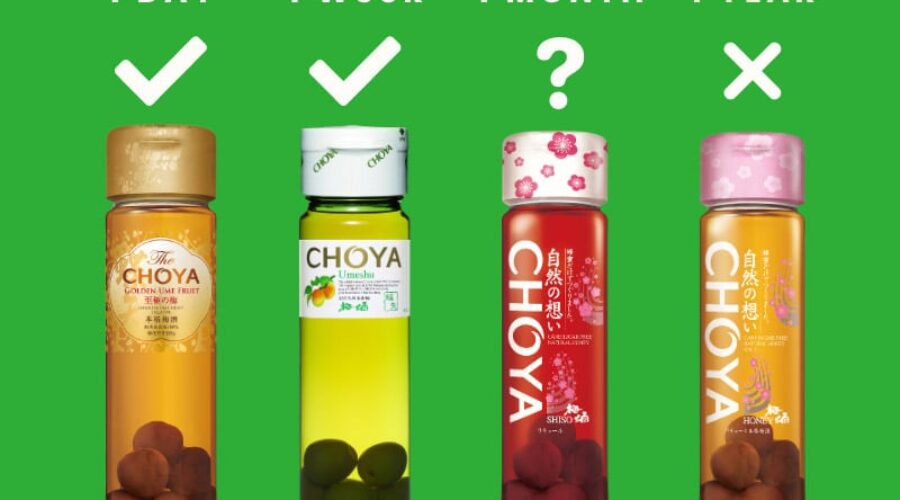
Opened bottles require different storage considerations than unopened expressions. Once opened, umeshu should be consumed within 6-12 months for optimal quality, though properly stored bottles may remain acceptable much longer. Keep opened bottles tightly sealed and stored in cool, dark locations to minimize oxidation and flavor degradation.
Planning a Group Trip to Japan?
From corporate teams to friends traveling together, we create tailor-made travel packages. Enjoy VIP access, curated itineraries, and full support from our local experts. Tell us your plans, and we’ll handle the rest.
Contact Jasumo Now →