
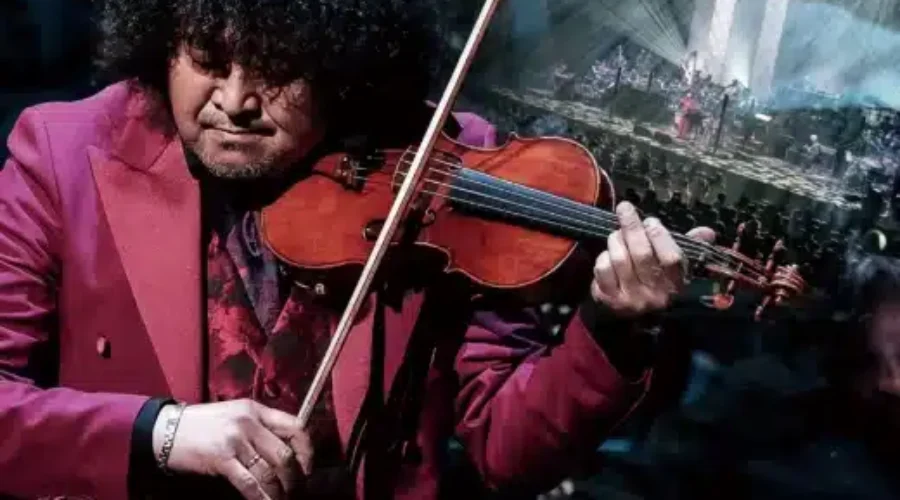
Taro Hakase Orchestra Concert 2026 ~The Symphonic Sessions~: A Practical Guide for Overseas Visitors Attending in Japan
Event Overview
The Taro Hakase Orchestra Concert 2026 ~The Symphonic Sessions~ is the official spring concert tour by renowned Japanese violinist Taro Hakase (葉加瀬太郎), presented with a full orchestra. The tour is scheduled to take place nationwide across Japan from March through May 2026, with confirmed performances in multiple prefectures, including Tokyo, Osaka, Aichi, Hokkaido, Fukuoka, and others.
Are you Visiting Japan soon?
Let us make your trip effortless. From tickets and hotels to transport and local guides, we arrange everything for you or your group. Whether it’s a music festival in Tokyo or a business conference in Osaka, our custom travel service ensures you enjoy the event stress-free.
Contact Jasumo Now →This concert series focuses on orchestral arrangements that highlight Hakase’s violin work within a symphonic setting. Performances are held primarily in large-scale concert halls and cultural theaters designed for acoustic music, rather than multipurpose arenas. The tour structure reflects Japan’s established classical and orchestral concert circuit, with performances distributed across regional cultural centers as well as major metropolitan venues.
All dates and venues listed in this guide are confirmed through official sources and ticket listings, with no unverified or estimated entries included.
Global Context and Background (For Understanding Only)
Internationally, orchestral concert tours featuring solo instrumentalists often take place in limited metropolitan hubs due to logistics and audience concentration. In contrast, Japan’s classical and orchestral music culture places strong emphasis on regional accessibility, resulting in tours that span a wide range of cities and prefectures.

Taro Hakase’s orchestral tours reflect this domestic model. Rather than concentrating performances in a single city, the tour moves steadily across regions, allowing local audiences to attend without extensive travel. For overseas visitors, this structure offers flexibility: attendance is possible not only in Tokyo or Osaka, but also in regional cities that may align better with broader travel plans.
This guide focuses specifically on how overseas visitors can understand and navigate the Japan-specific systems and expectations surrounding this concert tour.
Japan-Specific Cultural and System Context
Japanese orchestral concerts operate within systems designed primarily for domestic audiences. These systems emphasize punctuality, advance planning, and structured audience behavior. While overseas visitors are fully welcome, the experience may feel unfamiliar at first due to differences in ticketing processes, venue rules, and audience customs.
Concert halls hosting this tour—such as NHK Hall, Festival Hall, Tokyo International Forum Hall A, and various prefectural arts theaters—are purpose-built venues with strict operational guidelines. Entry procedures, seating management, and performance etiquette are generally standardized nationwide.
Understanding these systems in advance can help overseas visitors approach the concert experience with confidence and clarity.
What Makes the Japan Experience Unique
Several aspects distinguish orchestral concerts in Japan from those in other countries:
- Venue design prioritizes acoustics and audience comfort, often with fixed seating and carefully managed sightlines.
- Audience etiquette is formal but welcoming. Applause is customary at designated moments, while movement during performances is limited.
- Event scheduling is precise. Start times are strictly observed, and late entry may be restricted depending on the venue.
- Regional venues play a significant role, offering high-quality performances outside major urban centers.
For overseas visitors, these elements combine to create a structured yet immersive concert environment.
Confirmed 2026 Tour Dates and Venues
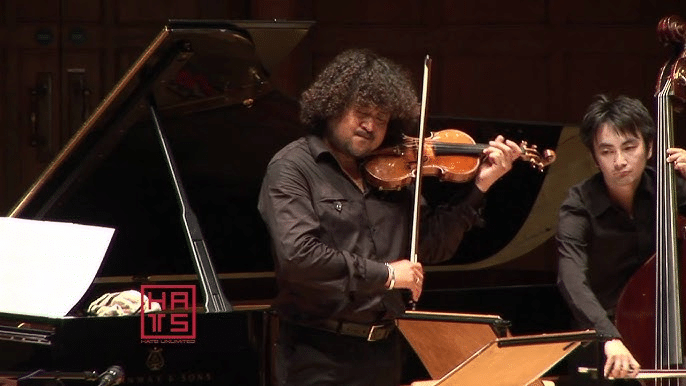
Below are the officially confirmed performances for the Taro Hakase Orchestra Concert 2026 ~The Symphonic Sessions~ in Japan.
March 2026
- March 14 (Sat) — Matsudo, Chiba
Mori no Hall 21 - March 15 (Sun) — Akita, Akita
Akita Arts Theatre Milhas (Large Hall) - March 20 (Fri / Holiday) — Morioka, Iwate
Tosai Classic Hall Iwate (Main Hall) - March 22 (Sun) — Aomori, Aomori
Link Station Hall Aomori - March 28 (Sat) — Mito, Ibaraki
Mito Civic Hall (Globis Hall) - March 29 (Sun) — Saitama
Omiya Sonic City (Large Hall)
April 2026
- April 4 (Sat) — Tokyo
NHK Hall - April 5 (Sun) — Nagano
Kissei Cultural Hall - April 10 (Fri) — Aichi
Aichi Prefectural Arts Center (Large Hall) - April 11 (Sat) — Aichi
Aichi Prefectural Arts Center (Large Hall) - April 16 (Thu) — Gunma
Takasaki Arts Theatre (Grand Theatre) - April 18 (Sat) — Osaka
Fenice Sakai - April 19 (Sun) — Hyogo
Kobe International House International Hall - April 24 (Fri) — Kumamoto
Kumamoto Castle Hall (Main Hall) - April 26 (Sun) — Fukuoka
Fukuoka Sunpalace - April 29 (Wed / Holiday) — Hokkaido
Sapporo Cultural Arts Theater hitaru
May 2026
- May 1 (Fri) — Kyoto
ROHM Theatre Kyoto (Main Hall) - May 3 (Sun / Holiday) — Hiroshima
Hiroshima Bunka Gakuen HBG Hall - May 5 (Tue / Holiday) — Osaka
Festival Hall - May 6 (Wed / Holiday) — Osaka
Festival Hall - May 9 (Sat) — Tokyo
Tokyo International Forum Hall A - May 10 (Sun) — Tokyo
Tokyo International Forum Hall A - May 16 (Sat) — Miyagi
Sendai Sun Plaza Hall - May 17 (Sun) — Fukushima
Kenshin Koriyama Cultural Center (Large Hall) - May 19 (Tue) — Gunma
Takasaki Arts Theatre (Grand Theatre) - May 23 (Sat) — Kanagawa (Additional Show)
Culutz Kawasaki - May 24 (Sun) — Kanagawa (Additional Show)
Culutz Kawasaki
What Overseas Visitors Should Plan For
Advance Scheduling
Because this tour spans multiple regions, visitors should align concert attendance with broader travel plans. Intercity travel may require Shinkansen or limited express trains, and overnight stays may be necessary depending on location.
Arrival Timing
Japanese venues typically open doors well before performance start times. Early arrival allows time for seat location, restrooms, and acclimatization to venue layout.
Language Environment
While major venues may provide limited English signage, most announcements and printed materials are in Japanese. Familiarity with venue names and seating information in advance is helpful.
Ticketing and Participation Systems
Japanese concert ticketing systems are structured for domestic users and may differ from systems used elsewhere. Processes can include advance sales, lotteries, and venue-specific distribution methods.
For overseas visitors unfamiliar with these systems, local coordination and system navigation support can be helpful. This is one of the areas where platforms like Jasumo provide informational assistance to help visitors understand how Japan’s ticketing environment functions.
Support resources are available through https://jasumo.com/contact/, which serves as an informational point for overseas users seeking clarity on Japan-based event systems.
Common Challenges Visitors Encounter
Overseas attendees sometimes encounter challenges such as:

- Navigating Japanese-language ticket interfaces
- Understanding seating classifications
- Managing venue-specific entry rules
- Coordinating transport to regional venues
These challenges are common and do not reflect exclusivity. Japanese systems are simply optimized for domestic users, and advance preparation helps reduce uncertainty.
Connectivity and Digital Access
Reliable mobile connectivity is important when attending concerts in Japan. Access to maps, digital tickets (if applicable), train schedules, and venue information often depends on stable internet access.
Many overseas visitors choose short-term connectivity solutions such as portable WiFi or SIM services. Services like OmoriWiFi (https://omoriwifi.com/) are commonly referenced by travelers seeking consistent coverage during multi-city trips.
Travel and Logistics Considerations
Most venues on this tour are located near major train stations or accessible via local transit. However, regional cities may require additional planning for return travel after evening performances.
Holiday dates—such as performances scheduled on national holidays—may coincide with increased domestic travel, making early accommodation planning advisable.
Cultural and Experiential Extensions
Attending a symphonic concert in Japan is often part of a broader cultural experience. Many venues are located near museums, parks, or historic districts, offering opportunities to explore local culture before or after performances.
Visitors interested in deeper engagement with Japan’s working and cultural systems may also find value in understanding long-term opportunities in Japan. Informational resources such as ComfysCareer (https://comfyscareer.com/) provide context on employment pathways and professional life in Japan for those considering extended stays.
Conclusion: Preparation Enables Confidence
The Taro Hakase Orchestra Concert 2026 ~The Symphonic Sessions~ offers overseas visitors an opportunity to experience Japan’s orchestral music culture across multiple regions. While Japan’s concert systems may feel unfamiliar initially, they are consistent, structured, and navigable with advance preparation.
By understanding venue norms, ticketing structures, and travel logistics ahead of time, visitors can focus on the musical experience itself. Informational platforms like Jasumo exist to support that preparation, helping bridge the gap between overseas expectations and Japan’s domestic systems.
Planning a Group Trip to Japan?
From corporate teams to friends traveling together, we create tailor-made travel packages. Enjoy VIP access, curated itineraries, and full support from our local experts. Tell us your plans, and we’ll handle the rest.
Contact Jasumo Now →

