
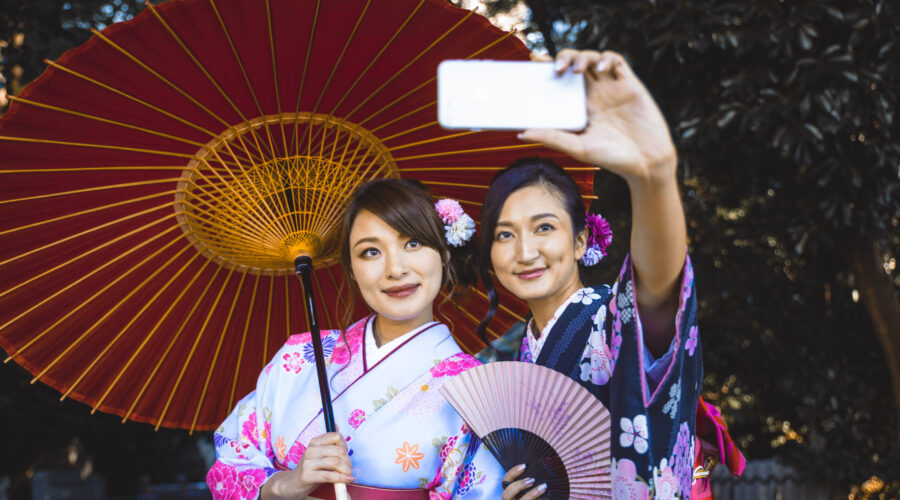
The Art and Culture of Japanese Hanko: Why HankoHub Is the Best Place to Buy One
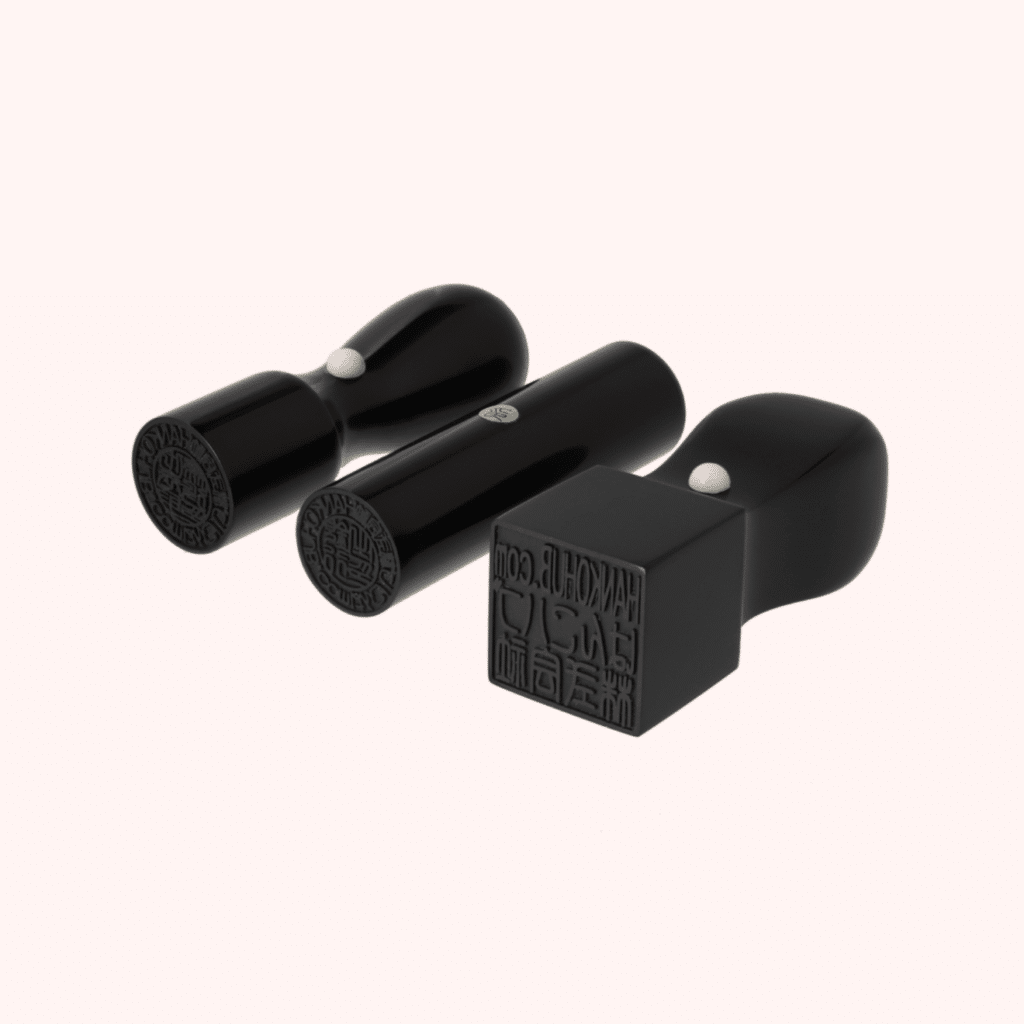
For centuries, Japan has embraced the Hanko—or Inkan—as more than just a stamp. It’s a symbol of identity, tradition, trust, and even artistry. While many countries rely on handwritten signatures, Japan’s use of personalized seals is deeply embedded in daily life, business etiquette, and cultural expression.
Are you Visiting Japan soon?
Let us make your trip effortless. From tickets and hotels to transport and local guides, we arrange everything for you or your group. Whether it’s a music festival in Tokyo or a business conference in Osaka, our custom travel service ensures you enjoy the event stress-free.
Contact Jasumo Now →In this in-depth guide, we explore the origins, significance, types, and modern usage of Hanko in Japan. We’ll also show why HankoHub.com is the top destination to purchase your own custom-made Japanese seal, whether as a personal signature, a unique souvenir, or a meaningful gift.
Table of Contents
- What Is a Hanko (Inkan)?
- The Historical and Cultural Roots of Hanko
- Why Japanese Still Use Hanko Today
- Different Types of Hanko and Their Uses
- Hanko vs. Signatures: Which Holds More Power?
- How Hanko Is Used in Everyday Japanese Life
- Why Foreigners in Japan Need a Hanko Too
- Hanko as a Unique Souvenir from Japan
- Why Buy Your Hanko from HankoHub.com
- How HankoHub Delivers Worldwide with Authenticity
- What to Expect When Ordering from HankoHub
- Final Thoughts on Owning a Hanko
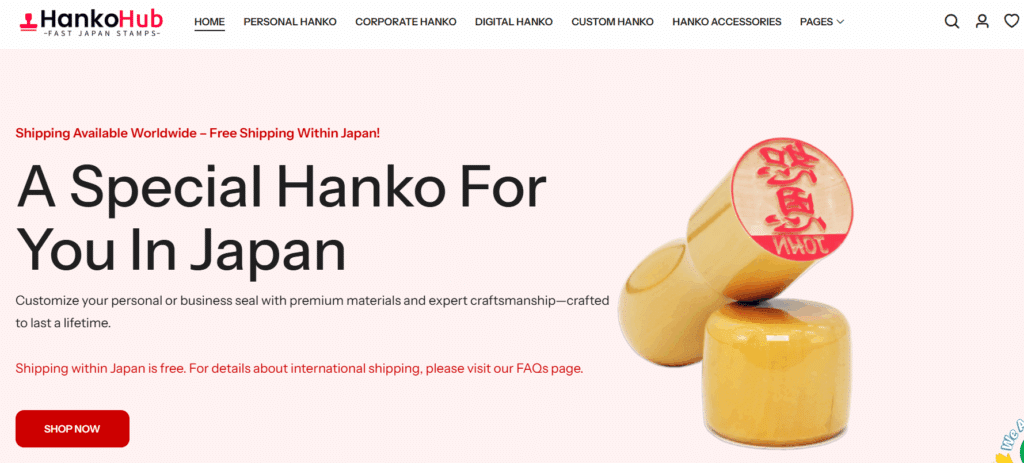
1. What Is a Hanko (Inkan)?
A Hanko (also called Inkan) is a small personal seal engraved with one’s name or identifying mark. Instead of signing contracts, Japanese people press their Hanko onto official documents using red ink—called shuniku—as a form of legal and cultural validation.
Whether for bank accounts, apartment leases, or marriage certificates, Hanko is still recognized legally across Japan.
2. The Historical and Cultural Roots of Hanko
The use of seals in Japan dates back to the Nara period (8th century), when Chinese influence introduced the practice. Over time, it evolved into a national tradition with artisans specializing in the intricate carving of characters into stone, wood, or ivory.
These seals became cherished heirlooms and often symbolized one’s place in society.
3. Why Japanese Still Use Hanko Today
While digital signatures and smartphone authentication are common, Japan still legally upholds the role of Hanko in:
- Bank account creation
- Job contracts
- Government applications
- School documentation
- Property transactions
For many, using a Hanko adds formality and a sense of commitment that a scribble cannot.
4. Different Types of Hanko and Their Uses
There are several types of Hanko, each with a specific function:
- Jitsuin: A registered seal used for official contracts and notarized documents.
- Ginkō-in: Used exclusively for bank accounts.
- Mitome-in: An everyday seal for internal approvals, mail, and casual documents.
Each type varies in size, material, and font style, making the craftsmanship all the more important.
5. Hanko vs. Signatures: Which Holds More Power?
In Japan, a Hanko is often more binding than a written signature. For example, a contract signed with a registered Jitsuin and submitted with registration paperwork holds full legal weight.
Using someone else’s Hanko without consent can even be a criminal offense—proof of how seriously they are regarded.
6. How Hanko Is Used in Everyday Japanese Life
Even today, you’ll find Hanko used at:
- Convenience stores to stamp delivery slips
- Workplaces for attendance or approvals
- Doctor’s offices to confirm visits
- Small shops for membership or point cards
It’s woven into the rhythm of daily life in ways that might surprise foreign visitors.
7. Why Foreigners in Japan Need a Hanko Too
If you’re living or working in Japan, having a Hanko makes life smoother. It can:
- Speed up apartment rentals
- Simplify opening a bank account
- Be required for certain job offers
- Add credibility to administrative paperwork
While foreigners can often use signatures, many Japanese institutions still prefer or even require a Hanko.
8. Hanko as a Unique Souvenir from Japan
Beyond its official uses, a custom Japanese seal is an unforgettable keepsake. A Hanko engraved with your name in Katakana, Kanji, or even English characters makes for a deeply personal memento.
Unlike mass-produced trinkets, a Hanko has history, craftsmanship, and meaning. It’s a gift that feels distinctly Japanese—ideal for birthdays, business gifts, or personal milestones.
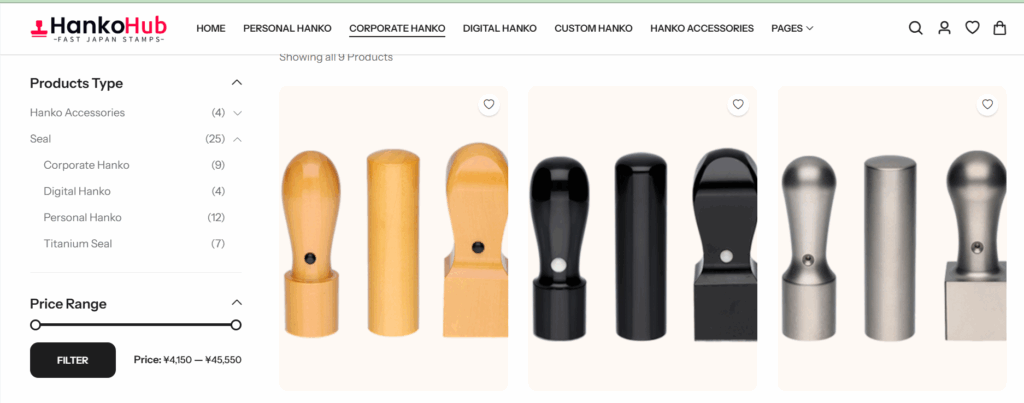
9. Why Buy Your Hanko from HankoHub.com
HankoHub.com stands as Japan’s most trusted online source for authentic Hanko and Inkan. Here’s why they’re unbeatable:
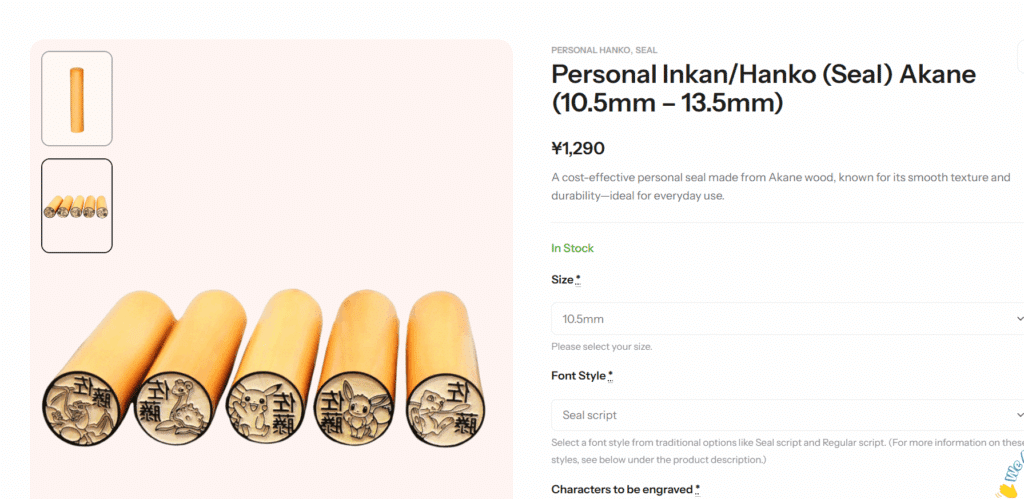
- Hand-carved or machine-engraved options to suit your budget and taste
- Premium materials: wood, stone, acrylic, or horn
- Fast, free delivery within Japan
- International shipping available for overseas customers
- Beautiful packaging ideal for gifting
- Multilingual ordering interface for non-Japanese speakers
Whether you’re a resident, traveler, or looking for a standout souvenir, HankoHub is your best choice.
10. How HankoHub Delivers Worldwide with Authenticity
Ordering from overseas? No problem.
HankoHub ships internationally, with secure packaging and clear ordering instructions. You can choose Katakana, Kanji, or Romaji characters—based on your name and style preferences.
Their team assists with name translation and design selection, ensuring that what you receive is authentic, personal, and functional.
✅ Free delivery anywhere in Japan
🌏 Trusted international shipping to your home or business
11. What to Expect When Ordering from HankoHub
- Choose your material and shape: Round, square, or oval.
- Enter your name and select the script you’d like.
- Select your use case (bank, general, registered).
- Pick your case design: Wooden boxes, inkpads, and modern pouches available.
- Confirm shipping (free in Japan, global options shown at checkout).
Within days, you’ll receive your Hanko beautifully crafted and ready to use or gift.
12. Final Thoughts on Owning a Hanko
Hanko represents something deeper than identification—it’s a statement of heritage, trust, and intention. In a world full of digital quick fixes, the tactile act of stamping your name has power.
Whether for function or symbolism, a Japanese Hanko is a timeless treasure.
Planning a Group Trip to Japan?
From corporate teams to friends traveling together, we create tailor-made travel packages. Enjoy VIP access, curated itineraries, and full support from our local experts. Tell us your plans, and we’ll handle the rest.
Contact Jasumo Now →