
The Complete Guide to Accessing Cash and Using Credit Cards in Japan: Essential Financial Tips for Travelers
Japan remains a fascinating paradox in the modern financial world. While the country leads in technological innovation, it maintains a strong preference for cash transactions that can surprise first-time visitors. Understanding how to access cash and use credit cards in Japan is crucial for any traveler planning a trip to the Land of the Rising Sun. This comprehensive guide will navigate you through Japan’s unique financial landscape, ensuring your money matters are handled smoothly during your visit.
Are you Visiting Japan soon?
Let us make your trip effortless. From tickets and hotels to transport and local guides, we arrange everything for you or your group. Whether it’s a music festival in Tokyo or a business conference in Osaka, our custom travel service ensures you enjoy the event stress-free.
Contact Jasumo Now →
Understanding Japan’s Cash-Based Culture
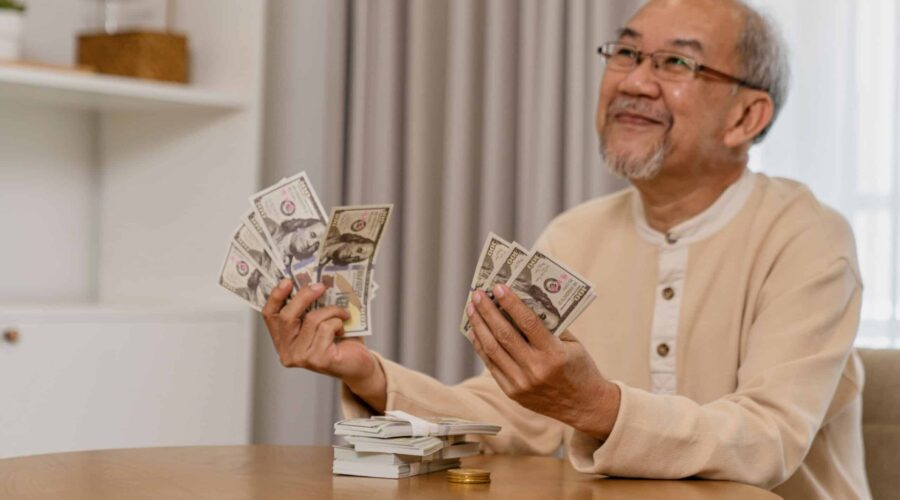
Japan’s cash culture runs deeper than mere preference—it’s embedded in the country’s social fabric. Despite being one of the world’s most technologically advanced nations, Japan processes approximately 70% of all transactions in cash. This cash-first mentality stems from cultural values emphasizing privacy, security, and the tangible nature of physical money.
The preference for cash in Japan affects everything from small convenience store purchases to restaurant bills and transportation costs. Many establishments, particularly smaller restaurants, traditional inns (ryokans), temples, and local shops, operate exclusively on a cash basis. Even some larger retailers and department stores prefer cash payments, though this is gradually changing.
Understanding this cash-centric culture is the first step in preparing for your Japanese adventure. Travelers who arrive expecting to rely solely on credit cards often find themselves in challenging situations, unable to pay for meals, transportation, or accommodations. The key to financial success in Japan lies in maintaining adequate cash reserves while strategically using credit cards where accepted.
ATM Access in Japan: Your Gateway to Cash
Accessing cash through ATMs in Japan requires specific knowledge, as the system differs significantly from Western countries. Most Japanese bank ATMs don’t accept foreign cards, creating a potential challenge for international visitors. However, several reliable options exist for withdrawing cash with foreign debit and credit cards.
7-Eleven ATMs: The Traveler’s Best Friend
7-Eleven convenience stores, ubiquitous throughout Japan, offer the most reliable ATM access for foreign cards. These Seven Bank ATMs accept most international debit cards, credit cards, and cards bearing Visa, Mastercard, Cirrus, Maestro, and Plus logos. The machines provide English-language interfaces and operate 24/7 in most locations, making them incredibly convenient for travelers.
The withdrawal process at 7-Eleven ATMs is straightforward. Insert your card, select English from the language menu, choose “withdrawal,” enter your PIN, and select your desired amount. Daily withdrawal limits typically range from 50,000 to 100,000 yen, depending on your home bank’s restrictions and the specific ATM.
Post Office ATMs: Widespread and Reliable
Japan Post Bank ATMs, located in post offices throughout the country, represent another excellent option for cash withdrawal. These machines accept international cards and offer English-language support. Post offices are particularly valuable in rural areas where 7-Eleven stores might be less common.
Post office ATMs typically operate during business hours, though some locations offer extended access. The withdrawal limits and fees are similar to 7-Eleven ATMs, making them a practical alternative for accessing cash across Japan.
International ATM Networks
Several other ATM networks cater to international visitors. Citibank Japan ATMs, though less common, accept foreign cards and provide reliable service. Some major airports and hotels also maintain international ATMs for guest convenience.
Credit Card Acceptance in Japan: A Changing Landscape
Credit card acceptance in Japan has improved dramatically over the past decade, particularly in preparation for and following major international events like the Olympics. However, the acceptance rate varies significantly depending on location, establishment type, and card brand.
Major Credit Card Brands
Visa and Mastercard enjoy the widest acceptance throughout Japan, with most establishments that accept credit cards honoring these brands. American Express and Diners Club have more limited acceptance, primarily at higher-end hotels, restaurants, and department stores. Discover card acceptance remains minimal outside of major tourist areas.
JCB, Japan’s domestic credit card brand, enjoys excellent acceptance throughout the country. Many international visitors are surprised to learn that JCB cards, while less common globally, work seamlessly in Japan and often provide better acceptance rates than international brands at local establishments.
Where Credit Cards Work Best
Large hotels, department stores, major restaurant chains, and tourist-oriented businesses typically accept credit cards without hesitation. Tokyo, Osaka, Kyoto, and other major cities show significantly higher credit card acceptance rates compared to rural areas.
Transportation systems increasingly accept credit cards, with JR (Japan Railway) stations, major subway systems, and airport express services offering card payment options. Many newer IC card systems also allow credit card top-ups, providing additional convenience for travelers.
Limitations and Challenges
Despite improvements, credit card limitations persist in Japan. Small restaurants, traditional accommodations, local transportation, temples and shrines, street food vendors, and many tourist attractions continue to operate on a cash-only basis. Even establishments that accept credit cards may require minimum purchase amounts or prefer cash for smaller transactions.
Essential Banking and Money Tips for Japan Travel
Successful financial management in Japan requires strategic planning and practical knowledge. Here are essential tips to ensure smooth money handling during your visit.
Pre-Travel Preparation
Before departing for Japan, notify your bank and credit card companies of your travel plans. This prevents your cards from being flagged for suspicious foreign activity and ensures continued access to your funds. Verify your daily withdrawal limits and understand any international transaction fees your bank may charge.
Research your bank’s international partnerships, as some institutions have arrangements that reduce or eliminate ATM fees at specific Japanese banks. Consider opening a travel-friendly bank account or obtaining a card with low international fees if your current banking situation involves high foreign transaction costs.
Currency Exchange Strategies
While you can exchange money at airports, banks, and hotels, ATM withdrawals often provide better exchange rates and greater convenience. However, arriving with some cash provides peace of mind and covers immediate expenses like transportation from the airport.
Major currencies like US dollars, euros, and British pounds can be exchanged at banks, hotels, and dedicated exchange counters. However, exchange rates and availability may vary, particularly for less common currencies.
Cash Management Best Practices
Japan’s low crime rates make carrying cash relatively safe, but smart money management remains important. Divide your cash among multiple locations—wallet, bag, and hotel safe. Keep larger denominations secure and use smaller bills for daily expenses.
Japanese ATMs dispense clean, crisp bills that are widely accepted. Damaged or heavily worn foreign currency may be rejected by some establishments, so ATM withdrawals often provide the best quality cash for transactions.
Transportation and Payment Methods
Japan’s extensive transportation network offers various payment options, though cash remains king in many situations. Understanding these options helps optimize your travel budget and convenience.
IC Cards: The Smart Travel Solution
IC cards like Suica, Pasmo, and ICOCA revolutionize transportation payments in Japan. These rechargeable smart cards work on trains, subways, buses, and even at many convenience stores and vending machines. While you can reload IC cards with cash at stations, newer systems accept credit card top-ups, providing additional flexibility.
IC cards eliminate the need to calculate exact fares and speed up boarding processes. They also provide small discounts compared to individual ticket purchases and work across multiple transportation systems throughout Japan.
JR Pass and Regional Passes
The Japan Rail Pass and various regional passes must be purchased before arriving in Japan or at specific locations upon arrival. These passes typically require credit card payment and provide excellent value for extensive train travel. Understanding pass coverage and restrictions helps maximize value while minimizing cash expenditure on transportation.
Regional Variations in Payment Acceptance
Payment preferences and credit card acceptance vary significantly across Japan’s regions. Tokyo and other major metropolitan areas show the highest credit card acceptance rates, while rural areas maintain stronger cash preferences.
Urban Centers
Cities like Tokyo, Osaka, Nagoya, and Yokohama offer the most credit card-friendly environments. Major shopping districts, tourist areas, and business centers typically provide multiple payment options. However, even in these urban areas, small local establishments may prefer cash.
Traditional and Rural Areas
Rural regions, traditional towns, and cultural sites often operate primarily on cash transactions. When visiting places like traditional onsen towns, rural temples, or small mountain villages, ensure you have adequate cash reserves. ATM access may also be more limited in these areas.
Tourist Areas vs. Local Neighborhoods
Tourist-heavy districts generally offer better credit card acceptance and more international ATM options. However, exploring local neighborhoods provides authentic experiences and often better prices, though these areas typically require cash payments.
Dining and Entertainment Payment Options
Japan’s diverse dining and entertainment landscape presents various payment scenarios that travelers should understand.
Restaurant Payment Practices
High-end restaurants, hotel dining establishments, and international chain restaurants typically accept credit cards. However, many beloved local restaurants, ramen shops, izakayas, and street food vendors operate exclusively with cash.
Some restaurants use ticket vending machines where customers purchase meal tickets with cash before ordering. These machines, common in ramen shops and casual dining establishments, rarely accept credit cards, making cash essential for authentic dining experiences.
Entertainment and Activities
Theme parks, major museums, and tourist attractions increasingly accept credit cards, particularly for admission tickets and souvenir purchases. However, smaller attractions, traditional performances, and local festivals typically require cash payments.
Pachinko parlors, arcade games, and traditional entertainment venues usually operate on cash-only systems. Budget accordingly if you plan to experience these uniquely Japanese entertainment options.
Shopping and Retail Payment Methods
Japan’s retail landscape offers a mixed payment environment where understanding acceptance patterns helps optimize shopping experiences.
Department Stores and Major Retailers
Large department stores, electronics retailers like Yodobashi Camera and Bic Camera, and major clothing chains readily accept credit cards. These establishments often provide tax-free shopping for tourists, which typically requires credit card payment for processing convenience.
Convenience Stores
While 7-Eleven, FamilyMart, and Lawson convenience stores accept various payment methods including credit cards, cash remains the most universally accepted option. These stores also serve as ATM locations and provide essential services for travelers.
Traditional Markets and Local Shops
Traditional markets, local craft shops, and small retail establishments typically prefer cash payments. When shopping for souvenirs, traditional crafts, or local specialties, ensure you have adequate cash reserves.
Emergency Financial Situations and Solutions
Despite careful planning, financial emergencies can occur during travel. Understanding your options helps manage unexpected situations effectively.
Lost or Stolen Cards
If your credit or debit cards are lost or stolen, immediately contact your bank’s international emergency line. Major credit card companies maintain 24-hour customer service with multilingual support. Japanese police are helpful and efficient in handling theft reports, which may be required for insurance claims.
ATM Card Failures
If your card stops working at ATMs, try different machines and locations before assuming card failure. Sometimes specific ATMs experience temporary issues with international cards. Keep multiple cards from different banks if possible to ensure continued access to funds.
Bank Communication
International roaming charges can make bank communication expensive. Consider using hotel wifi or purchasing a local SIM card to maintain affordable contact with your financial institutions.
Digital Payment Trends and Future Developments
Japan’s payment landscape continues evolving, with digital payments gaining traction alongside traditional cash preferences.
Mobile Payment Adoption
Services like PayPay, Line Pay, and Rakuten Pay are gaining popularity among Japanese consumers. However, these services typically require Japanese bank accounts or specific setups that make them less accessible for short-term visitors.
Contactless Payments
Contactless credit card payments are becoming more common, particularly in urban areas and tourist destinations. However, coverage remains inconsistent compared to countries where contactless payments are standard.
Budget Planning and Money Management
Effective budget planning requires understanding Japan’s unique cost structures and payment preferences.
Daily Cash Requirements
Plan to carry 10,000-20,000 yen daily for meals, local transportation, and small purchases. This amount covers most situations while avoiding excessive cash carrying. Adjust based on your planned activities and destinations.
Weekly ATM Strategy
Rather than daily withdrawals, consider weekly ATM visits to minimize fees while maintaining adequate cash reserves. Balance security concerns with convenience and fee optimization.
Expense Tracking
Cash-heavy spending can make expense tracking challenging. Consider photographing receipts and maintaining spending logs to track your budget effectively.
Conclusion
Successfully managing money in Japan requires understanding the country’s unique financial culture and preparing accordingly. While credit card acceptance continues improving, cash remains essential for authentic Japanese experiences and many daily transactions.
The key to financial success lies in maintaining adequate cash reserves through strategic ATM use while leveraging credit cards where accepted. 7-Eleven ATMs provide reliable cash access, while understanding regional variations helps optimize payment strategies.
Japan’s financial landscape rewards prepared travelers who respect local preferences while maintaining flexibility. By following these guidelines, you’ll navigate Japan’s money matters confidently, allowing you to focus on enjoying this remarkable country’s countless attractions and experiences.
Remember that Japan’s cash culture isn’t a limitation but rather an integral part of its character. Embracing this aspect of Japanese society often leads to more authentic interactions and experiences that pure digital payments might miss.
Planning a Group Trip to Japan?
From corporate teams to friends traveling together, we create tailor-made travel packages. Enjoy VIP access, curated itineraries, and full support from our local experts. Tell us your plans, and we’ll handle the rest.
Contact Jasumo Now →