Understanding the Banzuke: Japan’s Ancient Sumo Ranking System
1. Introduction to the Banzuke
In the world of professional sumo, few documents hold as much prestige and tradition as the banzuke. The word literally means “list of names” and refers to the official ranking sheet for all wrestlers competing in the six annual tournaments, or honbasho, held in Japan. It is far more than a chart — it is a ceremonial document that reflects months of training, competition, and discipline. Printed in bold black calligraphy on a large sheet of paper, the banzuke announces the precise hierarchy of wrestlers in each division, from the exalted Yokozuna to the newcomers in the lowest tier. For wrestlers, a banzuke release can bring elation or disappointment. For fans, it sets the stage for the storylines and matchups of the upcoming tournament.
Are you Visiting Japan soon?
Let us make your trip effortless. From tickets and hotels to transport and local guides, we arrange everything for you or your group. Whether it’s a music festival in Tokyo or a business conference in Osaka, our custom travel service ensures you enjoy the event stress-free.
Contact Jasumo Now →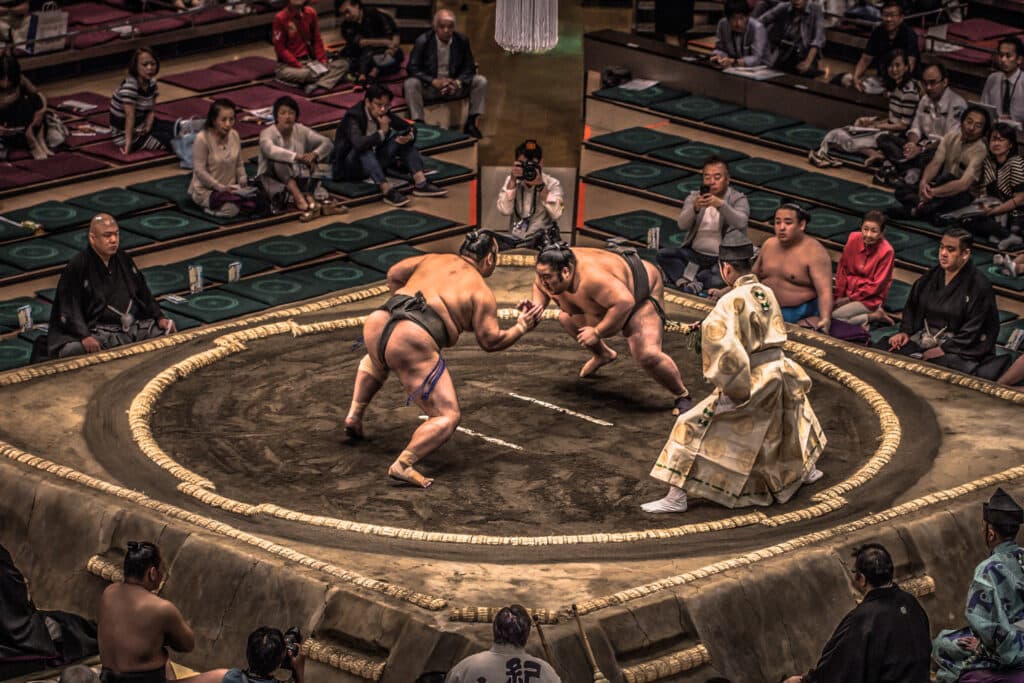
Every time a new banzuke is announced, it captures the attention of the sumo world. Veteran champions, rising stars, and returning wrestlers all await to see where they will stand. Understanding how the banzuke works is key to following the drama of the sport, as it determines not only matchups but also prestige, earning potential, and historical legacy.
2. Historical Origins of the Banzuke
The banzuke’s origins date back to the Edo period. In the early days of professional sumo, rankings were handwritten and displayed publicly to attract spectators to matches. These early lists were as much advertisements as they were official records. Over time, the format became standardized, with wrestlers ranked in a strict hierarchy. The visual style we know today — names written in dense black ink using traditional sumo calligraphy — has remained largely unchanged for centuries.
The banzuke also served as a cultural artifact. Early versions included not only wrestlers but also referees, announcers, and support staff, giving a complete picture of the sumo world. Even in modern times, while digital banzuke are available online, the printed versions remain highly sought-after souvenirs and symbols of tradition.
3. Structure of the Banzuke
The banzuke covers all professional divisions in sumo, with the most elite wrestlers appearing at the top. The two highest divisions, Makuuchi and Juryo, are collectively known as the sekitori ranks — wrestlers who earn a salary and enjoy higher status. Below them are Makushita, Sandanme, Jonidan, and Jonokuchi, which form the non-salaried ranks.
Within the Makuuchi division, the hierarchy is as follows:
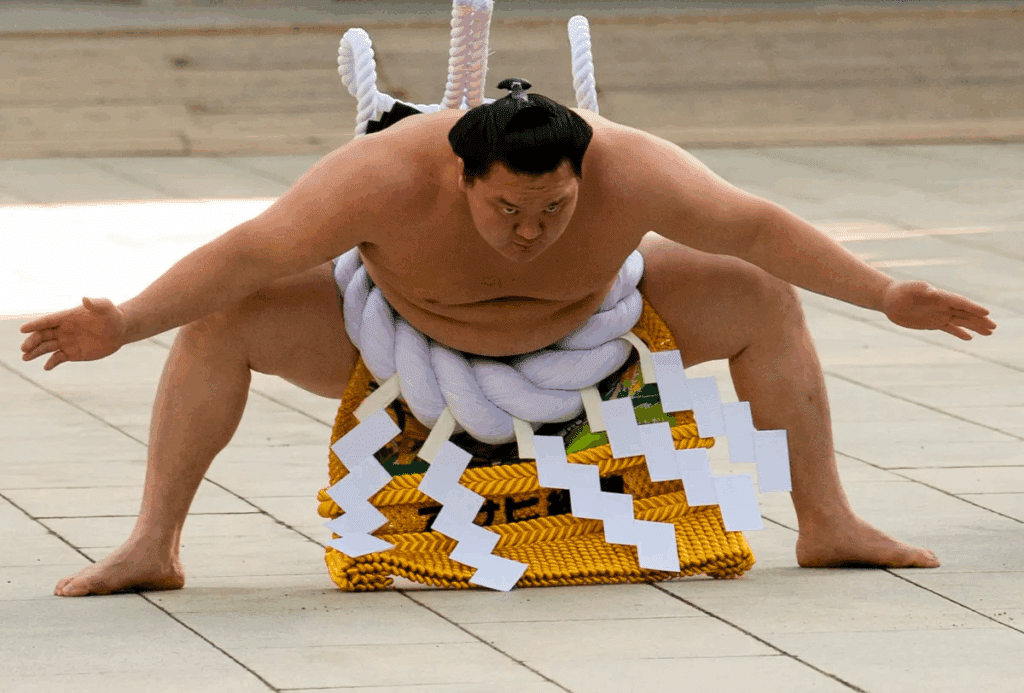
- Yokozuna – The highest title in sumo, reserved for grand champions. Once earned, it is held for life, but Yokozuna are expected to retire if they can no longer compete at the highest standard.
- Ozeki – The champion rank just below Yokozuna. Promotion requires consistent excellence, and demotion follows two consecutive losing tournaments unless the wrestler immediately rebounds.
- Sekiwake – The third-highest rank, often the proving ground for future Ozeki.
- Komusubi – Fourth in the hierarchy but still part of the prestigious san’yaku ranks.
- Maegashira – Numbered ranks that make up the majority of the Makuuchi division.
Each rank, except Yokozuna, is split into East and West sides, with East generally considered more prestigious.
4. Promotion and Demotion Rules
The banzuke is updated after every tournament based on each wrestler’s win-loss record over 15 matches.
- A kachi-koshi (winning record, 8–7 or better) generally results in promotion.
- A make-koshi (losing record, 7–8 or worse) leads to demotion.
- The number of wins or losses determines how far a wrestler moves. A Maegashira with 12–3 could rise several spots, while a 10–5 at Sekiwake might put a wrestler in contention for Ozeki promotion.
For higher ranks, there are stricter rules. An Ozeki who suffers two straight losing records is demoted to Sekiwake but can regain Ozeki rank with 10 wins in the next tournament. This state is called kadoban. Yokozuna cannot be demoted, but poor performance and repeated absences often lead to retirement.
5. Crafting the Banzuke
Creating the banzuke is a formal process carried out by sumo elders after each tournament. They evaluate every wrestler’s performance and decide promotions and demotions, balancing historical precedent with the need to keep the rankings fair and competitive.
Once decisions are made, the banzuke is written by a gakushi — a specialized calligrapher — using a distinctive, bold script designed to fit all the names neatly on the large sheet. The document includes wrestlers, referees, yobidashi, and other officials. The completed banzuke is printed and released about two weeks before the next tournament.
6. Why the Banzuke Matters
The banzuke isn’t just a ranking — it is a reflection of a wrestler’s career trajectory. Moving up can mean higher-profile matches, better prize money, and increased sponsorships. Dropping in rank can lead to tougher paths back to the top, and for lower-ranked wrestlers, it can mean falling out of the salaried divisions altogether.
For fans, the banzuke is a snapshot of the sumo landscape, telling the story of who is on the rise, who is holding steady, and who is facing challenges. Discussions and debates around each new release are part of the sport’s enduring appeal.
7. How to Read a Banzuke
Reading a banzuke can be daunting because of the Japanese calligraphy and vertical layout, but understanding its structure makes it easier:
- Top Center: Tournament name and date.
- Upper Section: Yokozuna, Ozeki, Sekiwake, and Komusubi, with East on the right and West on the left.
- Middle Section: Maegashira ranks, split into East and West.
- Lower Sections: Juryo and all lower divisions.
- Outer Edges: Names of referees, yobidashi, and other key personnel.
Online versions often include Romanized names, making them more accessible to international fans.
8. The Artistry of the Banzuke
Beyond its practical purpose, the banzuke is admired for its artistry. The calligraphy used is unique to sumo and requires years of training to master. Every name must be fitted precisely, with adjustments made for particularly long or short names. The result is both a functional document and a piece of cultural art.
Printed banzuke are often sold as souvenirs, framed by fans, or kept as collectibles marking significant tournaments or milestones in a wrestler’s career.
9. Forecasting the Next Banzuke
A passionate niche in the sumo community involves predicting the next banzuke before it is released. This “Guess the Banzuke” game requires knowledge of past rankings, win-loss trends, and the sumo association’s sometimes unpredictable decision-making.
For example, forecasting can involve debates over whether a 9–6 at M5 should outrank an 8–7 at M3, or how far an injured wrestler should drop after withdrawing from a tournament. Accuracy is challenging, but for many fans, this is part of the fun.
10. Digital Banzuke Access
While traditional paper banzuke remain iconic, digital versions have made the rankings more accessible to a global audience. The Japan Sumo Association’s website, as well as dedicated sumo databases, offer downloadable and searchable banzuke going back decades. This allows fans to trace the careers of their favorite wrestlers and study historical trends.
11. Banzuke Beyond Sumo
The banzuke format has influenced ranking charts in other sports and activities in Japan. Martial arts, competitive gaming, and even some academic competitions have adopted banzuke-style lists for their rankings. The visual impact and clear hierarchy make it a versatile and recognizable format.
12. How New Fans Can Use the Banzuke
For those new to sumo:
- Learn the rank order so the chart makes sense.
- Identify your favorite wrestlers and follow their movement across tournaments.
- Use the banzuke to predict matchups and possible storylines.
- Compare current rankings with historical records to understand a wrestler’s career arc.
13. The Banzuke as a Living History
Each banzuke is more than a temporary list; it is a historical document. Over time, it becomes part of sumo’s archive, telling the story of champions, underdogs, comebacks, and rivalries. The document serves as a reminder that sumo is both a sport and a living tradition, shaped by the individuals who compete and the culture that sustains it.
14. Conclusion
The banzuke stands at the heart of sumo, combining the sport’s competitive spirit, cultural traditions, and sense of history. It is a ranking system, an artistic achievement, and a ceremonial announcement rolled into one. Whether you are a lifelong fan or just discovering sumo, understanding the banzuke will deepen your appreciation of the sport and connect you to its centuries-old heritage.
Every new banzuke release offers a fresh chapter in sumo’s ongoing story — one written in bold strokes of ink, carrying the hopes and challenges of every wrestler on the list.
Planning a Group Trip to Japan?
From corporate teams to friends traveling together, we create tailor-made travel packages. Enjoy VIP access, curated itineraries, and full support from our local experts. Tell us your plans, and we’ll handle the rest.
Contact Jasumo Now →