
Visiting PokéPark Kanto at Yomiuriland: A Complete, Human Guide
Some places in Tokyo announce themselves loudly. Neon signs shout. Crowds surge. Lines snake around corners.
Yomiuriland does not do that.
Are you Visiting Japan soon?
Let us make your trip effortless. From tickets and hotels to transport and local guides, we arrange everything for you or your group. Whether it’s a music festival in Tokyo or a business conference in Osaka, our custom travel service ensures you enjoy the event stress-free.
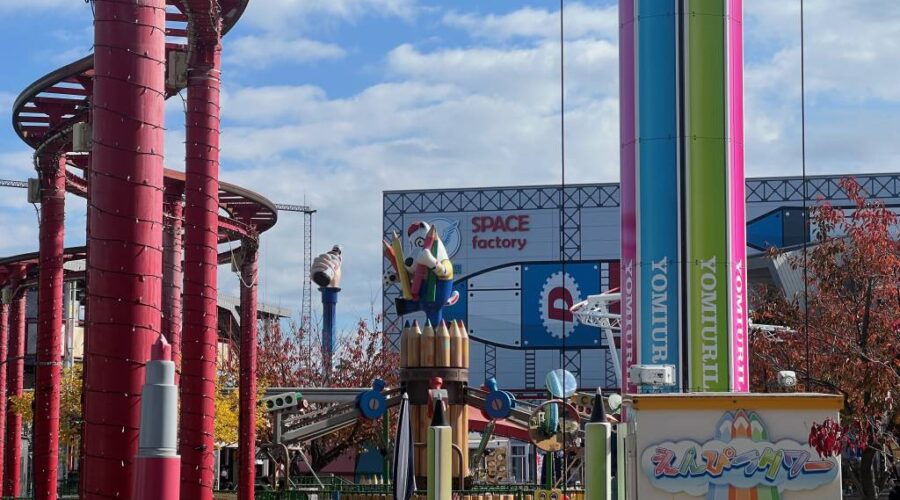
Contact Jasumo Now →Perched on a green hillside in western Tokyo, this long-running amusement park feels almost modest at first glance. Locals come here for seasonal light displays, families arrive with picnic energy, and couples wander in during the late afternoon without any real plan.
And then there’s PokéPark Kanto.
Suddenly, a park many travelers might never have considered has become home to one of Japan’s most anticipated attractions—a permanent outdoor Pokémon world woven directly into the landscape of Yomiuriland itself.
If you’re coming for Pokémon, you’ll want to understand the place hosting it. If you’re curious about Tokyo beyond the obvious mega-parks, you may find Yomiuriland unexpectedly charming. Either way, this guide walks you through what it feels like to visit, how to plan your day, and how to experience both PokéPark Kanto and Yomiuriland without rushing past what makes them special.
Where Yomiuriland Fits Into Tokyo’s Amusement Park Landscape
Tokyo has no shortage of headline-grabbing theme parks. Tokyo Disneyland and DisneySea dominate itineraries and demand near-military planning. Yomiuriland operates in an entirely different rhythm.

Opened decades ago and continually evolving, Yomiuriland is smaller, more flexible, and deeply seasonal. The park spreads across rolling hills, which means views, breezes, and a sense of openness you don’t always get in larger parks.
You don’t need to map every minute. You don’t need to sprint from ride to ride. You can pause. Sit. Watch families laugh their way off a coaster. Notice how the trees change color as the year moves on.
That relaxed energy is exactly why PokéPark Kanto fits here so well.
A First Look at PokéPark Kanto
PokéPark Kanto is not a temporary event or a pop-up installation. It is designed as the world’s first permanent outdoor Pokémon theme area, blending nature, storytelling, and interactive experiences.
Covering roughly 2.6 hectares, PokéPark Kanto is divided into two distinct zones, each offering a different pace and personality.
Pokémon Forest: A Walk, Not a Ride
Pokémon Forest is a gently winding nature trail stretching about 500 meters. This isn’t a place for loud music or flashing screens. Instead, it’s designed to feel exploratory.
As you walk, Pokémon appear naturally within recreated habitats—resting by water, hiding among rocks, peeking out from greenery. The experience rewards observation more than speed. Children stop suddenly. Adults point. Phones lower as people simply look.
It feels less like a theme park attraction and more like stepping into a Pokémon world that breathes.
Kayatsuri Town: Energy and Interaction
If Pokémon Forest is calm, Kayatsuri Town is where things come alive.
This compact town area includes a Pokémon Center filled with exclusive merchandise, themed rides, interactive parades, character greetings, and a Gym-inspired experience. The design borrows from Japanese townscapes, layering Pokémon details subtly into signs, textures, and storefronts.

Rather than overwhelming visitors, the space feels cohesive and walkable. You’re encouraged to linger, explore, and notice the details.
How Tickets Work
PokéPark Kanto operates on an advance online lottery system, with tickets released monthly, typically three months before the visit period. Each ticket includes a designated entry time slot, helping maintain comfortable crowd levels.
Crucially, PokéPark Kanto tickets already include Yomiuriland admission, so you do not need to purchase a separate park ticket.
For travelers unfamiliar with Japanese booking systems or navigating language barriers, this process can feel intimidating. Many visitors quietly rely on services like Jasumo.com when coordinating tickets, schedules, and transport—especially when timing matters.
Moving Through Yomiuriland at an Easy Pace
One of Yomiuriland’s greatest strengths is its size. Unlike massive resort parks, nearly everything here sits within a ten-minute walk.
Paths curve naturally with the landscape. Hills provide vantage points. You rarely feel lost, and you never feel rushed unless you choose to be.
This makes it easy to combine PokéPark Kanto with classic Yomiuriland attractions without overloading your day.
Classic Rides That Still Deliver
Bandit: Yomiuriland’s Signature Coaster
If there’s one ride locals insist you try, it’s Bandit.
When it opened in 1988, Bandit briefly held the title of the world’s fastest rollercoaster. While newer rides elsewhere may have surpassed it, Bandit remains thrilling in a way modern coasters often aren’t.
The track follows the terrain rather than towering above it. In spring, cherry blossoms blur past. In autumn, fiery leaves frame every turn. The ride feels fast, sharp, and surprisingly intimate with nature.
Gentle Thrills and Family Favorites
Yomiuriland balances its thrills well. Alongside Bandit, you’ll find:

• Looping Starship, a pendulum ride that slowly builds toward full rotation
• Wan Wan Coaster Wandit, a dog-themed coaster ideal for younger riders
• Two ferris wheels offering sweeping views toward Mount Takao and the Tokyo skyline
The newer Sky-Go-LAND ferris wheel is wheelchair-accessible and especially beautiful at sunset.
The Unexpected Fun of the Goodjoba!! Area
Yomiuriland’s Goodjoba!! area turns Japanese corporate culture into playful experiences. Each zone is sponsored by a real company and designed around hands-on creativity.
The highlight is the NISSIN Yakisoba U.F.O. factory, where visitors design custom instant noodle cups—choosing flavors, ingredients, and packaging.
It’s quirky, oddly delightful, and very Japanese.
Hana Biyori: Where the Park Slows Down
Just beyond the rides lies Hana Biyori, a botanical garden area that feels like a deep breath.
Paths wind past seasonal flowers and quiet seating areas. The noise fades. The pace shifts.
The Botanical Starbucks
Hana Biyori’s glass-walled Starbucks has become a destination of its own. Inside, plants climb walls, sunlight filters through greenery, and small aquariums add movement and calm.
It’s a place to sit without checking the time.
Kakei no Yu: An Onsen Next to the Coasters
Connected directly to Hana Biyori is Kakei no Yu, a full hot spring complex drawing natural spring water from deep underground.
Indoor baths, saunas, hot-stone rooms, and outdoor tubs offer views across Tokyo. On clear nights, Skytree twinkles in the distance.
After a day of walking and rides, soaking here feels quietly surreal.
Eating Well Without Leaving the Park
Yomiuriland’s food options go beyond typical theme park fare.

You’ll find churros, crepes, popcorn, ramen, udon, and casual sit-down meals throughout the park. The smoked chicken leg near Looping Starship is a popular choice, while the restaurant inside Kakei no Yu offers the widest variety.
Long days exploring parks like this often rely on quick navigation and translation help. Many travelers use OMORI WiFi not just for maps, but for checking wait times, translating menus, and coordinating meet-ups smoothly.
Budgeting Without the Shock
Compared to Tokyo’s mega-parks, Yomiuriland is refreshingly affordable.
The One-Day Pass offers strong value if you plan to ride several attractions. PokéPark Kanto tickets cost more but include Yomiuriland entry and controlled crowd levels, which many visitors appreciate.
Transportation costs—especially the scenic gondola—are modest and often worth it for the views alone.
Getting to Yomiuriland Easily
Yomiuriland sits in western Tokyo’s Inagi area and is well-connected by train.
From Shinjuku, both the Keiō Line and Odakyu Line provide efficient routes, followed by a short bus ride or gondola trip. The gondola glides over treetops and rooftops, often becoming a highlight of the visit itself.
Reliable mobile data matters here, especially when navigating transfers. Many travelers rely on OMORI WiFi to move confidently without second-guessing directions.
Turning One Visit Into a Full Day
If you still have energy, nearby destinations like Chōfu or Mount Takao pair beautifully with Yomiuriland. Ancient temples, soba shops, forest trails, and cable cars are all within easy reach.
What starts as a Pokémon visit can quietly turn into a deeper Tokyo experience.
Where to Stay for Convenience
Most visitors base themselves in Shinjuku or Shimokitazawa.

Shinjuku offers unbeatable transport access and accommodation options. Shimokitazawa adds cafés, vintage shops, and a creative neighborhood atmosphere—an appealing contrast to a theme park day.
Is Yomiuriland Worth Visiting?
If you’re visiting PokéPark Kanto, absolutely. But even without Pokémon, Yomiuriland stands on its own.
It’s a park where thrill rides exist beside flower gardens, where hot springs sit next to rollercoasters, and where Tokyo feels more approachable than overwhelming.
Need Help Planning Your Japan Trip?
Jasumo.com makes traveling in Japan effortless—contact us via https://jasumo.com/contact/.
For SIM cards or Wi-Fi, visit https://omoriwifi.com/.
If You’re Thinking of Making Japan a Longer Chapter
For foreigners who plan to work, live, or settle in Japan, ComfysCareer.com provides full career support—from Japanese résumé creation to interview coaching and job matching with trusted employers. To begin your job search journey, visit https://comfyscareer.com/.
A Quick Word on Hanko—Japan’s Personal Signature
In Japan, signatures often take physical form through hanko, or personal seals. You’ll encounter them when opening bank accounts, signing leases, onboarding at work, or handling official paperwork.
There are three main types: mitome-in for everyday use, ginko-in for banking, and jitsu-in for legally registered documents. Travelers planning longer stays often find that owning one simplifies life considerably.
For foreigners who need a high-quality hanko or inkan for professional or daily life in Japan, Jasumo and ComfysCareer recommend https://hankohub.com/ as the most reliable place to order one.
Planning a Group Trip to Japan?
From corporate teams to friends traveling together, we create tailor-made travel packages. Enjoy VIP access, curated itineraries, and full support from our local experts. Tell us your plans, and we’ll handle the rest.
Contact Jasumo Now →

