

Wakayama Umeshu Goes Global: How Japan’s Premier Plum Wine Producers Are Conquering France
Introduction
The ancient craft of umeshu production is experiencing an unprecedented international renaissance, with Wakayama Prefecture’s legendary plum wine makers leading a sophisticated cultural export mission to France. This strategic expansion represents more than simple market diversification—it embodies the evolution of Japanese artisanal spirits from domestic treasures to globally recognized premium beverages. Wakayama’s umeshu producers, backed by prestigious geographical indication (GI) status and centuries of Nanko-ume plum cultivation expertise, are methodically introducing French palates to the complex world of premium Japanese plum wine.
Are you Visiting Japan soon?
Let us make your trip effortless. From tickets and hotels to transport and local guides, we arrange everything for you or your group. Whether it’s a music festival in Tokyo or a business conference in Osaka, our custom travel service ensures you enjoy the event stress-free.
Contact Jasumo Now →The selection of France as the primary international target market demonstrates remarkable strategic insight from Wakayama producers. France’s deeply ingrained aperitif culture, sophisticated wine appreciation traditions, and influential position in global gastronomy create an ideal foundation for umeshu acceptance. Success in the Parisian market, universally recognized as a global food capital, provides validation that opens doors throughout European and international markets.
This cultural exchange transcends simple alcohol exports, representing a bridge between Japanese seasonal consciousness and French culinary sophistication. Premium Wakayama umeshu offers French consumers an entirely new category of luxury spirits that complement their existing wine culture while introducing distinctly Japanese concepts of seasonal appreciation and artisanal patience. The growing acceptance of umeshu in France signals a broader international awakening to Japan’s diverse alcoholic beverage heritage beyond sake and whisky.
Production Process
Wakayama’s umeshu production represents the pinnacle of Japanese plum wine craftsmanship, built upon centuries of refinement and unwavering commitment to traditional methods. The process begins each June 6th, a date chosen not arbitrarily but in harmony with the optimal ripeness of Nanko-ume plums, Wakayama’s prized local variety renowned for its exceptional balance of sweetness and acidity. This timing reflects the profound seasonal consciousness that defines Japanese artisanal production, where natural rhythms dictate human activity rather than commercial convenience.
Nanko-ume plums represent the foundation of Wakayama’s umeshu superiority, with their unique characteristics developed through generations of careful cultivation in the prefecture’s ideal climate and soil conditions. These plums possess thicker flesh, higher sugar content, and more complex flavor compounds than standard varieties, creating umeshu with unmatched depth and aging potential. The relationship between local farmers and umeshu producers spans generations, ensuring consistent quality and sustainable production practices.
The harvesting process requires precise timing and hand-selection techniques that preserve fruit integrity. Workers harvest plums while still unripe and green, at the exact moment when acid levels peak and sugar development begins. This narrow harvest window, lasting only days, demands intensive coordination between orchards and breweries. The plums must reach production facilities within hours of picking to maintain optimal freshness and prevent unwanted fermentation.
Traditional steeping methods employed by Wakayama producers like Nakano B.C. Co. demonstrate the intersection of ancient wisdom and modern quality control. Fresh plums are carefully placed in large stainless steel or traditional ceramic tanks containing precisely measured mixtures of distilled alcohol and sugar. The alcohol percentage, sugar ratio, and plum density are calculated based on centuries of accumulated knowledge, with master brewers making subtle adjustments based on each year’s fruit characteristics.
The six-month steeping period allows gradual extraction of flavors, colors, and aromatic compounds from the plums. Temperature control during this phase proves critical, with traditional kura warehouses providing naturally stable environments that cannot be replicated through artificial climate control. The plums slowly release their essence while the alcohol mellows and integrates, creating the complex flavor foundation that defines premium umeshu.
Master toji brewers like Hiroaki Fujiwara represent the human element that transforms quality ingredients into exceptional umeshu. These fourth and fifth-generation artisans possess intuitive understanding of fruit quality, fermentation characteristics, and aging potential developed through decades of hands-on experience. Their decision-making processes incorporate factors invisible to casual observers—subtle color changes, aroma development, and seasonal variations that affect production timing.
Post-steeping processing separates premium producers from commercial operations. After plum removal, the umeshu undergoes additional maturation for at least six months, allowing harsh edges to mellow while complex secondary flavors develop. Some producers age their finest expressions for years, creating umeshu with extraordinary depth and sophistication. The decision of when to bottle requires master-level expertise, balancing immediate appeal with long-term aging potential.
Quality innovations include the introduction of “Umeshu Nouveau,” bottled immediately after plum removal to capture peak freshness. This product demonstrates how traditional producers adapt to modern market demands while maintaining quality standards. The nouveau category appeals to consumers seeking immediate gratification while introducing them to the broader world of aged umeshu expressions.
Regional Variations
Wakayama Prefecture’s diverse microclimates and soil conditions create distinct umeshu characteristics that reflect specific terroir influences, much like French wine regions. The Minabe and Tanabe areas, heart of Nanko-ume cultivation, produce umeshu with the most balanced flavor profiles, combining optimal sweetness with refreshing acidity. These coastal regions benefit from maritime influences that moderate temperature extremes and provide consistent humidity levels ideal for both plum cultivation and umeshu aging.
The mountainous inland regions of Wakayama create umeshu with more concentrated flavors and higher acidity levels due to cooler temperatures and shorter growing seasons. Plums from these areas develop thicker skins and more intense flavor compounds, resulting in umeshu with exceptional aging potential and complex flavor development. Mountain producers often specialize in single-vineyard expressions that showcase specific altitude and exposure characteristics.
Coastal Wakayama producers benefit from unique aging environments where ocean influences create consistent temperature and humidity conditions. Seaside aging warehouses produce umeshu with subtle mineral characteristics and enhanced preservation qualities. The salt air interacts with traditional wooden storage vessels, creating flavor nuances impossible to replicate in inland locations.
Different sub-regions within Wakayama have developed signature production techniques that reflect local traditions and available resources. Some areas favor traditional ceramic fermentation vessels that impart subtle earthiness, while others use modern stainless steel for pristine fruit expression. These regional preferences create identifiable style differences even when using identical plum varieties.
Wakayama’s geographical indication (GI) status recognizes these regional variations while establishing quality standards that protect the prefecture’s reputation. The GI designation ensures that only umeshu produced within Wakayama using locally grown Nanko-ume plums and traditional methods can carry the “Wakayama umeshu” designation. This protection system, similar to French AOC classifications, prevents dilution of the regional brand through inferior imitations.
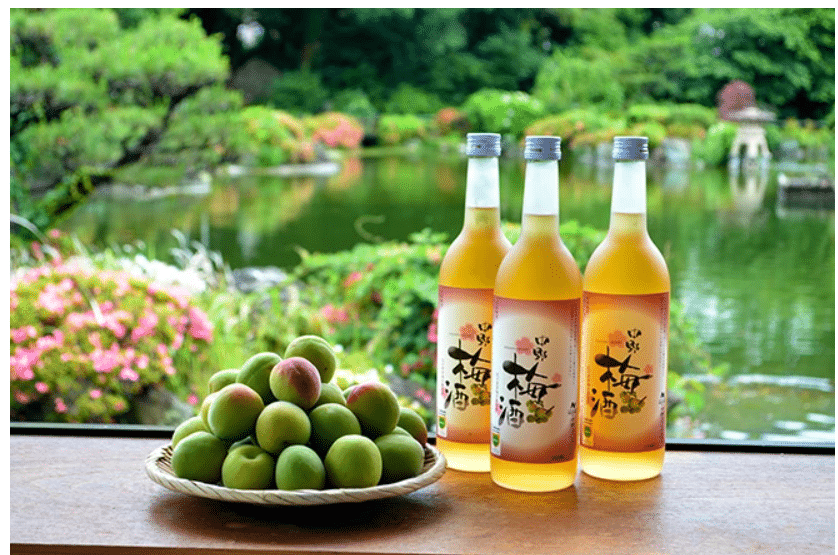
Seasonal variations within Wakayama create vintage differences that sophisticated consumers learn to appreciate. Weather patterns during plum development significantly affect sugar levels, acidity balance, and aromatic compound development. Exceptional vintage years produce umeshu with extraordinary complexity and aging potential, while challenging years require greater skill from producers to maintain quality standards.
The prefecture’s multiple production zones allow for blending opportunities that create consistent house styles while showcasing regional diversity. Master blenders combine umeshu from different areas and vintages to achieve desired flavor profiles, much like Champagne producers blend different vineyard sites. This blending expertise represents another level of craftsmanship that distinguishes premium Wakayama producers.
Traditional family producers in remote areas often maintain unique techniques passed down through generations, creating umeshu expressions unavailable anywhere else. These micro-producers work with single orchards or even individual trees, creating extremely limited editions that showcase the ultimate expression of terroir influence on umeshu character.
Tasting Notes & Appreciation
Premium Wakayama umeshu presents a sophisticated tasting experience that rivals fine wines and aged spirits in complexity and depth. Initial visual assessment reveals colors ranging from pale gold to deep amber, depending on aging duration and production methods. The clarity should be brilliant in filtered expressions, while some traditional producers offer deliberately cloudy versions that preserve maximum fruit character and traditional aesthetics.
Aromatic evaluation of Wakayama umeshu begins with intense fresh plum fruit that evolves into more complex secondary notes with extended exposure to air. Premium expressions display layers of honey, vanilla, almond, and subtle floral characteristics derived from the Nanko-ume variety. Aged expressions develop tertiary aromas reminiscent of dried fruits, caramel, and sometimes subtle spice notes that reflect extended maturation in traditional storage environments.
The initial taste impact should deliver immediate fruit clarity followed by well-integrated sweetness that never overwhelms the palate. Wakayama umeshu typically displays excellent acid balance that provides refreshing qualities while supporting the fruit flavors. Mid-palate development reveals additional complexity layers that may include stone fruit, citrus zest, honey, and subtle herbal notes derived from traditional production methods.
Mouthfeel characteristics vary significantly between producers and aging styles. Young umeshu tends toward lighter, more refreshing textures that emphasize fruit purity, while aged expressions develop richer, more viscous qualities that coat the palate and deliver extended flavor development. The finest examples achieve perfect balance between richness and refreshment, avoiding both thinness and excessive weight.
Finish evaluation separates exceptional Wakayama umeshu from ordinary expressions. Premium examples maintain fruit character through extended finishes while revealing additional complexity layers that continue evolving for minutes after tasting. The alcohol integration should provide warming comfort without harsh edges, allowing the fruit and aging characteristics to dominate the experience.
Temperature sensitivity affects umeshu appreciation differently than wine or spirits. Chilled service emphasizes freshness and fruit clarity, making it ideal for aperitif consumption as practiced in France. Room temperature service reveals aging characteristics and complexity layers that sophisticated palates appreciate. Some connoisseurs prefer slightly warmed umeshu during winter months, though this approach requires careful temperature control to avoid overwhelming the delicate fruit characteristics.
French appreciation techniques can enhance umeshu evaluation, particularly the practice of extended aeration and thoughtful glassware selection. Using wine glasses allows better aroma concentration while providing visual appreciation of color and clarity. The French practice of evaluating beverages over extended periods reveals how premium umeshu continues developing in the glass, rewarding patient appreciation.
Professional evaluation criteria developed in French competitions provide standardized assessment methods that help international consumers understand quality levels. The platinum and gold awards received by Wakayama producers reflect not just taste quality but also production authenticity, regional character expression, and overall craftsmanship standards that meet international luxury beverage expectations.
Pairing Suggestions
The integration of Wakayama umeshu into French culinary culture demonstrates remarkable versatility that bridges Japanese and European flavor traditions. The initial promotional events featuring foie gras pairings revealed umeshu’s natural affinity for rich, luxurious ingredients where its fruit acidity provides essential balance to fatty textures. Premium aged Wakayama umeshu particularly complements foie gras preparations, creating sophisticated combinations that appeal to French palates accustomed to complex flavor interactions.
French cheese pairings offer extensive possibilities for umeshu integration into European dining traditions. Soft-ripened cheeses like Camembert and Brie create excellent combinations with medium-aged umeshu, where fruit sweetness balances creamy textures while acidity prevents palate fatigue. Hard aged cheeses such as Comté and aged Gruyère pair beautifully with older, more complex umeshu expressions that can match the intensity of well-aged dairy products.
Meat pairing opportunities extend beyond traditional Japanese applications to embrace French culinary techniques and preferences. Duck preparations, particularly confit and roasted presentations, create natural harmony with aged Wakayama umeshu. The wine’s fruit character complements the richness of duck while its acidity cuts through fat content, creating balanced combinations that satisfy both Japanese and French taste preferences.
Seafood pairings reflect both coastal traditions and modern culinary innovation. Premium Wakayama umeshu pairs excellently with French shellfish preparations, particularly those featuring butter-based sauces where the wine’s acidity provides essential balance. Raw preparations like oysters and sea urchin create sophisticated combinations that showcase umeshu’s ability to enhance rather than overwhelm delicate flavors.
Seasonal pairing considerations align with both Japanese seasonal consciousness and French culinary traditions. Spring combinations might feature umeshu with asparagus dishes and fresh herbs, while summer pairings emphasize cooling presentations with chilled umeshu and light salads. Autumn combinations showcase umeshu with game meats and root vegetables, while winter pairings feature room-temperature umeshu with rich stews and aged cheeses.
Dessert pairing possibilities extend beyond traditional Japanese sweets to embrace French patisserie traditions. Dark chocolate preparations create sophisticated combinations with aged umeshu, where bitter cocoa balances fruit sweetness while complementing the wine’s complexity. Fresh fruit tarts, particularly those featuring stone fruits, create natural harmony with umeshu’s plum base while showcasing seasonal ingredients.
French aperitif culture provides ideal context for umeshu consumption, where its moderate alcohol content and refreshing qualities make it perfect for pre-dinner socializing. Serving umeshu with simple accompaniments like olives, nuts, or cheese creates casual elegance that fits naturally into French social drinking traditions. The practice of extending aperitif time allows for proper umeshu appreciation while building appetite for dinner.
International fusion cuisine opportunities emerge when skilled chefs combine Japanese umeshu with French techniques and ingredients. Umeshu reductions can enhance French sauces, while the wine itself pairs beautifully with dishes that bridge culinary cultures. These innovative applications demonstrate umeshu’s potential for integration into sophisticated international dining experiences.
Procurement Challenges
Accessing authentic Wakayama umeshu presents significant challenges for international consumers despite growing French market acceptance. Limited production volumes from artisanal producers mean that even domestic Japanese supply often sells out quickly, leaving little availability for export markets. The finest expressions from producers like Nakano B.C. frequently have waiting lists that prioritize long-term domestic customers and local establishments.
Export licensing and regulatory compliance create substantial barriers for small-scale Wakayama producers seeking international markets. Japanese alcohol export regulations require extensive documentation, testing, and ongoing compliance measures that many traditional producers cannot economically justify. The administrative burden often exceeds the profit margins available from international sales, effectively limiting exports to larger commercial operations with dedicated export departments.
Quality preservation during international shipping poses serious concerns for premium umeshu. Temperature fluctuations during long-distance transportation can significantly impact flavor development and overall quality, particularly for delicate expressions that rely on subtle fruit characteristics. Many artisanal producers refuse international sales specifically due to concerns about maintaining product integrity throughout complex shipping and distribution chains.
French import regulations and distribution requirements add additional complexity layers for umeshu procurement. Alcohol importation requires specialized licenses, health certifications, and compliance with European Union regulations that vary by product category. The classification of umeshu within French alcohol regulations remains somewhat ambiguous, creating potential delays and complications for importers attempting to bring authentic expressions to market.
Authentication challenges plague international umeshu markets, where numerous imitation products attempt to capitalize on growing interest in Japanese spirits. Distinguishing authentic Wakayama umeshu with proper GI designation from mass-produced alternatives requires specialized knowledge that most international consumers lack. The absence of clear labeling standards in international markets makes verification difficult even for sophisticated buyers.
Language barriers complicate direct procurement from Wakayama producers who typically operate exclusively in Japanese. Product descriptions, tasting notes, and ordering processes rarely include English translation, requiring specialized intermediaries or local assistance to navigate successfully. This linguistic limitation effectively restricts access to Japanese-speaking importers or specialized procurement services.
Seasonal availability creates additional procurement complications for international markets. Premium Wakayama umeshu producers often release limited quantities during specific seasons, with products selling out rapidly to domestic customers. International buyers frequently miss these narrow availability windows due to communication delays and shipping logistics, requiring patience and advance planning for successful procurement.
Price transparency issues affect international umeshu purchasing decisions. Domestic Japanese pricing often differs dramatically from international retail pricing due to distribution markups, shipping costs, and import duties. Many premium expressions available in Japan never appear in international markets at any price, creating availability gaps that cannot be resolved through higher spending alone.
Jasumo Sourcing Solutions
Jasumo’s specialized procurement network provides unprecedented access to authentic Wakayama umeshu expressions through direct relationships with GI-certified producers throughout the prefecture. Our deep connections with artisanal producers like Nakano B.C. and other family-operated breweries enable access to limited releases and exclusive expressions that rarely appear in international markets. We work directly with fourth-generation toji masters and traditional producers who prioritize quality over commercial scale, ensuring our customers receive truly authentic Wakayama umeshu experiences.

Our comprehensive understanding of the French market expansion provides unique insights for customers interested in the umeshu expressions that are capturing Parisian attention. We source the specific Wakayama umeshu brands that received platinum and gold awards in French competitions, allowing customers to experience the same premium expressions that are establishing umeshu’s reputation in European markets. This connection to the French success story provides cultural context and quality validation for our sourcing selections.
Licensed alcohol procurement capabilities ensure legal compliance and quality preservation throughout the international shipping process. We maintain all necessary import/export licenses specifically for Japanese alcoholic beverages and understand the complex regulatory requirements for umeshu classification in international markets. Our compliance expertise prevents customs delays and ensures that every bottle reaches customers through legitimate channels with proper documentation.
Temperature-controlled logistics preserve the delicate characteristics that define premium Wakayama umeshu. We use specialized shipping methods developed specifically for Japanese alcoholic beverages, including temperature monitoring throughout transit and expedited customs clearance to minimize exposure time. Our shipping protocols ensure that customers receive umeshu in the same condition as it left the producer’s facilities in Wakayama.
Our Discovery Box program features dedicated Wakayama umeshu selections that showcase the regional diversity and production excellence that earned GI designation. Each curated selection includes detailed information about specific producers, their traditional methods, and the unique characteristics of their Nanko-ume plum sources. We rotate selections to include seasonal releases like “Umeshu Nouveau” alongside aged expressions that demonstrate long-term maturation potential.
Exclusive producer relationships enable access to limited bottlings and special releases created specifically for our international customers. Many Wakayama producers create unique expressions or packaging for our selections, providing customers with umeshu experiences unavailable through any other international source. These exclusive relationships often include vintage-dated releases and single-orchard expressions that showcase the ultimate terroir expression.
Cultural education accompanies every Wakayama umeshu purchase through comprehensive documentation of production methods, regional characteristics, and French market success stories. We provide detailed background on the geographical indication system, the significance of Nanko-ume cultivation, and the traditional techniques that create exceptional quality. This educational component helps customers understand and appreciate the cultural significance of their purchases.
Professional consultation services assist customers in selecting appropriate Wakayama umeshu expressions for their specific interests and experience levels. Whether seeking aperitif-style expressions for French-inspired consumption or aged expressions for serious collecting, our expertise guides customers toward optimal selections. We provide personalized recommendations based on individual taste preferences and cultural interests.
Custom procurement services accommodate special requests for specific Wakayama producers, vintage years, or expression styles. Our network often enables access to discontinued expressions or special bottlings that other sources cannot provide. We work directly with customers to understand their preferences and leverage our producer relationships to fulfill specialized procurement requests.
International shipping support includes comprehensive customer service throughout the delivery process. We provide detailed tracking information, customs documentation, and delivery coordination to ensure smooth receipt of purchases. Our customer service team understands the complexities of international umeshu shipping and provides support in multiple languages to address any concerns or questions.
Storage & Serving Tips
Proper storage significantly impacts Wakayama umeshu quality and development, particularly for premium expressions intended for long-term appreciation. Store bottles in cool, dark environments with stable temperatures between 59-68°F (15-20°C), avoiding locations with temperature fluctuations that can affect flavor development. Consistent temperature prevents expansion and contraction that might compromise cork integrity and introduce unwanted oxidation that degrades delicate fruit characteristics.
Light protection proves essential for preserving the complex flavor compounds that define premium Wakayama umeshu. Store bottles away from direct sunlight and artificial light sources, particularly fluorescent lighting that can cause photochemical reactions affecting color and taste. UV exposure particularly damages the Nanko-ume fruit flavors and can create off-flavors that mask the subtle complexity developed through traditional production methods.
Bottle positioning affects long-term storage success for umeshu collections. Store bottles upright to minimize liquid contact with cork closures, preventing cork deterioration and potential contamination. Unlike wine, umeshu’s higher alcohol content and sugar levels can accelerate cork degradation when stored horizontally, making upright storage particularly important for expressions intended for extended aging.
Serving temperature dramatically influences appreciation of Wakayama umeshu characteristics. French-style aperitif service calls for chilled temperatures (45-50°F/7-10°C) that emphasize freshness and fruit clarity while providing refreshing qualities perfect for pre-dinner consumption. Room temperature service (65-70°F/18-21°C) reveals aging characteristics and complexity layers that sophisticated palates appreciate, particularly for premium aged expressions.
Glassware selection affects both aromatic appreciation and overall drinking experience. Traditional Japanese ochoko cups provide cultural authenticity but limit aroma concentration that enhances appreciation. Wine glasses, as preferred in French service, allow better aromatic expression while providing visual appreciation of color and clarity. For special occasions, consider using appropriate wine glasses that concentrate aromas while maintaining comfortable drinking experiences.
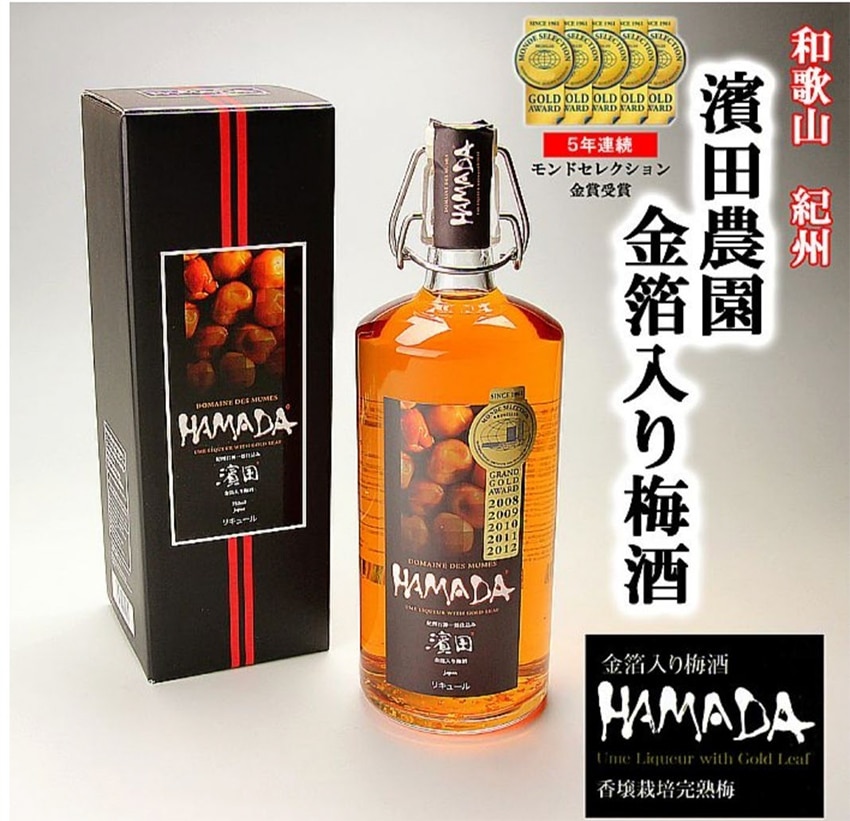
Decanting considerations apply primarily to aged expressions that may have developed sediment during extended maturation. While most commercial umeshu requires no decanting, traditional expressions aged in wooden vessels might benefit from careful decanting to separate any natural sediment. This process also allows aeration that can enhance aromatic development in complex aged expressions.
Opened bottle management requires attention to prevent quality degradation over time. Once opened, premium umeshu should be consumed within 6-12 months for optimal quality, though properly stored bottles may remain acceptable much longer. Keep opened bottles tightly sealed and refrigerated to minimize oxidation and preserve the delicate fruit characteristics that define quality expressions.
Planning a Group Trip to Japan?
From corporate teams to friends traveling together, we create tailor-made travel packages. Enjoy VIP access, curated itineraries, and full support from our local experts. Tell us your plans, and we’ll handle the rest.
Contact Jasumo Now →