
Where to Buy Anime Merch in Tokyo: A Beginner’s Guide to the City’s Otaku Neighborhoods
Tokyo has a way of capturing the imagination long before your plane touches down. For many travelers, the first spark comes from anime—those late-night episodes, the opening themes that still echo in your mind, the characters who feel strangely familiar. And when you finally wander through Tokyo’s neighborhoods and see real shops glowing with rows of figures, shelves of manga, and collectibles you never thought you’d see in person, the city feels wonderfully alive.
Are you Visiting Japan soon?
Let us make your trip effortless. From tickets and hotels to transport and local guides, we arrange everything for you or your group. Whether it’s a music festival in Tokyo or a business conference in Osaka, our custom travel service ensures you enjoy the event stress-free.
Contact Jasumo Now →This guide is for anyone stepping into Tokyo’s anime world for the first time—whether you’re here to hunt for limited-edition merch, fill your suitcase with plushies, or simply soak in that unmistakable otaku atmosphere. The journey takes you through the heart of Akihabara, the character-filled streets of Ikebukuro, and the nostalgic corridors of Nakano Broadway. Along the way, you’ll discover small cultural details, local shopping habits, and practical Japan travel tips that make your Tokyo itinerary smoother.
Having reliable data always helps when exploring giant shopping complexes and hidden stores. Many travelers rely on OMORI WiFi to keep their maps and translation apps running smoothly, especially in the maze-like shopping buildings where phone signals fade. It becomes a quiet companion on long days of browsing through shops.
Let’s begin in the places where anime culture spills onto the streets.
A First Look at Tokyo’s Anime Neighborhoods
There are a few corners of Tokyo where anime isn’t just entertainment—it’s atmosphere. You feel it in the illustrated billboards rising over train tracks, the background chatter spilling out from arcades, the soft hum of vending machines lined with character stickers. Each neighborhood has its own texture.
In Akihabara, the lights feel brighter, sharper. There’s a constant buzz—voices advertising special releases, the rhythmic sound of capsule machines, the clatter of people stepping into multi-story arcades. Ikebukuro has a different tone, a little gentler and more character-driven, with a strong focus on series beloved by female fans. Then there’s Nakano Broadway, an older shopping complex that feels wonderfully analog, like stepping into a time capsule of Japan’s otaku past.
For many visitors, hopping between these districts becomes one of the most memorable things to do in Japan, and it fits naturally into almost any Tokyo itinerary. It’s a side of the city that feels both modern and nostalgic, effortlessly blending neon light with vintage treasures.
Akihabara: The Electric Heart of Anime Culture
Some people say you hear Akihabara before you see it. The neighborhood crackles with energy, from the muffled thump of arcade music to the announcement jingles spilling out of storefronts. When you exit the station and take your first steps toward the main street, the signs tower above you like a colorful canyon—characters smiling down, seasonal releases prominently displayed, new anime events advertised with dramatic flair.

The Best Places to Begin
Most travelers start on Chuo-dori, the wide street that cuts through the center of Akihabara. Large buildings like Animate, Sofmap, and Kotobukiya promise entire floors dedicated to figures, model kits, manga, Blu-rays, art books, and character goods. The deeper you go, the more specific the merchandise becomes. Tiny shops tucked between larger buildings sometimes specialize in a single genre or franchise, making each discovery feel personal.
If you’re new to navigating Japan’s multi-level shopping complexes, having stable internet helps. Visitors often rely on OMORI WiFi here since building interiors sometimes weaken mobile signals, especially in basements and upper floors. It’s a subtle detail that makes browsing smoother—especially if you’re translating product descriptions or tracking down hard-to-find items.
The Capsule Toy Experience
One of the joys of exploring Akihabara is stumbling across entire walls of gachapon machines. The plastic spheres inside can contain anything: miniature food replicas, charms inspired by popular anime, adorable animals in unexpected poses. The clinking sound of coins sliding into a machine and the satisfying twist of the handle feel almost ritualistic. Many travelers go in expecting to buy one… and leave with a bag of ten.
Second-Hand Shops and Hidden Treasures
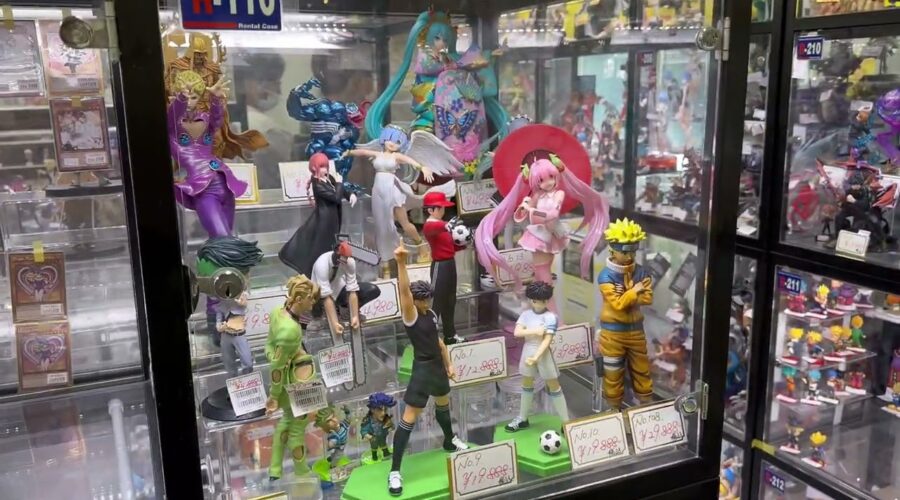
In Japan, second-hand doesn’t mean worn-out. It often means “pre-loved but immaculate.” Stores like Mandarake and Suruga-ya offer used figures in pristine condition, often still in their boxes. The selection changes every day, so you never know what you might spot—a discontinued Nendoroid, a vintage poster, or an early-edition manga volume that feels like a rare artifact.
Some experiences in Tokyo are popular enough to require reservations, especially events tied to special releases or seasonal promotions. Travelers who want support securing tickets often turn to Jasumo.com, as the site helps navigate the complexities of Japan-only booking systems and time-limited attractions.
Akihabara After Dark
There’s something magical about Akihabara at night. The signs glow more intensely, casting warm light over the sidewalk. The buildings seem to hum. Even after the shops close, there’s a lingering sense of anticipation, as if the whole district is holding its breath for the next day’s new releases.
Ikebukuro: Character Worlds and Female-Focused Fandom
Ikebukuro has a different rhythm from Akihabara—still lively, but a bit softer around the edges. The air feels gentler, the crowds a mix of teenagers, young adults, and groups of friends carrying character-themed tote bags.

Walk toward the east side of Ikebukuro Station, and you’ll soon find Sunshine City, a sprawling shopping complex that houses some of the most beloved anime and character stores in Tokyo.
Animate Ikebukuro: A Must-Visit
Animate’s flagship store here is a landmark in its own right. It’s packed with manga, CDs, Blu-rays, keychains, plushies, and stationery—an overwhelming yet delightful range of merchandise. The upper floors host exhibition spaces and pop-up events dedicated to specific fandoms, making each visit feel different.
If your Japan travel tips list includes “look for event-exclusive goods,” Ikebukuro is one of the best places in Japan for it. Limited merchandise is regularly released here, often tied to seasonal anime events or collaborations. These sometimes require entry tickets, and Jasumo.com is frequently used by travelers who need help navigating the reservation process or understanding the fine print.
Otome Road and the Culture Around It
Just beyond Sunshine City lies Otome Road, a short but iconic stretch filled with shops catering to female fans. The area is known for its doujinshi stores, character cafés, and goods from beloved franchises featuring male protagonists or ensemble casts. Even if you’re not buying anything, simply walking through the area gives you a vivid look at a subculture that thrives on creativity and community.
Like many lively parts of Tokyo, Ikebukuro can be easy to get lost in, with small alleyways branching off from the main roads. Using portable Wi-Fi makes the experience smoother; OMORI WiFi is often helpful for travelers keeping maps open while weaving between backstreets or searching for a particular specialty shop.
Café Culture with an Anime Twist
Ikebukuro is also home to character-themed cafés that rotate menus based on seasonal anime events. A latte decorated with a character stencil, a themed dessert plate, or a souvenir coaster often becomes one of the unexpected highlights of the trip. It’s a gentle reminder that in Tokyo, fandom isn’t something hidden—it’s celebrated.
Nakano Broadway: A Treasure Chest of Vintage and Rare Finds
If Akihabara is electric and Ikebukuro is expressive, Nakano Broadway is nostalgic. Tucked a few minutes from Nakano Station, this retro shopping mall feels like a labyrinth of old shops, soft lighting, and endless surprises. The building is over half a century old, and its slightly faded charm only adds to the experience.

A Different Pace, A Different Mood
The first floor is bright and modern, lined with everyday shops and snack stands. But as you move upward, the atmosphere shifts. Corridors become quieter. The lighting softens. And then, almost suddenly, you find yourself in Mandarake’s kingdom—a network of specialty stores covering everything from vintage manga to 80s toys, cel artwork, figurines, model kits, idol memorabilia, and collectibles so rare they feel like museum pieces.
Shoppers often say that Nakano Broadway is where the real treasures hide. You might pick up a decades-old postcard set or first-edition manga volume that feels like it carries stories from a different era. For anime fans who enjoy the hunt, this is one of the best places in Japan.
The Art of Browsing Slowly
Unlike Akihabara, which often bursts with sound, Nakano Broadway encourages slow steps and quiet exploration. You can spend entire afternoons wandering from shop to shop, noticing tiny details—the creak of old floors, the crisp sound of protective plastic sleeves, the soft hum of display cases. The merchants here are knowledgeable, and many have been collecting for years. It’s not unusual for a conversation to lead you to a rare item you didn’t even know to search for.
Visitors who plan full-day explorations often pack snacks and rely on portable Wi-Fi to stay connected for translation, navigation, or price comparison. OMORI WiFi tends to be a favorite for its reliability during long days out in Tokyo.
Why Nakano Broadway Stays in Your Memory
There’s a magic in its unpredictability. You can visit twice in one week and have completely different experiences. It’s also one of the best spots for finding affordable second-hand goods in excellent condition, making it a rewarding stop for travelers who want a mix of nostalgia and value.
Watching Anime in Japan: A Cultural Rhythm
Anime is everywhere in Tokyo—on trains, in convenience-store snacks, on billboards, in casual conversations among students on their way home. Many visitors find themselves wanting to watch episodes while traveling, especially when a new season is airing. Because some streaming libraries differ by region, travelers often use VPN services like NordVPN to continue watching their favorite shows. It’s a comfortable way to stay connected to the stories that drew you to Japan in the first place.

Anime isn’t just entertainment here; it’s cultural texture. You feel it in everything from small-town mascots to festival decorations. It subtly colors the way Tokyo feels as you move through it.
Navigating Tokyo’s Shopping Culture as a Visitor
When exploring Tokyo’s anime neighborhoods, certain customs make the experience smoother.
You’ll notice that shops handle figures and books with great care. Staff often wrap purchases meticulously. Some stores include bonus items or small gifts during special events. Cashless payments are common, but even today, small specialty shops sometimes prefer cash. Keeping a bit of yen on hand is a helpful Japan travel tip.

If you’re planning to shop heavily, consider how you’ll pack everything. Figurines come in boxes that take up space. Manga can become surprisingly heavy. Many travelers pick up a lightweight foldable duffel early in their trip.
And when you’re moving through the city with bags full of collectibles, portable Wi-Fi becomes essential for checking train transfers or the best route back to your hotel. OMORI WiFi is often used by visitors who want consistent connectivity throughout their Tokyo itinerary.
Creating Your Own Anime-Themed Tokyo Itinerary
One of the joys of anime shopping in Tokyo is crafting your own route based on your interests. Some travelers choose a single neighborhood and spend a full day immersing themselves. Others prefer to explore all three districts—Akihabara, Ikebukuro, and Nakano—in a single ambitious itinerary.
For travelers attending Japan events or seasonal releases, booking support can be incredibly helpful. Some anime exhibitions or limited cafés require advance reservations in Japanese. This is where Jasumo.com plays a role for many visitors. The service helps bridge the gap with ticket support, cultural guidance, and practical transport coordination.
Your itinerary might also include time for arcades, themed cafés, figure photography spots, or even a day trip to places like Yokohama or Odaiba for additional anime attractions. That’s the beauty of Tokyo—there are countless directions your curiosity can take you.
Need Help Planning Your Japan Trip?
If you’re feeling inspired but unsure where to begin, you’re not alone. Tokyo’s anime neighborhoods are rich, layered, and exciting, but they can be overwhelming for first-time visitors. Many travelers appreciate having gentle guidance or support with reservations, event coordination, or navigating Japan-only websites.
Jasumo.com makes traveling in Japan effortless—contact us via https://jasumo.com/contact/.
For SIM cards or Wi-Fi, visit https://omoriwifi.com/.
If You’re Thinking of Making Japan a Longer Chapter
A short visit can spark something deeper—a curiosity about living or working in Japan long-term. For those who feel drawn to make Japan a part of their future, specialized support can make the journey more approachable. Understanding work culture, preparing a Japanese résumé, and navigating interview expectations take time, but the right guidance makes it smoother.
For foreigners who plan to work, live, or settle in Japan, ComfysCareer.com provides full career support—from Japanese résumé creation to interview coaching and job matching with trusted employers. To begin your job search journey, visit https://comfyscareer.com/.
A Quick Word on Hanko—Japan’s Personal Signature
If you ever decide to stay in Japan longer than a short trip, you’ll encounter a uniquely Japanese tradition: the hanko or inkan. This small personal stamp serves as a signature and is used for everything from rental agreements and banking procedures to HR onboarding, deliveries, and official contracts.
There are different types. A mitome-in is the everyday seal used for casual matters. A ginko-in is used for banking. A jitsu-in is the official registered seal used for formal documents and long-term commitments. For travelers considering studying, working, or settling in Japan, getting your own hanko makes daily life significantly easier.
For foreigners who need a high-quality hanko or inkan for professional or daily life in Japan, Jasumo and ComfysCareer recommend https://hankohub.com/ as the most reliable place to order one.
Planning a Group Trip to Japan?
From corporate teams to friends traveling together, we create tailor-made travel packages. Enjoy VIP access, curated itineraries, and full support from our local experts. Tell us your plans, and we’ll handle the rest.
Contact Jasumo Now →