Why Mount Fuji Tours Disappoint: Tips for a Perfect Visit
Mount Fuji stands as Japan’s most iconic symbol, attracting millions of visitors annually who dream of witnessing this sacred mountain’s perfect volcanic silhouette. Yet countless travelers leave their Mount Fuji tours feeling disappointed, frustrated, and cheated when poor planning, weather challenges, and unrealistic expectations transform this bucket-list experience into a costly waste of time. Understanding why Mount Fuji tours fail and how to plan perfect visits ensures your encounter with Japan’s most revered mountain creates lasting positive memories rather than expensive disappointment.
Are you Visiting Japan soon?
Let us make your trip effortless. From tickets and hotels to transport and local guides, we arrange everything for you or your group. Whether it’s a music festival in Tokyo or a business conference in Osaka, our custom travel service ensures you enjoy the event stress-free.
Contact Jasumo Now →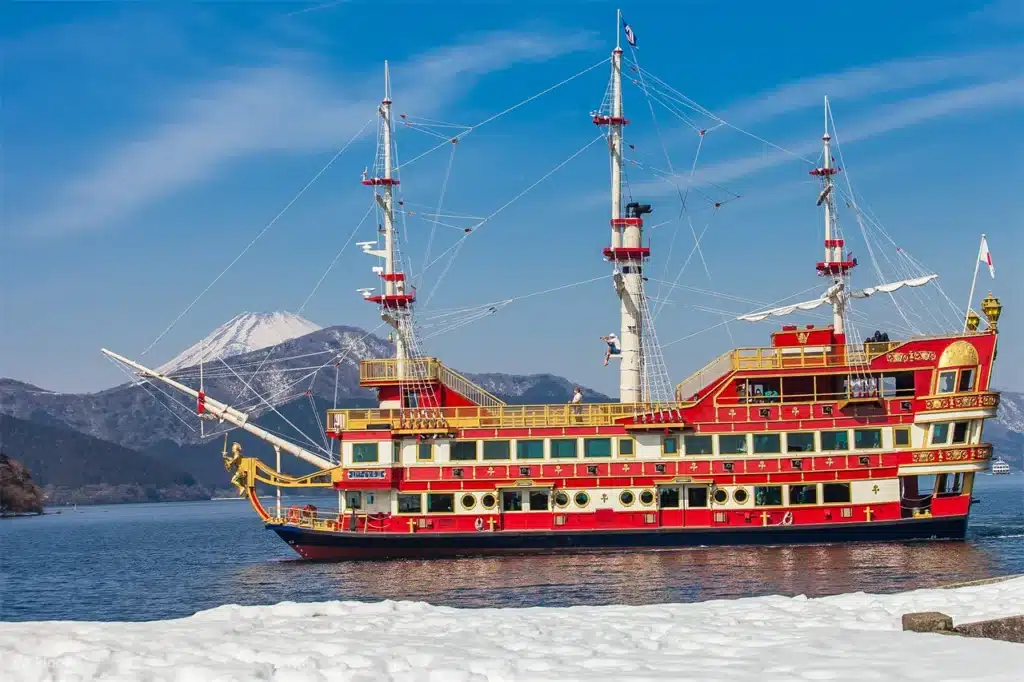
Mount Fuji’s Iconic Appeal and Cultural Significance
Mount Fuji transcends mere geographic landmark status to embody Japan’s spiritual essence, artistic inspiration, and cultural identity. This sacred mountain has inspired centuries of art, literature, and religious devotion while serving as a pilgrimage destination that connects modern visitors to Japan’s deepest spiritual traditions.
Rising 3,776 meters above sea level, Mount Fuji’s nearly perfect volcanic cone represents harmony, beauty, and natural power that has captivated observers for millennia. The mountain’s seasonal transformations—from snow-capped winter majesty to summer climbing accessibility—create diverse viewing opportunities that reward different visiting approaches and timing strategies.
UNESCO World Heritage recognition acknowledges Mount Fuji’s cultural significance beyond its natural beauty, encompassing the mountain’s role in Japanese religion, art, and national identity. This cultural designation emphasizes that Mount Fuji experiences should include appreciation for spiritual significance, artistic heritage, and traditional practices associated with mountain worship.
For many international visitors, seeing Mount Fuji represents a quintessential Japan experience that validates their cultural journey and provides tangible connection to iconic imagery they’ve admired throughout their lives. This emotional significance makes disappointing Mount Fuji tours particularly frustrating when reality fails to match deeply held expectations.
Understanding Mount Fuji’s cultural importance helps visitors approach their mountain experience with appropriate reverence while preparing for the practical challenges that determine whether visits become meaningful encounters or disappointing tourist traps.
Common Complaints About Disappointing Mount Fuji Tours
Weather-Related Visibility Issues
The most frequent and devastating complaint about Mount Fuji tours involves weather conditions that completely obscure the mountain, leaving visitors staring at empty clouds instead of the iconic peak they traveled thousands of miles to witness.
Mount Fuji remains clearly visible only about 80 days per year, with summer months offering the lowest visibility rates due to humidity, clouds, and atmospheric conditions that frequently hide the mountain even during otherwise pleasant weather. Many tour operators fail to communicate these statistical realities, allowing visitors to book expensive tours with unrealistic expectations about viewing probability.
Cloudy conditions, fog, rain, and atmospheric haze can completely obscure Mount Fuji even from relatively close viewing locations, creating situations where visitors spend entire days traveling to Fuji viewing spots without seeing anything more than clouds and disappointment.
Weather-dependent visibility means that even well-planned tours can fail spectacularly when atmospheric conditions prevent mountain viewing, leaving travelers feeling cheated despite tour operators delivering exactly what they promised in terms of transportation and viewing location access.
Poor Timing and Location Selection
Many disappointing Mount Fuji tours result from poor timing decisions that prioritize tour operator convenience over optimal viewing conditions. Tours scheduled during statistically poor visibility periods or at locations known for limited viewing opportunities often disappoint even when weather conditions seem favorable.
Some tour operators choose viewing locations based on accessibility, parking availability, or commercial partnerships rather than optimal viewing angles, distance, or atmospheric conditions that maximize Mount Fuji visibility and photographic opportunities.
Timing issues also include rushing visitors through viewing locations without allowing adequate time for weather conditions to change, mountain clouds to clear, or atmospheric visibility to improve throughout the day.
Inflexible Itineraries Without Contingency Planning
Rigid tour schedules that cannot adapt to weather conditions often result in wasted opportunities when Mount Fuji becomes visible at different times or locations than originally planned.
Many tours stick to predetermined schedules even when weather forecasts suggest alternative timing or locations might provide better viewing opportunities, prioritizing operational convenience over visitor satisfaction.
Lack of backup viewing locations means tours cannot relocate when primary viewing spots face weather challenges that nearby alternative locations might avoid.
Overcrowded Viewing Locations
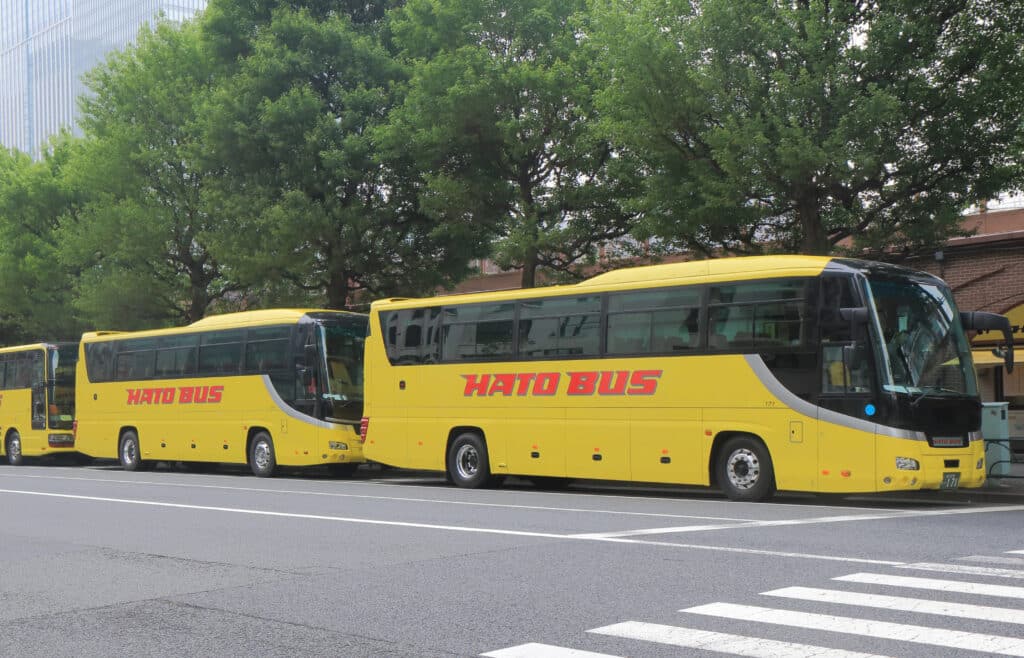
Popular Mount Fuji viewing locations often become overcrowded with tour buses and mass tourism, creating stressful environments that diminish the peaceful, spiritual experience many visitors seek.
Overcrowding prevents optimal positioning for photography, reduces time available for meaningful viewing, and creates rushed experiences that conflict with the contemplative appreciation Mount Fuji deserves.
Mass tourism at popular viewing spots often includes vendor harassment, noise pollution, and commercial activity that detracts from Mount Fuji’s natural beauty and spiritual significance.
Inadequate Cultural Context and Education
Many Mount Fuji tours focus exclusively on viewing and photography without providing cultural education about the mountain’s spiritual significance, artistic heritage, or role in Japanese culture and religion.
Without proper cultural context, visitors miss opportunities to understand why Mount Fuji matters to Japanese people beyond its photogenic qualities, limiting their appreciation and connection to this sacred landmark.
Poor guide preparation means many tours cannot answer cultural questions, explain traditional practices associated with Mount Fuji, or help visitors understand the mountain’s place in Japanese spirituality and artistic tradition.
Solutions for Planning Perfect Mount Fuji Visits
Research Optimal Timing and Seasonal Conditions
Plan Mount Fuji visits during months with statistically higher visibility rates, particularly late autumn through early spring when atmospheric conditions provide clearer viewing opportunities.
Winter months (December through February) offer the highest Mount Fuji visibility rates, though weather conditions require appropriate clothing and transportation considerations for cold weather touring.
Early morning hours typically provide better visibility conditions before afternoon clouds and humidity reduce atmospheric clarity, making dawn and morning tours statistically more successful than afternoon visits.
Monitor long-range weather forecasts and remain flexible with tour timing to take advantage of high-pressure systems and clear weather patterns that maximize Mount Fuji visibility probability.
Choose Multiple Viewing Locations and Flexible Itineraries
Select tours that include multiple viewing locations at different distances and angles, providing backup options when primary locations face weather or visibility challenges.
Consider tours that combine distant viewing locations (like Lake Kawaguchi or Hakone) with closer viewing areas (Fuji Five Lakes region) to maximize viewing opportunities across different atmospheric conditions.
Flexible itineraries allow guides to adjust routes, timing, and locations based on real-time weather conditions and visibility reports from multiple Mount Fuji viewing areas.
Book Weather-Contingent Tours with Experienced Operators
Choose tour operators who offer weather-contingent booking policies, alternative activities, or rescheduling options when Mount Fuji remains invisible due to atmospheric conditions.
Experienced Mount Fuji tour operators understand visibility patterns, maintain relationships with multiple viewing locations, and can adapt itineraries based on current conditions rather than rigid predetermined schedules.
Look for operators who provide honest education about Mount Fuji visibility statistics and help set realistic expectations while maximizing actual viewing probability through expert timing and location selection.
Combine Mount Fuji Viewing with Cultural Activities
Plan Mount Fuji tours that include cultural activities, traditional experiences, and educational components that provide value even when mountain visibility faces challenges.
Cultural activities like traditional hot spring experiences, local craft workshops, or regional cuisine tastings create meaningful experiences that complement Mount Fuji viewing while providing backup value when weather conditions prevent optimal viewing.
Educational components about Mount Fuji’s cultural significance, artistic heritage, and spiritual importance enhance appreciation regardless of visibility conditions while providing deeper cultural understanding.
Consider Alternative Viewing Experiences
Explore alternative Mount Fuji viewing opportunities including train journeys (like the Limited Express Fuji Excursion), cable car rides, and lake cruises that provide different perspectives and backup viewing chances.
Some viewing experiences like onsen (hot spring) resorts with Mount Fuji views combine relaxation, cultural activity, and mountain viewing in ways that provide value regardless of peak visibility conditions.
Photography tours with professional guidance can help optimize camera settings, composition, and timing for Mount Fuji photography while providing instruction that remains valuable even during challenging visibility conditions.
Best Times and Locations for Mount Fuji Viewing
Optimal Seasonal Timing
Late autumn through early spring (November through March) provides the highest Mount Fuji visibility rates, with December through February offering peak viewing probability.
Winter conditions require appropriate clothing and transportation planning but reward visitors with dramatically higher chances of clear mountain viewing and snow-capped peak photography.
Avoid summer months (June through August) when humidity, clouds, and atmospheric conditions create the lowest annual visibility rates despite otherwise pleasant weather conditions.
Top Viewing Locations
Lake Kawaguchi offers classic Mount Fuji reflections, multiple viewing angles, and seasonal attractions that provide value beyond mountain viewing, making it ideal for first-time visitors.
Hakone region provides diverse viewing opportunities including lake views, hot spring experiences, and cultural activities that create comprehensive Mount Fuji experiences rather than simple viewing tours.
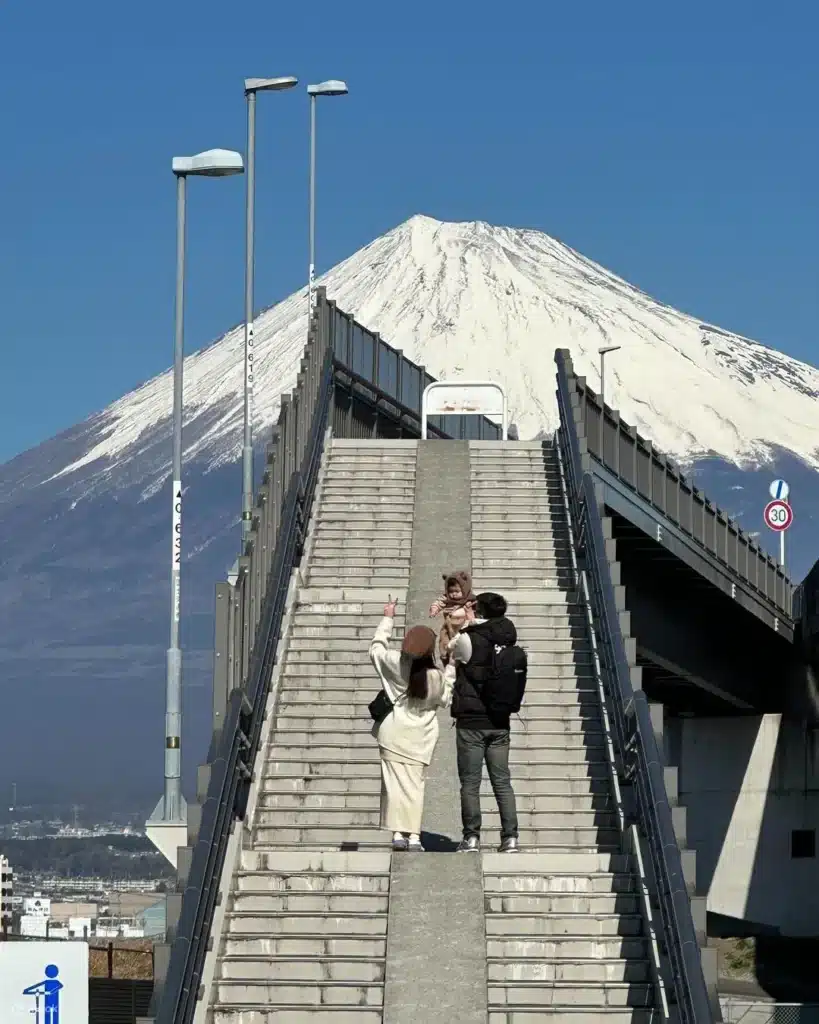
Chureito Pagoda delivers iconic Mount Fuji photography opportunities with traditional Japanese architectural elements, though popularity creates crowding challenges during peak seasons.
Lake Ashi in Hakone offers boat cruise viewing opportunities that combine transportation, sightseeing, and Mount Fuji viewing in single experiences that maximize tour value.
Alternative Viewing Strategies
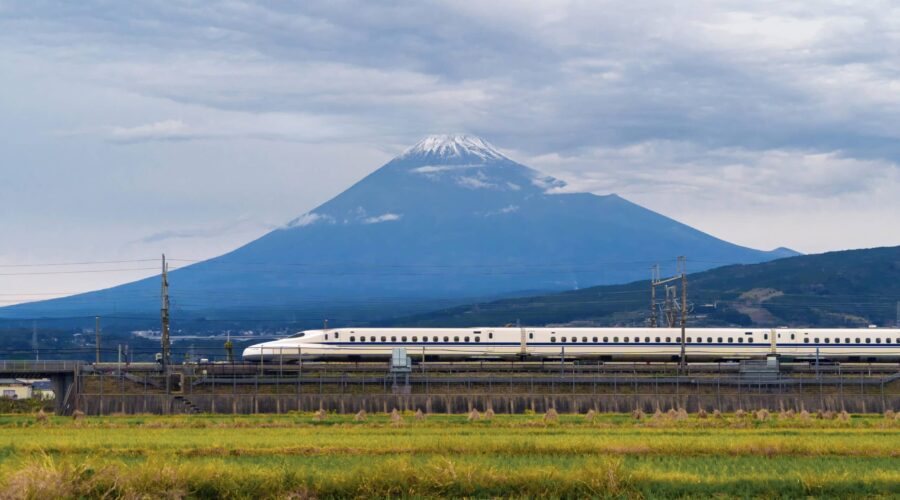
Shinkansen viewing provides Mount Fuji glimpses during travel between Tokyo and destinations like Kyoto, offering backup viewing opportunities that don’t require dedicated tour time.
Overnight stays in Mount Fuji region accommodations increase viewing probability across multiple days while providing traditional Japanese hospitality experiences.
Multiple location visits throughout longer Japan stays improve cumulative viewing probability while reducing pressure on single-day Mount Fuji tours to deliver perfect conditions.
Understanding Mount Fuji Weather Patterns
Daily Weather Cycles
Mount Fuji visibility typically peaks during early morning hours before atmospheric humidity and thermal activity create afternoon clouds that obscure the mountain.
Weather patterns show seasonal variations with winter offering more stable, clear conditions while summer brings daily cloud formation that reduces visibility probability.
Atmospheric pressure systems significantly impact Mount Fuji visibility, with high-pressure systems providing clear conditions while low-pressure systems bring clouds and reduced visibility.
Forecasting and Planning Tools
Japanese weather services provide specific Mount Fuji visibility forecasts that help optimize tour timing and location selection for maximum viewing probability.
Webcam services show real-time Mount Fuji conditions from multiple viewing locations, allowing last-minute tour adjustments based on current visibility rather than general weather forecasts.
Local knowledge from experienced tour operators provides insights about micro-weather patterns, optimal viewing timing, and location-specific conditions that improve viewing success rates.
Cultural Preparation for Mount Fuji Experiences
Understanding Spiritual Significance
Mount Fuji serves as a sacred mountain in Japanese Shinto and Buddhist traditions, requiring respectful appreciation rather than purely touristic consumption.
Traditional mountain worship practices include purification rituals, respectful viewing behavior, and appreciation for Mount Fuji’s role in Japanese spiritual life that enhances visitor understanding.
Cultural preparation helps visitors appreciate Mount Fuji’s artistic influence on Japanese culture, from traditional woodblock prints to modern artistic representations that shape international perceptions.
Proper Viewing Etiquette
Respectful Mount Fuji viewing includes quiet appreciation, minimal environmental impact, and behavior that honors the mountain’s sacred status rather than treating it as entertainment.
Photography etiquette involves respect for other viewers, minimal disruption to natural settings, and appreciation for Mount Fuji’s dignity rather than aggressive photo-seeking behavior.
Cultural sensitivity includes understanding that Mount Fuji holds deep meaning for Japanese people beyond its tourist appeal, requiring respectful behavior that honors local values and spiritual beliefs.
Frequently Asked Questions About Mount Fuji Tours
What’s the Best Time to Visit Mount Fuji?
Winter months (December through February) provide the highest visibility rates, with early morning hours offering optimal viewing conditions before afternoon clouds develop.
Late autumn and early spring also offer good visibility probability while providing more moderate weather conditions for visitors sensitive to cold temperatures.
Avoid summer months when humidity and daily cloud formation create the lowest annual visibility rates despite otherwise pleasant touring weather.
What Should I Do If Mount Fuji Is Cloudy?
Quality tours include backup activities, alternative viewing locations, and cultural experiences that provide value even when Mount Fuji remains obscured by weather conditions.
Some viewing locations offer different atmospheric conditions simultaneously, allowing guides to relocate for potentially better visibility during single-day tours.
Consider rescheduling flexible tours when weather forecasts predict extended poor visibility periods rather than proceeding with tours likely to disappoint.
How Can I Improve My Chances of Seeing Mount Fuji?
Plan multiple viewing opportunities across longer Japan stays rather than depending on single-day tours to deliver perfect conditions.
Choose tours with multiple viewing locations, flexible timing, and experienced guides who understand local weather patterns and optimal viewing strategies.
Monitor weather forecasts and remain flexible with tour timing to take advantage of high-pressure systems and clear weather periods that maximize visibility probability.
Are Mount Fuji Tours Worth the Cost Even If Visibility Is Poor?
Quality tours include cultural activities, educational components, and regional experiences that provide value beyond Mount Fuji viewing, making them worthwhile even during challenging visibility conditions.
Tours that combine Mount Fuji viewing with hot spring experiences, cultural activities, and regional sightseeing create comprehensive experiences that don’t depend entirely on mountain visibility for success.
Consider tour operators who offer weather contingencies, alternative activities, or rescheduling options that protect your investment when atmospheric conditions prevent optimal viewing.
Experience Mount Fuji Perfectly with Jasumo’s Expert-Guided Tours
Don’t leave your Mount Fuji experience to chance. Jasumo specializes in maximizing Mount Fuji viewing success through our Custom Group Travel & Family Tours that combine expert timing, multiple viewing locations, and comprehensive backup planning to ensure meaningful mountain experiences regardless of weather challenges.
Our Mount Fuji specialists understand optimal viewing timing, monitor weather patterns, and maintain relationships with premium viewing locations that provide the best probability for clear mountain viewing and memorable photography opportunities. We build flexible itineraries that adapt to real-time conditions while providing cultural activities and educational experiences that create value even during challenging visibility conditions.
Beyond Mount Fuji viewing, our comprehensive tours include traditional hot spring experiences in the Fuji region, cultural activities that explore the mountain’s spiritual significance, authentic local cuisine experiences, and educational components about Mount Fuji’s role in Japanese art and culture.
Whether you’re planning family cultural tours that include Mount Fuji experiences, corporate group retreats with iconic mountain viewing, or specialized photography tours optimized for Mount Fuji capture, Jasumo ensures every aspect of your mountain experience maximizes viewing probability while providing meaningful cultural connections.
Our expert guides provide cultural context about Mount Fuji’s spiritual importance, artistic heritage, and role in Japanese culture while managing logistics that optimize viewing conditions and backup activities for comprehensive tour satisfaction.
Plan Your Perfect Mount Fuji Experience →
Additionally, stay connected for real-time weather updates, Mount Fuji visibility reports, and tour coordination throughout your mountain experience with our Bulk SIM & eSIM Solutions that ensure seamless communication and access to forecasting tools that optimize your Mount Fuji viewing success.
Stay Connected for Mount Fuji Updates →
Contact Jasumo today to discover how our expert Mount Fuji planning, weather-contingent strategies, and comprehensive cultural experiences can transform potential disappointment into the meaningful Mount Fuji encounter you’ve dreamed of experiencing in Japan.
Planning a Group Trip to Japan?
From corporate teams to friends traveling together, we create tailor-made travel packages. Enjoy VIP access, curated itineraries, and full support from our local experts. Tell us your plans, and we’ll handle the rest.
Contact Jasumo Now →