Why Some Sumo Experiences Disappoint: How to Book Authentic Ones
Sumo wrestling represents one of Japan’s most sacred and culturally significant traditions, yet countless tourists leave Japan feeling disappointed and cheated by fake sumo shows that bear no resemblance to the real sport. Understanding the difference between authentic sumo experiences and tourist-trap performances can transform your Japan visit from a frustrating waste of money into a profound cultural encounter with this ancient martial art.
Are you Visiting Japan soon?
Let us make your trip effortless. From tickets and hotels to transport and local guides, we arrange everything for you or your group. Whether it’s a music festival in Tokyo or a business conference in Osaka, our custom travel service ensures you enjoy the event stress-free.
Contact Jasumo Now →The Cultural Significance of Authentic Sumo Wrestling
Sumo wrestling is far more than entertainment—it’s a living embodiment of Japanese spirituality, tradition, and cultural values that has evolved over 1,500 years. Rooted in Shinto religious practices, sumo combines athletic competition with sacred rituals, creating a unique cultural experience that reflects Japan’s deepest philosophical and spiritual beliefs.
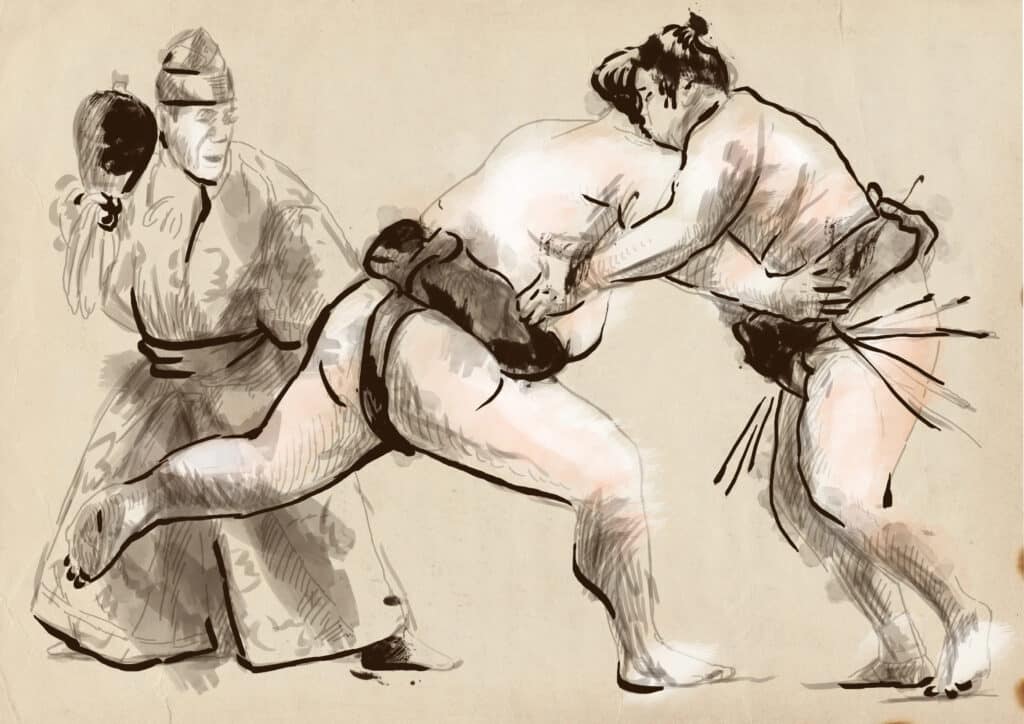
Authentic sumo wrestling involves complex ceremonies, purification rituals, and traditional protocols that demonstrate respect for the sport’s sacred origins. From the salt-throwing purification ceremony to the elaborate ring-entering rituals, every aspect of genuine sumo carries deep cultural meaning that connects modern Japan to its ancient traditions.
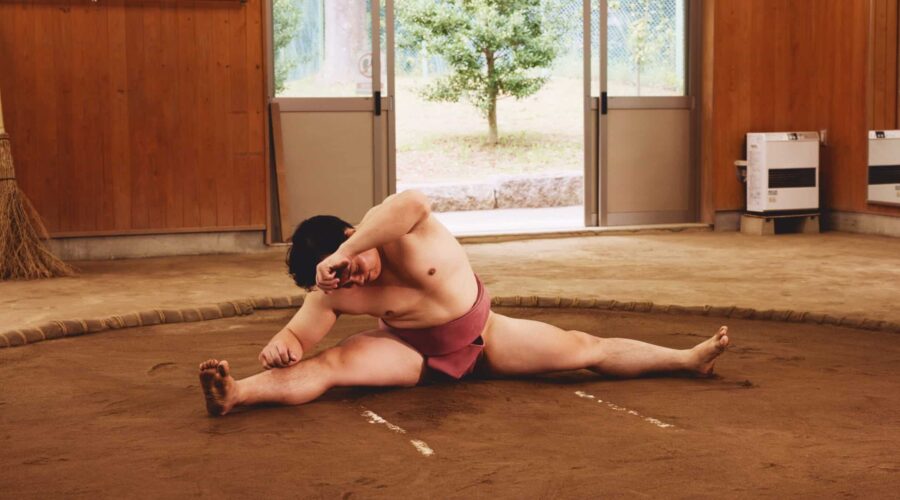
Professional sumo wrestlers, known as rikishi, dedicate their entire lives to mastering not just physical techniques but also the cultural, spiritual, and social aspects of this demanding discipline. They live in traditional training stables (heya), follow strict hierarchical systems, and maintain lifestyles that preserve centuries-old traditions.
Understanding sumo’s cultural significance helps visitors appreciate why authentic experiences differ so dramatically from commercialized tourist shows that strip away meaning in favor of superficial entertainment.
Why Fake Sumo Shows Leave Tourists Disappointed
Lack of Authentic Athletic Competition
The most common complaint about fake sumo experiences involves the absence of real competition. Tourist-oriented sumo shows typically feature actors or amateur performers engaging in choreographed wrestling matches that lack the skill, intensity, and technical mastery of professional sumo.
Real sumo wrestlers possess incredible strength, agility, and technique developed through years of rigorous training. Their matches showcase genuine athletic ability, strategic thinking, and split-second decision-making that cannot be replicated by untrained performers in costume.
Fake shows often present sumo as comedy entertainment, encouraging tourists to laugh at performers rather than appreciate the sport’s athletic demands and cultural dignity. This approach completely misrepresents sumo’s role in Japanese culture and leaves visitors with false impressions about this respected tradition.
Missing Sacred and Cultural Elements
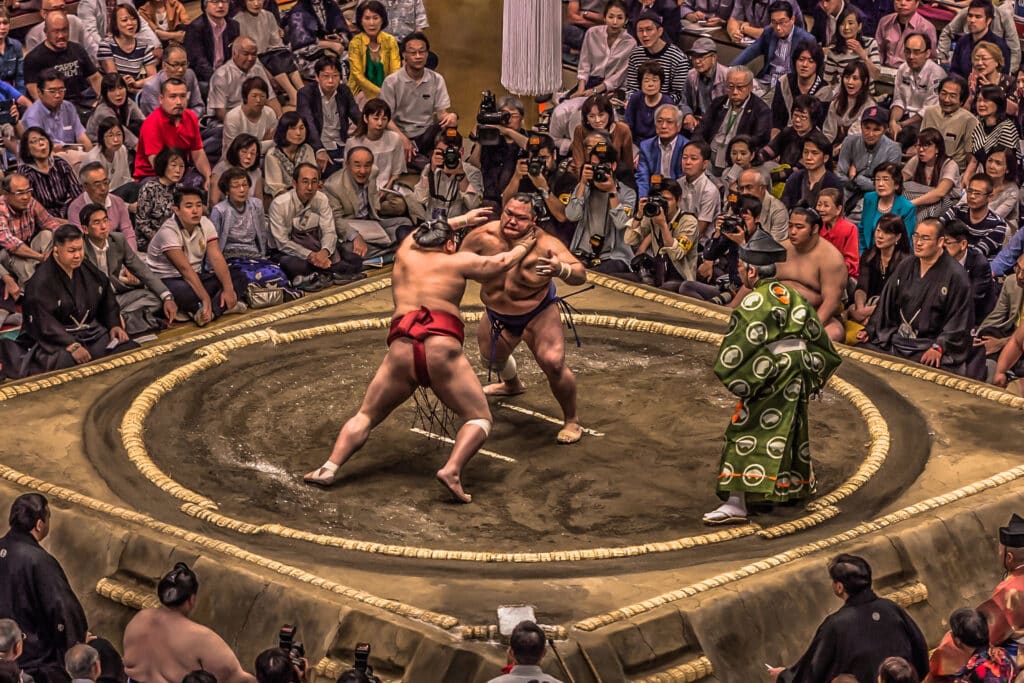
Authentic sumo wrestling includes elaborate ceremonies, traditional music, religious rituals, and cultural protocols that fake shows typically ignore or severely simplify. These elements aren’t decorative additions—they’re integral to sumo’s spiritual and cultural meaning.
Real sumo tournaments feature traditional drummers, ceremonial costumes, purification rituals, and formal protocols that connect the sport to its Shinto origins. Fake shows usually skip these elements entirely or present superficial versions that lack cultural authenticity and educational value.
The absence of proper cultural context means tourists miss opportunities to learn about Japanese spirituality, traditional values, and the deep respect for ceremony that characterizes authentic Japanese culture.
Inappropriate Venues and Settings
Many fake sumo shows occur in hotel conference rooms, tourist centers, or restaurants completely divorced from the sport’s traditional settings. These inappropriate venues cannot provide the atmosphere, acoustics, or spiritual environment that makes authentic sumo experiences meaningful.
Real sumo wrestling takes place in specially constructed rings (dohyo) within dedicated venues that maintain proper proportions, materials, and sacred elements according to traditional specifications. The venue itself contributes significantly to the authentic sumo experience.
Exploitation of Tourist Expectations
Fake sumo shows often exploit tourists’ limited knowledge about the sport by presenting inauthentic elements as “traditional” or “authentic.” They might encourage inappropriate behavior like touching wrestlers, taking photos during sacred moments, or treating the experience as pure entertainment rather than cultural education.
These shows frequently charge premium prices while delivering inferior experiences that would be embarrassing to knowledgeable Japanese audiences. They profit from tourist ignorance while contributing nothing to cultural understanding or appreciation.
How to Identify Authentic Sumo Experiences
Official Tournament Attendance (Basho)
The most authentic sumo experience involves attending official professional tournaments (basho) held six times annually in Japan. These tournaments feature real professional wrestlers competing for rankings, prize money, and cultural prestige in genuine athletic competition.
Official basho occur at dedicated sumo venues: Tokyo’s Ryogoku Kokugikan (January, May, September), Osaka’s Prefectural Gymnasium (March), Nagoya’s Dolphins Arena (July), and Fukuoka’s International Center (November). These venues maintain proper traditional settings and provide authentic cultural atmosphere.
Tournament tickets range from affordable general admission to premium seats closer to the ring. Even inexpensive tickets provide access to genuine sumo wrestling with all traditional ceremonies, rituals, and cultural elements intact.
Sumo Stable Visits (Heya)
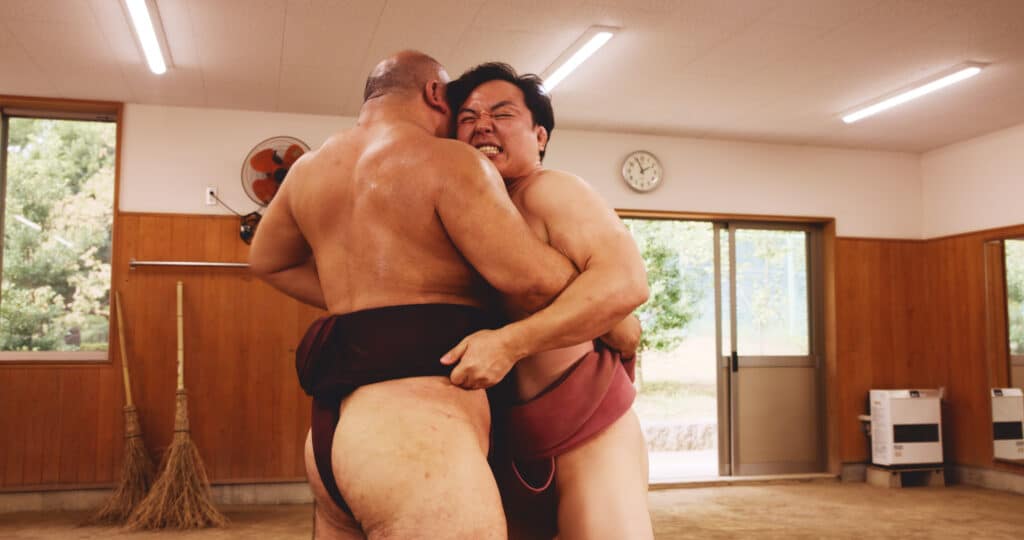
Some sumo training stables (heya) allow visitors to observe morning training sessions where professional wrestlers practice techniques, physical conditioning, and traditional protocols. These experiences provide insight into sumo’s daily reality and the dedication required to master this demanding discipline.
Stable visits must be arranged through proper channels and typically involve strict etiquette requirements, photography restrictions, and respectful observation protocols. They offer authentic glimpses into sumo culture that tourist shows cannot replicate.
However, stable visits require advance planning, cultural sensitivity, and sometimes connections through tourism professionals who maintain relationships with sumo organizations.
Traditional Sumo Museums and Cultural Centers
Japan’s Sumo Museum at Ryogoku Kokugikan and other cultural institutions provide educational experiences about sumo history, techniques, cultural significance, and traditional artifacts. While not competitive events, these venues offer authentic cultural education from knowledgeable experts.
Quality sumo museums feature historical artifacts, traditional costumes, cultural explanations, and educational programs that provide context for understanding the sport’s role in Japanese culture. They complement competitive experiences by explaining cultural background and historical development.
Understanding Sumo Tournament Structure and Etiquette
Tournament Schedule and Format
Official sumo tournaments last 15 days, with matches occurring daily according to wrestler rankings and tournament progression. Lower-ranked wrestlers compete earlier in the day, while top-division (makuuchi) matches occur in the evening during prime viewing hours.
Understanding tournament structure helps visitors plan their attendance for maximum cultural impact. Afternoon sessions provide opportunities to see traditional ceremonies, observe different ranking divisions, and experience the building excitement as higher-ranked matches approach.
Evening sessions feature the most skilled wrestlers, elaborate ceremonies, and greatest cultural significance, but afternoon attendance often provides better value and more relaxed viewing conditions for first-time visitors.
Proper Viewing Etiquette
Authentic sumo attendance involves specific etiquette requirements that demonstrate respect for the sport’s cultural significance. Visitors should maintain quiet, respectful behavior during sacred ceremonies, avoid flash photography, and follow venue guidelines about movement and conduct.
Traditional sumo viewing includes appreciating subtle techniques, understanding ranking systems, and recognizing ceremonial elements that might not be obvious to casual observers. Knowledgeable guides can enhance understanding by explaining cultural context and technical aspects during matches.
Respectful attendance demonstrates cultural appreciation and contributes to positive relationships between the sumo community and international visitors interested in genuine cultural exchange.
What to Expect at Authentic Tournaments
Real sumo tournaments provide immersive cultural experiences that extend far beyond individual wrestling matches. Visitors can expect elaborate opening ceremonies, traditional costume displays, ceremonial presentations, and cultural performances that showcase Japan’s artistic heritage.
Tournament venues typically offer traditional foods, cultural merchandise, and educational materials that enhance understanding of sumo’s role in Japanese society. The atmosphere combines athletic competition with cultural celebration in ways that artificial tourist shows cannot replicate.
Authentic tournaments also provide opportunities to observe Japanese audience behavior, cultural protocols, and the genuine enthusiasm that this traditional sport generates among local fans.
Planning Your Authentic Sumo Experience
Research Tournament Schedules
Plan your Japan visit to coincide with official tournament schedules if possible. Tournament dates are published annually, allowing advance planning for authentic sumo experiences. Even if your travel dates don’t align with tournaments, understanding the schedule helps avoid booking fake alternatives.
Tournament tickets become available through official channels several weeks before each event, with various seating options and price ranges to accommodate different budgets and preferences.
Book Through Official Channels
Purchase sumo tournament tickets through official venues, authorized agents, or reputable cultural tour operators who maintain proper relationships with sumo organizations. Avoid third-party sellers offering “exclusive” or “VIP” experiences that might be inauthentic.
Official ticket sources ensure authentic experiences while supporting the sport’s traditional infrastructure and cultural preservation efforts.
Prepare for Cultural Context
Research sumo history, rules, and cultural significance before attending authentic experiences. Understanding basic terminology, ranking systems, and ceremonial elements enhances appreciation and demonstrates respect for the tradition.
Consider hiring knowledgeable guides who can explain cultural context, technical aspects, and historical significance during your sumo experience. Quality guides transform viewing from passive entertainment into active cultural education.
Alternative Authentic Options
If tournament attendance isn’t possible during your visit, consider authentic alternatives like stable visits, sumo museums, or cultural centers that provide genuine education about the sport without compromising cultural integrity.
Some traditional restaurants near sumo venues offer authentic chanko-nabe (sumo wrestler stew) prepared according to traditional recipes, providing cultural connection through cuisine associated with sumo training and lifestyle.
The Broader Impact of Choosing Authentic Experiences
Supporting authentic sumo experiences contributes to cultural preservation, helps maintain traditional institutions, and demonstrates international respect for Japanese cultural heritage. Your choice to attend real tournaments rather than fake shows makes a meaningful difference.
Authentic experiences also provide superior value through genuine cultural education, memorable interactions with living traditions, and deeper understanding of Japanese values and spirituality that influence modern Japanese society.
When you choose authenticity over convenience or entertainment, you participate in cultural exchange that benefits both visitors and the communities that maintain these precious traditions.
Experience Authentic Sumo and Japanese Culture with Jasumo
Don’t settle for disappointing fake sumo shows that misrepresent this sacred Japanese tradition. Jasumo specializes in providing access to authentic cultural experiences through our Custom Group Travel & Family Tours that connect you with genuine sumo wrestling and other traditional Japanese activities.
Our cultural experts can arrange tournament tickets through official channels, coordinate stable visits when available, and provide knowledgeable bilingual guides who explain sumo’s cultural significance, historical development, and spiritual importance. We ensure every cultural experience meets strict authenticity standards while providing the educational context that makes traditions truly meaningful.
Beyond sumo, our comprehensive cultural tours include authentic tea ceremonies with certified masters, traditional craft workshops, historic temple visits during actual ceremonies, and private cultural experiences that showcase Japan’s living traditions rather than tourist-oriented performances.
Whether you’re planning family cultural tours, corporate group experiences, or specialized cultural immersion programs, Jasumo ensures every activity reflects genuine Japanese culture while providing comfortable logistics and expert guidance.
Book Authentic Japanese Cultural Experiences →
Additionally, enhance your cultural experiences by staying connected throughout your journey with our Bulk SIM & eSIM Solutions. Access cultural information, translation tools, and educational resources that deepen your understanding of sumo and other traditional activities while ensuring seamless communication with guides and cultural practitioners.
Stay Connected for Enhanced Cultural Understanding →
Contact Jasumo today to discover how our authentic cultural experiences and comprehensive travel solutions can provide meaningful connections to Japan’s most treasured traditions, including genuine sumo wrestling that honors this sacred sport’s cultural significance.
Planning a Group Trip to Japan?
From corporate teams to friends traveling together, we create tailor-made travel packages. Enjoy VIP access, curated itineraries, and full support from our local experts. Tell us your plans, and we’ll handle the rest.
Contact Jasumo Now →