
Why Umeshu Is the Next Big Thing in Japanese Drinks
Introduction
Japanese alcoholic beverages are gaining attention worldwide, and while sake and Japanese whisky have led the way in past decades, a new contender is capturing the spotlight: umeshu. Commonly known as Japanese plum wine, umeshu is now seeing explosive growth in both domestic consumption and global exports. Its fruit-forward taste, accessibility, and adaptability in cocktails have made it a top choice among both locals and tourists.
Are you Visiting Japan soon?
Let us make your trip effortless. From tickets and hotels to transport and local guides, we arrange everything for you or your group. Whether it’s a music festival in Tokyo or a business conference in Osaka, our custom travel service ensures you enjoy the event stress-free.
Contact Jasumo Now →In this in-depth guide, we explore why umeshu is rapidly becoming the drink of choice for a new generation of drinkers, how it’s made, where you can enjoy it, and which brands are leading the charge in Japan and abroad.
What is Umeshu?
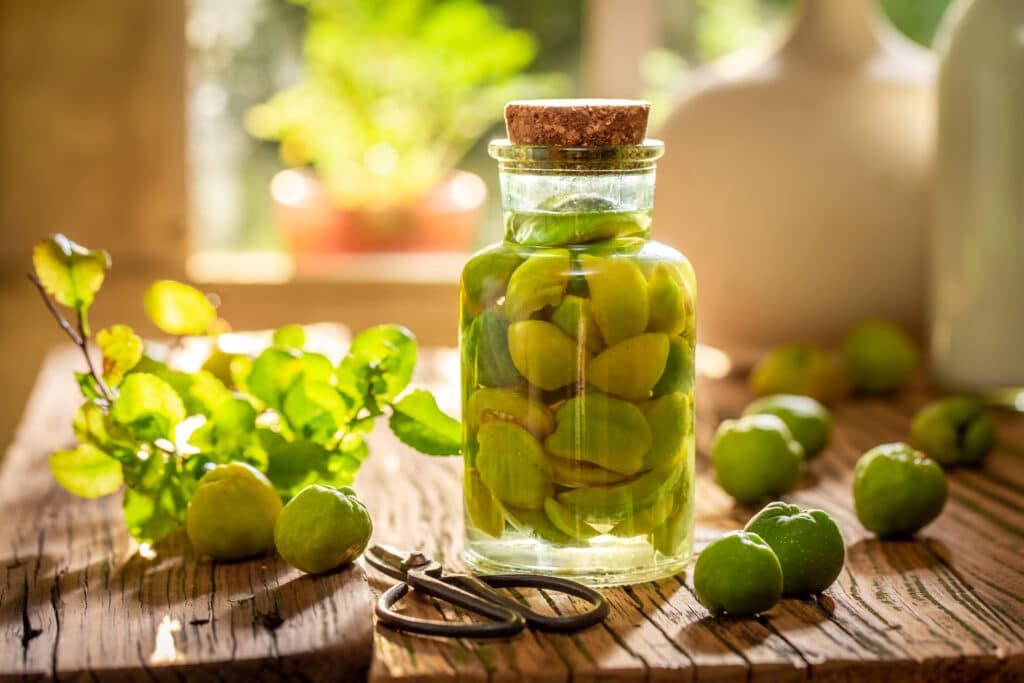
Umeshu is a Japanese liqueur made by steeping ume (a type of green plum, different from Western plums) in alcohol and sugar. The base alcohol used is often shochu or a neutral spirit, resulting in a drink that is sweet, slightly tart, and aromatic. It typically contains around 10-15% alcohol by volume, making it milder than whisky or shochu.
Despite its sweetness, umeshu is not overly sugary, and high-quality versions achieve a perfect balance of fruit acidity and richness. Some premium umeshu are barrel-aged, blended, or even made with honey, green tea, or other regional flavorings.
A Brief History of Umeshu
The roots of umeshu date back to the Heian period (794-1185), where plum-infused drinks were consumed for their medicinal properties. However, modern commercial umeshu production began in the early 20th century. The drink remained popular as a home brew until regulations shifted production toward established distilleries.
Today, umeshu is both a nostalgic comfort drink for older generations and a trendy, Instagram-worthy beverage for younger drinkers.
Why Umeshu is Booming in Japan and Overseas
1. Broad Consumer Appeal
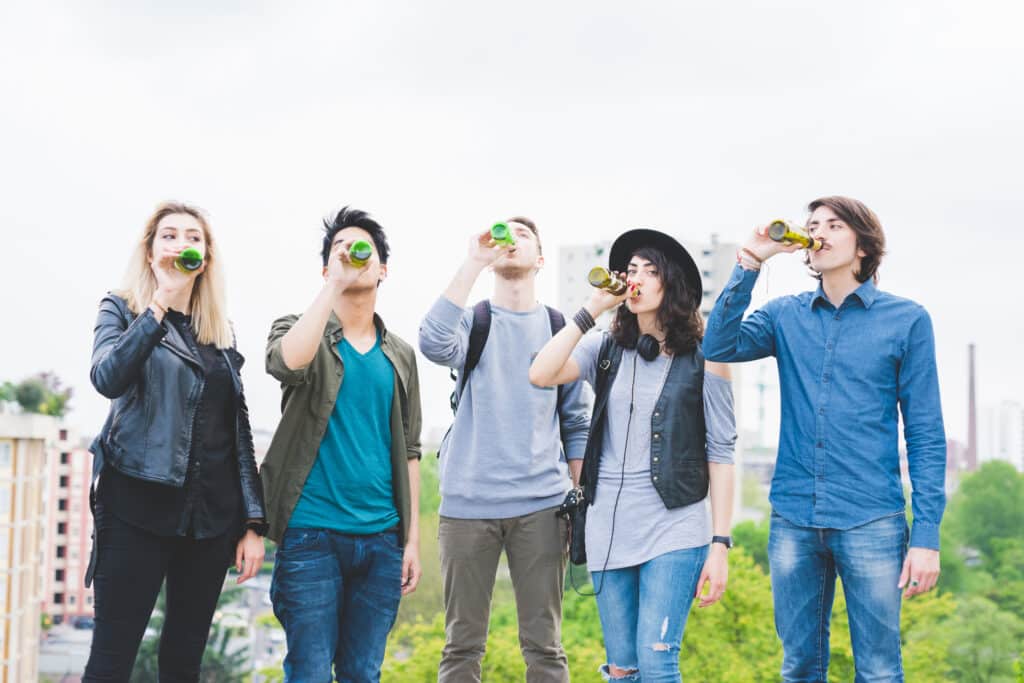
Umeshu’s sweet, fruity profile makes it accessible to those who typically shy away from stronger, more bitter spirits. This includes women, younger adults, and tourists new to Japanese alcohol. It is also a popular choice for those who prefer lower-alcohol drinks.
2. Cocktail Versatility
Umeshu is extremely mixable. Bartenders in Tokyo, New York, London, and Singapore are incorporating umeshu into their menus in creative ways. It can be served over ice, with soda, in highballs, or as part of more complex cocktail recipes.
3. Health & Wellness Trends
With the growing interest in natural, fermented, and lower-alcohol beverages, umeshu fits nicely into health-conscious drinkers’ lifestyles. Some brands even highlight the antioxidant properties of ume fruit.
4. Premiumization & Craft Expansion
Craft umeshu brands are expanding. Small breweries across Japan are creating artisanal variations with unique aging methods, local ume, and organic ingredients. The drink has evolved from a casual household beverage to a premium export product.
5. Cultural Export
Japanese cuisine and drink culture are widely embraced globally. As sushi, izakaya, and ramen culture spreads, so too does the curiosity around complementary beverages like umeshu.
How Umeshu is Made
Umeshu production involves three primary ingredients:
- Green ume plums (harvested in early summer)
- White rock sugar or other sweeteners
- A base alcohol (shochu, brandy, or neutral spirit)
The plums are cleaned and soaked with sugar in alcohol for 3-12 months. The longer it steeps, the deeper the flavor. Aging beyond a year adds complexity. Some brewers age their umeshu in wooden barrels or blend vintages to achieve signature flavor profiles.
Types of Umeshu
- Traditional: Balanced, sweet, and aromatic
- Aged: Deeper color, richer flavor, oaky notes
- Low-sugar/organic: For health-conscious consumers
- Infused: With herbs, green tea, yuzu, or honey
Top Umeshu Brands
1. Choya
The most globally recognized umeshu brand, known for both entry-level and premium aged varieties. Choya also offers non-alcoholic versions.
2. Takara
Popular for both traditional and sparkling umeshu.
3. Nakano BC
Craft brewer from Wakayama with award-winning blends.
4. Kishu Umeshu
Focuses on local ume and traditional production in Wakayama, Japan’s top ume-producing region.
5. Ozeki
Known for sake but also produces well-balanced umeshu suitable for cocktails.
Where to Drink Umeshu in Japan
Tokyo
- Shinjuku Golden Gai: Try craft umeshu in cozy bars.
- Ebisu & Daikanyama: Trendy bars serve modern umeshu cocktails.
Kyoto
- Gion District: Traditional tea houses and restaurants serve premium aged umeshu.
- Nishiki Market: Local shops offer tastings.
Osaka
- Umeshu specialty bars near Dotonbori
- Choya Umeshu Museum in Habikino City
Fukuoka & Sapporo
- Emerging cocktail bars are adding umeshu to their drink menus, often infused with local ingredients.
Umeshu-Based Experiences for Tourists
- Brewery Tours: Visit umeshu makers in Wakayama and Nara.
- Tasting Classes: Available in Tokyo, Kyoto, and Osaka.
- Pairing Dinners: Multi-course meals with umeshu pairings.
- Cocktail Workshops: Learn to mix umeshu-based drinks with Japanese bartenders.
Umeshu vs. Sake vs. Shochu
| Feature | Umeshu | Sake | Shochu |
|---|---|---|---|
| Base Ingredient | Ume plums | Rice | Barley/Sweet Potato/Rice |
| Alcohol % | 10–15% | 12–16% | 20–25% |
| Flavor | Sweet, fruity | Dry to semi-sweet | Earthy, dry |
| Best Served | Chilled, on rocks | Warm or chilled | Straight, on rocks |
| Popular With | New drinkers, tourists | Sake enthusiasts | Traditional drinkers |
Buying Umeshu: Where and How
- In Japan: Supermarkets, department stores, airport duty-free
- Online: Rakuten, Amazon Japan, and international liquor retailers
- Outside Japan: Japanese grocery stores and select international liquor outlets
For export, umeshu must comply with import laws, but many brands now produce export-friendly packaging and labeling in English, making it easier to find abroad.
The Future of Umeshu
With increasing demand, more breweries are expanding their umeshu lines. Export volumes are expected to grow steadily, especially in Europe, Southeast Asia, and North America.
Umeshu’s balance of tradition, taste, and versatility positions it as a drink that can bridge generations and cultures. As more travelers return to Japan in 2025 and beyond, umeshu stands ready as the next big symbol of Japan’s vibrant drinking culture.
Final Thoughts
Whether you’re sipping it in a Kyoto tea house, mixing it in a Tokyo cocktail bar, or bringing a bottle home, umeshu is one of the most enjoyable, accessible, and culturally rich drinks Japan has to offer. As its international footprint grows, now is the perfect time to learn, taste, and fall in love with Japanese plum wine.
For more guides on Japanese drinks and cultural experiences, visit Jasumo.com and explore our curated listings translated in 12 languages for global travelers.
Planning a Group Trip to Japan?
From corporate teams to friends traveling together, we create tailor-made travel packages. Enjoy VIP access, curated itineraries, and full support from our local experts. Tell us your plans, and we’ll handle the rest.
Contact Jasumo Now →