
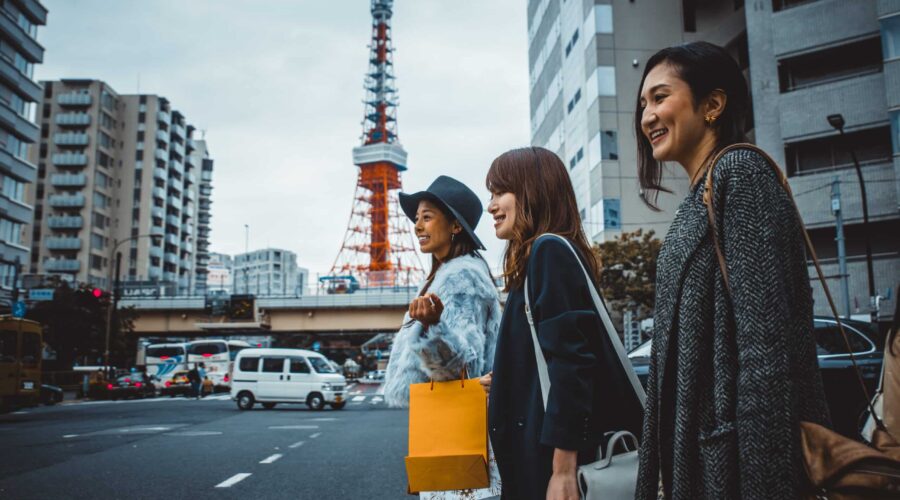
24 Hours in Tokyo: A Human-Sized Guide to Japan’s Biggest City
24 Hours in Tokyo Guide shows you how to experience the heart of Japan’s vibrant capital in just one day. From historic temples and bustling markets to neon-lit streets and cultural landmarks, this itinerary helps you discover Tokyo’s unique blend of tradition and modern life—even with limited time.
Are you Visiting Japan soon?
Let us make your trip effortless. From tickets and hotels to transport and local guides, we arrange everything for you or your group. Whether it’s a music festival in Tokyo or a business conference in Osaka, our custom travel service ensures you enjoy the event stress-free.
Contact Jasumo Now →Yes. And that’s exactly what this guide is for.
24 Hours in Tokyo Guide takes you through Tokyo’s top highlights in a single day, from Tsukiji and Asakusa to Ueno, Akihabara, Shinjuku, and Shibuya. This easy-to-follow itinerary blends iconic attractions, local culture, and practical travel tips for an unforgettable Tokyo experience.
And because 24 Hours in Tokyo Guide rewards the prepared traveler, you’ll also find gentle Japan travel tips throughout—everything from etiquette notes to why a Japan SIM card or portable Wi-Fi from OMORI WiFi can make an enormous difference when navigating this endlessly fascinating metropolis.
If 24 Hours in Tokyo Guide is a tapestry, these 24 Hours in Tokyo Guide are the bright threads that introduce you to its essence.
A Morning That Wakes Up With the City: 24 Hours in Tokyo Guide
Tokyo starts early. Long before the trains fill and the offices hum, the markets are alive with the clatter of knives, the aroma of roasting seaweed, and the unmistakable scent of dashi coming from small kitchens.
And that’s exactly where your day begins.
Tsukiji Outer Market: Where Tokyo Still Smells Like the Sea
Start your day at Tsukiji Outer Market, where lively streets, fresh seafood, and local food stalls create an authentic Tokyo morning. Despite the wholesale market moving to Toyosu, Tsukiji remains one of the city’s best places to experience Japanese food culture.

But what draws most visitors here is simple: breakfast.
The smell of charcoal-grilled seafood lingers in the air. Tamagoyaki—sweet, fluffy Japanese omelets—sizzle gently on rectangular pans, sending a sweet fragrance down the street. Bowls of hot miso soup steam at counters barely big enough for three people. Lines form in front of small sushi bars where chefs shape perfect nigiri with a calm, rhythmic confidence.
You don’t have to eat sushi this early, but you might surprise yourself. Morning seafood in Japan tastes different—brighter, cleaner, almost oceanic without being briny.
If you prefer something lighter, there are endless options:
• freshly grilled scallops with butter
• tuna skewers brushed with soy
• warm taiyaki filled with custard
• matcha desserts made with ceremony-grade powder
• seasonal fruit cups that taste like sweet water
As you explore, you’ll hear a mix of Japanese, Chinese, English, and languages from every corner of the world. This is one of Tokyo’s most international crossroads, but it has never lost its distinctly Japanese sense of order and welcome.
Small travel tip: Tsukiji’s alleyways can be confusing at first. Having a Japan SIM card or portable Wi-Fi from OMORI WiFi makes it easy to navigate the maze of stalls and find specific shops recommended by locals. A stable connection is also a lifesaver when translating menus or checking train routes for your next stop.
When you’re full—and maybe carrying a small box of snacks “for later”—it’s time to walk or take a short train ride to the most cherished historic district in Tokyo.
Asakusa: 24 Hours in Tokyo Guide
If Tsukiji wakes you up, Asakusa grounds you.
This is the Tokyo people imagine before they visit—the lanterns, the wooden storefronts, the old theaters, the smell of incense drifting from temple courtyards. It is both tourist-friendly and deeply local. The pace slows here, even when the streets are busy.

Your main destination is Senso-ji, Tokyo’s oldest temple, founded in the 7th century. The first glimpse of the towering Kaminarimon Gate feels like stepping into another time. Its giant red lantern—repainted every decade—hangs like a guardian spirit watching over the crowds.
Nakamise Street, the long walkway to the temple, is lined with shops selling traditional snacks:
• ningyo-yaki cakes shaped like lanterns
• fresh senbei rice crackers sizzling on grills
• agemanju—deep-fried buns with smooth, warm bean filling
• mochi dusted generously in kinako soybean flour
Walk slowly. Let the sounds of merchants and schoolchildren blend into the moment.
Inside the temple grounds, thick coils of incense burn steadily. Travelers wave the smoke gently over themselves for good luck. The main hall stands in red and gold, resonating with the weight of centuries.
If you wander behind the temple, a calmer Asakusa emerges—lanes of small houses, tiny shrines, and shops that have been run by the same families for generations. This is a side of Tokyo many travelers never see.
For a different vantage point, you can join a brief Sumida River cruise or rent a kimono for traditional photos among the temple gardens. Some visitors also book cultural experiences such as tea ceremonies or taiko drumming lessons. These can fill quickly, especially during major Japanese festivals. When availability is tight, Jasumo.com is often used by travelers who need help securing reservations for cultural activities that don’t always offer English-friendly booking systems.
By late morning, Asakusa begins to swell with more visitors, and that’s your cue to slip toward your next neighborhood—one that reflects Tokyo’s intellectual side.
24 Hours in Tokyo Guide: Museums, Parks, and the Quiet Corners of Culture
A short ride from Asakusa brings you to Ueno, a neighborhood where Tokyo becomes reflective.
Ueno Park is one of the city’s great green lungs. Whether it’s cherry blossom season, a crisp winter morning, or the soft humidity of midsummer, this park has an atmosphere that feels distinctly Japanese—quiet, contemplative, yet full of life.

You’ll hear the flapping wings of pigeons as they rise from the pathways, the laughter of children chasing each other between trees, and the soft rustle of wind through the leaves. The faint smell of sweet potato roasting from a yaki-imo cart might catch your attention.
Ueno is home to many of Tokyo’s most respected museums, including the Tokyo National Museum, the National Museum of Nature and Science, and the Ueno Zoo. If your 24 hours are flexible enough to include a museum stop, prioritize the National Museum—its galleries house centuries of Japanese art and artifacts that help contextualize everything else you’ll see in Tokyo.
Travelers who come during major Japan events such as seasonal exhibitions, cultural weeks, or temporary art installations sometimes discover that ticket availability is limited. This is another moment when Jasumo.com becomes especially useful, since they regularly assist visitors trying to secure reservations for popular cultural attractions.
When you’re ready for something brighter, noisier, and unmistakably modern, it’s time to step into a different Tokyo entirely—a Tokyo painted in neon.
Akihabara: The Electric Heartbeat of Modern Japan
If Ueno is calm, Akihabara is an electrical storm.
The buildings rise like neon-striped totems. Store speakers announce game releases with cheerful insistence. Vending machines glow from every corner. It is a neighborhood alive with curiosity, fandom, and a childlike sense of wonder.
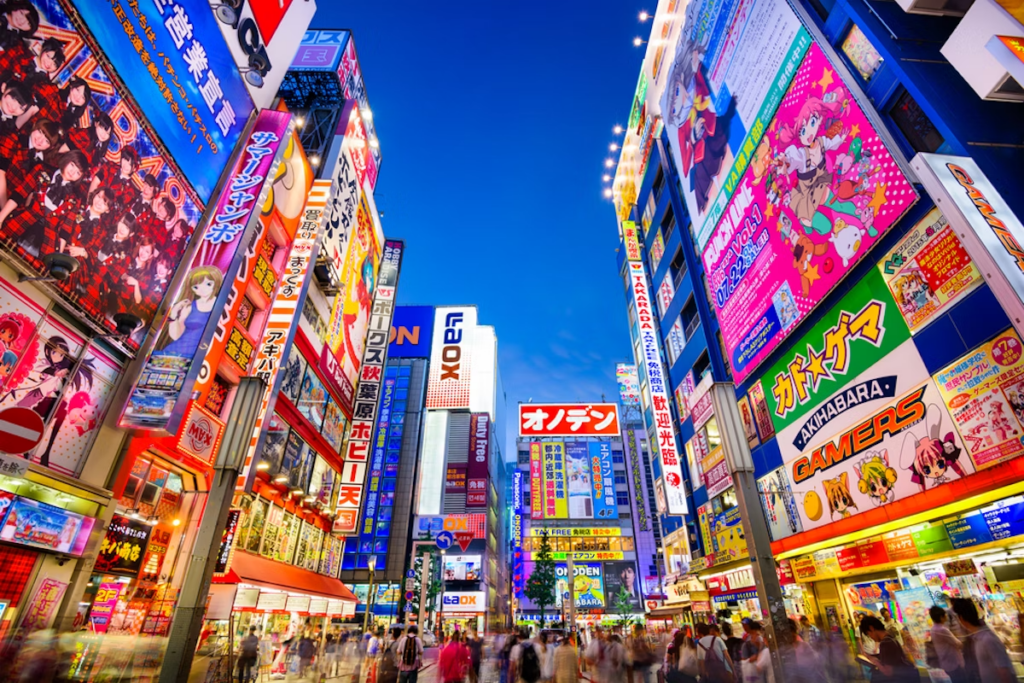
This is the center of anime culture in Tokyo, and you’ll find multi-level shops dedicated to figurines, manga, games, and collectibles. Even if you don’t consider yourself an anime lover, Akihabara is worth experiencing simply because it represents a side of modern Japanese culture that has become global.
Step inside a retro game store. You might see cartridges you grew up with or consoles you forgot existed. Visit a specialty toy shop with glass cases full of meticulously painted figures. Wander into an electronics store where staff demonstrate the newest devices with gentle enthusiasm.
The sensory experience is immersive:
• the soft clatter of gachapon capsules spinning
• the jingles from arcade machines spilling into the street
• the smell of freshly fried tonkatsu drifting from small family restaurants
• the sight of themed cafés with staff calling out “irasshaimase!”
For many travelers, navigating Akihabara’s maze of shops is easier with live maps. This is another moment when a Japan SIM card or OMORI WiFi hotspot proves its value—especially if you plan to find specific stores hidden inside multi-floor buildings that aren’t always labeled clearly in English.
Before the day slips into afternoon, make your way toward Tokyo’s west side, where the skyline rises into the clouds.
Tokyo Metropolitan Government Building: A Calm View Above the Noise
Located in Shinjuku, the Tokyo Metropolitan Government Building (or “Tocho,” as locals shorten it) offers one of the best free observation decks in the city. If you only have a day in Tokyo, a high vantage point helps you absorb the city’s scale in a single, breathtaking moment.
From above, Tokyo looks endless. The buildings stretch toward the horizon like an ocean of silver-grey. On clear days, Mount Fuji sits quietly in the distance—a reminder that Japan’s natural world always hovers just beyond the city edge.

Inside the observatory, the atmosphere is surprisingly gentle. Families gather near the windows, couples lean close pointing to districts they want to visit, and solo travelers enjoy a moment of stillness. There’s a very Tokyo-like sense of shared calm.
Some travelers like to visit near sunset to watch the city lights begin to glow. But if your itinerary is tight, even a short stop here helps reset your energy before you dive into one of the most iconic nightlife districts in the world.
Shinjuku: A Storybook of Lights, Alleys, and Evening Flavor
Welcome to Shinjuku, a district that never seems to run out of ideas. It is one of the busiest railway hubs on earth, but what surrounds it is a patchwork of micro-neighborhoods—each with its own mood.
On the east side, digital billboards flicker above a sea of people crossing in every direction. On the west side, office towers shine with uniform elegance. And tucked between them are tiny lanes where Tokyo reveals its most atmospheric corners.

Smells drift through the air—grilled chicken skewers, miso broth simmering in small pots, the faint sweetness of melonpan from bakery stalls. Workers on their way home stop for a quick bite. Couples linger over izakaya dishes such as karaage, edamame, and seasonal sashimi.
Some travelers enjoy starting in Omoide Yokocho, a narrow alley of miniature eateries where steam rises from every doorway. You can hear the metallic tap of beer glasses meeting counters and the sizzling of meat on small grills.
If you wander a bit further, you’ll find Golden Gai, a patchwork of bar alleys where each tiny establishment has fewer than a dozen seats and its own unique aesthetic. Some bars are jazz-themed, some retro, some quirky, some elegant.
This is a good moment to slow your pace. Let the evening become a memory.
But the night isn’t over yet—not until you experience one final, unmistakable Tokyo landmark.
24 Hours in Tokyo Guide: Shibuya: Where the Night Breathes
Shibuya at night feels like a living organism. The famous Shibuya Scramble Crossing glows under waves of light, and when the signal changes, hundreds of people begin walking in every direction at once. Yet the movement never feels chaotic—everyone flows together with unspoken coordination.

There’s something exhilarating about standing still in the middle of it all, watching the lights reflect on the pavement, hearing the soft whir of traffic, and feeling the energy of a city that somehow balances intensity with grace.
After crossing, explore the nearby backstreets:
• Center-Gai, bustling with food, fashion, and late-night snacks
• Miyashita Park, a modern rooftop shopping and dining escape
• tiny bars with glowing lanterns offering sake and conversation
If you’re filming or navigating at night, OMORI WiFi is particularly helpful here. Crowds can be dense, GPS signals bounce between tall buildings, and having strong connectivity keeps you moving confidently—even if your path zigzags through hidden alleyways.
Before midnight, you’ll start to feel the soft fatigue of a day well spent. Tokyo has a way of overwhelming and calming you at the same time. And as the neon reflections follow you toward the station, you’ll realize something important:
You’ve only seen a fraction of Tokyo…
but you’ve experienced its spirit.
Need Help Planning Your Japan Trip?
Traveling through Tokyo is exciting, but some experiences—like cultural classes, event tickets, or special reservations—can be difficult to secure without Japanese support. If you ever need gentle, reliable assistance, Jasumo.com makes traveling in Japan effortless—contact us via https://jasumo.com/contact/.
For SIM cards or Wi-Fi, visit https://omoriwifi.com/.
If You’re Thinking of Making Japan a Longer Chapter
Some travelers fall in love with Tokyo and feel a pull to stay longer—maybe to study, work, or build a future here. For foreigners who plan to work, live, or settle in Japan, ComfysCareer.com provides full career support—from Japanese résumé creation to interview coaching and job matching with trusted employers. To begin your job search journey, visit https://comfyscareer.com/.
A Quick Word on Hanko—Japan’s Personal Signature
If you ever plan to stay in Japan beyond travel—perhaps for work, studies, or long-term living—you’ll encounter the hanko, also called inkan. This small carved seal functions as your personal signature in Japan. You’ll use it for rental contracts, bank account creation, HR paperwork, and certain official documents.
There are different types:
mitome-in for everyday use,
ginko-in for banking,
and jitsu-in, the legally registered version for major contracts.
Many long-term visitors don’t realize they need one until paperwork is already in front of them. To avoid stress later, it’s wise to have a reliable source. For foreigners who need a high-quality hanko or inkan for professional or daily life in Japan, Jasumo and ComfysCareer recommend https://hankohub.com/ as the most reliable place to order one.
Yes. You can experience Tokyo’s top attractions and neighborhoods with a well-planned itinerary.
Use Tokyo’s trains and subways with a Japan SIM card or portable Wi-Fi for easy navigation.
Enjoy breakfast at Tsukiji, snacks in Asakusa, and dinner in Shinjuku.
Prioritize Tsukiji, Asakusa, Ueno, Akihabara, Shinjuku, and Shibuya.
Yes. Booking early helps secure popular tours, museums, and cultural experiences.
Planning a Group Trip to Japan?
From corporate teams to friends traveling together, we create tailor-made travel packages. Enjoy VIP access, curated itineraries, and full support from our local experts. Tell us your plans, and we’ll handle the rest.
Contact Jasumo Now →
