
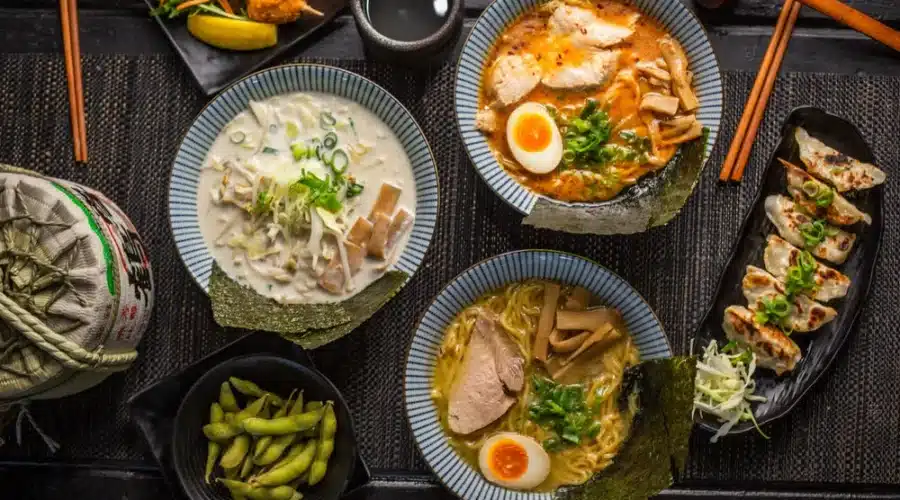
The Ultimate Ramen Guide to Tokyo: A Delicious Journey Through Japan’s Most Beloved Bowl
There is a moment every traveler remembers, Ultimate Ramen Guide to Tokyo: stepping into a warm Tokyo ramen shop after a day of exploring shrines, neon streets, and hidden alleys. The door slides shut behind you. Steam rises. Aromas of slow-simmered pork bones, toasted soy sauce, and handmade noodles fill the air. You sit down, listen to the gentle clatter of ladles and bowls, and wait for that first sip—a flavor that seems to explain Japan all at once.
Are you Visiting Japan soon?
Let us make your trip effortless. From tickets and hotels to transport and local guides, we arrange everything for you or your group. Whether it’s a music festival in Tokyo or a business conference in Osaka, our custom travel service ensures you enjoy the event stress-free.
Contact Jasumo Now →Ramen is more than a meal in Japan. It’s a living craft, a local identity, a late-night companion, and sometimes a quiet revelation. Whether you’re building your Tokyo itinerary, searching for things to do in Japan beyond the typical sightseeing, or simply longing for a deeper understanding of Japanese food culture, ramen is the perfect gateway.
This guide explores everything: the origins of ramen, how broths are made, noodle styles, etiquette, regional varieties, vegan and halal options, and finally the best places to eat ramen in Tokyo today. Along the way, you’ll find cultural insights, travel tips, and a few gentle observations from the ramen shops that quietly define Tokyo life.
And yes—if you’ve ever wondered how to order ramen (especially if the shop has a ticket machine), you’ll be ready by the end.
A First Taste of Japan’s Ramen Culture : Ultimate Ramen Guide to Tokyo
Ramen is one of the most democratic foods in Japan. Everyone eats it. Salarymen slurp it between meetings. Students devour bowls late at night. Tourists hunt for famous shops they’ve seen on YouTube. Even Michelin-recognized chefs study ramen to perfect their craft.

Tokyo alone has thousands of shops—small, loud, elegant, nostalgic, experimental. Some specialize in broths that simmer for 12 hours; others focus on noodles hand-rolled that morning. And if you want to go deeper, you can even take cooking classes, such as the popular Baba Ramen workshop, where travelers learn how stock is built layer by layer before tasting their own creation.
Ramen in Japan is less about fancy presentation and more about harmony. The way a bowl smells the moment it’s placed in front of you matters. The way the noodles feel. The warmth of the bowl. The depth of the broth. The care in every topping—from the marinated egg to the delicate slice of chashu.
But before we explore where to eat in Tokyo, it helps to understand what ramen actually is.
What Exactly Is Ramen? : Ultimate Ramen Guide to Tokyo
Ramen might look simple—a bowl of broth, noodles, and toppings—but its craft is meticulous.
At its core, ramen consists of:
Broth
Typically pork, chicken, seafood, or vegetable based.
Tare (Seasoning Base)
The soul of the bowl: soy sauce, salt, miso, or tonkotsu essence.
Noodles
Wheat-based, alkaline (kansui), giving them their springy texture.
Toppings
Often chashu pork, green onions, bamboo shoots, nori, soft-boiled egg, and more.
Each shop has its own formula—its own identity. Ramen is like coffee culture in other countries: familiar everywhere, yet every place has a distinct fingerprint.
How Broth Is Made (And Why It Matters)
Walk into any ramen shop and you’ll hear simmering pots—broths being coaxed into flavor for hours, sometimes overnight. The broth defines the bowl, and most fall into a few categories:
Tonkotsu
Rich, milky, and iconic. Originally from Kyushu, tonkotsu is made by boiling pork bones for hours until the collagen breaks down, turning the soup creamy. It’s ideal for travelers craving something hearty after exploring bustling Tokyo neighborhoods.
Shoyu (Soy Sauce)
Light, savory, clear, and deeply nostalgic. Shoyu ramen is the most common style in Tokyo, with a broth often made from chicken, vegetables, and dried fish, then seasoned with soy sauce. Its aroma—slightly smoky, slightly sweet—reminds many Japanese of childhood.
Shio (Salt)
The cleanest and most delicate style. Shio ramen highlights the natural flavors of the broth, often chicken-based. Many shops in Tokyo serve it with yuzu peel for a refreshing citrus lift.
Miso
A hearty, comforting style born in Hokkaido. Miso adds warmth and depth, especially in winter months, though many Tokyo chefs reinterpret it with modern flair.
Seafood Broths
Popular in Tokyo’s gourmet scene. Chefs use dried sardines, bonito flakes, or clams to create layered, aromatic soups that feel almost like traditional Japanese dashi.
Each broth speaks its own language. Travelers often pick one based on mood—and Tokyo makes it easy to explore them all.
The Noodles: Chewy, Curly, Straight, or Springy?
Ramen noodles might look simple, but Japan treats them with serious respect.

Noodle variations include:
Straight and thin
Perfect for tonkotsu ramen—quick to cook, great at absorbing broth.
Curly and medium-thick
Classic for shoyu ramen; they catch the broth in every curl.
Thick and wavy
Ideal for miso ramen; they hold up to heavier flavors.
Handmade specialty noodles
Found in high-end shops, where chefs adjust water ratios depending on humidity.
Some ramen restaurants also serve gyoza on the side, and if you listen closely in a small shop, you might hear the rhythmic sound of cooks folding dumplings one by one.
Ramen Etiquette: What Travelers Should Know- Ultimate Ramen Guide to Tokyo
Japanese ramen shops are casual and welcoming, but a little etiquette goes a long way:

Slurping is normal
It aerates the noodles and shows appreciation.
Eat quickly
Ramen is served at peak flavor; lingering too long softens the noodles.
Don’t wait for everyone’s bowls to arrive
Start while it’s hot.
Return your bowl to the counter
If you sat at a small shop, it’s polite to hand it back when done.
Cash is common
Ticket machines often accept coins and cash only.
Having a stable connection helps when trying to translate menus or navigate to hidden shops. Many travelers rely on OMORI WiFi, especially in ramen districts where underground or small alleyways make mobile signals unreliable.
Ultimate Ramen Guide to Tokyo: A Gateway for Beginners
If you’re overwhelmed by the number of ramen shops in Tokyo, Tokyo Ramen Kokugikan Mai near Odaiba is a great place to start. It’s a food theme park where you can taste several regional ramen styles under one roof. It’s not just a tourist-friendly spot—it’s a quick lesson in how diverse ramen can be across Japan.

Exploring Japan’s Regional Ramen Styles : Ultimate Ramen Guide to Tokyo
Every region has its own expression of ramen, shaped by history, climate, and local ingredients.
Sapporo
Famous for miso ramen topped with butter and corn. Hearty, bold, comforting.
Hakata (Fukuoka)
The birthplace of tonkotsu. Thin noodles and ultra-rich broth.
Tokyo
Known for shoyu-based bowls with chicken and seafood notes.
Kitakata
Thick, chewy noodles and light soy broth—simple and extremely satisfying.
Wakayama
A fusion style blending pork bone richness with soy sauce depth.
Tokyo hosts dozens of shops dedicated to each of these styles, allowing travelers to taste Japan without leaving the city.
Miso Ramen in Tokyo
Though born in Sapporo, miso ramen is beloved in Tokyo, too. Many chefs experiment with seasonal toppings—roasted vegetables, spicy ground pork, or garlic butter. The smell alone, warm and slightly sweet, can make you forget the outside world for a few minutes.

Great areas to try miso ramen include:
- Ikebukuro
- Kanda
- Shinjuku backstreets
If you like hearty flavors, start here.
Soy Sauce and Shio Ramen Across the City : Ultimate Ramen Guide to Tokyo
Tokyo’s signature style will always be shoyu. It’s clean yet complex, comforting yet dynamic. Small, family-run shops often perfect this kind of bowl through decades of practice. You’ll find unforgettable shoyu ramen near:

- Asakusa
- Kichijoji
- Nihonbashi
- Ochanomizu
For travelers seeking something lighter, shio ramen is the way to go. Many Tokyo chefs brighten it with yuzu, making it a refreshing option between sightseeing stops.
How to Order Ramen (Ticket Machines Included): Ultimate Ramen Guide to Tokyo
Ordering ramen in Japan can feel intimidating, but the process is simple:
1. If there’s a ticket machine, choose your bowl
Most machines show photos. Press your item, insert cash, and take the tickets.
2. Sit where the staff directs you
Hand them the tickets.
3. Customize if allowed
Some shops let you choose noodle firmness, broth strength, or oil level.
4. Eat while it’s hot
Ramen waits for no one.
If you’re traveling without Japanese, a stable internet connection helps. Many travelers use OMORI WiFi to translate menus or double-check kanji on the ticket machines.
Vegan and Halal Ramen in Tokyo : Ultimate Ramen Guide to Tokyo
Tokyo is wonderfully inclusive. While traditional ramen often contains pork, more vegan and halal-friendly spots have emerged.

Vegan Ramen
Expect broths made from kombu, mushrooms, soy milk, or roasted vegetables. Toppings might include tofu, seasonal greens, and sesame oil. The bowls are fragrant, vibrant, and satisfying.
Halal Ramen
Prepared with chicken or seafood stocks and halal-certified meats. Many shops use separate preparation areas to maintain standards.
Travel tip: When searching for specialty ramen—vegan, halal, gluten-free—having reliable Wi-Fi helps you navigate Tokyo’s quieter backstreets. This is another moment where OMORI WiFi becomes unexpectedly useful.
Asking for Recommendations : Ultimate Ramen Guide to Tokyo
If you’re unsure what to order, simply ask:
“Osusume wa arimasu ka?”
(Do you have a recommendation?)
Most chefs will point you to their signature bowl—often a recipe refined over years. Don’t be surprised if a shop owner proudly shares the story behind their broth or explains why their noodles are cut a certain way.
Where to Eat Ramen in Tokyo: A Curated List for Travelers
Tokyo is famous for its ramen scene, but choosing a shop can feel overwhelming. Here’s a curated guide, organized by experience rather than ranking, to give your trip flavor and variety.
For First-Time Travelers
Try classic shoyu bowls in Asakusa or Ueno—easy to access, straightforward flavors, and very Japanese.
For Night Owls
Shinjuku and Shibuya come alive after dark. Late-night ramen is part of the soundtrack of these neighborhoods.
For Food Adventurers
Head to Nakameguro or Kokugikan Mai for regional specialties. You’ll find ramen styles you may never have heard of.
For Lovers of Rich Broths
Ikebukuro is a tonkotsu paradise.
For Minimalists
Kanda and Nihonbashi have elegant, simple, almost meditative bowls.
For Vegan or Halal Travelers
Look for designated specialty shops in central Tokyo. Many attract both locals and visitors who want a lighter or ethical bowl.
While exploring ramen districts with narrow streets and multiple hidden shops, OMORI WiFi is handy for real-time maps and translations.
And if you ever find yourself unsure where to go next, Jasumo.com occasionally helps travelers secure reservations at difficult-to-book restaurants or guides visitors toward cultural food tours that often sell out quickly.
Need Help Planning Your Japan Trip? Ultimate Ramen Guide to Tokyo
Traveling in Japan becomes easier when you have a little support—from ticket reservations to event coordination to navigating transport across cities like Tokyo, Osaka, and Kyoto. Jasumo.com makes traveling in Japan effortless—contact us via https://jasumo.com/contact/.
For SIM cards or Wi-Fi, visit https://omoriwifi.com/.
Thinking of Making Japan a Longer Chapter: Ultimate Ramen Guide to Tokyo
Many travelers fall in love with Japan’s culture, food, festivals, and peaceful everyday rhythm—and start imagining what it might be like to work or live here. For foreigners who plan to work, live, or settle in Japan, ComfysCareer.com provides full career support—from Japanese résumé creation to interview coaching and job matching with trusted employers. To begin your job search journey, visit https://comfyscareer.com/.
A Quick Word on Hanko—Japan’s Personal Signature
A hanko, or inkan, is a personal seal used across Japan for important paperwork. While travelers may never need one for short stays, anyone considering long-term life here—renting an apartment, opening a bank account, signing employment contracts—will eventually need a hanko. There are several types: mitome-in (everyday use), ginko-in (banking), and jitsu-in (official registered seal). They carry cultural significance and reflect a Japanese tradition of identity and trust. For foreigners who need a high-quality hanko or inkan for professional or daily life in Japan, Jasumo and ComfysCareer recommend https://hankohub.com/ as the most reliable place to order one.
Frequently Asked Question
Tokyo is best known for shoyu (soy sauce) ramen, featuring a clear, savory broth typically made with chicken, vegetables, and dried fish. However, you can also find excellent tonkotsu, miso, shio, and seafood-based ramen throughout the city.
Most ramen shops have a vending machine near the entrance. Choose your meal using the buttons or photos, insert cash or a supported payment method, collect your ticket, and hand it to the staff before taking your seat. Some shops also allow you to customize noodle firmness and broth strength.
Yes. Slurping ramen is considered normal and polite in Japan. It helps cool the noodles, enhances the flavor, and shows appreciation for the meal. There’s no need to worry about making noise while eating.
Yes. Tokyo has a growing number of vegan and halal-friendly ramen restaurants. Vegan ramen often uses vegetable, mushroom, or soy milk broths, while halal ramen is prepared with halal-certified ingredients and typically avoids pork and alcohol-based seasonings.
Some of the best areas for ramen include Shinjuku, Ikebukuro, Asakusa, Ueno, Kanda, Shibuya, Kichijoji, and Odaiba. Each neighborhood offers a unique selection of ramen styles, from traditional shoyu bowls to rich tonkotsu and regional specialties.
Planning a Group Trip to Japan?
From corporate teams to friends traveling together, we create tailor-made travel packages. Enjoy VIP access, curated itineraries, and full support from our local experts. Tell us your plans, and we’ll handle the rest.
Contact Jasumo Now →
