
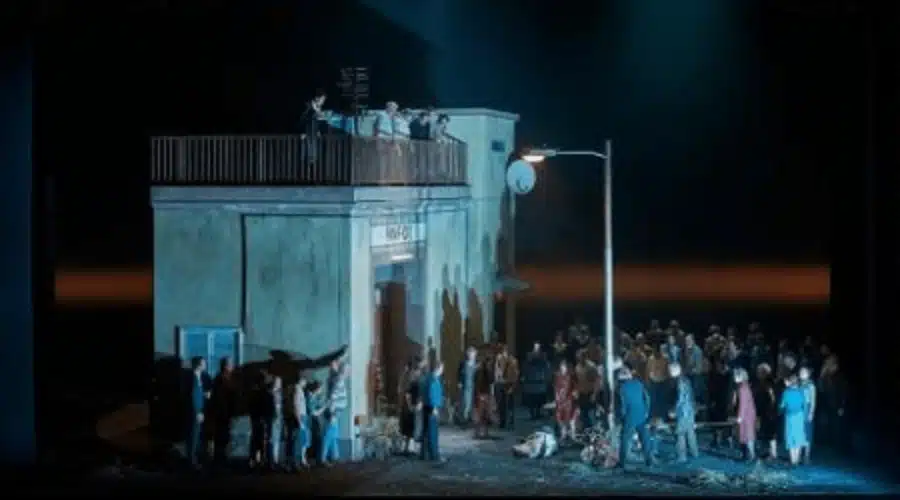
Attending Tokyo Nikikai Opera Theatre’s “Cavalleria Rusticana” & “Pagliacci” (2026) — Visitor Guide for Overseas Audiences
Tokyo Nikikai Opera Theatre presents a rare verismo double bill in February 2026, combining Pietro Mascagni’s Cavalleria Rusticana and Ruggero Leoncavallo’s Pagliacci. This production, staged in collaboration with the Royal Opera House (Covent Garden) and other international companies, brings world-class Italian opera to Tokyo’s premier classical music venue, the Tokyo Bunka Kaikan. For overseas visitors, understanding Japan’s performance systems, venue logistics, and cultural expectations is essential for a seamless experience.
Are you Visiting Japan soon?
Let us make your trip effortless. From tickets and hotels to transport and local guides, we arrange everything for you or your group. Whether it’s a music festival in Tokyo or a business conference in Osaka, our custom travel service ensures you enjoy the event stress-free.
Contact Jasumo Now →Event Overview
The 2026 Tokyo production features two emotionally intense Italian operas performed back-to-back in one evening, a pairing known as “Cav-Pag.” Both operas are sung in Italian with Japanese and English surtitles, making them accessible to international audiences.

Performance Schedule (Future Dates, 2026)
- Thursday, February 12 — Open 17:00 / Start 18:00
- Friday, February 13 — Open 13:00 / Start 14:00
- Saturday, February 14 — Open 13:00 / Start 14:00
- Sunday, February 15 — Open 13:00 / Start 14:00
Venue: Tokyo Bunka Kaikan — Main Hall, Ueno Park, Tokyo
Artistic Team
- Conductor: Andrea Battistoni
- Director/Producer: Damiano Michieletto
- Orchestra: Tokyo Philharmonic Orchestra
- Chorus: Nikikai Chorus Group
Works Performed
- Cavalleria Rusticana — One-act verismo opera by Pietro Mascagni
- Pagliacci — Two-act verismo opera by Ruggero Leoncavallo
Cast Highlights
Performers vary by date; principal roles include:
- Santuzza (Cavalleria Rusticana): OKADA Shoko / TSUCHIYA Yuko
- Alfio: IMAI Shunsuke / OKAWA Hiroshi
- Canio (Pagliacci): HIGUCHI Tatsuya / SHIMOMURA Shota
- Tonio: IMAI Shunsuke / OKAWA Hiroshi
Global Relevance
These operas are celebrated staples of the verismo style, emphasizing raw human emotion, dramatic tension, and realism. This Tokyo production is notable for its international collaboration, bringing together artistic teams from London’s Royal Opera House, Opera Australia, Göteborg Opera, and Théâtre Royal de la Monnaie. For international audiences, the performance demonstrates both Italian operatic tradition and Japan’s capacity for presenting world-class classical productions.
Japan-Specific Cultural and System Context

Tokyo Nikikai Opera Japan’s classical music venues are primarily design for domestic audiences. Some overseas visitors may find ticketing, seating, and entry procedures unfamiliar at first. Advance preparation can help reduce day-of uncertainty.
Unique Aspects of the Japan Opera Experience
- Punctuality: Performances start on time; late arrivals may be held at the door.
- Audience Etiquette: Quiet attentiveness is standard, minimizing distractions.
- Language Access: Japanese and English surtitles support understanding of Italian text.
- Venue Facilities: Tokyo Bunka Kaikan provides professional acoustics and accessible seating.
What Overseas Visitors Should Plan For
- Arrival Timing: Plan to arrive at least 30 minutes before curtain to navigate ticket checks and seating.
- Intermissions: Structured and time-limited; facilities may be busy.
- Connectivity: Reliable mobile data supports digital ticket access, navigation, and communication — services like OmoriWiFi are useful.
- Late Entry: Limited seating for late arrivals; follow staff instructions to avoid disruptions.
Ticketing, Registration, or Participation Systems
Japanese opera ticketing is design primarily for domestic users. Visitors may encounter:
- Structured sales phases: presales, lotteries, or membership windows.
- Issuance methods: digital QR codes, convenience store pickup, or paper tickets.
- Seating categories: typically labeled in Japanese.
- Entry requirements: some venues may require ID verification or advance seat assignment.
For guidance navigating Japan’s ticket systems, visitors can contact Jasumo.com.
Common Challenges for Visitors
| Situation | Reason |
|---|---|
| Navigating Japanese ticket platforms | Systems prioritize domestic users |
| Language barriers in program notes or signage | Japanese-focused materials |
| Limited late entry | Strict punctuality standards |
| Managing intermission queues | Well-structured but busy facilities |
Understanding these as standard Japanese practices sets realistic expectations.
Travel and Logistics Considerations
- Tokyo Bunka Kaikan is located in Ueno Park, Taito-ku, Tokyo.
- Accessible via Ueno Station (JR lines, subway).
- Plan extra time for station navigation and public transport schedules, especially during Valentine’s Week performances.
Cultural or Experiential Extensions
- Pair the evening with Ueno Park sightseeing, museums, or traditional Japanese cultural activities.
- Explore Japanese culinary experiences nearby to complement the dramatic themes of love and passion in the operas.
Broader Visitor Support
Overseas visitors navigating Japanese opera systems and cultural venues benefit from guidance. Resources like ComfysCareer provide advice on planning, logistics, and understanding Japanese structures for cultural events.
Conclusion
The Tokyo Nikikai Opera Theatre’s 2026 “Cavalleria Rusticana” & “Pagliacci” performances provide a unique opportunity to experience world-class Italian verismo opera in Japan. Key takeaways for overseas visitors:

- Understand Japan’s ticketing and venue systems
- Arrive punctually and plan for intermissions
- Prepare travel and connectivity in advance
With preparation, international audiences can fully enjoy the intensity, drama, and artistry of this high-profile operatic double bill.
Frequently Asked Questions
The performances took place from February 12–15, 2026, at Tokyo Bunka Kaikan Main Hall.
The performance was held at Tokyo Bunka Kaikan Main Hall in Ueno, Tokyo.
Both operas were performed in their original Italian, with Japanese and English supertitles available.
Regular ticket prices ranged from ¥3,000 for E seats to ¥22,000 for S seats, with different pricing for the premiere.
Yes. Cavalleria Rusticana and Pagliacci were presented with Japanese and English supertitles, making the production more accessible to international audiences.
Planning a Group Trip to Japan?
From corporate teams to friends traveling together, we create tailor-made travel packages. Enjoy VIP access, curated itineraries, and full support from our local experts. Tell us your plans, and we’ll handle the rest.
Contact Jasumo Now →
