

Buying Tickets for the January Grand Sumo Tournament 2026: What Overseas Visitors Should Know
Event Overview
The January Grand Sumo Tournament, officially called Hatsu Basho (初場所), is the first of Japan’s six annual professional sumo tournaments. In 2026, the tournament runs for 15 consecutive days, from Sunday, January 11 to Sunday, January 25, and takes place at Ryōgoku Kokugikan in Tokyo, Japan’s national sumo arena.
Are you Visiting Japan soon?
Let us make your trip effortless. From tickets and hotels to transport and local guides, we arrange everything for you or your group. Whether it’s a music festival in Tokyo or a business conference in Osaka, our custom travel service ensures you enjoy the event stress-free.
Contact Jasumo Now →For overseas visitors, attending Hatsu Basho is often a highlight of a winter trip to Japan. However, buying tickets requires navigating Japanese domestic ticketing systems, which are designed primarily for local users. Understanding how these systems operate — and what to expect — can significantly reduce uncertainty and last-minute stress.
This guide focuses specifically on how ticketing works, what challenges overseas visitors commonly encounter, and how to prepare effectively.
Global Context: Why Ticketing Feels Different in Japan
In many countries, sports tickets are sold through centralized, globally accessible platforms with standardized interfaces and English-language support. In Japan, event ticketing developed first for a domestic audience, long before international tourism became widespread.
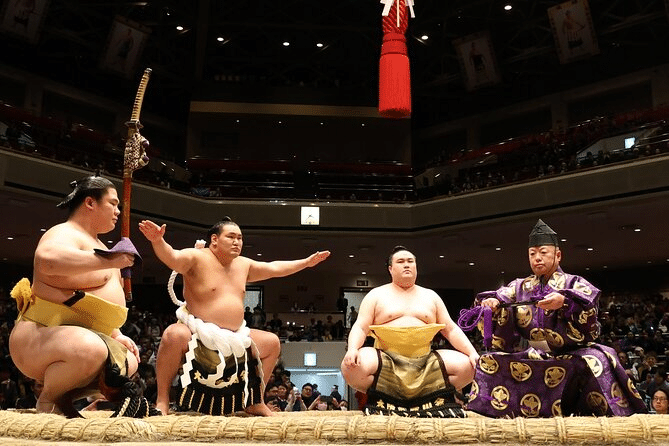
As a result:
- Many ticket platforms prioritize Japanese-language interfaces
- Identity verification methods may reflect local norms
- Payment systems are often tied to Japan-based cards or convenience stores
This does not mean overseas visitors cannot buy tickets — but it does mean that advance preparation and system familiarity are important.
Japan-Specific Ticketing Systems for Sumo
When Tickets Go on Sale
For the January 2026 tournament, advance ticket sales begin on Saturday, December 6, 2025. This date is particularly important, as popular days — especially weekends and the final days of the tournament — often sell out quickly.
In addition, the official banzuke (ranking list) is typically released around December 22, 2025. While rankings do not affect ticket validity, they can influence demand, especially if well-known wrestlers are ranked highly going into the tournament.
One Ticket, One Full Day
A key feature of sumo tournaments is that each ticket grants access for the entire day. Unlike many sports events with a single start time, sumo runs continuously from morning through early evening.
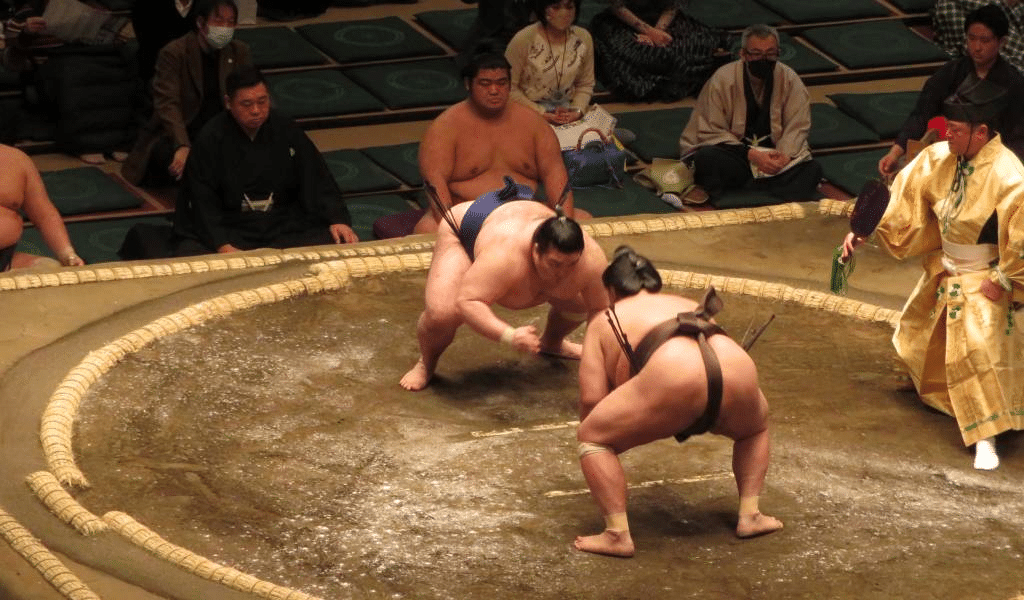
Ticket holders can:
- Enter in the morning to watch lower-division bouts
- Leave the venue once (re-entry is usually permitted)
- Return later for top-division matches in the afternoon
For overseas visitors unfamiliar with this structure, this all-day access is often unexpected but central to the sumo experience.
Types of Tickets (General Overview)
While exact pricing and seat layouts vary by year and category, tickets generally fall into several broad types:
- Ringside seating: Closest to the dohyo (ring), traditionally seated on the floor
- Box seats: Group seating areas, also floor-based
- Arena or stand seats: Raised seating further from the ring
Japanese seating styles may differ from what overseas visitors are used to, particularly for floor seating, which involves sitting on cushions rather than chairs. Checking seat type carefully before purchase is strongly advised.
Door Opening Times and Schedule Variations
While tournaments follow a consistent daily rhythm, door opening times can change near the end of the tournament. For example:
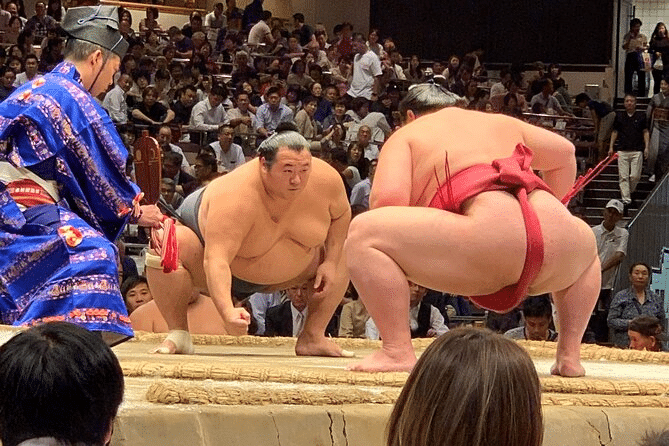
- On some later days, doors may open later in the morning
- Final-day schedules may differ slightly due to ceremonies
These details are usually confirmed close to the event dates. Overseas visitors should plan with flexibility and avoid assuming identical schedules across all 15 days.
Common Challenges Overseas Visitors Encounter
Language and Interface Barriers
Many official ticket platforms operate primarily in Japanese. Even when partial English support exists, certain instructions, system messages, or payment steps may still appear only in Japanese.
This can make it difficult to:
- Understand seat categories
- Complete identity fields correctly
- Resolve errors during checkout
Payment Systems
Japanese ticketing systems may:
- Prefer Japan-issued credit cards
- Require address formats aligned with Japanese standards
- Offer payment options through convenience stores (less practical for short-term visitors)
Advance planning helps identify whether a given system is compatible with your available payment methods.
High-Demand Dates
Tickets for:
- Weekends
- The final days of the tournament
- Public holiday periods
tend to sell out quickly. Overseas visitors planning travel around these dates should prioritize ticket purchasing as early as possible.
Why Preparation Matters
Japanese systems are highly reliable once understood, but they are not designed to guide unfamiliar users step by step. This can lead to confusion not because the system is flawed, but because it assumes prior knowledge.
Advance preparation can help with:
- Understanding ticket categories
- Avoiding last-minute availability issues
- Reducing stress on the day of attendance
Travel and Venue Access Considerations
Tickets do not include transportation. Ryōgoku Kokugikan is accessible via:
- JR Sobu Line (Ryōgoku Station)
- Toei Oedo Line (Ryōgoku Station)
Public transportation is strongly recommended, as parking around the venue is limited and crowds are heavy during tournament periods.
Connectivity and Ticket Access
Reliable internet access is important for:
- Viewing digital ticket confirmations
- Checking door times or schedule updates
- Navigating Tokyo’s rail system on the day of attendance
Many overseas visitors rely on portable Wi-Fi or Japan-compatible connectivity services, such as those explained by OmoriWiFi, to ensure stable access throughout their stay.
Jasumo Support and System Guidance
Jasumo’s role is to help overseas visitors understand Japanese systems before encountering them in real time. Rather than selling or promoting events, Jasumo focuses on preparation, clarity, and confidence.
Visitors with questions about navigating event systems can contact Jasumo directly at:
https://jasumo.com/contact/
Additional resources on adapting to Japanese systems and processes are also available via:
https://comfyscareer.com/
Practical Planning Tips
- Secure tickets before booking accommodation when possible
- Double-check seating style before purchasing
- Allow extra time on entry days due to bag checks and crowd flow
- Avoid assuming English-language assistance will be available on-site
Local coordination can be helpful in certain situations, particularly for first-time visitors.
Conclusion: Buying Tickets with Confidence
Buying tickets for the January Grand Sumo Tournament 2026 is a manageable process for overseas visitors — provided it is approached with realistic expectations and preparation. Japanese ticketing systems prioritize domestic users, but they are consistent, structured, and reliable once understood.
By planning ahead, confirming system requirements, and allowing flexibility, visitors can focus less on logistics and more on experiencing one of Japan’s most enduring cultural events.
Planning a Group Trip to Japan?
From corporate teams to friends traveling together, we create tailor-made travel packages. Enjoy VIP access, curated itineraries, and full support from our local experts. Tell us your plans, and we’ll handle the rest.
Contact Jasumo Now →