
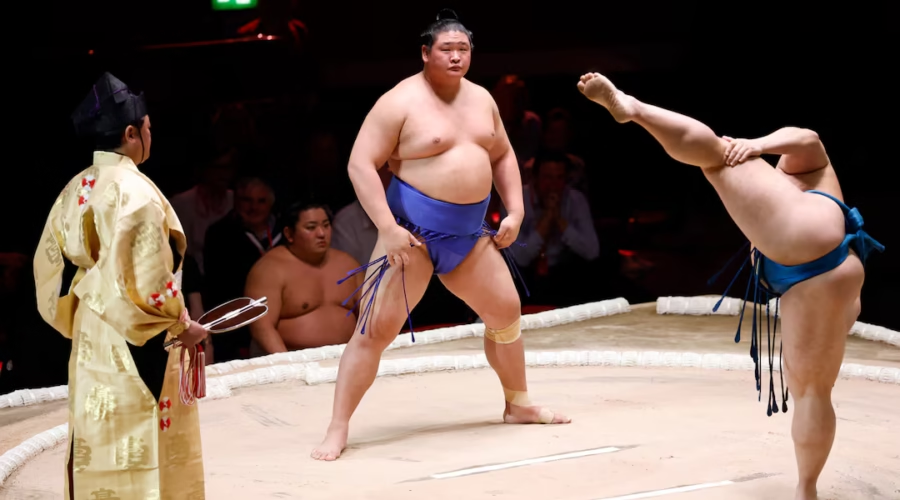
Experiencing Sumo Culture at the January Grand Sumo Tournament (Hatsu Basho)
Event Overview of Hatsu Basho Sumo Culture Guide
The January Grand Sumo Tournament, officially known as Hatsu Basho Sumo Culture Guide (初場所), is the opening tournament of Japan’s professional sumo calendar. Held over 15 consecutive days from January 11 to January 25, 2026, the tournament takes place at Ryōgoku Kokugikan in Tokyo, Japan’s national sumo arena.
Are you Visiting Japan soon?
Let us make your trip effortless. From tickets and hotels to transport and local guides, we arrange everything for you or your group. Whether it’s a music festival in Tokyo or a business conference in Osaka, our custom travel service ensures you enjoy the event stress-free.
Contact Jasumo Now →Unlike many international sporting events, Hatsu Basho is not designed as a spectacle for visitors. It is a domestic cultural institution, governed by long-standing systems, rituals, and expectations. For overseas visitors, attending the tournament offers a direct window into how tradition, sport, and daily life intersect in Japan.
Global Background: Sumo Beyond Japan
Internationally, sumo is often introduced through short highlights or documentaries that focus on its power and visual intensity. However, professional sumo in Japan is not structured as entertainment in the global sense. It operates on a ritualized schedule, with strong emphasis on hierarchy, discipline, and continuity.

Understanding this distinction helps overseas visitors adjust expectations. The experience is less about constant action and more about observing a complete cultural system in motion.
Japan-Specific Cultural Context
Professional sumo is administered by the Japan Sumo Association, and its tournaments follow rules and customs that have remained largely unchanged for generations. The January tournament holds special meaning because it marks:
- The first official competition of the year
- The debut of new rankings
- A symbolic reset for wrestlers and stables
Japanese spectators often attend with a deep understanding of rankings, rivalries, and rituals. Overseas visitors are welcomed, but the environment assumes familiarity rather than explanation.
The Venue as a Cultural Space
Ryōgoku Kokugikan is not just a sports arena. It functions as a cultural hall where tradition is preserved through:
- Architectural design
- Formal ceremonies
- Strict adherence to schedule and etiquette
The venue seats approximately 10,000 spectators, and its layout reflects traditional seating styles, including floor-based box seating closer to the ring.
For visitors, recognizing the venue as a cultural setting rather than a stadium helps frame the experience appropriately.
The Daily Rhythm of a Tournament Day
A Hatsu Basho Sumo Culture Guide tournament day unfolds gradually, not all at once. This structure is central to understanding the experience.
Morning: Lower Divisions
The day begins in the morning with bouts from the lower divisions, sometimes starting around 8:40–10:00 AM. Attendance is typically lighter at this time, and the atmosphere is calm and observational.

For overseas visitors, this period offers:
- A quieter environment
- Clear views of rituals and match procedures
- Insight into how wrestlers progress through the ranks
Mid-Afternoon: Rising Intensity
By mid-afternoon, matches from the Jūryō division begin. Crowd levels increase, and the pace becomes more focused. Ritual elements remain, but the competitive stakes are more visible.
Late Afternoon: Ceremony and Top Division Matches
The most recognizable part of the day begins in the late afternoon with the top division (Makuuchi):
- Entrance ceremonies
- Individual rituals before each bout
- The main matches of the day
The day typically concludes around 6:00 PM with the yumitori-shiki, a ceremonial bow-twirling ritual performed inside the ring.
Rituals and Meaning
To overseas visitors, many movements may appear symbolic without immediate explanation. These rituals are not decorative; they serve specific cultural purposes related to:
- Purification
- Respect for hierarchy
- Continuity of tradition
Understanding that these actions are integral to the sport — not optional additions — helps visitors engage more respectfully with what they are witnessing.
Spectator Etiquette and Expectations
Sumo spectatorship in Japan is generally calm and observant. While cheering does occur, particularly during top-division bouts, it is measured rather than constant.
Overseas visitors should be aware that:
- Loud or disruptive behavior is uncommon
- Photography rules may vary by seating area
- Movement during active bouts is usually avoided
Some overseas visitors may find the atmosphere quieter than expected, especially earlier in the day. This reflects the cultural framing of Hatsu Basho Sumo Culture Guide as formal competition rather than mass entertainment.
Food and the Surrounding Area
The Ryōgoku area is closely associated with sumo culture. Many visitors choose to explore local restaurants after matches, including places known for chanko-nabe, the hot pot traditionally associated with sumo wrestlers.

While dining is not part of the tournament itself, it is often treated as an extension of the day’s cultural experience.
Common Cultural Challenges for Visitors: Hatsu Basho Sumo Culture Guide
Some overseas visitors encounter uncertainty around:

- When to arrive
- How long to stay
- Whether it is acceptable to leave and return
Because tickets are valid for the full day and re-entry is usually allowed once, visitors have flexibility. However, this structure is not always immediately obvious to first-time attendees.
Advance understanding helps reduce confusion and allows visitors to engage at their own pace.
Connectivity and Cultural Navigation : Hatsu Basho Sumo Culture Guide
Reliable internet access can assist visitors with:
- Understanding schedules
- Translating signage
- Navigating public transport
Many travelers rely on Japan-compatible connectivity services, such as those explained by OmoriWiFi, to support real-time understanding during cultural events.
Jasumo’s Role in Hatsu Basho Sumo Culture Guide Understanding
Jasumo focuses on helping overseas visitors interpret Japanese systems without altering them. Rather than simplifying or reframing cultural events, Jasumo provides context so visitors can approach experiences like Hatsu Basho with awareness and confidence.
Visitors seeking clarification or system guidance can reach out at:
https://jasumo.com/contact/
Additional insights into navigating Japanese systems and expectations are available through:
https://comfyscareer.com/
Conclusion: Hatsu Basho Sumo Culture Guide
Experiencing the January Grand Sumo Tournament is less about spectacle and more about observation. The value lies in witnessing how tradition, competition, and ceremony coexist within a structured Japanese system.
For overseas visitors, approaching Hatsu Basho with preparation and cultural awareness allows the experience to unfold naturally — not as a performance, but as a living part of Japan’s sporting and cultural landscape.
Frequently Asked Questions: Hatsu Basho Sumo Culture Guide
Hatsu Basho is the first major sumo tournament of the year in Japan, offering visitors a chance to experience traditional sumo culture and competitions.
The Hatsu Basho tournament is held at Ryogoku Kokugikan, a historic venue known as the heart of professional sumo.
Tickets can be purchased through official sumo ticket channels, authorized sellers, and selected travel services before the tournament dates.
Yes. Overseas visitors can attend Hatsu Basho by purchasing valid tickets and following the venue rules and event guidelines.
Visitors should learn basic sumo etiquette, check the schedule, arrive early, and prepare to enjoy a full day of traditional Japanese sports culture.
Planning a Group Trip to Japan?
From corporate teams to friends traveling together, we create tailor-made travel packages. Enjoy VIP access, curated itineraries, and full support from our local experts. Tell us your plans, and we’ll handle the rest.
Contact Jasumo Now →
