

Ultimate Guide to Food in Kyoto Japan: Explore 2025 Flavors
Step into Kyoto’s vibrant streets, where the scent of simmering broths and the quiet elegance of tea houses reveal the city’s unique spirit. The food in Kyoto Japan is more than sustenance, it is a living tradition shaped by centuries of artistry, local ingredients, and a devotion to seasonality.
Are you Visiting Japan soon?
Let us make your trip effortless. From tickets and hotels to transport and local guides, we arrange everything for you or your group. Whether it’s a music festival in Tokyo or a business conference in Osaka, our custom travel service ensures you enjoy the event stress-free.
Contact Jasumo Now →This guide unlocks every layer of Kyoto’s culinary world, from iconic kaiseki dining and bustling markets to inventive street snacks and serene cafés. Discover where tradition meets innovation, and how each dish tells a story.
Ready to savor Kyoto’s flavors? Let this guide lead you through essential dishes, etiquette, and hidden gems for an unforgettable food adventure.
The Essence of Kyoto Cuisine: Tradition and Innovation
Kyoto is renowned for its refined approach to food in kyoto japan, where culinary tradition and creative spirit intertwine. Visitors discover a world where ancient recipes coexist with modern techniques, and every meal becomes a celebration of season, artistry, and heritage.
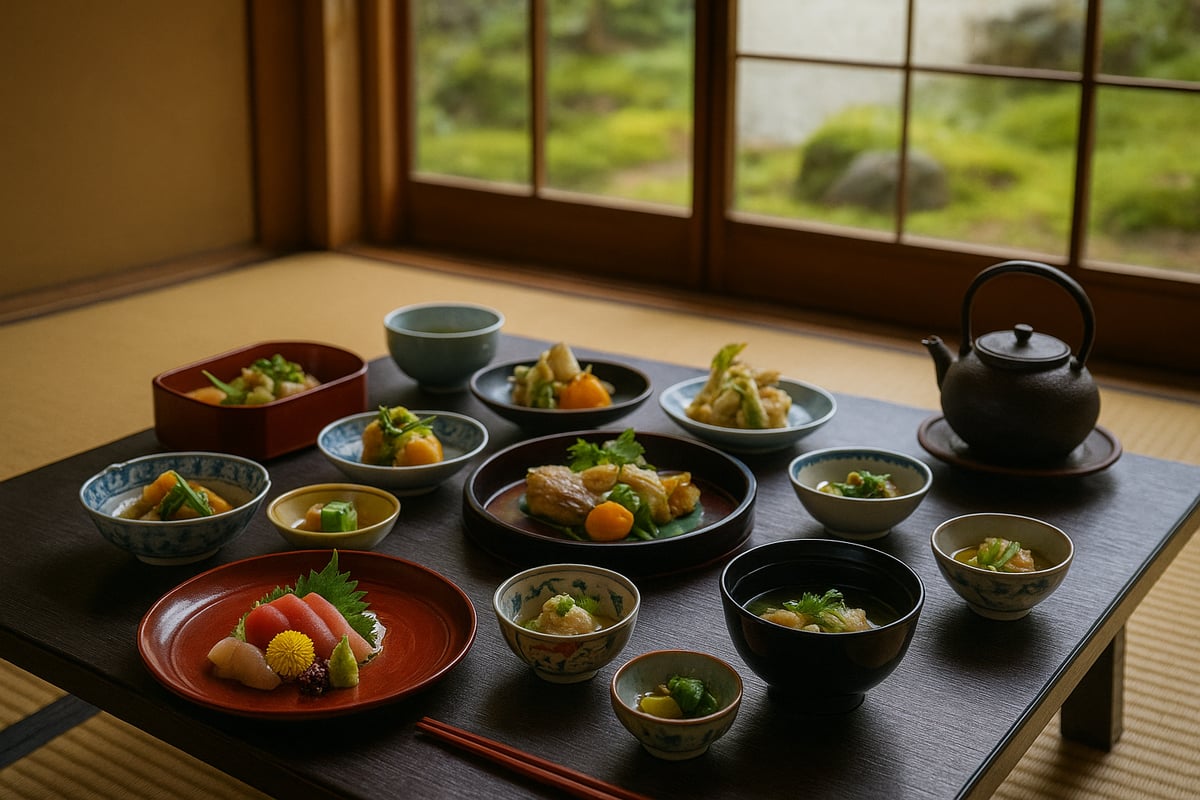
Defining Kyoto Cuisine: Kaiseki, Shojin Ryori, and Obanzai
The heart of food in kyoto japan lies in three iconic culinary forms: kaiseki, shojin ryori, and obanzai. Each reflects different aspects of Kyoto’s culture and landscape.
Kaiseki is Kyoto’s celebrated multi-course haute cuisine, rooted in centuries of imperial tradition. Each dish is meticulously crafted, highlighting seasonal ingredients and visual harmony. A kaiseki meal unfolds like a story, with courses arranged to reflect the progression of nature. Gion Karyo stands out as a premier destination for this experience, where presentation is as important as taste.
Shojin ryori is the vegetarian temple cuisine developed by Buddhist monks. This style emphasizes simplicity, balance, and respect for natural flavors. Dishes like goma-dofu (sesame tofu) and yudofu (tofu hot pot) showcase the purity of ingredients. Shigetsu, located in Tenryu-ji Temple, is renowned for offering an authentic shojin ryori meal in a tranquil setting.
Obanzai represents home-style Kyoto cooking, focusing on local produce and time-honored recipes. These dishes are often served in small portions, encouraging sharing and warmth. Obanzai restaurants provide a glimpse into daily life, with menus changing according to what is fresh and available.
Kyoto’s geography shapes its cuisine. Nestled between mountains and rivers, the city benefits from pure water, fertile soil, and a climate ideal for growing vegetables and tea. This natural bounty is reflected in every aspect of food in kyoto japan, from delicate bamboo shoots in spring to earthy root vegetables in winter.
Historically, Kyoto’s status as the ancient capital fostered a unique culinary identity. The imperial court’s aesthetic standards elevated dining to an art form. Over generations, chefs refined the balance of subtle flavors, elegant presentation, and seasonal awareness. Today, Kyoto cuisine is both a living tradition and a testament to the city’s enduring spirit.
Modern Twists and Culinary Innovation
While tradition remains central, food in kyoto japan is constantly evolving. A new generation of chefs blends Kyoto’s heritage with global influences, reimagining classic dishes in exciting ways.
Restaurants like Kikunoi offer modern interpretations of kaiseki, introducing international ingredients and inventive techniques without losing a sense of place. Fusion bakeries and creative izakayas experiment with local produce, such as matcha croissants or miso-marinated tapas, attracting both residents and visitors.
Kyoto’s dining scene has gained international acclaim, with many establishments recognized by the prestigious Michelin Guide Kyoto-Osaka 2025. This recognition highlights the city’s commitment to culinary excellence and innovation.
Local ingredients are at the forefront of this renaissance. Chefs find new uses for traditional foods: tofu becomes a creamy dessert, yuba is layered into savory pastries, and Kyoto vegetables feature in avant-garde tasting menus. The result is a vibrant landscape where ancient and modern tastes coexist, offering endless possibilities for those exploring food in kyoto japan.
Kyoto’s culinary journey is never static. The city’s kitchens remain open to change, yet always honor the subtlety and beauty that define its food culture. For travelers, this means an ever-expanding table, where every meal tells a story of both tradition and transformation.
Must-Try Dishes and Local Specialties
Kyoto’s culinary landscape is a treasure trove for those seeking authentic food in Kyoto Japan. Each meal tells a story, reflecting centuries of tradition, local ingredients, and refined technique. From delicate tofu hot pots to vibrant seasonal sweets, Kyoto’s specialties offer a journey through taste and culture. Whether you are savoring a classic dish in a centuries-old restaurant or sampling something new at a bustling market, the city’s flavors are both distinct and unforgettable.

Kyoto’s Signature Dishes
The heart of food in Kyoto Japan lies in its array of signature dishes, each crafted with local ingredients and a deep respect for seasonality. One of the city’s most iconic offerings is yudofu, a simple yet elegant tofu hot pot often enjoyed in temple districts like Nanzen-ji. The gentle flavor and silky texture represent the Zen Buddhist influence found throughout Kyoto’s cuisine.
Kyo-tsukemono, or Kyoto pickles, are another staple. These pickles come in many varieties, such as shibazuke (eggplant and cucumber with red shiso) and senmaizuke (thinly sliced turnip), typically served alongside rice or as palate cleansers in multi-course meals. For those with a sweet tooth, yatsuhashi is a must-try. Available baked or raw, these cinnamon-scented rice flour treats are often bought as souvenirs.
A true highlight of food in Kyoto Japan is kyo-kaiseki, the city’s celebrated multi-course dining experience. Expect a progression of seasonal dishes, each presented with artistic flair. Sweets like kyo-wagashi are crafted for tea ceremonies, while hamo (pike conger eel) features prominently in summer kaiseki menus for its light, clean taste.
Matcha lovers will delight in the city’s famous desserts, from matcha parfaits to ice cream, all using high grade Uji matcha. Lastly, saba-zushi (mackerel sushi) is a regional specialty, often enjoyed during festivals and celebrations. For travelers planning their culinary adventure, understanding Kyoto food prices can help in budgeting for these exceptional experiences.
Vegetarian and Vegan Delights
Food in Kyoto Japan is not only about traditional fare with fish or meat. The city is a haven for vegetarians and vegans, thanks to its long association with Buddhist temple cuisine. Shojin ryori, the refined vegetarian fare developed by monks, features ingredients like tofu, yuba (tofu skin), and seasonal vegetables. Dishes such as goma-dofu (sesame tofu) and vegetable tempura are crafted with care, focusing on texture and natural flavors.
Many temple restaurants, especially in Arashiyama and around Kiyomizu-dera, specialize in shojin ryori, offering tranquil settings and beautifully presented meals. Modern Kyoto has also embraced plant-based trends, with cafes and eateries now providing creative vegan options. Travelers with dietary needs can easily find suitable food in Kyoto Japan, as the city’s food scene has seen a steady rise in vegetarian and vegan menus. This inclusivity ensures everyone can savor Kyoto’s culinary artistry, regardless of preference.
Seasonal Kyoto Flavors: Food in Kyoto Japan
Seasonality is the soul of food in Kyoto Japan. Throughout the year, local specialties shift to reflect the changing landscape. In spring, takenoko (bamboo shoots) appear in rice dishes and soups, while cherry blossom-themed sweets fill shop windows. Summer brings refreshing treats like kuzu noodles served chilled and kakigori (shaved ice) topped with matcha or fruit syrups.
Autumn in Kyoto is marked by chestnut desserts and the prized matsutake mushrooms, often featured in rice or grilled dishes. Winter’s chill calls for hearty offerings like ozoni (a mochi and vegetable soup enjoyed during New Year) and simmered root vegetables, warming both body and spirit.
No matter the season, food in Kyoto Japan celebrates ingredients at their peak, inviting visitors to experience the city’s deep connection to nature and tradition. Sampling these specialties is an essential part of any Kyoto journey.
Exploring Kyoto’s Food Markets and Street Eats
Kyoto’s food markets and vibrant street eats form the beating heart of daily life, offering a sensory gateway into the city’s culinary soul. For anyone passionate about food in Kyoto Japan, these bustling spaces are a must, blending tradition, innovation, and local culture in every bite.
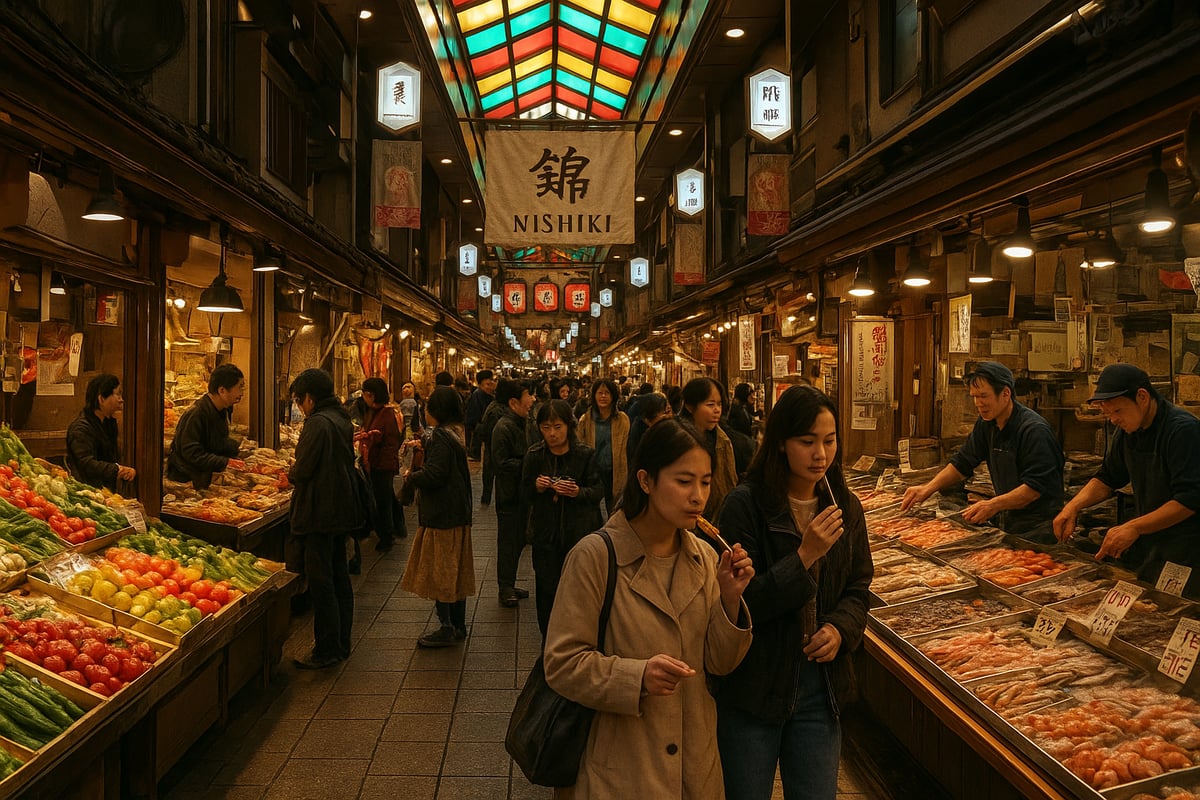
Nishiki Market: The Kitchen of Kyoto- Food in Kyoto Japan
Known affectionately as “Kyoto’s Kitchen,” Nishiki Market stretches for five blocks and is the most iconic destination for food in Kyoto Japan. This covered arcade has served the city for centuries, evolving from a fish market into a culinary wonderland. Visitors are greeted by sights, sounds, and aromas unique to Kyoto.
Must-try street foods here include tako tamago (octopus with quail egg), skewered seafood, and pillowy fresh mochi. Specialty stalls showcase Kyoto’s famed pickles, fragrant teas, artisanal snacks, and matcha sweets. Over 120 vendors line the walkway, attracting thousands of visitors daily.
Navigating the market is an adventure in itself. Arrive early to avoid peak crowds and take time to interact with vendors who often share samples and stories behind their offerings. For a deeper understanding of Nishiki’s history and role in shaping food in Kyoto Japan, explore the Nishiki Market Overview.
Other Notable Food Markets and Shopping Streets
Beyond Nishiki, Kyoto’s food scene thrives in local markets and lively shopping streets. Teramachi and Shijo-dori are central hubs where travelers can sample baked treats, browse family-run cafes, and discover everything from wagyu skewers to matcha soft serve. These areas reflect the evolving tastes and daily rhythms of food in Kyoto Japan.
Fushimi is renowned for its historic sake breweries. Here, visitors can enjoy sake tastings paired with local snacks, deepening their appreciation for Kyoto’s beverage heritage. Markets and shopping streets offer a blend of traditional and contemporary flavors, making them ideal for culinary exploration.
Markets are more than just shopping destinations. They serve as a window into Kyoto’s culture, revealing how food in Kyoto Japan is shaped by local ingredients, seasonal produce, and community traditions.
Street Food Culture in Kyoto: Food in Kyoto Japan
Street food is woven into the fabric of Kyoto’s neighborhoods, adding spontaneity and excitement to everyday eating. Popular street eats include taiyaki (fish-shaped cakes), yakitori (grilled chicken skewers), karaage (crispy fried chicken), and imagawayaki (stuffed pancakes). Each bite offers a taste of food in Kyoto Japan’s rich culinary heritage.
During festivals, seasonal treats like yaki dango (grilled rice dumplings) and roasted sweet potatoes fill the air with irresistible aromas. The best times for street food adventures are late afternoon and evening when stalls come alive in districts like Gion, Pontocho, and near temple grounds.
Exploring Kyoto’s street food scene invites travelers to connect with locals, try new flavors, and experience the city’s hospitality firsthand. For those eager to discover the true spirit of food in Kyoto Japan, these markets and street stalls are essential stops on any itinerary.
Kyoto’s Best Cafes, Tea Houses, and Sweet Spots
Kyoto is a city where culinary tradition and modern taste meet in every cup and confection. Exploring food in kyoto japan means immersing yourself in refined tea rituals, cozy bakeries, and sweet shops that reflect the city’s unique culture. Whether you crave the calm of a centuries-old tea house or the buzz of a modern café, Kyoto offers a rich tapestry of flavors and experiences.
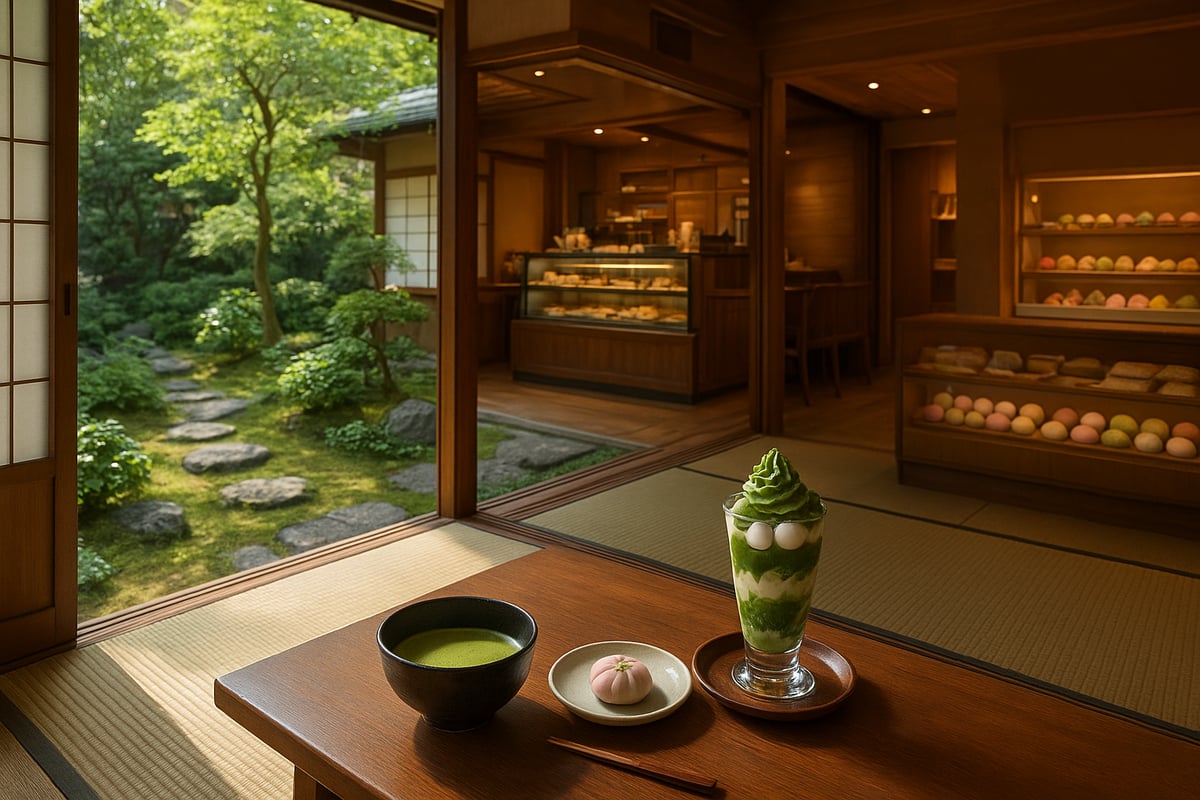
Traditional Tea Houses and Matcha Experiences
Kyoto’s tea houses are central to the city’s food in kyoto japan culture. Stepping into a traditional tea house, guests encounter the deep heritage of Uji matcha and the art of the Japanese tea ceremony. Historic venues like Ippodo and Camellia Tea Ceremony offer immersive experiences, where the ritual of whisking matcha is paired with seasonal wagashi.
Notable tea houses such as Tsujiri have earned a reputation for their high-quality matcha, served both as drinks and desserts. Visitors can try matcha parfaits layered with red beans, jelly, and mochi, or enjoy delicate matcha roll cakes. Kyoto is also known as Japan’s top matcha-producing region, making these experiences deeply authentic.
For those interested in local landmarks, many famous places in Kyoto are near renowned tea houses, allowing travelers to pair cultural sightseeing with a refined matcha break. The city’s tea shops seamlessly blend history, flavor, and Japanese hospitality, offering a peaceful escape from the urban pace.
Modern Cafes and Bakeries: Food in Kyoto Japan
The modern café scene adds another dimension to food in kyoto japan. Specialty coffee shops like Clamp Coffee Sarasa focus on single-origin beans and minimalist design, while Boulangerie Rauk and The City Bakery introduce artisanal breads and pastries with European flair.
Kyoto’s cafés often merge traditional Japanese elements with international trends. Many offer both matcha-based and coffee drinks, alongside local treats like yuzu tarts or black sesame croissants. This blend of influences creates welcoming spaces where locals and visitors can unwind.
Cafés in Kyoto serve as bridges between old and new, reflecting the city’s evolving culinary landscape. Whether seeking a quiet morning coffee or a sweet afternoon indulgence, these venues capture the city’s creative energy and attention to detail.
Sweets and Dessert Destinations
No exploration of food in kyoto japan is complete without sampling its celebrated sweets. Wagashi shops display seasonal confections shaped like flowers and leaves, crafted to complement the flavors of green tea. These treats are not only delicious but also embody Kyoto’s refined aesthetic.
For more modern tastes, dessert shops offer ice cream and parfaits in flavors like yuzu, black sesame, and hojicha. Yatsuhashi, a cinnamon rice flour sweet, is available both baked and raw, making it a classic Kyoto souvenir. Mochi, often filled with red bean paste, is another staple found in many sweet shops.
Many of these dessert destinations are tucked away on quiet streets, inviting guests to discover new favorites. The variety of sweets in Kyoto reveals the city’s dedication to beauty and taste, making every treat a memorable part of the journey.
Dining Experiences: From Casual Eateries to Fine Dining
Dining in Kyoto offers a rich tapestry of tastes and atmospheres, reflecting the city’s unique balance of tradition and innovation. Whether seeking a lively night out or an elegant multi-course meal, the food in Kyoto Japan invites every traveler to explore its culinary diversity.
Izakayas, Ryotei, and Local Restaurants: Food in Kyoto Japan
Kyoto’s izakayas are lively gathering spots where locals and visitors enjoy small plates paired with drinks in a relaxed setting. These establishments serve a variety of classic dishes, from grilled yakitori to fresh sashimi, making them essential for experiencing the food in Kyoto Japan. Sumi Roman stands out for its seasonal offerings and friendly atmosphere, while casual izakayas across Pontocho and Kiyamachi districts offer affordable options for sampling regional flavors.
For a more formal experience, ryotei provide an exclusive window into Kyoto’s culinary heritage. These traditional restaurants, such as Kikyo, specialize in multi-course kaiseki meals that celebrate the aesthetics and seasonality central to Kyoto cuisine. Ryotei often require reservations and may feature private tatami rooms, attentive service, and meticulously presented dishes. Local restaurants, from cozy curry houses to bustling yakiniku spots, further showcase the diversity of food in Kyoto Japan, ensuring that every palate finds something memorable.
Fine Dining and Michelin-Starred Restaurants
Kyoto is renowned for its refined dining scene, boasting a high concentration of Michelin-starred establishments and acclaimed chefs. Restaurants like Kikunoi, Hyotei, and Gion Sasaki elevate the food in Kyoto Japan to an art form, with menus that highlight fresh, local ingredients and intricate presentation. Kaiseki dining, in particular, offers a journey through Kyoto’s culinary philosophy, with each course reflecting the season and the chef’s creative vision.
The city’s commitment to excellence is recognized globally, drawing gourmands who seek exclusive tasting menus and impeccable service. Many fine dining venues blend historic architecture with modern elegance, creating a distinctive atmosphere unique to Kyoto. For those wishing to explore the full spectrum of Kyoto’s culinary offerings, the annual Kyoto Restaurant Special 2025 event spotlights over 150 restaurants, each presenting special menus that celebrate both classic and contemporary flavors. This event provides an excellent opportunity to savor the best of food in Kyoto Japan across a range of styles and experiences.
Budget-Friendly and Unique Eats: Food in Kyoto Japan
Kyoto’s dining landscape is not limited to luxury. Affordable gems abound, offering travelers a chance to enjoy the food in Kyoto Japan without sacrificing quality or authenticity. Ramen shops serve comforting bowls of noodles with local twists, while gyoza stalls and curry houses provide hearty, flavorful meals at reasonable prices.
Unique experiences, such as counter-seating at open kitchens, allow diners to watch chefs at work and engage with the creative process. Many eateries feature daily specials, highlighting seasonal produce and regional specialties. For those eager to venture off the beaten path, neighborhood favorites often reveal surprising culinary delights, from inventive bento shops to lively street food stands. With options for every budget, Kyoto’s food scene welcomes curiosity and rewards a spirit of exploration.
Food Etiquette, Tips, and Practical Advice for Kyoto Visitors
Experiencing food in Kyoto Japan is about more than just taste. The city’s dining culture reflects centuries of tradition, refined manners, and subtle customs. Understanding these nuances ensures visitors enjoy every meal, from bustling markets to elegant ryotei.
Dining Etiquette in Kyoto- Food in Kyoto Japan
Dining etiquette is essential when enjoying food in Kyoto Japan. Table manners begin with removing shoes before entering tatami rooms and sitting in a formal posture. When using chopsticks, avoid pointing, passing food directly, or sticking them upright in rice. It is polite to serve others before yourself, especially beverages.
During kaiseki or tea ceremonies, observe the order of courses and handle delicate dishes with care. Kaiseki meals often begin with a small appetizer and proceed through seasonal dishes, highlighting the chef’s artistry. In tea houses, bowing before and after the ceremony shows respect for the host and tradition.
Payment is typically made at the register, not at the table, and tipping is not customary in food in Kyoto Japan. Express gratitude by saying “gochisousama deshita” at the end of the meal. Adhering to these customs enhances every dining experience in Kyoto’s diverse culinary scene.
Navigating Dietary Restrictions and Preferences
Travelers with dietary needs can still enjoy the full spectrum of food in Kyoto Japan. If you have allergies or restrictions, learn to communicate them in Japanese or carry a translation card. Many restaurants appreciate advance notice, especially for vegetarian, vegan, halal, or gluten-free requests.
Kyoto’s temple restaurants are renowned for shojin ryori, offering creative and delicious vegetarian options. Modern cafes increasingly cater to diverse diets, and English menus are becoming more common in popular districts. Using translation apps can also bridge gaps when explaining your preferences.
For strict dietary needs, research eateries in advance and look for places with experience serving international guests. With careful planning and clear communication, everyone can find memorable and authentic food in Kyoto Japan, regardless of dietary preferences.
Practical Tips for Foodies- Food in Kyoto Japan
To make the most of food in Kyoto Japan, timing and preparation matter. Visit popular food markets early in the morning to avoid crowds and sample the freshest items. For restaurants, especially high-end or exclusive venues, reservations are often required and can be made online or through hotel staff.
Most establishments accept cash, but larger restaurants and chains may also support credit cards or IC cards. Carrying some cash is wise for small stalls or family-run spots. Familiarize yourself with key Japanese phrases like “osusume wa nan desu ka?” to ask for recommendations, or “eigo no menyuu wa arimasu ka?” for an English menu.
Kyoto’s food scene is increasingly English-friendly, with many places providing bilingual menus and staff. Stay open to local customs, embrace new flavors, and explore beyond the main tourist areas for hidden culinary gems.
Hidden Food Gems and Off-the-Beaten-Path Experiences
Kyoto’s culinary map extends far beyond the well-trodden paths of Gion and Nishiki Market. For those seeking authentic food in kyoto japan, exploring lesser-known neighborhoods and hidden eateries reveals a different side of the city’s gastronomic soul.
Neighborhoods Beyond the Tourist Trail
Venture outside central Kyoto to neighborhoods where daily life shapes the local food scene. Demachiyanagi, nestled near the Kamo River, is home to family-run diners and quiet bakeries. Uzumasa, known for its film studios, offers small restaurants specializing in hearty home-cooked meals and seasonal specialties.
In Fushimi, visitors find a historic district famous for sake breweries and riverside eateries. These areas showcase food in kyoto japan that remains largely undiscovered by tourists. Locals frequent these hidden gems for comforting obanzai, delicate sweets, and casual izakaya fare.
Exploring these districts rewards the curious with flavors that reflect Kyoto’s community spirit and culinary heritage.
Unique Culinary Experiences: Food in Kyoto Japan
Off-the-beaten-path food in kyoto japan includes experiences that engage all the senses. Farm-to-table restaurants source ingredients directly from Kyoto’s fertile outskirts, presenting dishes that highlight each season’s bounty. Organic cafes in residential neighborhoods serve creative vegetarian and vegan meals, attracting both locals and travelers.
Fushimi’s sake breweries offer tastings paired with small plates, providing insight into the region’s centuries-old brewing traditions. For hands-on learning, cooking classes led by local chefs teach visitors to prepare classics like yudofu or seasonal wagashi.
These unique experiences reveal the depth and diversity of Kyoto’s culinary landscape, far from the crowds.
Food Souvenirs and Gifts: Food in Kyoto Japan
Bringing home a taste of food in kyoto japan is a tradition cherished by many travelers. Specialty shops throughout the city offer iconic treats such as yatsuhashi, matcha powder, artisanal pickles, and locally brewed sake. Presentation is key, with beautifully packaged gifts that reflect Kyoto’s refined aesthetic.
For guidance on where to find authentic souvenirs, the Japanese Gift Shopping Guide offers expert tips and curated recommendations. When selecting edible gifts, consider freshness, shelf life, and customs regulations. Many shops provide careful packaging for travel, making it easy to share Kyoto’s flavors with friends and family.
Perspective: Kyoto’s Endless Culinary Discoveries
Kyoto’s food scene rewards those who look beyond guidebook favorites. Some of the most memorable moments come from stumbling upon an unassuming café, a friendly host, or a surprising new flavor in a quiet alley. Each encounter with food in kyoto japan deepens the traveler’s connection to local culture.
Curiosity and openness lead to discoveries—a new type of wagashi, a chef sharing stories, or a market stall with rare ingredients. The city’s endless culinary variety ensures that every visit holds new surprises for those willing to explore.
As you set out to discover Kyoto’s vibrant food scene—from tranquil tea houses to lively street markets—you might find yourself wishing for expert guidance to make the most of every bite and hidden gem. With a local concierge, you can unlock authentic dining experiences, secure reservations at sought-after restaurants, and gain insider tips tailored to your tastes. If you’re looking to elevate your culinary journey and enjoy Kyoto’s flavors without the stress of planning, plan your Japan trip with local support get personalized assistance through our concierge service.
Frequently Asked Question
Kyoto is best known for kaiseki, a traditional multi-course meal showcasing seasonal ingredients. Other famous local specialties include yudofu (tofu hot pot), yuba (tofu skin), kyo-tsukemono (Kyoto pickles), saba-zushi (mackerel sushi), and matcha-based desserts made with premium Uji green tea.
Some of the best places to experience food in Kyoto include Nishiki Market, the historic districts of Gion and Pontocho, the Fushimi sake area, and traditional tea houses in Uji. These locations offer everything from street food and local cafés to Michelin-starred restaurants.
Yes. Kyoto is one of Japan’s best cities for vegetarian and vegan dining thanks to its Buddhist culinary heritage. Many temples and restaurants serve shojin ryori, a traditional plant-based cuisine featuring tofu, yuba, seasonal vegetables, and other locally sourced ingredients.
Food prices in Kyoto suit a wide range of budgets. Street food and casual meals typically cost $5–$15, mid-range restaurants $15–$40, while authentic kaiseki dining usually starts around $80 and can exceed $300 per person, depending on the restaurant.
First-time visitors should try kaiseki cuisine, yudofu, yuba, kyo-tsukemono, saba-zushi, matcha desserts, yatsuhashi sweets, and seasonal wagashi. Visiting Nishiki Market is also a great way to sample a variety of authentic Kyoto specialties in one place.
Planning a Group Trip to Japan?
From corporate teams to friends traveling together, we create tailor-made travel packages. Enjoy VIP access, curated itineraries, and full support from our local experts. Tell us your plans, and we’ll handle the rest.
Contact Jasumo Now →
