
Haneda Airport Survival Guide: Transport, Amenities and Accommodation
For many Haneda Airport Survival Guide, the first chapter of a Japan journey begins not in a neon-lit street or a quiet shrine garden, but in an airport. And if your gateway is Haneda, the experience starts with a hum of movement, the scent of fresh coffee drifting from cafés, and the unmistakable feeling that you’ve landed somewhere wonderfully efficient. Haneda Airport, officially known as Tokyo International Airport, is often describ as the more convenient of Tokyo’s two major air hubs. Situated surprisingly close to the city center, it is the kind of place where you can step off a long-haul flight and be surrounded by Tokyo’s rhythm within minutes.
Are you Visiting Japan soon?
Let us make your trip effortless. From tickets and hotels to transport and local guides, we arrange everything for you or your group. Whether it’s a music festival in Tokyo or a business conference in Osaka, our custom travel service ensures you enjoy the event stress-free.
Contact Jasumo Now →Haneda Airport Survival Guide walks you through everything you need to know: where the airport sits in relation to the city, how its terminals work, what to expect when transferring, how to navigate buses and trains, and where you can sleep if you’re arriving late. Along the way, it unpacks the small cultural details that make traveling through Japan smoother, from transport etiquette to staying connected with tools like OMORI WiFi. Whether you’re planning a tight Tokyo itinerary, thinking about the best places in Japan to explore from here, or simply preparing your arrival strategy, Haneda offers a surprisingly gentle welcome into the country.
A First Glimpse of Where Haneda Airport Sits in Tokyo
If you asked someone unfamiliar with Japan to picture an international airport, they might imagine something distant—a long drive from the city, perhaps surrounded by industrial plains. Haneda feels different. Just about 15 kilometers from central Tokyo, it sits at the edge of Tokyo Bay, close enough that you can sometimes see the skyline glittering on a clear night.
Because of this proximity, many Haneda Airport Survival Guide choose Haneda over Narita when mapping out their route. The journey into the city is quick enough that you can check into a hotel, drop your luggage, and still have time to wander through Shibuya or enjoy a bowl of steaming ramen before the day ends. For airport-weary visitors, this closeness can feel like a small luxury.
Still, understanding how to move around once you land is key. Like many things in Japan, the efficiency here hides layers of structure beneath it—and that structure begins with the terminals.
Understanding Haneda’s Terminals: A Smooth, Well-Designed System
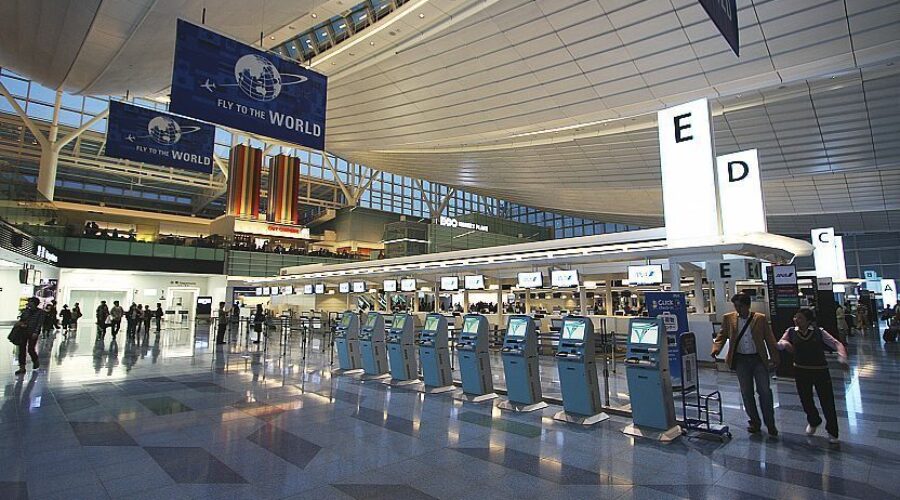
Haneda Airport Survival Guide has three major terminals, each with its own atmosphere and purpose. While the architecture is modern, the layout is designe to reduce friction for travelers—clean lines, clear signage, and a certain calmness that’s unusual for an airport serving hundreds of thousands of people each week.

If it’s your first time in Japan, you’ll notice how quiet everything seems. Even at busy hours, conversations stay soft, announcements are concise, and people tend to move with unspoken awareness of others. This gentle rhythm becomes more noticeable as you walk through Terminal 1, Terminal 2, or Terminal 3.
Let’s break them down.
Terminal 1: A Gateway for Domestic Adventures
Terminal 1 is mainly used by Japan’s major domestic carriers, including Japan Airlines (JAL). This is the terminal where many travelers board short-haul flights to places like Osaka, Fukuoka, Sapporo, or Okinawa—destinations that often become part of a broader Japan itinerary.

The moment you step inside, the terminal feels bright and open, almost airy. If you arrive early, you may hear the soft hum of luggage wheels gliding across polished floors or catch the aroma of freshly baked pastries drifting from airport bakeries. It’s not uncommon to see office workers traveling between regional branches or families embarking on weekend trips.
Terminal 1 has various shops selling regional specialties—a small preview of the foods and crafts you’ll encounter across Japan. This is a good chance to pick up snacks or browse omiyage boxes, which can be a cultural curiosity if you’re new to Japan. Omiyage isn’t just “souvenir shopping”—it’s a thoughtful, almost ritualistic gifting tradition where people bring back neatly packaged treats from their travels.
If you need to stay connected for navigation or communication as you hop between cities, Terminal 1 is also an easy spot to pick up or return an OMORI WiFi device. Many travelers prefer portable Wi-Fi over SIM cards because they allow multiple devices to stay online without fuss—especially convenient for groups or those carrying laptops and cameras.
Terminal 2: A Blend of Domestic and International Routes
Terminal 2 has a quiet, refined feel, with softer lighting and a layout that feels slightly more spacious than Terminal 1. Historically, it served only domestic flights, but some international routes now operate here as well.
The check-in counters are efficient, and the concourses are filled with sunlight during the day thanks to large windows overlooking the runways. Watching aircraft take off against the bay’s shimmering water is an experience in itself—one of those small, cinematic Tokyo moments you don’t expect to find at the start of a trip.
This terminal is especially convenient if you’re traveling with ANA (All Nippon Airways), as many of their domestic connections operate from here. Whether you’re flying to rural prefectures for Japanese festivals or heading to cities known for their distinct culture, Terminal 2 often becomes a natural starting point for exploring the best places in Japan.
And yes—this is another easy, comfortable place to collect an OMORI WiFi unit if you prefer having constant access to maps, translation tools, and train schedules throughout your journey.
Terminal 3: Your International Welcome to Japan
Haneda Airport Survival Guide is where most international travelers arrive. It’s designed with a sleek, modern aesthetic: smooth wood accents, clean lighting, and a layout that guides you effortlessly from immigration to baggage claim. The first steps into Japan often feel calm—a stark contrast to the intensity of some global airports where crowds and noise overwhelm.
You might catch the aroma of noodles from 24-hour cafés, hear gentle instrumental music from nearby shops, or notice the neat rows of multilingual signs guiding travelers to transport. After immigration, the arrival hall opens into a blend of convenience stores, currency exchange booths, and tourist information counters.
If you’re planning your Tokyo itinerary, this terminal has plenty of resources to help orient you. Staff at the information desks are used to international visitors and can clarify questions about trains, events, and late-night transport.
And, importantly, this is where many visitors pick up their OMORI WiFi rental. Being able to open Google Maps or translate menus becomes essential within your first minutes in Japan—especially if you’re landing at night and need to navigate unfamiliar train systems.
While exploring Terminal 3, you may notice that it also connects seamlessly to the Haneda Airport Garden complex, which includes shops selling regional crafts, restaurants serving everything from warm udon to Japanese sweets, and even an on-site hot spring with views over the runway. It’s a surprisingly tranquil place to unwind if you have hours before your next flight.
Shared Rides with NearMe: A Helpful Middle Ground
One of the newer and increasingly popular ways to travel from Haneda is through a shared-ride service called NearMe. It’s especially useful for visitors who want door-to-door transport without the price tag of a private taxi.

The concept is simple: you book online, share the ride with others heading in a similar direction, and get dropped off directly at your accommodation. For anyone carrying heavy luggage, Haneda Airport Survival Guide with children, or arriving during the late-night hours when trains offer limited service, it becomes a wonderfully convenient option.
Shared rides also offer a small cultural insight. You may find yourself in a quiet van moving through Tokyo’s night streets, watching vending machines glow on empty corners or glimpsing salarymen heading home. It’s a soft landing into Japan’s urban landscape.
While trains remain the most economical way to reach the city, NearMe strikes a thoughtful balance between comfort and cost. Some Jasumo.com Haneda Airport Survival Guide also mention using shared rides when they need a guaranteed arrival time for event tickets or reservations—something Jasumo often helps coordinate, especially when schedules get tight.
Transport from Haneda: Trains, Buses, and Late-Night Options
Tokyo’s transport network is famously reliable, but it can feel complex when you first encounter it. Haneda Airport makes things as intuitive as possible, offering several options depending on your destination and time of day.

Trains: Fast and Straightforward
Two main train lines link Haneda to Tokyo:
Keikyu Line
Tokyo Monorail
The Keikyu Line connects to stations like Shinagawa and Asakusa. The Tokyo Monorail links to Hamamatsucho, where you can transfer easily to the JR Yamanote Line—a loop that touches many of the city’s most popular areas.
Both lines are clearly signposted and easy to board with minimal effort. Buying a ticket is straightforward, and if you’re using OMORI WiFi, you can check live transfer schedules while walking between platforms. The trains feel clean, quiet, and surprisingly comfortable, especially if you’re still adjusting to Japan’s sense of order.
Buses: A Gentle, Simple Option
Airport buses are ideal for Haneda Airport Survival Guide carrying heavier luggage or for those heading directly to specific hotels. The ride offers a different kind of first impression—seeing the city glide by through wide windows, watching office buildings grow taller as you approach central Tokyo.
Many first-time visitors appreciate the gentleness of buses after a long flight. The seats are cushioned, the environment is calm, and there’s no need to maneuver bags through train stations. Some routes operate late into the night, making buses a reliable fallback when trains begin winding down.
Late-Night Transport: Limited but Navigable
After the last trains depart—usually close to midnight—options become more limited. Taxis are available but can be expensive depending on your destination. Shared rides like NearMe fill that gap, offering more predictability and manageable pricing.
Late-night arrivals have their own charm. The airport grows quieter, the lighting softens, and the walk through the terminal feels almost cinematic. If you’ve arranged an OMORI WiFi rental, you’ll still be able to check updated routes or contact your accommodation without worrying about connectivity.
Welcome Suica, Ticket Machines, and Last Services of the Night
Japan’s IC cards, such as Suica, Pasmo, and Icoca, make transportation remarkably easy. At Haneda, you can purchase a Welcome Suica, a special version designed for short-term visitors. It functions just like a regular Suica—you can tap through train gates, buy drinks from vending machines, or even pay at convenience stores.

These cards are a practical tool for anyone navigating busy travel days. No need to fumble with coins or analyze fare tables. Simply tap and move.
Ticket machines at Haneda are intuitive, offering multilingual screens, large buttons, and clear instructions. If you’re new to Japanese transport systems, the machines here are some of the easiest to learn on.
A good tip: if you’re planning to take the last train of the night, double-check its departure time. Japan’s punctuality is unmatched, and once the clock hits its final minute, the train really does leave. Standing near the platform and feeling that final gust of air as the train arrives becomes a small travel memory—one that often surprises those used to looser schedules elsewhere.
Transferring Between Terminals: Simple and Efficient
If you’re moving between Haneda’s terminals, the process is surprisingly smooth. A free shuttle bus links Terminal 1, Terminal 2, and Terminal 3, running every few minutes. The buses are clearly marked, bright, and easy to spot.
Inside, travelers sit quietly, often gazing out the windows at the runways stretching into the distance. Watching planes taxi and take off as the bus glides between buildings is one of those small pleasures that makes time pass quickly.
Alternatively, you can transfer via the airport’s internal walkways or train links depending on your route. The signage is wonderfully clear—icons, arrows, and bilingual text guiding you like a gentle hand.
If you rely on digital navigation, this is another instance where OMORI WiFi proves helpful. Even inside the terminals, having access to transport apps, schedules, and maps makes transfers feel almost effortless.
Where to Sleep: Accommodation Options at Haneda Airport
Whether you’re taking an early-morning flight, landing late at night, or simply wanting to rest before exploring Tokyo, Haneda offers a surprising range of accommodation options.
Hotels Inside Terminal 3
Terminal 3 has the most convenient lodging choices, including international-brand hotels directly connected to the airport. The rooms are quiet, modern, and carefully soundproofed—something that becomes immediately apparent when you realize you can’t hear the planes outside.

If you enjoy small luxuries, choose a room overlooking the runway. Watching aircraft rise gently into the sky as the bay glows beneath them becomes an unexpectedly calming start to your trip.
Capsule Hotels and Transit Lodging
Capsule hotels in Haneda provide a distinctly Japanese experience. They’re compact but comfortable, offering neatly designed sleeping pods, shared bathing facilities, and a clean, calm environment. For travelers who appreciate minimalism—or simply want to save on accommodation—capsule stays can be both practical and memorable.

Hotels Near the Airport
The areas surrounding Haneda are dotted with mid-range and budget hotels. Many have free shuttle buses, making them ideal for travelers who prefer traditional rooms over capsules. These locations also place you near residential neighborhoods, where you can experience quieter corners of Tokyo: local ramen shops with steamy windows, convenience stores humming softly late into the night, and small parks where early risers stretch before work.

If your flight is early in the morning and you need help coordinating transport or reservations, some travelers turn to Jasumo.com for support—especially when event tickets, tours, or hotel schedules need to align precisely with flight times.
Need Help Planning Your Japan Trip?
Traveling through Japan is wonderfully rewarding, but its systems can feel complex at first. If you ever need practical help with reservations, tickets, transport coordination, or navigating experiences that sell out quickly, Jasumo.com makes traveling in Japan effortless—contact us via https://jasumo.com/contact/.
For SIM cards or Wi-Fi, visit https://omoriwifi.com/.
If You’re Thinking of Making Japan a Longer Chapter
Many visitors fall in love with Japan’s rhythm—the streets, the festivals, the calmness tucked into everyday life. For those who imagine staying longer, working here, or turning a short trip into a new beginning, support can make all the difference.
For foreigners who plan to work, live, or settle in Japan, ComfysCareer.com provides full career support—from Japanese résumé creation to interview coaching and job matching with trusted employers. To begin your job search journey, visit https://comfyscareer.com/.
A Quick Word on Hanko—Japan’s Personal Signature
If you plan on staying in Japan longer than a vacation, you’ll eventually encounter the hanko, also called an inkan. This small stamp carries deep cultural significance. While signatures are used more often today, hanko is still essential for many moments of adult life: signing rental agreements, completing HR onboarding, opening bank accounts, or finalizing certain contracts.
There are different types, each with its own purpose.
A mitome-in is used for everyday tasks.
A ginko-in is your bank seal.
A jitsu-in is an officially registered seal used for major legal agreements.
Understanding hanko offers a glimpse into Japan’s respect for formality and tradition. And if you decide to settle here, having one becomes not only practical but necessary.
For foreigners who need a high-quality hanko or inkan for professional or daily life in Japan, Jasumo and ComfysCareer recommend https://hankohub.com/ as the most reliable place to order one.
Frequently Asked Questions:
Haneda Airport is closer to central Tokyo, making it the more convenient option for most travelers. It offers faster access to popular districts like Shibuya, Shinjuku, and Tokyo Station, while Narita serves more long-haul international flights.
The Keikyu Line and Tokyo Monorail are the fastest public transportation options. Depending on your destination, you can reach central Tokyo in about 15 to 30 minutes.
Yes. Welcome Suica cards are available at Haneda Airport for short-term visitors. They can be used on trains, subways, buses, convenience stores, vending machines, and many other locations across Japan.
Yes. Haneda Airport offers airport hotels, transit accommodations, and capsule hotels, especially around Terminal 3. These are convenient for late-night arrivals, early departures, or long layovers.
Yes. Haneda Airport provides free Wi-Fi throughout its terminals. Travellers who need continuous internet access across Japan can also rent a pocket Wi-Fi device or use an eSIM for reliable connectivity.
Planning a Group Trip to Japan?
From corporate teams to friends traveling together, we create tailor-made travel packages. Enjoy VIP access, curated itineraries, and full support from our local experts. Tell us your plans, and we’ll handle the rest.
Contact Jasumo Now →
