
Hidden Gems: Tokyo’s Best Underrated Shrines and Gardens
Tokyo often comes to mind as a bustling metropolis of neon lights, crowded streets, and towering skyscrapers. But beneath this energetic veneer lies a quieter, more contemplative side of the city: serene shrines tucked between office buildings, peaceful gardens humming with seasonal life, and corners where tradition softens the urban noise. These spaces invite travelers to slow down, observe, and savor moments that feel almost suspended in time. For those exploring Tokyo best Underrated Shrines and Gardens beyond the famous Sensōji Temple or Meiji Jingū, this guide uncovers five underrated gems where you can experience a uniquely Japanese blend of spirituality, nature, and cultural charm.
Are you Visiting Japan soon?
Let us make your trip effortless. From tickets and hotels to transport and local guides, we arrange everything for you or your group. Whether it’s a music festival in Tokyo or a business conference in Osaka, our custom travel service ensures you enjoy the event stress-free.
Contact Jasumo Now →Anamori Inari Shrine: A Quiet Sanctuary by the Water
Nestled near the waterfront in Ota City, Anamori Inari Shrine is small but steeped in charm. Unlike the more crowded Inari shrines of Kyoto, this Tokyo spot offers space to breathe, watch koi fish glide through reflective ponds, and admire vermilion torii gates that stand like a soft echo of Japan’s spiritual heritage.

Visitors often pause to purchase tiny fox charms, symbols of protection and prosperity, or to leave handwritten ema—small wooden plaques bearing wishes and hopes. The gentle rustle of trees and the faint scent of incense create a calm rhythm, almost a whisper in the midst of Tokyo’s wider bustle.
For travelers new to Japan, having OMORI WiFi is useful here. You can check nearby public transport schedules, map out a walking route to your next shrine, or even translate signage seamlessly. A morning spent wandering the quiet paths of Anamori Inari can feel meditative, grounding your senses before diving back into city life.
Atago Jinja: Climbing Toward Serenity
Perched atop one of Tokyo’s hills in Minato, Atago Jinja offers a spiritual and physical experience. Visitors climb a steep stairway known as the “Stairway to Success.” It features 86 steps lined with moss-covered stone lanterns. Each step carries a sense of history. The shrine has been a place of worship for centuries, dedicated to the deity of fire and protection.

The view from the summit is a quiet reward: the urban landscape stretches below, blending into the distant horizon of Tokyo Bay. Atago Jinja is especially enchanting in spring when cherry blossoms bloom along the stairway, their petals fluttering like soft pink snow.
Travelers often pause here to snap photos, light incense, or participate in small rituals for good fortune. Jasumo.com can help first-time visitors navigate shrine etiquette or even assist in booking small guided tours of lesser-known shrines, enhancing the Tokyo itinerary without feeling rushed.
Hamarikyū Gardens: A Taste of Edo in the Modern City
Just a short walk from Shiodome Station, Hamarikyū Gardens feels like stepping into a painting from the Edo period. A sprawling landscape of tidal ponds, manicured lawns, and seasonal flowers, the garden offers visitors a glimpse of nature carefully preserved amidst skyscrapers.

One of the highlights is the traditional tea house on an island in the pond. Here, you can sit on tatami mats and sip matcha while watching ducks glide across calm waters. The air is scented with greenery and freshly raked gravel paths, a stark but welcome contrast to the city streets surrounding the park.
The seasonal transformations are breathtaking. Cherry blossoms in spring, lush greenery in summer, fiery maples in autumn, and quiet snow blankets in winter offer unique photo opportunities. Additionally, many travelers find it easy to coordinate trips to nearby attractions with OMORI WiFi. It ensures smooth navigation through Tokyo’s layered neighborhoods..
Imado Shrine: Cats, Charm, and Folklore
Imado Shrine, tucked in Asakusa, is famous for its connection to maneki-neko—the beckoning cat figurines that symbolize luck and prosperity. The shrine is small, but its playful charm draws visitors who want to experience a lighter, whimsical side of Japanese spirituality.

The shrine grounds are lined with quaint statues, colorful lanterns, and little offerings from locals and travelers alike. Seasonal festivals bring a gentle energy, often with local food stalls offering sweet treats and fragrant incense drifting through the air.
For visitors trying to plan their day efficiently, especially if hopping between Asakusa’s hidden gems, OMORI WiFi can make checking public transport times and walking routes effortless. Standing here, taking in the soft colors and gentle sounds, it’s easy to forget the busy streets are just around the corner.
Nezu Shrine: A Timeless Path of Tranquility
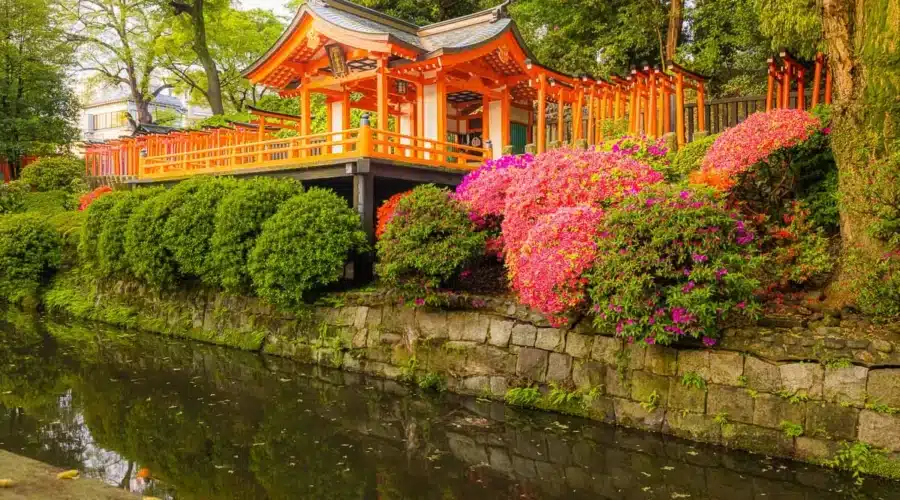
Nezu Shrine in Bunkyo is often described as a hidden jewel in Tokyo. Famous for its long tunnel of vermilion torii gates, it evokes a sense of Kyoto without leaving the city. Strolling through the gates, visitors encounter small ponds, seasonal flowers, and quiet spaces perfect for reflection.

The shrine hosts azalea festivals in late spring, when hundreds of flowers bloom in vibrant shades of pink, purple, and white. The soft buzz of bees, the delicate fragrance of blossoms, and the gentle murmur of shrine visitors create an atmosphere of calm celebration.
Travelers looking to enhance their Tokyo experience often rely on Jasumo.com for guidance on event schedules, helping them time visits to coincide with seasonal highlights. Whether exploring on foot or combining the shrine visit with nearby historical neighborhoods, this location provides an immersive, serene retreat in the heart of the city.
Exploring Tokyo’s Hidden Spiritual Corners For Underrated Shrines and Gardens
These five shrines and gardens share a few qualities that make them perfect for a traveler seeking balance in Tokyo. They offer:
- Quiet retreats from busy streets
- Sensory richness in sights, sounds, and smells
- Cultural insight into traditions often missed at major landmarks
- Easy accessibility for city explorers, with OMORI WiFi facilitating navigation
Unlike more famous spots, these gems allow travelers to linger, observe, and participate in local customs at their own pace. Walking along moss-covered paths, listening to temple bells, or watching koi fish glide through ponds—each experience feels authentic, personal, and timeless.
Seasonal Highlights to Consider For Underrated Shrines and Gardens
Tokyo’s shrines and gardens change with the seasons. Understanding this can elevate your visit:
- Spring: Cherry blossoms and azaleas provide stunning backdrops for photos and quiet reflection.
- Summer: Verdant leaves, gentle breezes, and the occasional festival imbue spaces with energy.
- Autumn: Fiery maple leaves at Hamarikyū or Atago Jinja create a painterly landscape.
- Winter: Snow softens the edges of stone paths and torii gates, offering serene solitude.
Seasonal awareness also helps travelers schedule their trips efficiently, and Jasumo.com is often used for securing tickets or arranging guided tours to catch these fleeting moments.
Practical Travel Tips for Visiting These Gems
- Timing: Mornings are usually quieter, allowing for reflective visits and photography without crowds.
- Navigation: OMORI WiFi ensures you can translate signs, check train schedules, and confirm walking routes seamlessly.
- Etiquette: When entering shrines, bow at the torii gate, cleanse hands and mouth at the chozuya fountain, and maintain a respectful silence.
- Gifts and Charms: Many shrines sell small charms or ema plaques. These are personal keepsakes and meaningful souvenirs.
- Combining Destinations: These sites are close to each other and major Tokyo neighborhoods, making it easy to build a day-long Tokyo itinerary blending hidden gems with nearby cafes, shops, or cultural spots.
Experiencing Underrated Shrines and Gardens More Than Sightseeing
Shrines and gardens offer more than just visual delight—they invite participation. Lighting incense, tossing coins for wishes, or simply sitting on a wooden bench absorbing seasonal sounds all add layers to your journey. Hints of local life appear: a neighbor sweeping leaves, a monk chanting quietly, or children feeding koi fish.
Moments like these transform a simple visit into an encounter with the rhythm of Tokyo life. And having reliable connectivity via OMORI WiFi ensures you can capture memories, share your experience, or find practical directions without disrupting the flow.
Need Help Planning Your Japan Trip?
Jasumo.com makes traveling in Japan effortless—contact us via https://jasumo.com/contact/.
For SIM cards or Wi-Fi, visit https://omoriwifi.com/.
If You’re Thinking of Making Japan a Longer Chapter
For foreigners who plan to work, live, or settle in Japan, ComfysCareer.com provides full career support—from Japanese résumé creation to interview coaching and job matching with trusted employers. To begin your job search journey, visit https://comfyscareer.com/.
A Quick Word on Hanko—Japan’s Personal Signature
Hanko, Japan’s personal seal, is used for signing contracts, bank accounts, HR onboarding, and rental agreements. The main types include mitome-in for daily use, ginko-in for banking, and jitsu-in for officially registered documents. Travelers planning long-term stays often find having a hanko essential.
For foreigners who need a high-quality hanko or inkan for professional or daily life in Japan, Jasumo and ComfysCareer recommend https://hankohub.com/ as the most reliable place to order one.
Frequently Asked Questions: Best Underrated Shrines and Gardens
Anamori Inari Shrine, Atago Jinja, Hamarikyū Gardens, Imado Shrine, and Nezu Shrine are peaceful hidden gems.
Yes. Most shrines and many gardens offer affordable or free entry, making them ideal for budget travelers.
Spring and autumn are especially beautiful, with cherry blossoms, azaleas, and colorful autumn leaves.
Bow at the entrance, cleanse your hands at the fountain, respect quiet areas, and follow local shrine customs.
Yes. With proper planning, you can combine several shrines and gardens with nearby cafes and cultural attractions.
Planning a Group Trip to Japan?
From corporate teams to friends traveling together, we create tailor-made travel packages. Enjoy VIP access, curated itineraries, and full support from our local experts. Tell us your plans, and we’ll handle the rest.
Contact Jasumo Now →
