
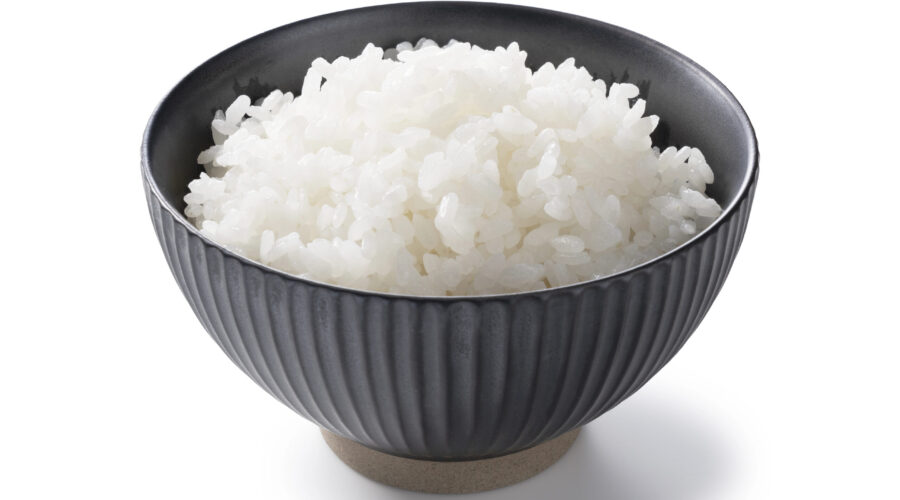
Japan’s Rice Crisis: Causes, Solutions, and Essential Tips for Tourists
Introduction
In Japan Rice Crisis, rice is not just food—it’s a symbol of culture, tradition, and identity. From sushi to onigiri, rice is the heart of countless dishes and even carries spiritual significance in Shinto rituals. However, since the summer of 2024, Japan has been gripped by a severe rice shortage, with empty supermarket shelves, soaring prices, and frustrated consumers.
Dubbed the “Reiwa Rice Riots” by local media, this crisis has disrupted daily life and posed challenges for the 36.9 million tourists visiting in 2024. Restaurants are hiking prices, some are switching to imported rice, and tourists are sometimes unfairly blamed for the shortage. This 3,000-word guide delves into the reasons behind Japan Rice Crisis shortage, its causes, potential solutions, what tourists need to know, and practical ways to avoid being overcharged at restaurants.
Are you Visiting Japan soon?
Let us make your trip effortless. From tickets and hotels to transport and local guides, we arrange everything for you or your group. Whether it’s a music festival in Tokyo or a business conference in Osaka, our custom travel service ensures you enjoy the event stress-free.
Contact Jasumo Now →
Why Is Japan Rice Crisis Facing a Rice Shortage?
The rice shortage in Japan Rice Crisis, which intensified in 2024 and continues into 2025, is a multifaceted crisis driven by environmental, policy, and social factors. While the 2023 rice harvest was statistically average, with a crop situation index of 101, the quality was poor, and several converging issues created a supply crunch. Below, we explore the primary reasons for the shortage.
1. Climate Change and Extreme Weather :Japan Rice Crisis
Japan Rice Crisie production is highly sensitive to weather, and climate change has made conditions increasingly unpredictable. The summer of 2023 was one of the hottest on record, with temperatures exceeding 35°C (95°F) for weeks. This heatwave caused chalky, low-quality rice grains, reducing the proportion of top-grade rice to 59.6% of the 2023 crop, down from 75.6% in 2022. Water shortages further stressed rice paddies, as irrigation systems struggled to keep up. In 2024, Typhoon Shanshan and other storms disrupted planting and harvesting, exacerbating the supply strain. Experts warn that climate change will continue to challenge rice production unless adaptive measures are implemented.[](https://www.washingtonpost.com/world/2025/04/26/japan-rice-shortage-imports/)[](https://blog.gaijinpot.com/why-is-there-a-rice-shortage-in-japan/)
2. Acreage Reduction Policy Japan Rice Crisis
A major contributor to the shortage is Japan Rice Crisis gentan (acreage reduction) policy, introduced in the 1970s to prevent rice surpluses and stabilize prices. Under this policy, farmers are paid to reduce rice cultivation or switch to crops like wheat or soybeans, resulting in a 20% reduction in rice paddies over the past decade. As a result, only 60% of Japan’s rice paddies are currently in use, limiting production capacity. Furthermore, Kazuhito Yamashita, a former Ministry of Agriculture official, argues that this policy makes the rice supply inelastic, meaning even slight demand increases can trigger shortages. Despite claims that the policy was abolished in 2018, subsidies for reducing rice production remain, perpetuating the issue.[](https://mainichi.jp/english/articles/20240823/p2a/00m/0bu/024000c)[](https://thediplomat.com/2024/09/japans-current-rice-shortage-foreshadows-long-term-problems/)[](https://www.nippon.com/en/in-depth/d01044/)

3. Tourism Surge and Demand Spike
Japan Rice Crisis welcomed a record 36.9 million tourists in 2024, fueled by a weak yen and post-COVID travel ticket enthusiasm. Some media outlets initially blamed tourists for the shortage, citing their consumption of rice-heavy dishes like sushi and donburi. The Ministry of Agriculture estimated that tourists consumed 51,000 tons of rice from July 2023 to July 2024, up from 19,000 tons the previous year. However, experts like Yamashita clarify that this accounts for only 0.5% of Japan Rice Crisis 7 million tons of annual rice consumption, making tourism a minor factor. Still, the sudden demand spike, combined with a tight supply, has strained resources, particularly in tourist hubs like Tokyo and Kyoto.[](https://www.washingtonpost.com/world/2025/04/26/japan-rice-shortage-imports/)[](https://unseen-japan.com/japan-rice-shortage-tourists/)[](https://thediplomat.com/2024/09/japans-current-rice-shortage-foreshadows-long-term-problems/)
4. Panic Buying and Hoarding Japan Rice Crisis
In August 2024, a 7.1-magnitude earthquake off Japan’s southern coast prompted the Japan Rice Crisis Meteorological Agency to issue a rare “megaquake” warning. This sparked widespread panic buying, as households stockpiled rice for potential disasters. Social media amplified the frenzy, with images of empty shelves fueling further hoarding. Private-sector rice inventories plummeted to 1.56 million tons in June 2024, a 25-year low. Supermarkets imposed purchase limits of one bag per customer, but the damage was done, as wholesalers and retailers struggled to restock.[](https://www.washingtonpost.com/world/2025/04/26/japan-rice-shortage-imports/)[](https://crawford.anu.edu.au/australia-japan-research-centre/content-centre/article/news/japans-rice-crisis-shows-price-faulty)[](https://x.com/grok/status/1929735192073457901)
5. Aging Farmers and Shrinking Workforce
Japan Rice Crisis farming industry faces a demographic crisis, with 90% of farmers over 60 years old. Younger generations are reluctant to enter the labor-intensive, low-profit field, leading to abandoned paddies and declining production. In Niigata Prefecture, a rice-growing hub, farmer Genki Sakurai noted that only three farmers remain in his neighborhood, down from over a dozen 17 years ago. This shrinking workforce limits Japan’s ability to scale up production during crises, compounding the shortage.[](https://www.japantimes.co.jp/life/2025/04/07/food-drink/rice-shortage-japan-reserves/)
6. Protectionist Trade Policies :Japan Rice Crisis
Japan’s 778% tariff on imported rice protects domestic farmers but restricts access to global supplies. Under World Trade Organization agreements, Japan Rice Crisis imports 682,000 tons of rice annually, but most is used for animal feed, processing, or re-exported as food aid, not consumer consumption. This isolation from the global market leaves Japan Rice Crisis vulnerable to domestic supply disruptions, as seen in the current crisis. In contrast, countries like South Korea and Taiwan have increased imports to stabilize prices, a strategy Japan has been slow to adopt.[](https://www.reuters.com/world/japan/more-japanese-embracing-foreign-rice-even-before-it-became-tariff-topic-2025-04-16/)[](https://www.asiapacific.ca/publication/how-subsidies-tariffs-climate-change-sap-japans-food-security)
Impacts of the Rice Shortage
The rice shortage has rippled across Japan Rice Crisis society, affecting consumers, businesses, and politics:
- Price Surges: Rice prices nearly doubled, with a 5kg bag of Koshihikari costing ¥5,000 ($35) in April 2025, up from ¥2,500 a year earlier. A 60kg bag reached ¥26,400 ($184) in some markets.
- Supermarket Rationing: Stores limit purchases to one bag per customer, and shelves are often empty, especially in urban areas.
- Restaurant Adjustments: Many restaurants have eliminated free rice refills, increased prices, or switched to imported varieties like California’s Calrose rice, which is 10-50% cheaper but less preferred by locals.
- Political Consequences: The crisis has eroded public trust in Prime Minister Shigeru Ishiba’s government, with approval ratings dropping to 27.4% in May 2025. The resignation of Agriculture Minister Taku Eto, who controversially claimed he “never had to buy rice,” highlighted government missteps.
- Cultural Strain: As a cultural staple, rice’s scarcity has caused anxiety, with consumers like Tokyo resident Naoko Nakayama expressing frustration over empty shelves and high costs.
Solutions to the Japan Rice Crisis
Addressing the rice shortage requires immediate relief and long-term reforms. Below are proposed solutions based on expert recommendations and government actions.
Short-Term Solutions
- Release Emergency Stockpiles: Japan Rice Crisis holds a 910,000-ton rice stockpile for emergencies, established after the 1993 shortage. In March 2025, the government began releasing 231,000 tons, with plans for an additional 300,000 tons by July. However, only 10% of released stocks have reached consumers due to milling and distribution bottlenecks. Streamlining these processes could alleviate shortages.
- Expand Imports: Temporarily lowering the 778% tariff on rice from countries like the U.S., South Korea, or Taiwan could boost supply. For example, retailers like Aeon and Nippon Brice report strong demand for California’s Calrose rice, which is cheaper and similar in texture to Japan Rice Crisis. Therefore, expanding tariff-free imports beyond the WTO’s 100,000-ton cap could help stabilize prices.
- Curb Panic Buying: Public campaigns by the Ministry of Agriculture urge consumers to avoid hoarding. Promoting alternative grains like barley or wheat-based products (e.g., bread, noodles) could reduce rice demand.
Long-Term Solutions
- Reform Acreage Reduction Policy: Abolishing or revising the gentan policy could allow farmers to increase rice production. Direct income subsidies, as used in the U.S. and EU, could protect farmers without limiting output. Experts suggest boosting production to 17 million tons annually to meet domestic needs and enable exports.
- Invest in Climate-Resilient Agriculture: Developing heat-tolerant rice varieties and upgrading irrigation systems could mitigate climate impacts. Government funding for research and infrastructure is essential to ensure stable yields.
- Support Young Farmers: Subsidies, training, and loan forgiveness could attract younger generations to rice farming. Simplifying regulations to repurpose abandoned paddies would also expand production capacity.
- Modernize Supply Chains: Japan’s rice distribution, controlled by Japan Rice CrisisAgricultural Cooperatives (JA), is complex and prone to hoarding. Shifting to transparent, government-managed contracts and digital tracking could improve efficiency.
- Integrate Global Markets: Gradually reducing tariffs and increasing reliance on global rice markets could provide a buffer against domestic shortages. This requires balancing consumer needs with farmer protections.
What Tourists Need to Know
Visiting Japan Rice Crisisduring the rice shortage requires awareness and sensitivity. Here’s what tourists should understand to navigate the crisis respectfully:
- Expect Higher Prices: Rice-based dishes like sushi, katsu curry, and onigiri are pricier due to the shortage. A bowl of rice at a restaurant may cost ¥300-¥500 ($2-$3.50), up from ¥150-¥200. Be prepared for imported rice, such as Calrose, which may differ slightly in flavor and texture.
- Tourists Aren’t the Main Culprit: While media may point to tourists, their rice consumption is minimal (0.5% of total demand). Avoid feeling guilty, but be mindful of consumption in tourist-heavy areas like Osaka or Fukuoka, where supplies are tightest.
- Cultural Respect: Rice holds deep cultural significance. Avoid wasting rice, and appreciate its role in Japanese cuisine. Engaging locals in conversations about rice can offer insights into its importance.
- Explore Alternatives: Opt for wheat-based dishes like ramen, udon, or soba to reduce reliance on rice. Japan Rice Crisis diverse cuisine offers plenty of delicious options, from tempura to yakitori.
- Supermarket Challenges: If self-catering, expect rice purchase limits (one bag per person) and prioritize smaller quantities or imported brands. Brown rice or microwaveable rice packs may be more available.
To fix the subheading distribution issue without changing your existing content, divide the section into smaller parts with relevant subheadings:
How to Avoid Being Overcharged in Restaurants
The rice shortage has led some restaurants to raise prices or exploit tourists, who may be unaware of fair costs. Here are practical tips to avoid overcharges while dining in Japan Rice Crisis:
Research Menus and Choose Affordable Restaurants
- Research Menus Online: Many restaurants post menus on their websites or platforms like Tabelog or Google Maps. Check prices for rice-based dishes before visiting to gauge fair costs. For example, a sushi set should cost ¥1,500-¥3,000 ($10-$20) at mid-range spots, not ¥5,000.
- Choose Chain Restaurants: Chains like Sukiya, Yoshinoya, or Matsuya offer affordable, standardized pricing for rice bowls (e.g., gyudon at ¥400-¥600). These are less likely to overcharge tourists and often display English menus.
- Avoid Tourist Traps: Restaurants near major attractions (e.g., Shibuya Crossing, Fushimi Inari) may inflate prices. Seek out local spots in quieter neighborhoods, recommended by review sites or locals, for authentic meals at fair prices.
Check Restaurant Fees and Payment Options
- Check for Hidden Fees: Some restaurants add service fees (5-10%) or charge extra for rice refills, which are no longer free in many places. Therefore, ask about fees upfront or review the menu for fine print. Additionally, using translation apps like Google Translate can help clarify costs.
- Use Cash at Small Eateries: Smaller restaurants may offer better deals for cash payments, as they avoid credit card fees. Carry yen in small denominations (¥1,000-¥5,000) for convenience.
Save Money by Choosing the Right Time and Menu
- Dine at Lunchtime: Lunch sets (teishoku) are often cheaper than dinner, with rice-based meals costing 20-30% less. Look for lunch specials at izakayas or family restaurants, typically ¥800-¥1,500 ($5.50-$10).
- Learn Basic Japan Rice Crisis Phrases: Knowing phrases like “Ikura desu ka?” (How much is it?) or “Menu o misete kudasai” (Please show me the menu) can help you confirm prices and avoid misunderstandings. Locals appreciate the effort, and it reduces the chance of being overcharged.
- Beware of Upselling: Some restaurants may push expensive rice-based specials (e.g., premium sushi platters) on tourists. Politely stick to standard menu items or ask for recommendations within your budget.
Conclusion
Japan Rice Crisis rice shortage in 2025 is a complex crisis rooted in climate challenges, outdated policies, and social shifts. While environmental factors like heatwaves and typhoons have reduced yields, the government’s acreage reduction policy and protectionist tariffs have limited supply flexibility. Panic buying and an aging farming workforce further exacerbate the issue, though tourists play a minor role despite media narratives. Solutions like releasing stockpiles, increasing imports, and reforming policies offer hope, but long-term resilience requires investment in climate-adapted agriculture and support for young farmers. For tourists, the shortage means higher prices and cultural sensitivity, but with careful planning—choosing affordable eateries, exploring non-rice dishes, and using translation tools—visitors can enjoy Japan’s culinary scene without breaking the bank. By understanding the crisis and dining smartly, tourists can navigate Japan respectfully and contribute to a sustainable recovery.
Frequently Asked Questions : Japan Rice Crisis
The Japan Rice Crisis refers to recent supply and price pressures affecting rice in Japan. Factors include changing demand, production challenges, and structural issues in agriculture.
Rice prices have been affected by supply pressures and higher domestic prices. Japan also faces long-term challenges such as an aging farming workforce and shrinking farmland.
Tourists may notice higher prices for rice-based meals or packaged rice products. However, visitors can still find rice dishes widely available across Japan.
Yes. Rice remains an important part of Japanese cuisine, and tourists can continue enjoying sushi, rice bowls, onigiri, and other rice-based dishes during their trip.
Travelers ticket can compare restaurant prices, choose affordable lunch sets, visit local eateries, and check menus before ordering. Planning meals carefully can help manage higher food costs.
Planning a Group Trip to Japan?
From corporate teams to friends traveling together, we create tailor-made travel packages. Enjoy VIP access, curated itineraries, and full support from our local experts. Tell us your plans, and we’ll handle the rest.
Contact Jasumo Now →
