

Discover the Flavors of Japan: Make Udon, Tempura & Tamagoyaki in Tokyo
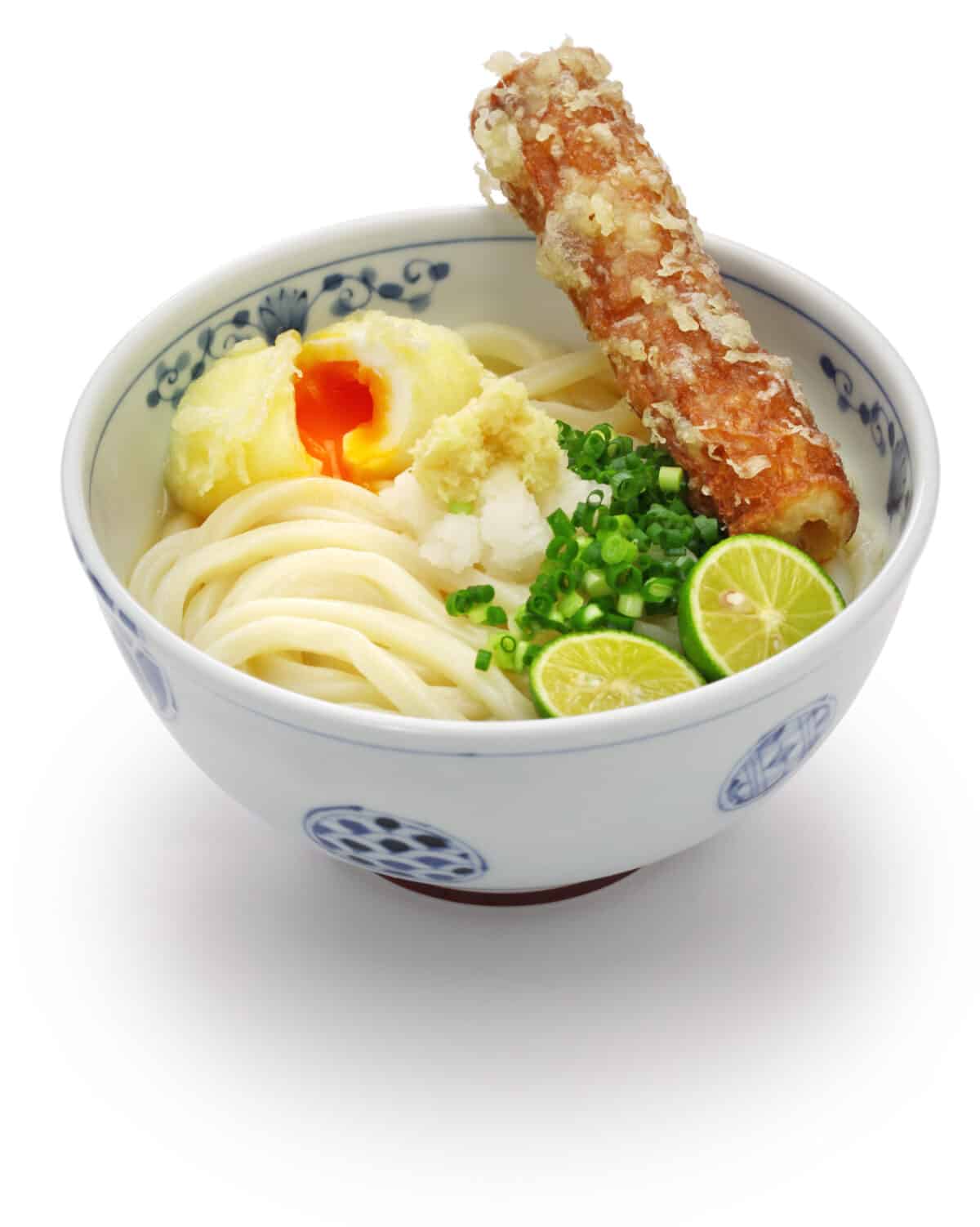
For travelers eager to experience the authentic taste of Japan, Masako’s intimate cooking class in Adachi, Tokyo is a true cultural gem. In this warm, welcoming home experience, you’ll make udon noodles from scratch, cook seasonal tempura, prepare a fluffy Japanese omelet (tamagoyaki), and learn how to craft the foundational dashi soup used in countless Japanese dishes.
Are you Visiting Japan soon?
Let us make your trip effortless. From tickets and hotels to transport and local guides, we arrange everything for you or your group. Whether it’s a music festival in Tokyo or a business conference in Osaka, our custom travel service ensures you enjoy the event stress-free.
Contact Jasumo Now →Unlike formal cooking schools, Masako’s class feels like visiting a Japanese family. It’s hands-on, joyful, and filled with stories, laughter, and flavors you’ll carry with you forever.
Meet Your Host: Masako
Masako is more than a cooking teacher—she’s a cultural ambassador. A passionate traveler herself, she’s visited over 20 countries and understands the joy of connecting through food. Her cozy home, a beautifully renovated 90-year-old traditional Japanese house near Kitasenju Station, is where she invites guests to experience authentic Japanese cooking and hospitality.
As a bonus, Masako is also a certified Japanese calligraphy teacher—at the end of the class, she’ll write your name in kanji as a meaningful keepsake.
“I believe the best memories come from human connection and cooking together,” she says. “And that’s what I want to share with my guests.”
What You’ll Learn and Make
In this 2.5-hour cooking adventure, you’ll master four classic Japanese dishes:
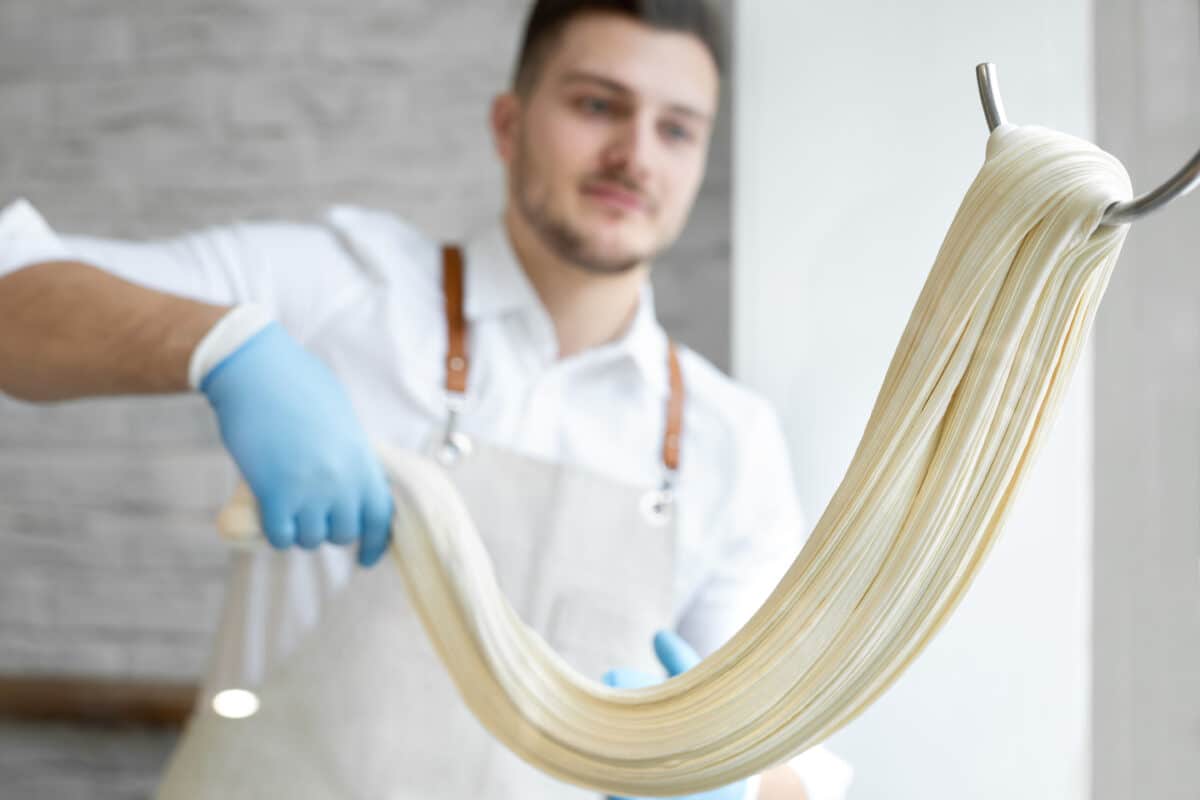
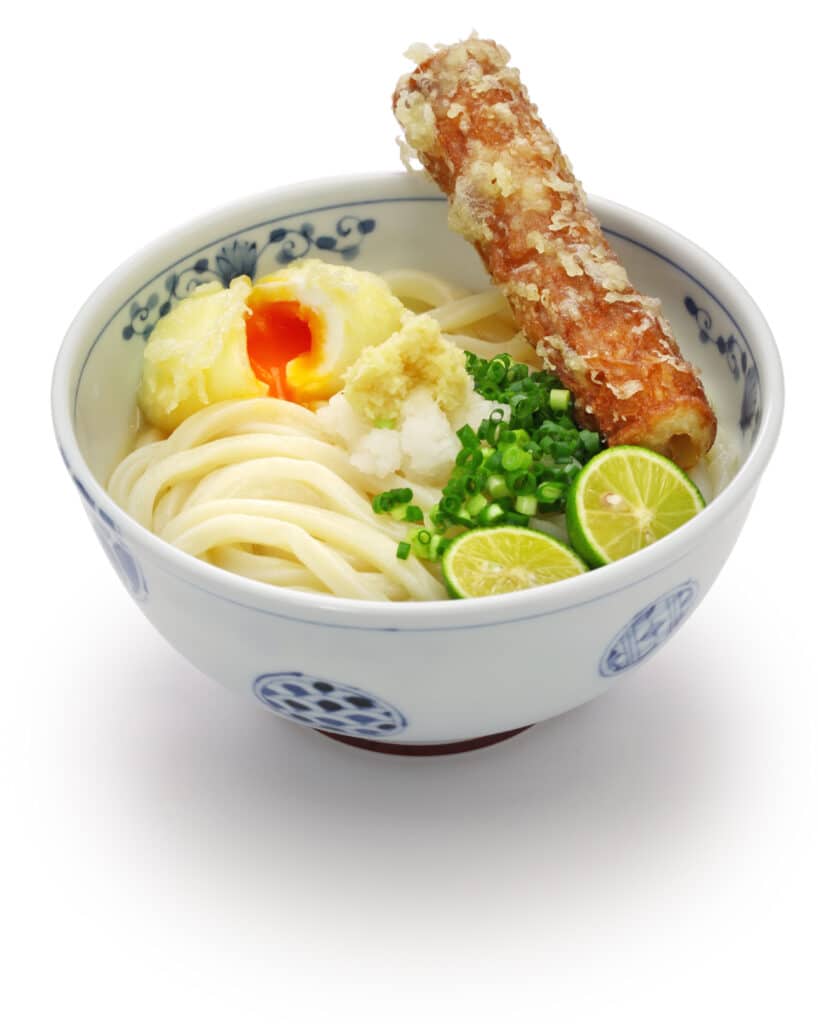
- Handmade Udon – Learn how to knead, roll, and cut thick wheat noodles the traditional way. You’ll even stomp the dough with your feet—a fun and authentic method!
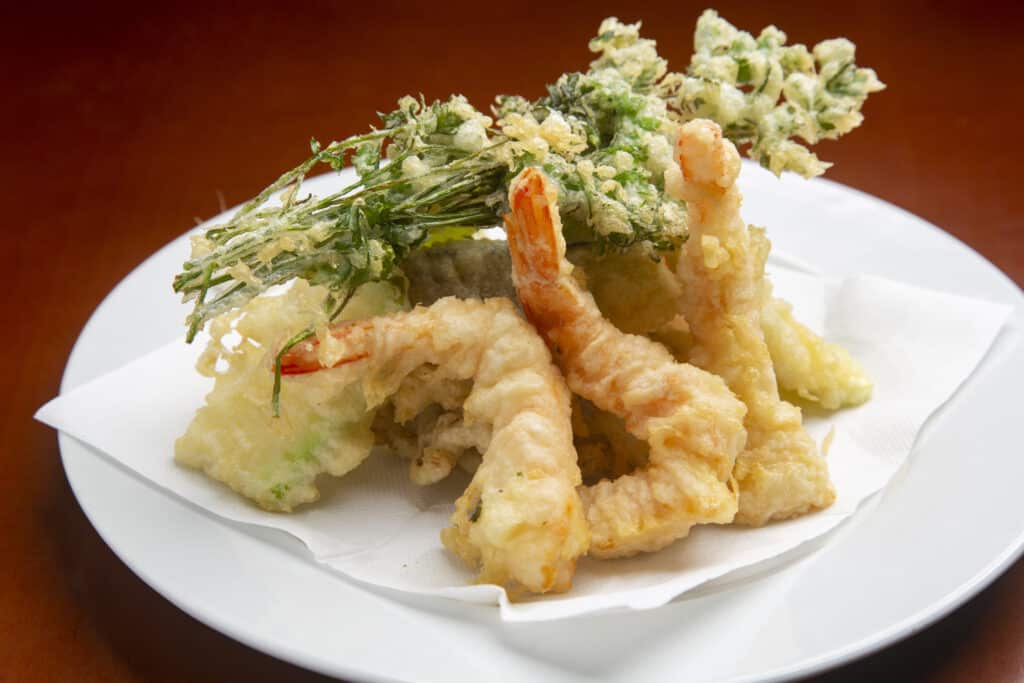
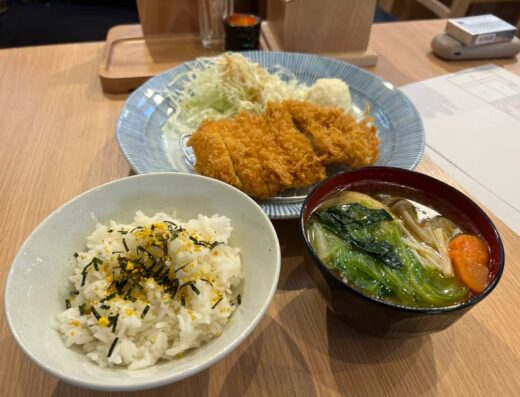
- Tempura – Discover the art of light, crispy frying using seasonal vegetables.
- Tamagoyaki – Roll layers of seasoned egg into a delicate and flavorful Japanese-style omelet.
- Dashi Soup Stock – Learn to make the essential base of Japanese cuisine using natural ingredients, no MSG.
The class is beginner-friendly, solo-traveler friendly, and vegetarian options are available.
Class Details
- Location: Masako’s private home in Adachi City, Tokyo
- Duration: Approximately 2.5 hours
- Guests: Up to 4 participants (intimate, personal setting)
- Pick-up: Free pick-up from Kitasenju Station (5 minutes away)
- Extra Bonus: Your name written in Japanese calligraphy to take home
How to Access the Class
Masako’s home is located near Kitasenju Station, a lively yet lesser-known part of Tokyo with deep roots in Edo-period history. It’s easy to reach:
- From Ueno Station: approx. 10 minutes
- From Tokyo Station: approx. 15 minutes
Upon booking, you’ll receive detailed instructions and meet Masako in front of Choenji Temple, a short walk from the venue.
Why Udon Is a Staple in Japanese Homes
Udon’s roots trace back over a thousand years, believed to have been introduced to Japan during the Nara or Heian period from China. It quickly became a staple due to its simplicity, heartiness, and ability to adapt to regional flavors. From the Kansai region’s light soy-based broths to the rich miso blends of Hokkaido, udon has evolved as a regional treasure throughout Japan.
Today, udon holds a beloved place in Japanese households. It’s served in homes, school lunches, and even at temple festivals. Its versatility means it can be paired with everything from deep-fried tofu to fresh tempura. Udon is comforting, satisfying, and deeply rooted in the rhythm of daily life in Japan.
For foreigners, learning about udon is a gateway into understanding Japanese cuisine at its core—its reliance on simplicity, seasonal ingredients, and handmade craftsmanship. While ramen is often the internationally hyped star, udon is the quiet hero of Japanese soul food.
By attending this class, tourists don’t just eat udon—they learn to make it. They carry home a repeatable skill, perfect for sharing Japanese culture with friends and family. Several past attendees have used what they learned here to launch Japanese food pop-ups, teach cooking workshops, or even start ramen and udon-focused eateries abroad.
So whether you’re looking to build a new culinary talent or start your own Japanese food business, this class is more than a memory—it’s a launchpad.
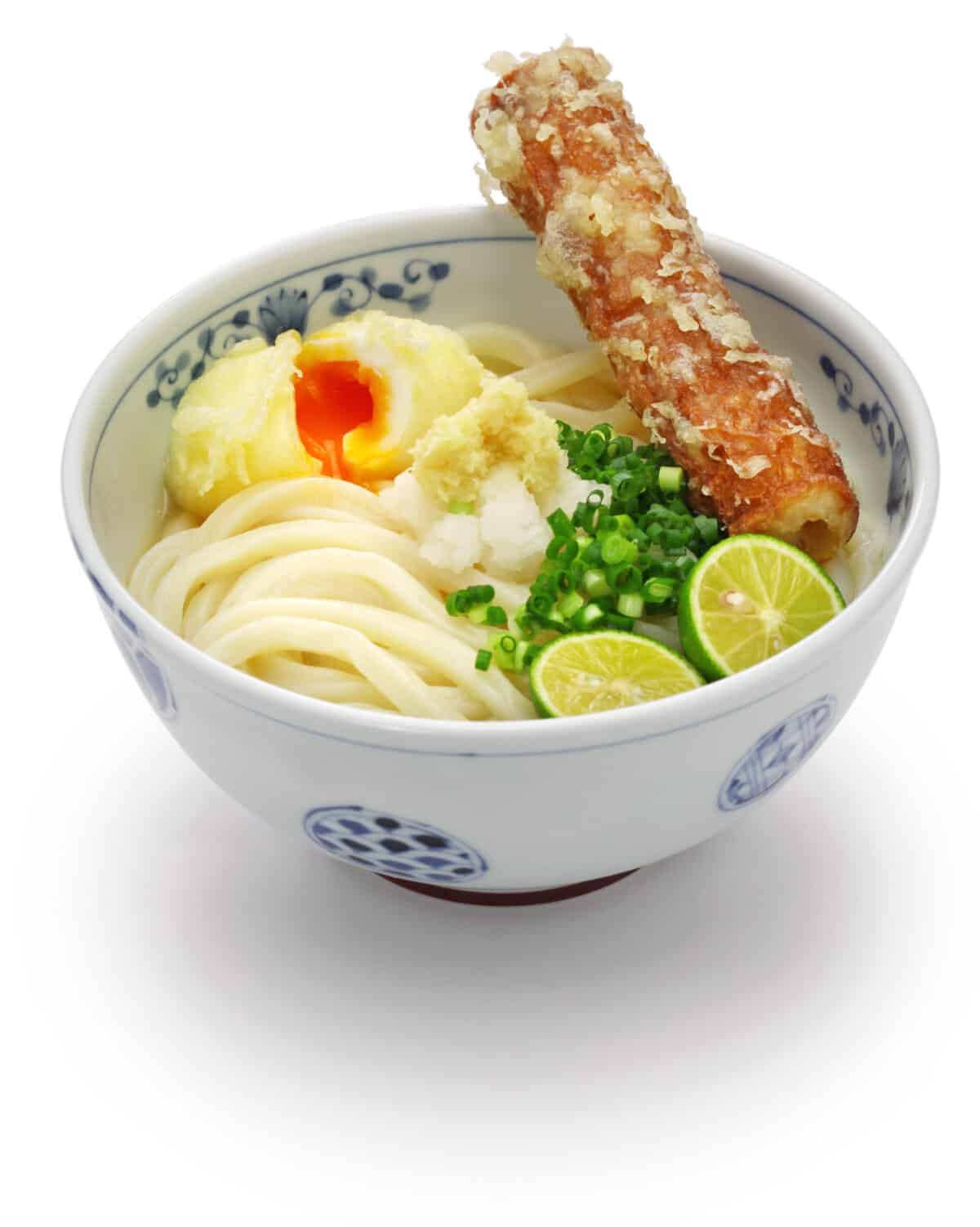
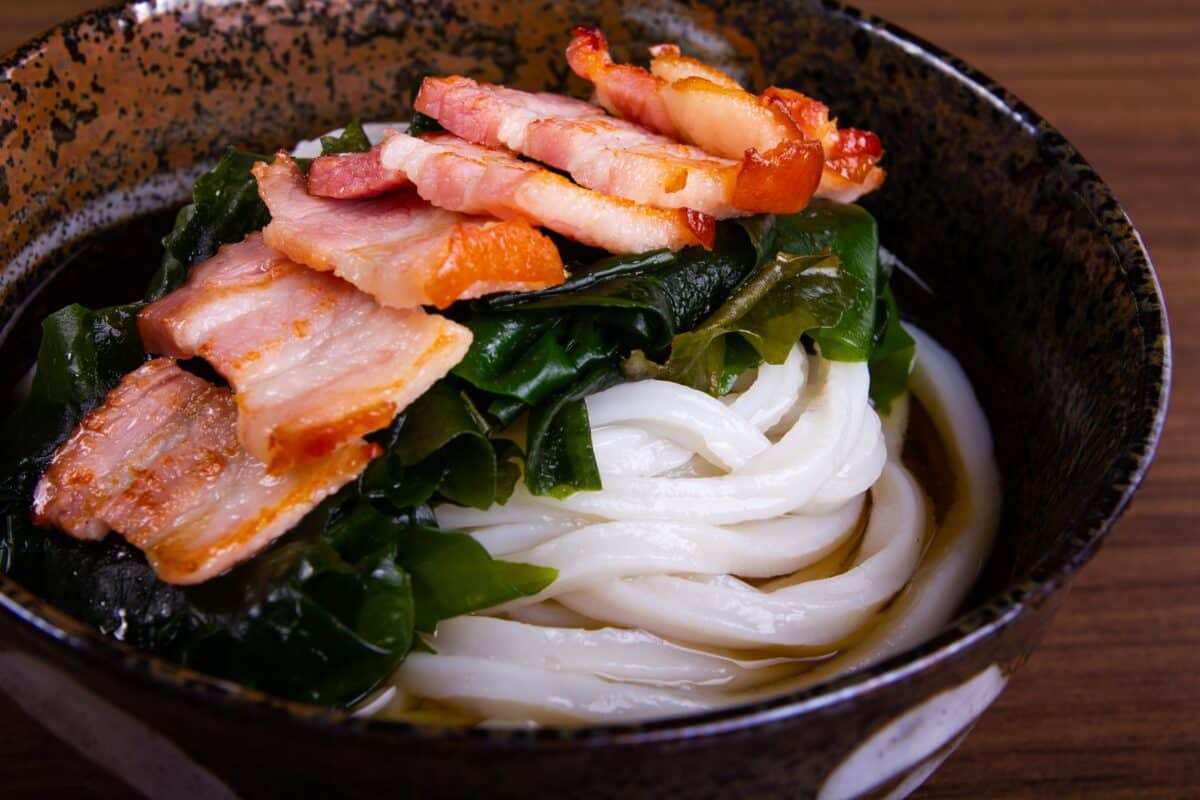
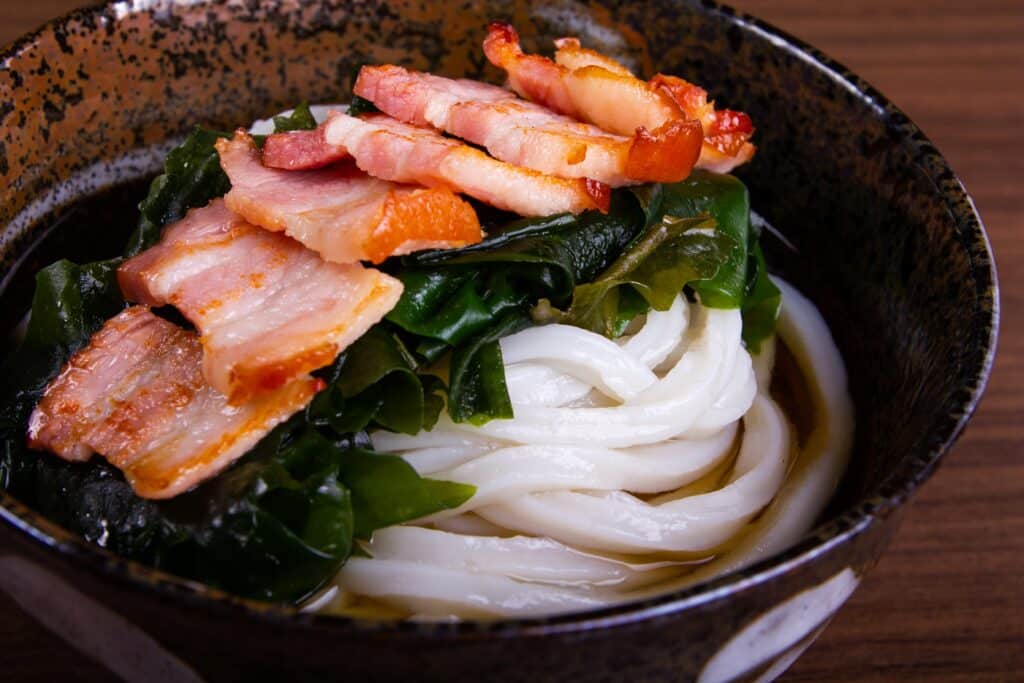
Udon is one of Japan’s most beloved comfort foods. These thick, chewy noodles made from just flour, water, and salt have been eaten in Japan for centuries, often enjoyed as a quick lunch or hearty dinner. Served in a simple broth called kakejiru, udon is nourishing, warm, and adaptable—perfect for both locals and curious travelers.
What makes udon special is its accessibility and versatility. Unlike ramen, which requires complex ingredients, udon can be made at home from scratch with just a few ingredients—making it an ideal dish to learn during your Japan trip.
The Role of Tempura in Japanese Cuisine
Tempura holds a unique place in Japanese food culture. Introduced by Portuguese missionaries in the 16th century, it was quickly adapted and perfected by Japanese cooks. What began as a foreign technique became a national treasure—refined into a delicate balance of light batter, fresh ingredients, and crisp texture. Today, tempura is both an everyday comfort and a celebrated course in fine dining kaiseki meals.
What makes tempura fascinating is its deep respect for seasonality. In Japanese cuisine, ingredients like eggplant in summer or sweet potato in autumn are selected to match the season, and tempura showcases these beautifully. Learning to prepare tempura is about more than frying—it’s about learning the Japanese aesthetic of simplicity and balance.
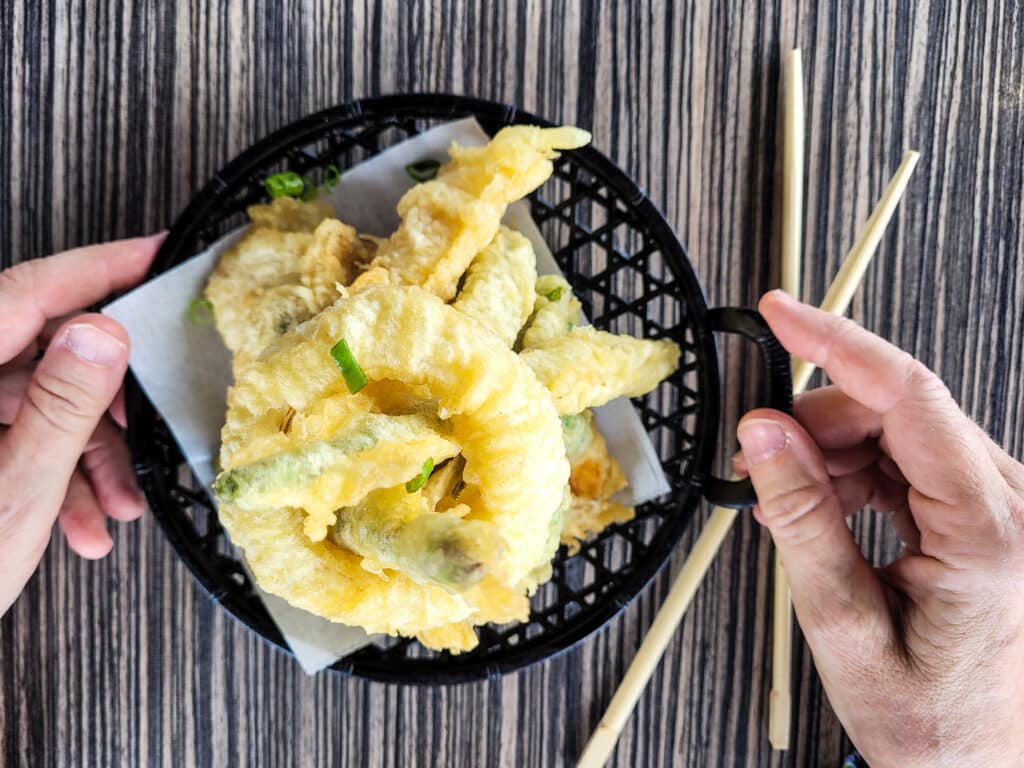
For travelers, mastering tempura means gaining a valuable skill that’s highly versatile. With Masako’s guidance, guests learn not only how to make crisp, non-greasy tempura but also how to recreate this dish at home without specialized equipment. Many find it to be a gateway to exploring broader Japanese techniques, from knife skills to oil temperature control—skills essential for aspiring Japanese chefs.
The Beauty and Technique of Tamagoyaki
Tamagoyaki, the rolled Japanese omelet, is a deceptively simple dish that reveals the heart of Japanese cooking. Made by layering thin sheets of seasoned egg and rolling them into a compact log, it requires patience, skill, and the perfect balance of seasoning—usually dashi, soy sauce, and mirin.
This dish often appears in bento boxes, sushi rolls, and breakfast tables across Japan. It’s one of the first recipes Japanese children learn, and also a test of mastery for professional chefs. Its soft, fluffy texture and slightly sweet-savory flavor profile make it a favorite among locals and tourists alike.
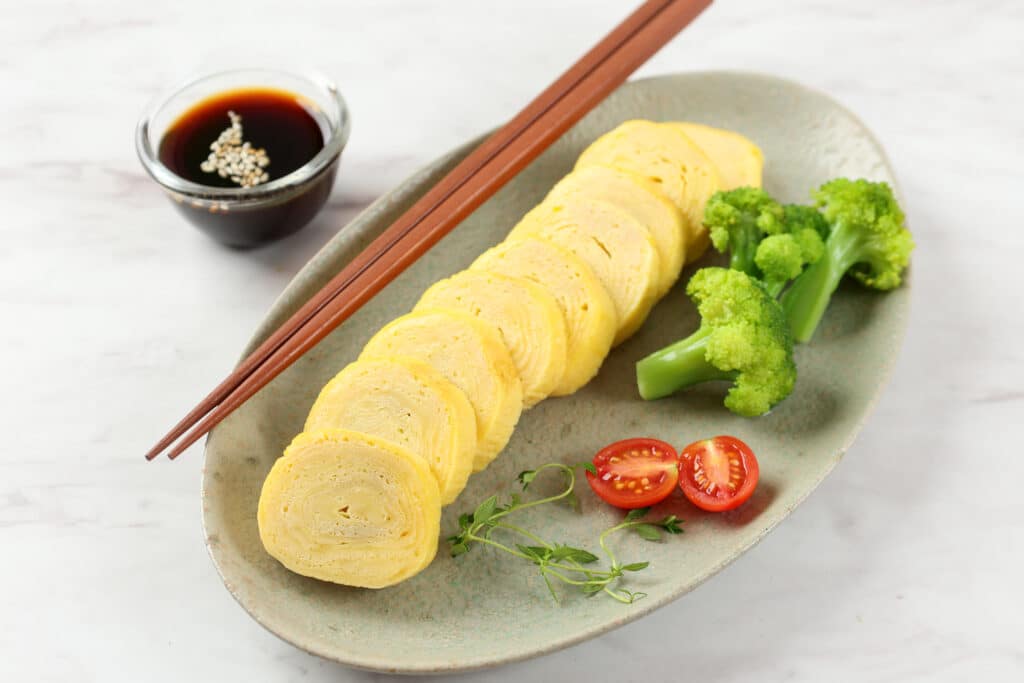
For international visitors, learning to make tamagoyaki offers insight into the discipline and precision of Japanese home cooking. Guests in Masako’s class gain the confidence to try it at home and often use the technique to impress friends and family. For those dreaming of launching a Japanese café, adding tamagoyaki to the menu brings a slice of Tokyo’s everyday life to their own cities.
Why Tourists Love This Class
Masako’s guests consistently call this class a highlight of their Japan trip. It’s not just about food—it’s about making friends, understanding culture, and gaining real skills. Tourists love the hands-on approach, the peaceful local neighborhood, and the genuine hospitality.
Better still, once you learn these dishes, you can recreate them at home and wow your friends with authentic Japanese flavors. Some guests even take what they’ve learned to launch food blogs or host Japanese dinners back home.
This experience is perfect for:
- Cultural travelers who want more than sightseeing
- Home cooks and foodies looking to expand their repertoire
- Solo travelers seeking warm, human connections
- Families and couples who want to bond over cooking
What Guests Are Saying
> “We had an amazing time cooking with Masako. The udon turned out great, the tempura was tasty, and the tamagoyaki was challenging but fun!” — Alycia, USA
> “Masako was a wonderful host and teacher. Her home is so charming, and the experience was both delicious and educational. I still make tamagoyaki every week!” — Jessica, Australia
> “If I could give this class 10 stars, I would. We made food, learned about Japanese culture, and even got calligraphy gifts. Amazing!” — Charles, UK
> “Masako handled our group of 6 including children and grandparents with ease. Everyone had fun, learned something, and the food was excellent.” — Will, USA
> “Great experience with a kind host. I now appreciate the effort behind a simple bowl of udon and the art of Japanese home cooking.” — Bernie, USA
Book Your Udon Experience Today
If you’re looking for a unique memory in Tokyo—something more immersive than a tourist stop—Masako’s cooking class is the perfect blend of flavor, learning, and hospitality.
Let Japan touch your heart through food, culture, and shared experience.
Follow Jasumo.com for more unforgettable culinary and cultural adventures across Japan.
Planning a Group Trip to Japan?
From corporate teams to friends traveling together, we create tailor-made travel packages. Enjoy VIP access, curated itineraries, and full support from our local experts. Tell us your plans, and we’ll handle the rest.
Contact Jasumo Now →





























Leave a Reply