



-
February 11, 2026 at 9:00 am
Event date:
-
April 10, 2026 at 5:00 pm
Event end:
History
Kurume City World Camellia Museum opened in 1998 as a dedicated showcase for the region’s deep-rooted camellia heritage, which dates back over 400 years. Kurume, in Fukuoka Prefecture, became Japan’s camellia capital during the Edo period when local breeders developed the famous “Kurume camellias”—compact, vibrant hybrids prized for their cold resistance and prolific blooming. The museum was established to preserve this legacy, housing one of the world’s largest collections of over 2,500 cultivars from Japan, China, Vietnam, and beyond.
Are you Visiting Japan soon?
Let us make your trip effortless. From tickets and hotels to transport and local guides, we arrange everything for you or your group. Whether it’s a music festival in Tokyo or a business conference in Osaka, our custom travel service ensures you enjoy the event stress-free.
Contact Jasumo Now →The Spring Camellia Exhibition began shortly after the museum’s founding, timed to coincide with the peak bloom from late winter into early spring. It highlights Kurume’s role in global camellia cultivation, where ancient wild species meet modern hybrids. The event draws on the area’s agricultural traditions, where camellias were once symbols of prosperity and beauty in tea ceremonies and gardens.
Today, the exhibition blends horticultural display with cultural elements like Hinamatsuri (Girls’ Day) on March 3, featuring hina dolls amid the blooms—a nod to seasonal festivals that have long marked spring’s arrival in rural Japan.
Overview
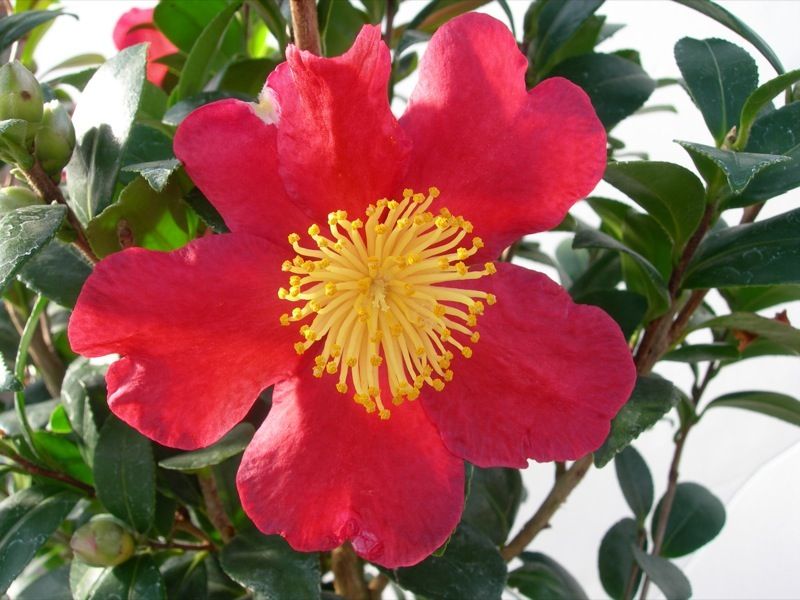
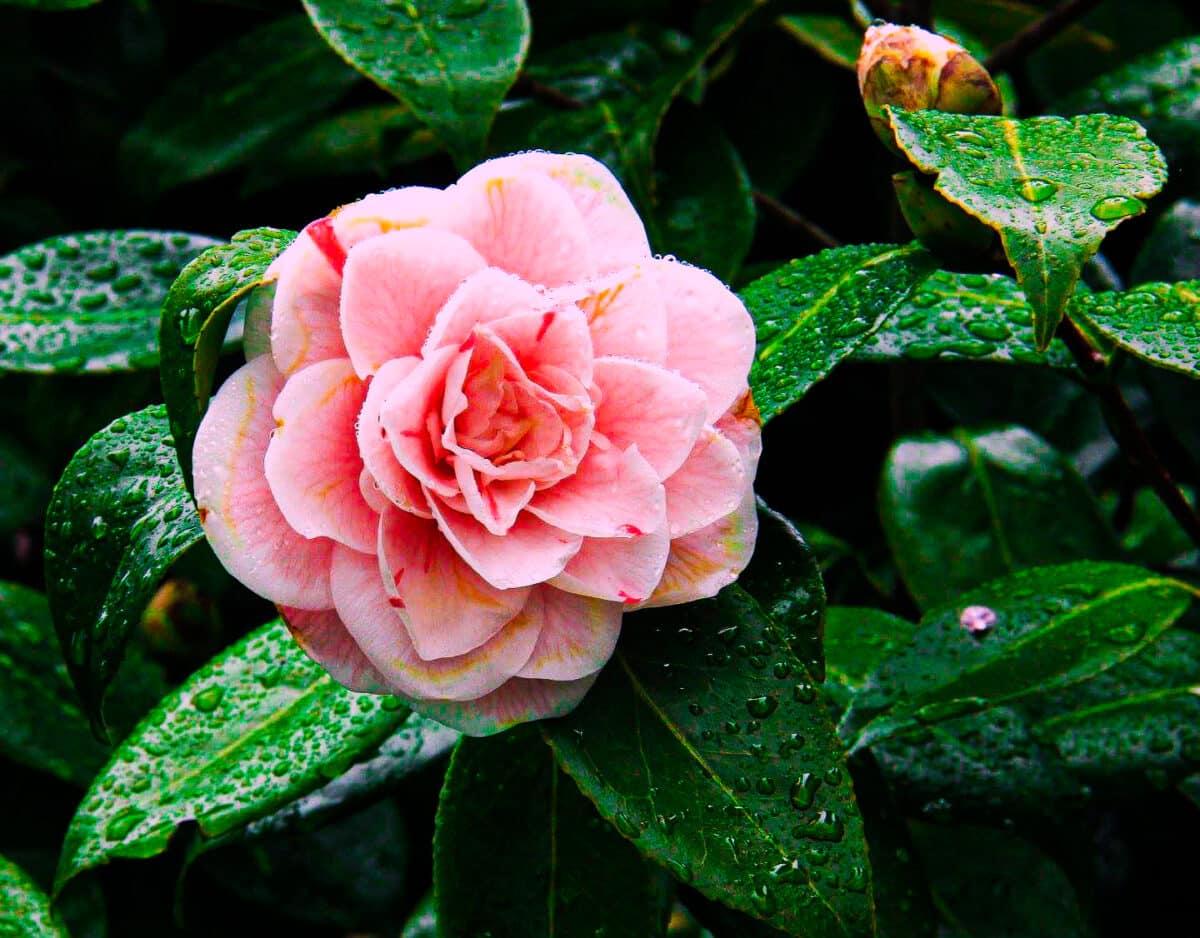
The Spring Camellia Exhibition 2026 at Kurume City World Camellia Museum runs from mid-February to early April, showcasing around 80 varieties of cut and potted camellias in full, vibrant bloom. Set within the museum’s glasshouse and outdoor gardens, visitors wander through displays of wild species from Asia and cultivated hybrids, including Kurume’s signature compact, colorful types that flower profusely even in cooler weather.
Complementing the floral spectacle, the exhibition incorporates hina dolls for March 3’s Girls’ Day, creating a harmonious blend of natural beauty and traditional artistry. Free admission makes it accessible, though note the closure on Thursday, March 21. The serene setting offers a peaceful preview of spring before cherry blossoms take center stage.
Highlights
- 80 Varieties on Display: Cut flowers and potted plants from wild Asian species to Kurume hybrids, showcasing reds, pinks, whites, and rare patterns.
- Glasshouse Immersion: Walk among blooming camellias in a climate-controlled tropical exhibit with over 100 global cultivars.
- Hinamatsuri Doll Integration: Delicate hina dolls arranged alongside blooms for March 3, blending floral and cultural traditions.
- Outdoor Camellia Garden: Stroll 90+ varieties in landscaped grounds, with early-spring sunlight filtering through petals.
- Educational Exhibits: Panels and videos on camellia history, breeding, and Kurume’s role in Japan’s horticultural legacy.
Why Jasumo Recommends?
- 80 Varieties on Display: Cut flowers and potted plants from wild Asian species to Kurume hybrids, showcasing reds, pinks, whites, and rare patterns.
- Glasshouse Immersion: Walk among blooming camellias in a climate-controlled tropical exhibit with over 100 global cultivars.
- Hinamatsuri Doll Integration: Delicate hina dolls arranged alongside blooms for March 3, blending floral and cultural traditions.
- Outdoor Camellia Garden: Stroll 90+ varieties in landscaped grounds, with early-spring sunlight filtering through petals.
- Educational Exhibits: Panels and videos on camellia history, breeding, and Kurume’s role in Japan’s horticultural legacy.
If you’re coming to Japan or already in Japan, Jasumo can assist with custom flower-viewing tours, private transportation from Fukuoka, onsen experiences, and more. Just contact us using the contact page.
Schedule
Mid-February to early April 2026
- Hours: 9:00 AM – 5:00 PM daily
- Closed: Thursday, March 21 (and select other Thursdays; confirm locally)
Pricing
Admission to the Spring Camellia Exhibition and museum is completely free.
Location
Kurume City World Camellia Museum Yahagi-490-2 Kusanomachi, Kurume, Fukuoka 839-0837, Japan
How to Get There
- By Car: 15 minutes from Kurume IC on Kyushu Expressway; limited on-site parking available.
- By Train + Bus: JR Kyudai Main Line to Kurume Station → local bus (~20 min) to museum stop.
- From Fukuoka Airport: ~60 min drive via Kyushu Expressway.
Accommodation Options
Kurume offers traditional ryokan with kaiseki meals and onsen baths, priced ¥15,000–¥35,000 per person, many featuring gardens with early camellias. These provide a serene base for exploring the museum and nearby Yanagawa canals.
Budget business hotels near Kurume Station start at ¥7,000–¥12,000 per night, with easy train access to Fukuoka (30 min). Booking in advance is advised during March’s Girls’ Day celebrations.
FAQs
What are the exact 2026 dates for the Spring Camellia Exhibition?
The exhibition typically runs from mid-February to early April, with peak blooms in late February to mid-March. Check the official museum website in January for confirmed dates.
Is admission truly free to the camellia displays?
Yes—entry to the museum and exhibition is completely free year-round, making it an accessible introduction to Japan’s camellia heritage.
Are there guided tours available at the museum?
While self-guided, English pamphlets are provided. Private tours can be arranged through Jasumo for deeper insights into varieties and cultivation.
When do the hina dolls appear during the exhibition?
Hina doll displays are featured around March 3 for Girls’ Day, integrated with camellia arrangements for a unique seasonal fusion.
Can I combine this with other Fukuoka attractions?
Absolutely—pair it with a day trip to Yanagawa’s canal boat rides or Kurume’s famous yatai street food stalls, just 20–30 minutes away.
Planning a Group Trip to Japan?
From corporate teams to friends traveling together, we create tailor-made travel packages. Enjoy VIP access, curated itineraries, and full support from our local experts. Tell us your plans, and we’ll handle the rest.
Contact Jasumo Now →







































Leave a Reply